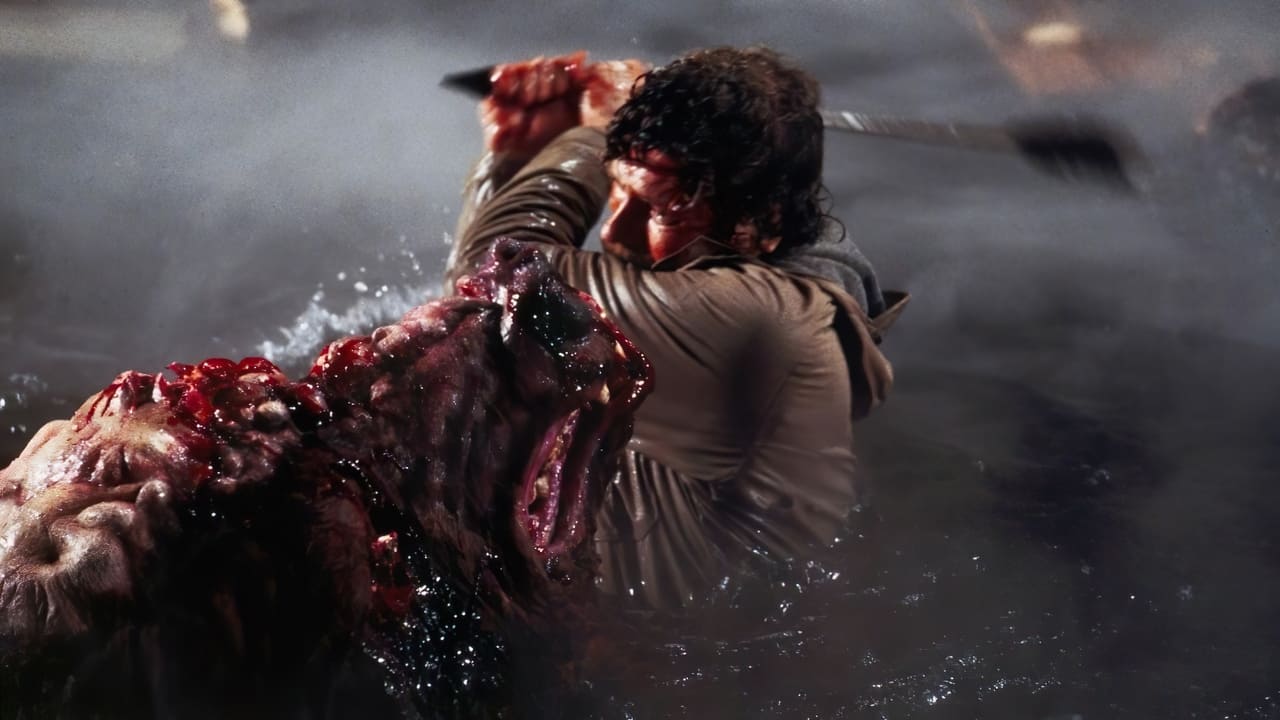
The air hangs thick and damp, smelling of pine needles and something else... something unnatural. That’s the lingering scent left by Prophecy (1979), a film that crawls under your skin not just with its mutated monster, but with the chillingly plausible ecological dread that fuels it. It’s the kind of film that, back on a flickering CRT screen rented from the corner store, felt like a whispered warning from the deep woods, a folktale twisted into grotesque reality by industrial carelessness. Forget jump scares; Prophecy aims for a deeper, more unsettling violation – the perversion of nature itself.
Whispers in the Woods
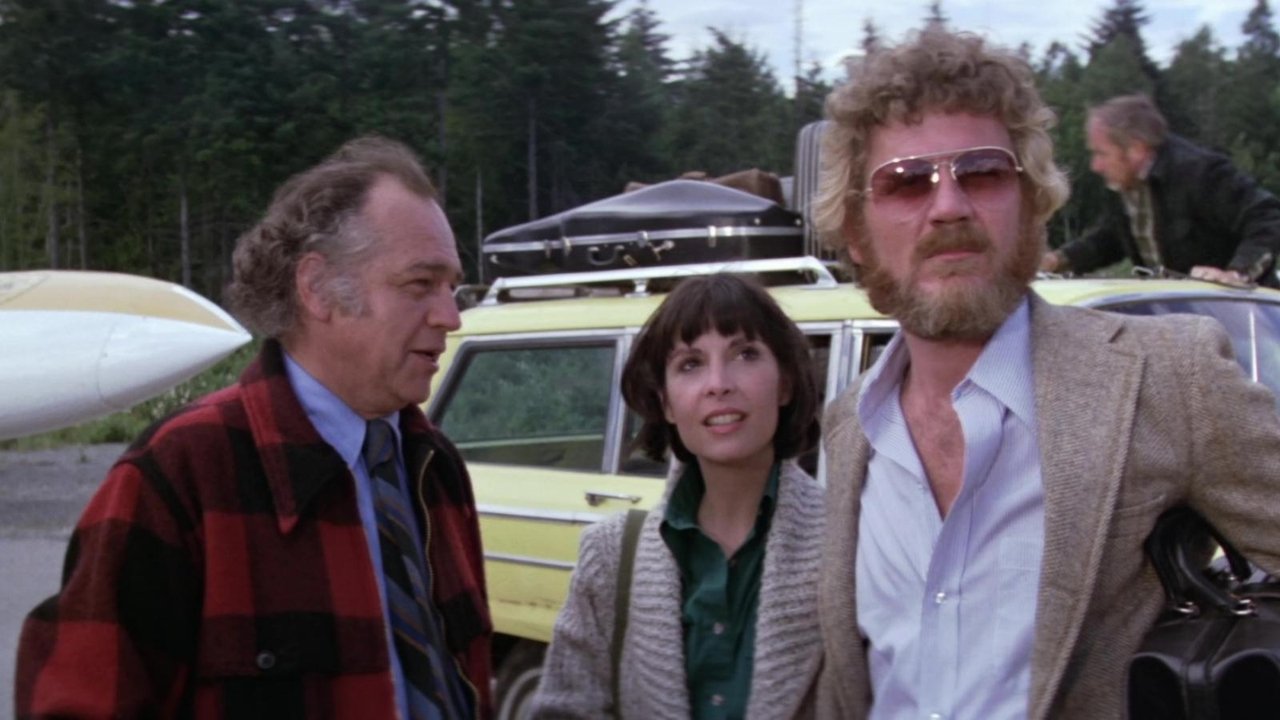
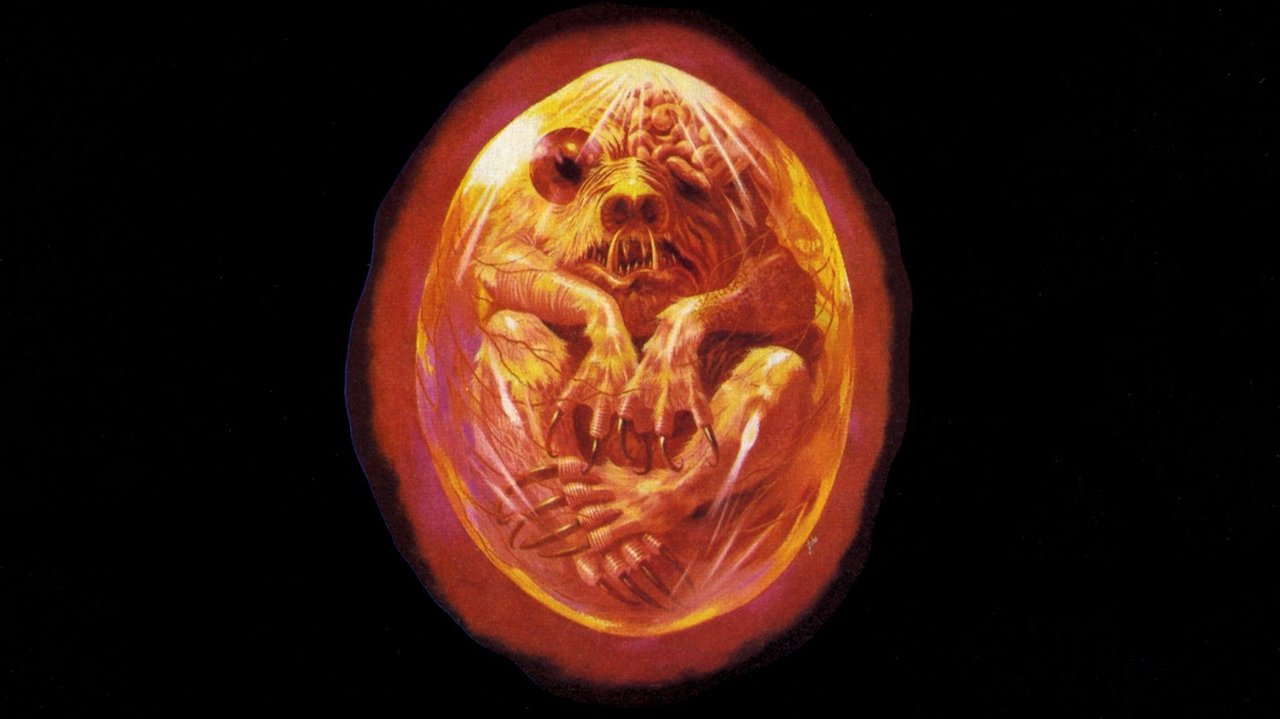
Directed by the legendary John Frankenheimer – a name more readily associated with taut political thrillers like The Manchurian Candidate (1962) or gritty action like Ronin (1998) – Prophecy feels like an anomaly in his filmography, a dive into the murky waters of the creature feature. Written by David Seltzer, who penned the genuinely terrifying The Omen (1976), the setup is potent. Dr. Robert Verne (Robert Foxworth), an idealistic EPA doctor, and his pregnant wife Maggie (Talia Shire, fresh off Rocky II that same year), head to the remote Maine wilderness to mediate a dispute between a Native American tribe led by the fiery John Hawks (Armand Assante) and a local paper mill. The tribe claims the mill is poisoning the land and water; the mill denies everything. But soon, Verne uncovers the horrifying truth: mercury waste dumped into the river system is causing grotesque mutations in the local wildlife, culminating in a monstrous, rage-fueled beast the Natives call "Katahdin."
Nature's Revenge, Frankenheimer Style
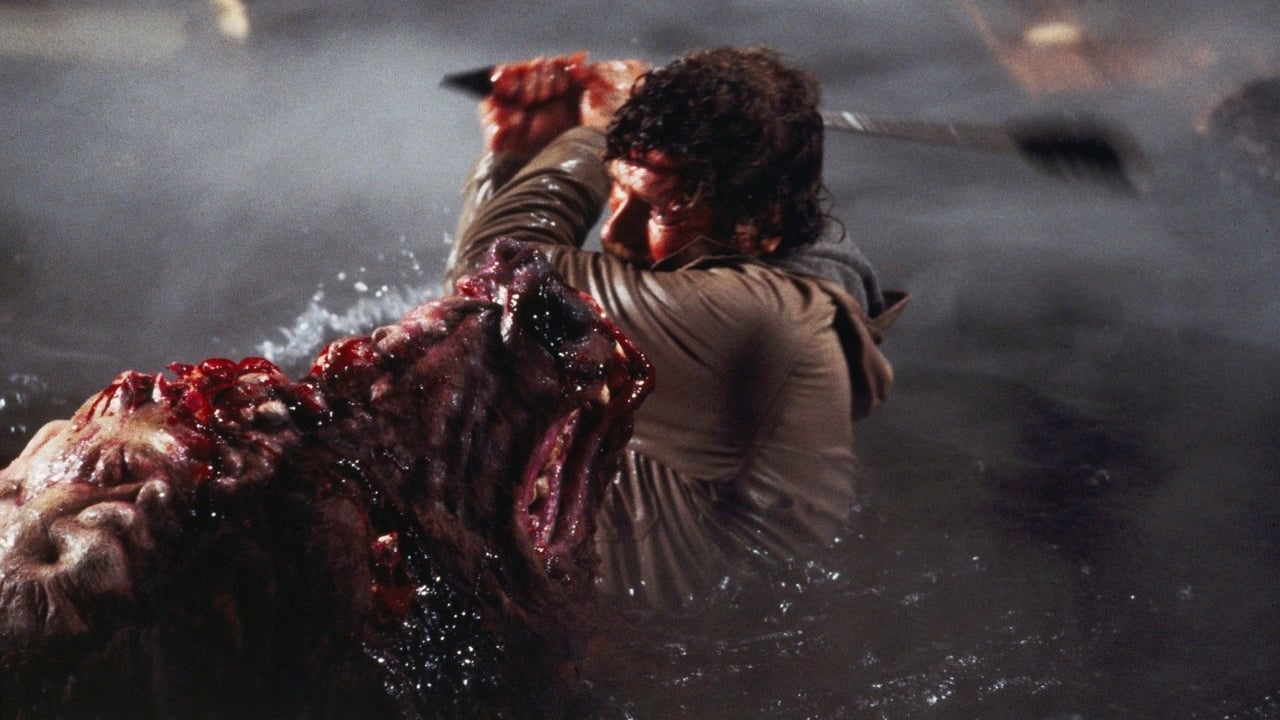
What sets Prophecy slightly apart from standard ‘nature run amok’ fare is Frankenheimer's attempt to ground the horror. He shoots the British Columbia locations (standing in for Maine) with a grim beauty, emphasizing the isolation and the encroaching sense of wrongness. The early scenes, focusing on the investigation and the escalating tension between the loggers and the tribe, possess a certain weight. Foxworth brings a weary conviction to Verne, and Shire conveys Maggie's growing unease effectively, especially concerning her pregnancy in this poisoned environment. Assante, intense as ever, embodies the righteous fury of a people seeing their ancestral lands defiled.
Frankenheimer reportedly took the project seriously, drawn to the environmental message. Yet, there’s an undeniable friction between the film's serious ecological concerns and its B-movie monster obligations. It wants to be a cautionary tale, a somber reflection on man's hubris, but it also needs to deliver creature carnage. And when the creature arrives… well, things get memorable, if not always for the intended reasons.
The Beast of Katahdin (and That Sleeping Bag)
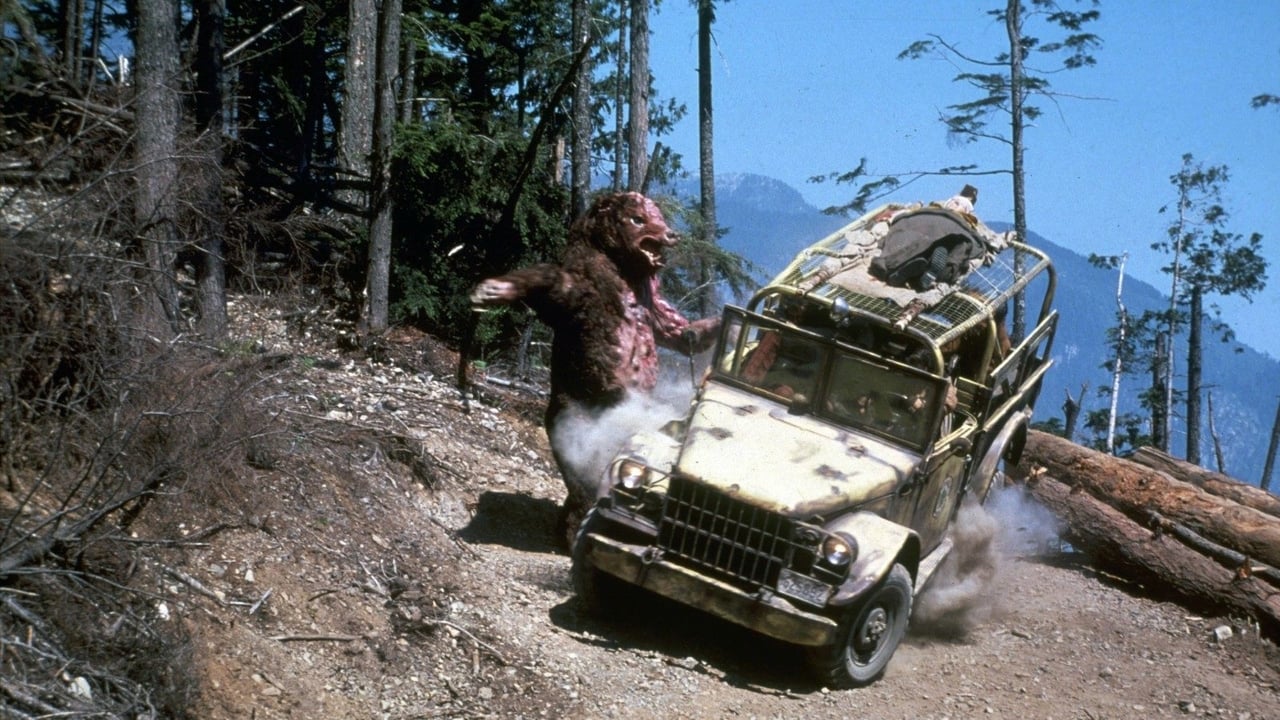
Let’s talk about the monster. Dubbed "Katahdin" (though sometimes looking more like a giant, inside-out pizza bear), the mutated creature is a product of its time – a man in a suit. Specifically, it was often the towering Kevin Peter Hall inside the elaborate, and reportedly very uncomfortable, costume; Hall would later achieve cinematic immortality as the titular hunter in Predator (1987). While the design has its moments of grotesque inspiration, particularly in close-ups revealing its distorted features, it often struggles under the full light of day or during frantic action sequences.
And then there's the scene. The one eternally burned into the memory banks of anyone who saw Prophecy at an impressionable age (or perhaps just last week). The moment Katahdin swats a fleeing victim zipped inside a sleeping bag, sending them rocketing into a tree with a wet thud and a comical explosion of feathers. It's a sequence so simultaneously horrifying and absurdly over-the-top that it has become legendary. Was it meant to be terrifying? Probably. Does it elicit gasps mixed with stunned laughter today? Absolutely. Did that moment alone guarantee its status as a cult favourite on VHS? You bet it did. Apparently, the effect was achieved simply by launching a feather-filled sleeping bag from an air cannon – practical effects magic at its most bizarre.
A Flawed but Fascinating Warning
Despite its occasional lurches into unintentional comedy, Prophecy retains a certain unsettling power. Leonard Rosenman's score is effectively eerie, adding to the atmosphere of encroaching doom. The film doesn't shy away from the grim consequences of the pollution, showing mutated fish and, most disturbingly, foreshadowing potential effects on Maggie's unborn child. This thematic core, the horror of chemical contamination and its generational impact, feels chillingly relevant even today. It tapped into real anxieties of the late 70s, a period increasingly aware of industrial pollution's hidden costs. Though financially successful on its initial release (grossing around $20 million on a $12 million budget), its critical reception was mixed, often seen as a lesser effort from its esteemed director.
It never quite reconciles its serious message with its schlockier elements, leaving it in a strange cinematic limbo. Is it a misunderstood eco-thriller or a high-concept B-movie with lofty ambitions? Maybe it's both. And perhaps that's why it endured through countless rentals and late-night cable broadcasts. It was weird, it was grim, it had that unforgettable sleeping bag kill, and beneath the monster suit, it had something unsettling to say.
---
VHS Heaven Rating: 6/10
Justification: Prophecy gets points for its ambitious environmental themes, John Frankenheimer's atmospheric direction in places, committed performances (especially from Assante), and its status as a memorable piece of late-70s eco-horror. The creature design and certain sequences (hello, sleeping bag!) are undeniably iconic, securing its cult status. However, it loses points for the tonal inconsistencies, the sometimes clunky creature effects that haven't aged gracefully, and moments where its serious message clashes awkwardly with pure monster movie mayhem.
Final Thought: It’s a fascinating, flawed beast of a film – much like Katahdin itself. Prophecy might not be Frankenheimer's finest hour, but its grim warning, memorable monster, and that one truly unforgettable death scene ensured its place on the dusty shelves of VHS Heaven, waiting to ambush unsuspecting viewers all over again. Doesn't that blend of genuine eco-dread and pure B-movie absurdity still feel uniquely unsettling?