The silence had stretched for nearly a decade. After 1975's Terror of Mechagodzilla, the King of the Monsters seemed content to slumber, perhaps becoming just a colourful memory of wrestling matches and heroic team-ups. Then came 1984, and the familiar roar echoed once more, but this time it carried a different weight. The Return of Godzilla (or Gojira in its homeland) wasn't just a comeback; it was a chilling reset, a stark reminder of the creature's terrifying origins, beamed directly onto our flickering CRT screens via those chunky rental tapes. Forget the friendly protector; the nuclear nightmare was back.
A Shadow Falls Over Tokyo
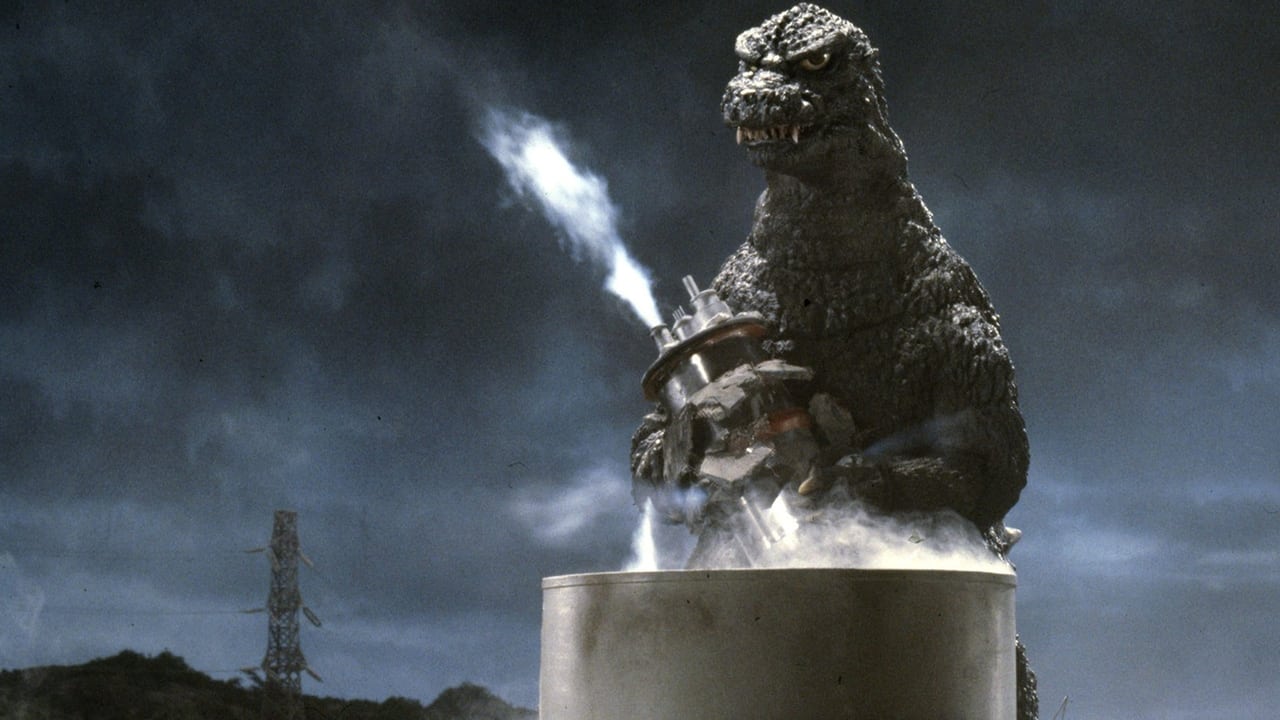
From the unsettling opening sequence aboard the doomed fishing vessel Yahata Maru, director Koji Hashimoto establishes a tone far removed from the campy antics of the late Showa era. There's a palpable sense of dread, amplified by Reijiro Koroku's somber, often militaristic score. This isn't a film about cheering for a monster; it's about witnessing an unstoppable force of nature collide with modern civilization. The plot, penned by Hideichi Nagahara under the watchful eye of original producer Tomoyuki Tanaka, wisely grounds the spectacle in human drama and Cold War paranoia. When Godzilla targets a Soviet nuclear submarine, the ensuing international crisis feels unnervingly plausible for the time, adding a layer of political tension that elevates the film beyond simple monster mayhem. Remember the palpable fear during those years? This film tapped right into it.
Building a Modern Nightmare

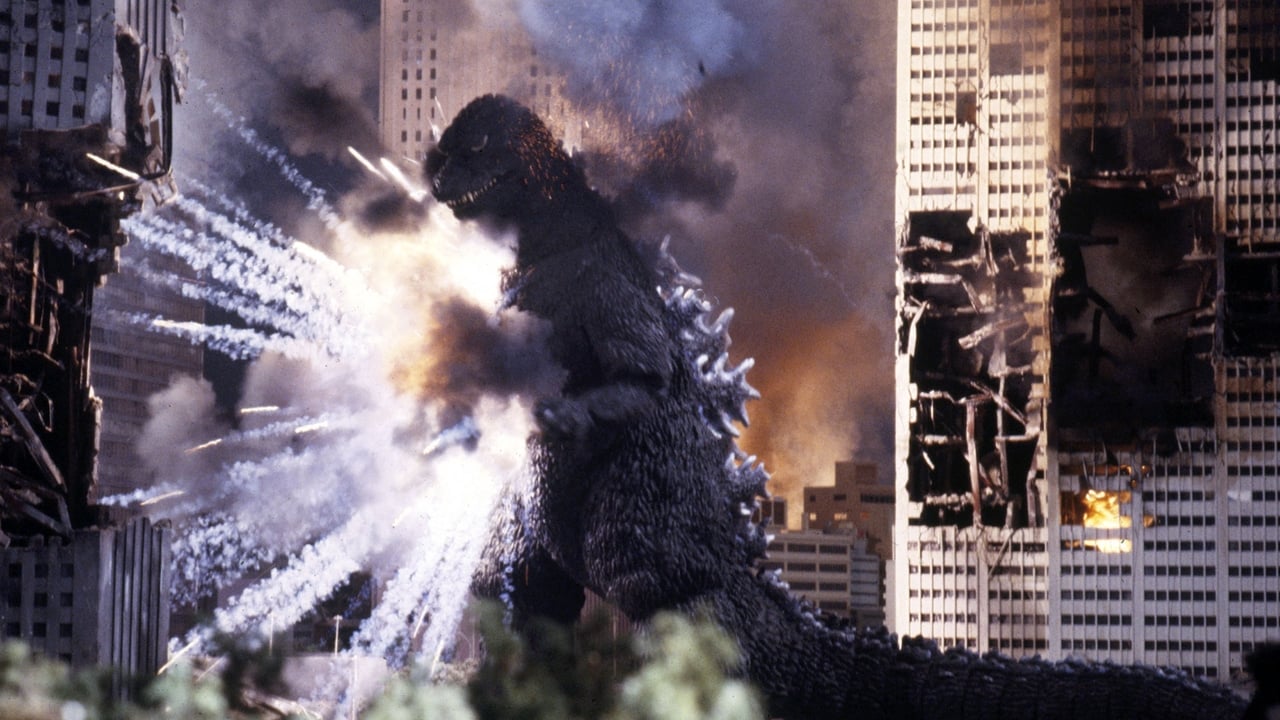
The real star, of course, is the redesigned Godzilla. This wasn't the slightly goofy-eyed hero of the 70s. The 1984 suit, bulkier and more menacing, coupled with the groundbreaking (and reportedly temperamental) 24-foot "Cybot" animatronic head used for close-ups, brought a new level of ferocity. Its movements felt heavier, more deliberate, radiating sheer destructive power. While some of the miniature work might look quaint by today's CGI standards, the commitment to practical effects lends the destruction a tangible, gritty reality. Seeing Tokyo's skyscrapers crumble under Godzilla's assault felt genuinely apocalyptic back then, didn't it? There's a weight to the devastation that pixels often struggle to replicate. One fascinating tidbit: the sheer scale of the production, with its massive sets and the complex Cybot, pushed the budget to around $6.25 million – a significant investment for Toho at the time, signaling their commitment to relaunching the icon.
The human cast, led by Ken Tanaka as reporter Goro Maki and newcomer Yasuko Sawaguchi as Naoko Okumura (who won the Toho Cinderella Audition, landing her this debut role), deliver solid performances, grounding the extraordinary events. They react with believable fear and desperation, serving as our eyes and ears amidst the chaos. While their storylines sometimes feel secondary to the kaiju action, they provide the necessary emotional anchor. The scenes in the command center, grappling with impossible decisions as Godzilla advances relentlessly, carry a genuine weight.
The American Re-Edit: Godzilla 1985

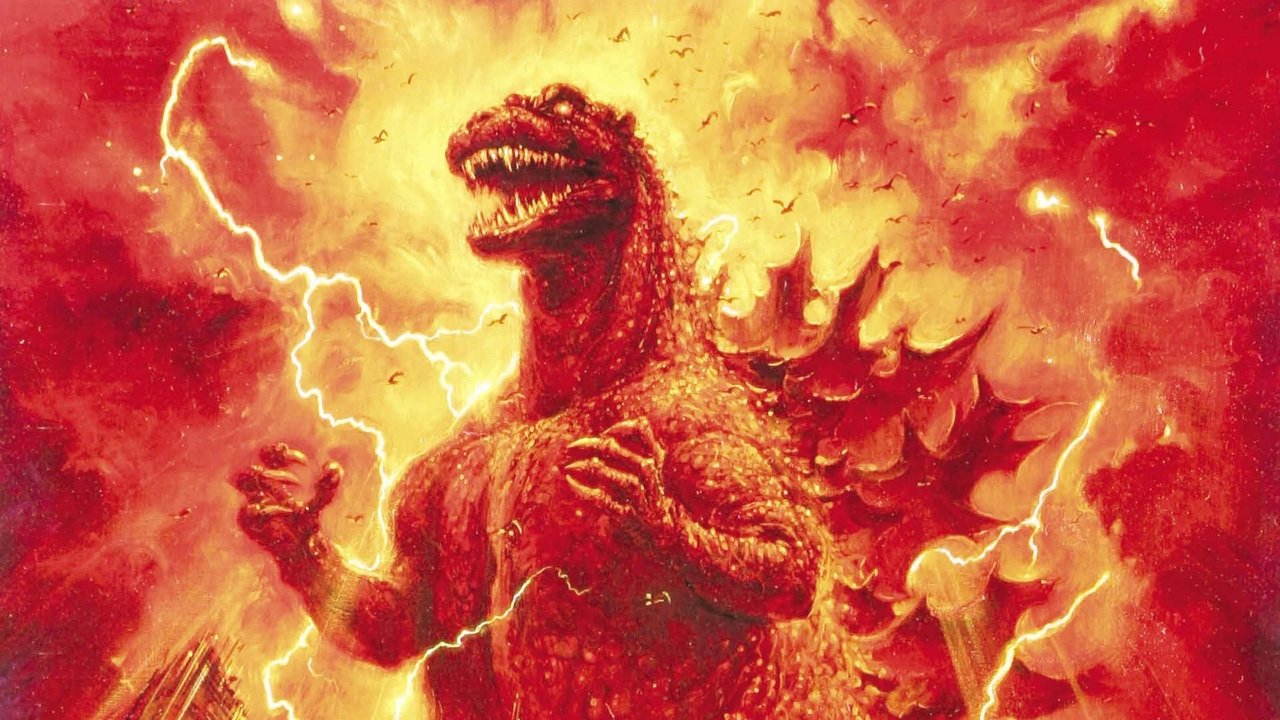
For many of us renting this in North America, we likely encountered Godzilla 1985, the heavily re-edited American version. This version brought back Raymond Burr, reprising his role as Steve Martin from the original 1956 Godzilla, King of the Monsters! While Burr adds a certain gravitas, his scenes, directed by R.J. Kizer, feel awkwardly inserted, often grinding the pacing to a halt. It’s a fascinating, if flawed, piece of VHS history itself – complete with notoriously blatant Dr. Pepper product placement. While Godzilla 1985 undeniably diluted the impact of the original Japanese cut, it was, for better or worse, how many Western fans first experienced this darker take on the legend. Finding the original Japanese version later felt like uncovering a different, more potent film.
Echoes of the Roar
The Return of Godzilla successfully rebooted the franchise, launching the Heisei era (1984-1995) which would redefine the character for a new generation. It stripped away the accumulated silliness and re-established Godzilla as a terrifying symbol of nuclear anxieties, albeit wrapped in the spectacle of 80s disaster cinema. The film isn't perfect; the pacing occasionally drags, and some plot elements feel underdeveloped. Yet, its atmosphere of dread, the imposing presence of the revitalized Godzilla, and its grounding in contemporary fears make it a powerful entry. It captured that late-night viewing vibe perfectly – the flickering screen, the ominous score swelling, the sheer scale of the destruction feeling both thrilling and deeply unsettling.
***
Rating: 7.5/10
Justification: The Return of Godzilla earns its score through its successful tonal reset, bringing genuine menace back to the franchise. The atmospheric direction, effective practical effects (especially the impressive Godzilla suit/Cybot for its time), and chilling score create a palpable sense of dread. It successfully taps into Cold War anxieties, adding depth. Points are deducted for occasionally slow pacing, somewhat secondary human drama, and the clunky nature of the widely distributed Godzilla 1985 version which hampered the original vision for many Western viewers.
Final Thought: Decades later, beyond the shifting trends of CGI spectacle, this film remains a potent reminder of Godzilla's dark origins – a true force of nature rendered with palpable weight, leaving a chill that lingered long after the VCR clicked off.