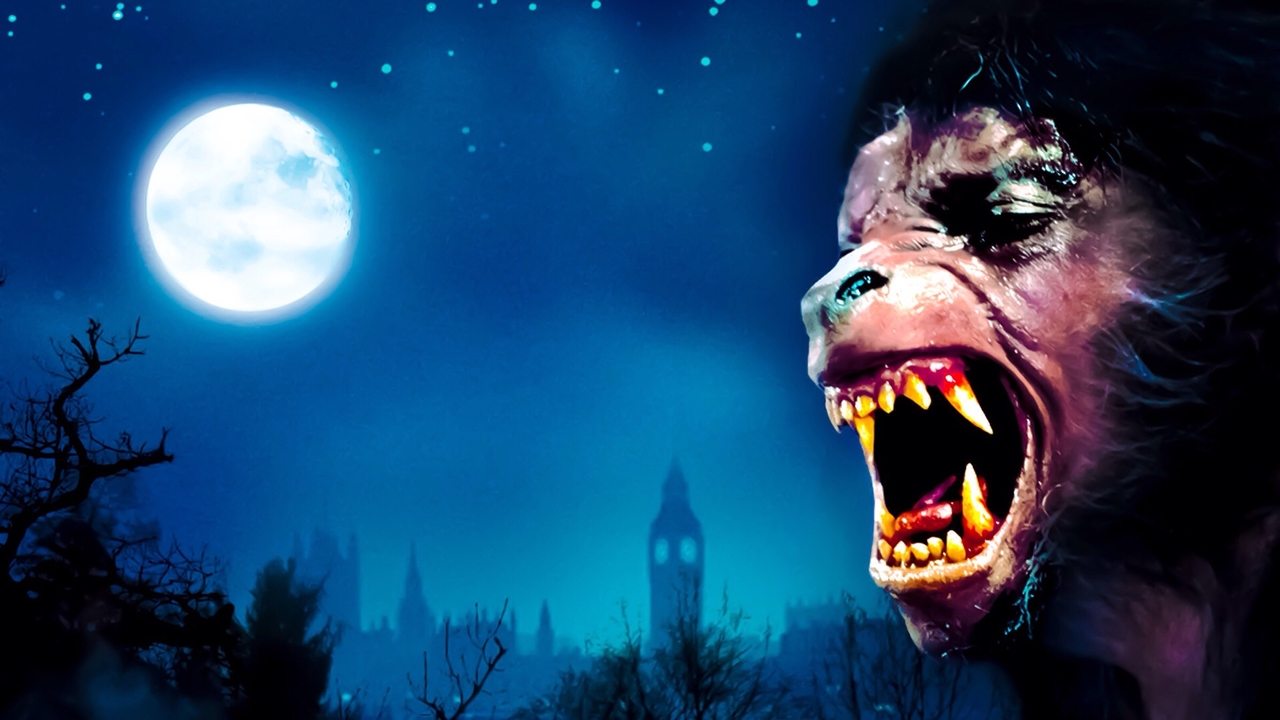
Okay, dim the lights, maybe adjust the tracking slightly on that imaginary tape deck in your mind, because tonight we're diving deep into a film that absolutely clawed its way into the annals of horror history: John Landis's utterly unique masterpiece, An American Werewolf in London (1981). This wasn't just another creature feature occupying shelf space down at the local Video Palace; this was something different, something wilder, something that managed to be both pants-wettingly terrifying and genuinely funny, often in the same scene.
### Moors, Mirth, and Mayhem
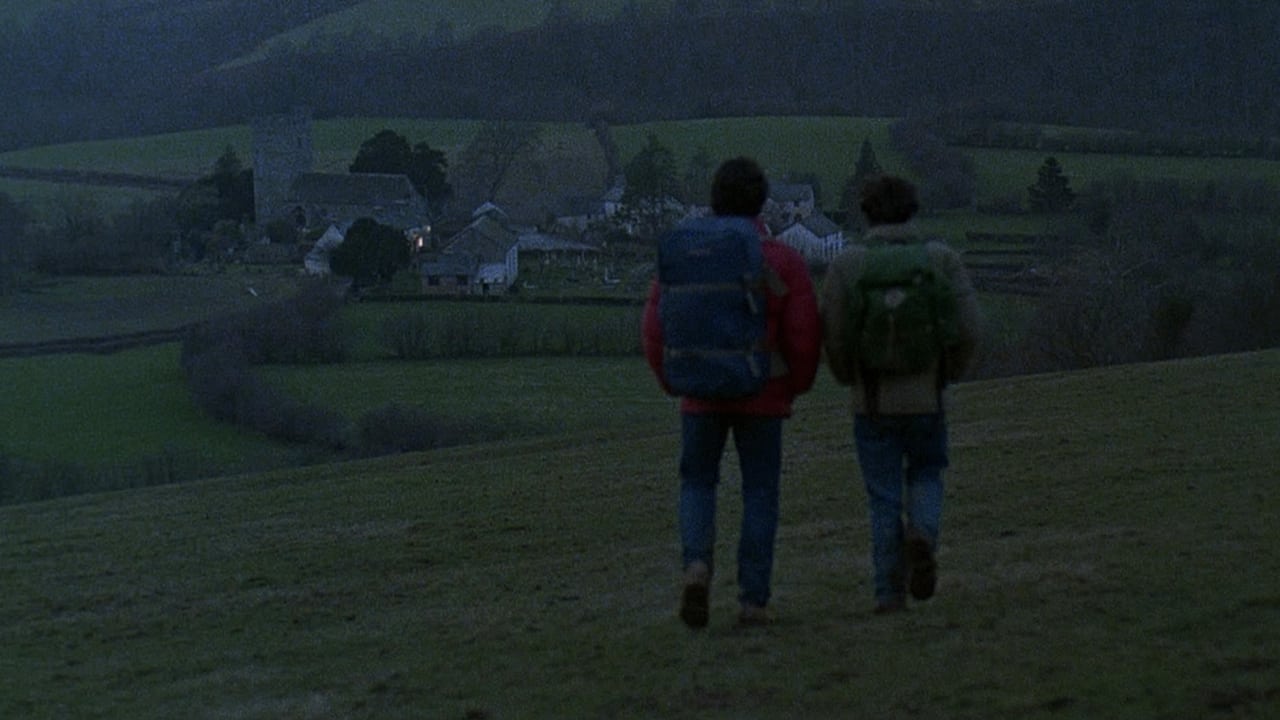
Right from the unsettling opening across the bleak, windswept Yorkshire moors, Landis sets a tone that's both isolating and oddly charming. We meet David Kessler (David Naughton) and Jack Goodman (Griffin Dunne), two American backpackers whose cheerful banter feels instantly relatable, making the sudden, brutal violence that follows all the more shocking. The attack itself is a masterclass in suggestion and frantic editing, leaving you breathless before you even fully grasp what’s happened. Forget slow burns; Landis throws you headfirst into the nightmare. It's a jarring start that perfectly establishes the film's audacious tightrope walk between genres. Remember how that pub, The Slaughtered Lamb, felt both menacing and darkly comical? That unease permeates the entire film.
### The Beast Within (and Rick Baker's Genius)
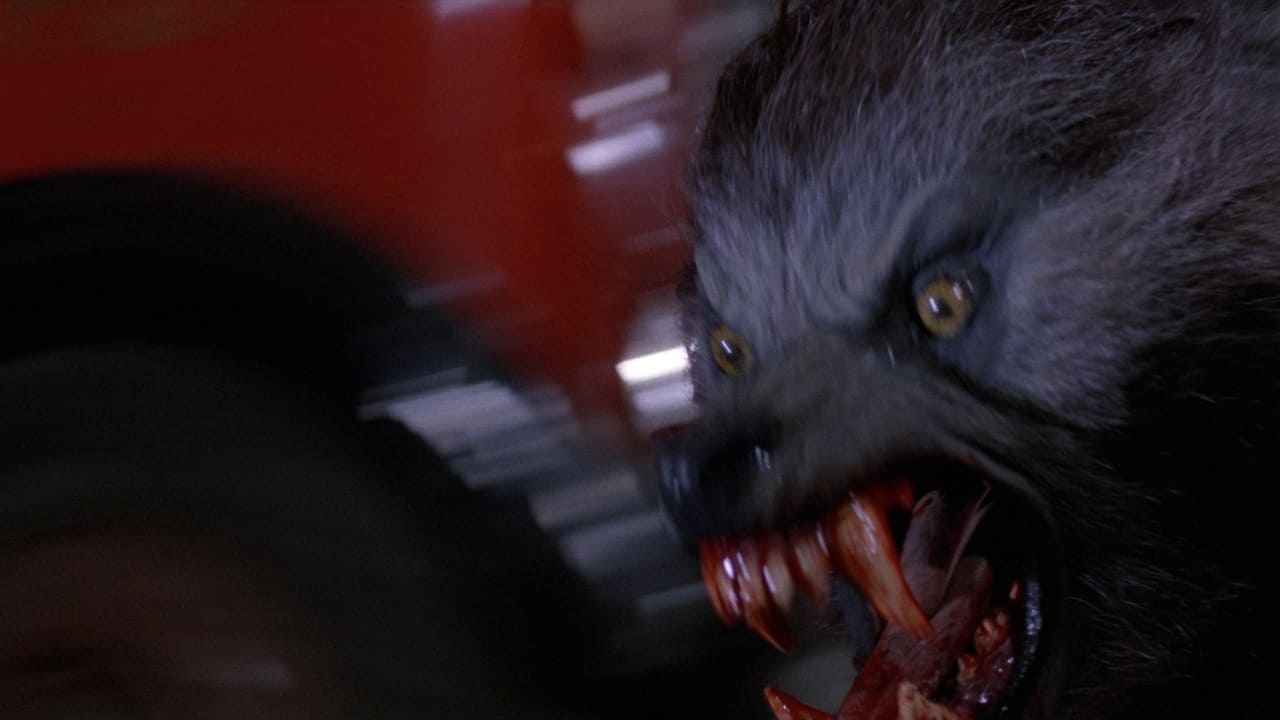
Let's be honest, for many of us who first slapped this tape into the VCR, perhaps staying up way past our bedtime, the moment was the transformation sequence. And forty-plus years later? It still holds up. This wasn't stop-motion, it wasn't quick cuts in the dark – this was Rick Baker's revolutionary, Academy Award-winning practical makeup effects unfolding in agonizing, brightly lit detail. Seeing bones crack and elongate, skin stretch, hair sprout... it was visceral, painful, and utterly convincing in a way that few things were back then. Baker and his team spent months developing the complex mechanics and prosthetics, reportedly filming the sequence over nearly a week. This dedication earned the film the first-ever Oscar for Outstanding Achievement in Makeup, a category practically invented for this effect. Modern CGI can do anything, sure, but does it have that same grotesque, tangible weight? That scene alone cemented American Werewolf in horror lore.
### Ghosts, Guilt, and Gallows Humor
What truly elevates the film beyond just a monster movie is its brilliant use of dark humor, primarily through the spectral appearances of Jack. As David recuperates in a London hospital under the care of the sympathetic Nurse Alex Price (Jenny Agutter, bringing a warmth that grounds the fantastical elements), Jack begins visiting him, each time in a more advanced state of decomposition. Griffin Dunne is phenomenal, delivering increasingly urgent warnings and morbidly funny observations with pieces of his flesh literally dangling off. It's a testament to Landis's script – which he actually wrote back in the late 60s after witnessing a grim burial ritual while location scouting in Yugoslavia – that these scenes land so perfectly. The dialogue is sharp, witty, and manages to convey David's growing terror and guilt alongside Jack's ghoulish predicament. The financing for the film was notoriously tricky precisely because studios couldn't wrap their heads around this horror-comedy blend; thankfully, Landis stuck to his vision.
### London's Concrete Jungle
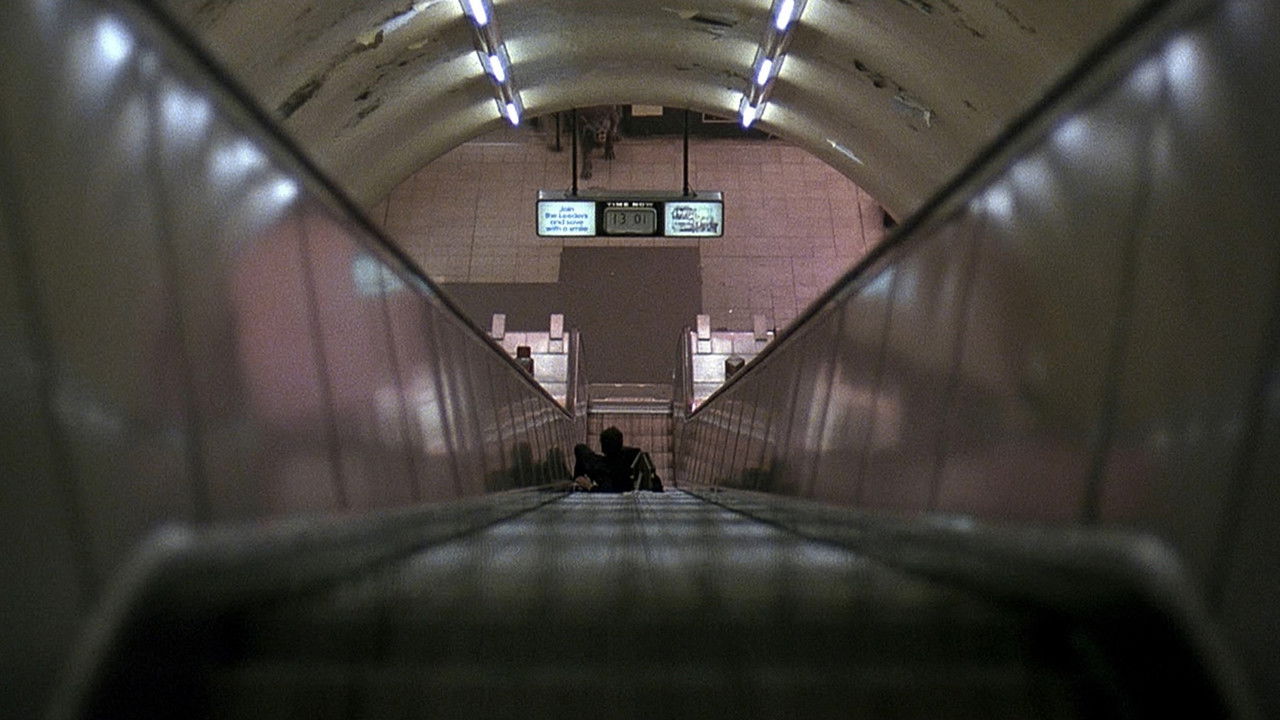
The shift to London provides a stark contrast to the moors. The horror isn't confined to the desolate countryside; it's now loose in the heart of a bustling metropolis. Landis uses familiar locations – the Tube station, Trafalgar Square, a packed adult movie theatre – to stage moments of intense suspense and sudden carnage. That unsettling dream sequence within a dream? Pure nightmare fuel that sticks with you long after the credits roll. And who could forget the film's chaotic climax in Piccadilly Circus? Getting permission to film such destruction there was a logistical nightmare itself, involving brief, early morning street closures and meticulously planned (yet incredibly dangerous-looking) stunt work, including multiple bus crashes coordinated by veteran stunt expert Alf Joint. It feels messy, frantic, and terrifyingly real – a hallmark of 80s action sensibilities before digital cleanup smoothed all the edges.
### Howls of Acclaim (Eventually)
Upon release, An American Werewolf in London wasn't universally adored by critics; some were baffled by its tonal shifts, unsure whether to laugh or scream. Audiences, however, particularly on home video, embraced its unique energy, turning it into a bona fide cult classic. Its influence on the horror-comedy subgenre is undeniable, paving the way for films that dared to mix scares with satire. The soundtrack, packed with cleverly chosen moon-themed songs like Creedence Clearwater Revival's "Bad Moon Rising," also became iconic, perfectly complementing the on-screen madness.
Rating: 9/10
This score feels absolutely earned. An American Werewolf in London remains a high-water mark for practical effects, delivering a transformation sequence that still impresses and disturbs. Its audacious blend of genuine horror and sharp, dark comedy was groundbreaking for its time and still feels fresh. Add strong performances, memorable set pieces, and John Landis's confident direction (showcasing skills honed on comedies but perfectly adapted to horror), and you have an undeniable classic of the VHS era. The pacing is brisk, the scares are effective, and the humor lands brilliantly. It's simply essential viewing.
Final Thought: This tape wasn't just a rental; it was a rite of passage. It’s a gloriously gory reminder that sometimes, the most terrifying nightmares are the ones you can't help but laugh at, even as you're checking the locks. Still bites, after all these years.