Okay, settle in, maybe crack open a beverage of choice. Let's talk about that feeling after the first Rocky faded to black. You remember, right? That split decision, the battered faces, Adrian's triumphant cry of "Rocky!" merging with the roar of the crowd. It was perfect... yet somehow incomplete. There was this quiet hum beneath the exhilaration, a sense that the story wasn't quite over. Rocky II, arriving just three years later in 1979, wasn't just a sequel; it felt like a necessary exhale, the answering of a question that hung heavy in the Philadelphia air.
### After the Bell, Before the Glory
What happens when the underdog almost makes it? Rocky II plunges us right back into that reality. Sylvester Stallone, pulling triple duty now as writer, director, and star, doesn't shy away from the awkward aftermath. Suddenly, Rocky Balboa is a local hero, but fame is an ill-fitting suit. We see him fumble through commercials (that heartbreakingly bad "Tiger" ad!), struggle with reading, and try desperately to build a normal life with his winnings. It’s a surprisingly vulnerable portrayal. This isn't just about getting back in the ring; it's about navigating the disorienting space between near-triumph and the mundane reality of needing a job. Stallone, taking the directorial reins from John G. Avildsen (who helmed the original masterpiece), leans into this discomfort. Interestingly, Avildsen was originally slated to direct but ended up working on Saturday Night Fever (1977) pre-production instead, paving the way for Stallone to step behind the camera for the first time in the series he created. It feels fitting, somehow, that the man who is Rocky guided this particular chapter.
### The Heart of the Matter: Adrian's Stand
While the inevitable rematch with Apollo Creed (Carl Weathers, radiating that perfect blend of charisma and arrogance) looms large, the real emotional anchor of Rocky II is Adrian. Talia Shire delivers a performance of quiet, profound strength. Her fear for Rocky is palpable, a tangible weight in every scene they share. She represents the grounded reality, the life they could have outside the brutal ballet of boxing. Her initial refusal to support Rocky's return to the ring isn't nagging; it's born of genuine love and terror. The scenes where Rocky tries to balance his destiny with Adrian's well-being, especially during her difficult pregnancy and subsequent coma, are arguably the film's most powerful. When she finally whispers, "There's one thing I want you to do for me... Win," it’s not just permission; it’s the unleashing of the film’s – and Rocky’s – spirit. And let's not forget Burt Young as Paulie, adding that essential layer of flawed, frustrating, but fiercely loyal family grit.
### Stallone's Eye: Directing the Dream
How does Stallone the director differ from Avildsen? Rocky II perhaps feels slightly less raw, a little more polished than the gritty original. But Stallone brings an undeniable intimacy to the character moments. He understands Rocky from the inside out, and it shows. He lingers on the small interactions, the quiet doubts, the burgeoning responsibilities of fatherhood. The pressure on Stallone must have been immense – following up an Oscar-winning phenomenon, directing himself in such a physically and emotionally demanding role. Yet, he manages to craft a sequel that feels both organic and deeply personal. He doesn't just replicate the formula; he deepens the emotional stakes.
### Gonna Fly Now (Again, But Different)
Ah, the training montage. It’s a cornerstone of the Rocky saga, and Rocky II delivers one for the ages. Bill Conti's legendary score swells, and we see Rocky, initially struggling, find his fire again. But this time, it feels different. The iconic run through Philadelphia culminates not just with Rocky reaching the top of the Art Museum steps, but with a throng of children joyously running alongside him. It’s pure movie magic. Reportedly, the sight of Stallone filming drew such crowds of kids that they were incorporated spontaneously into the scene, creating an image of community support that elevates the montage beyond mere physical preparation. It’s Rocky carrying the hopes of his neighborhood, literally, on his heels.
### The Rematch: More Than Just a Fight
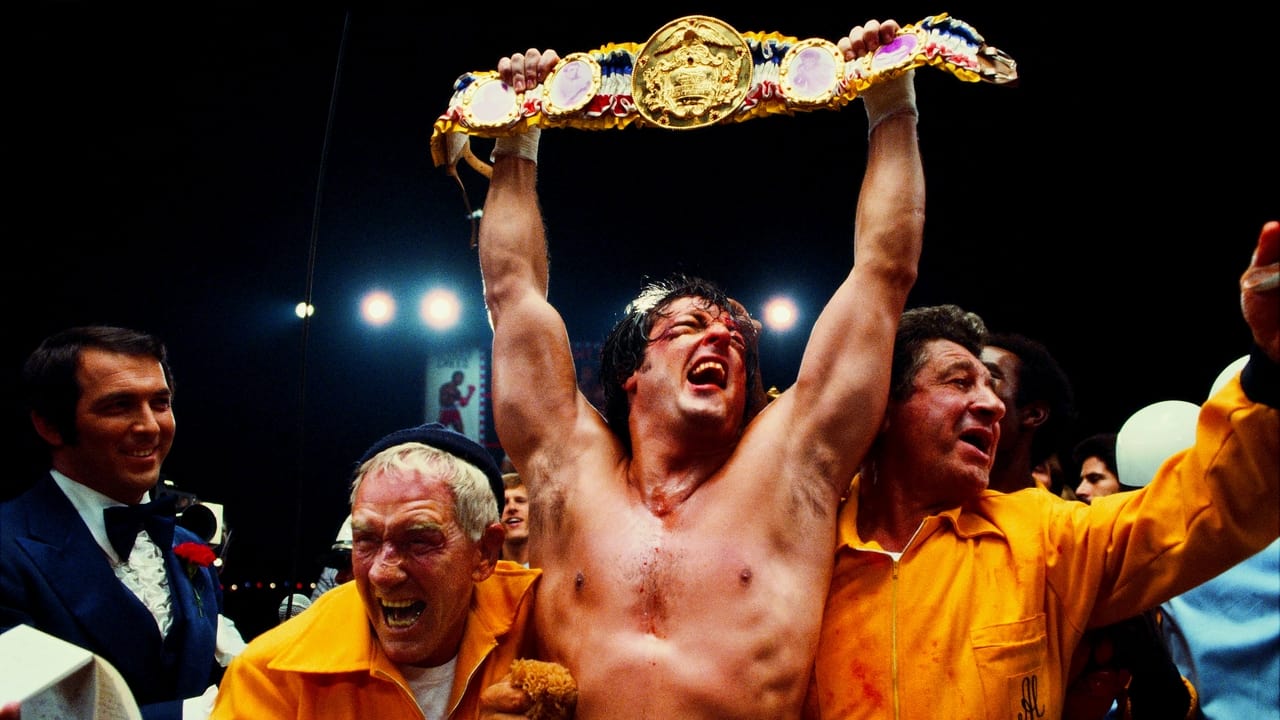
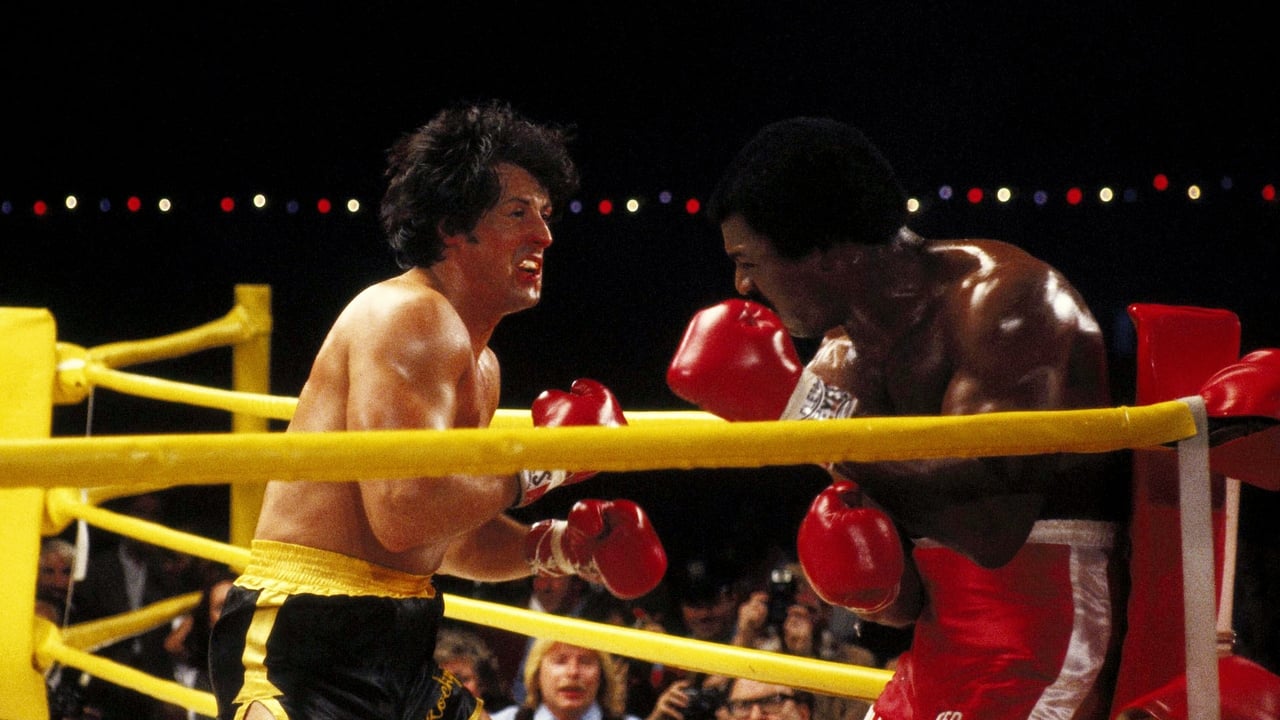
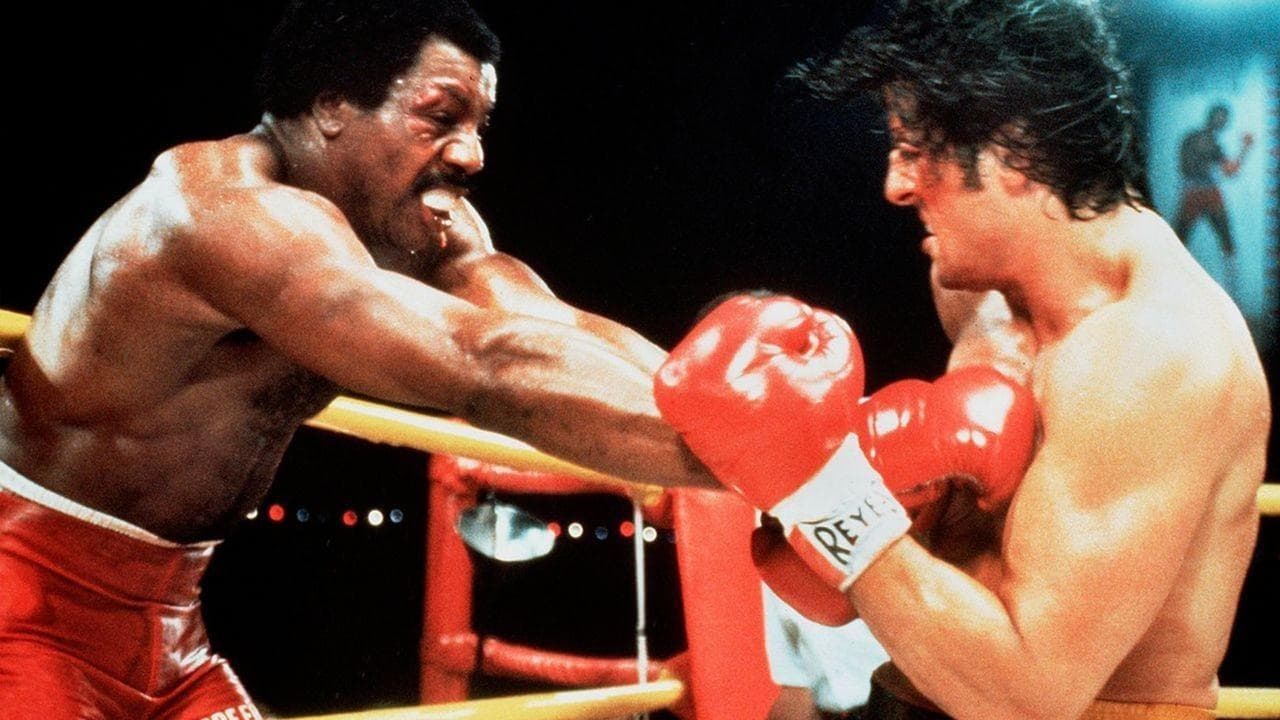
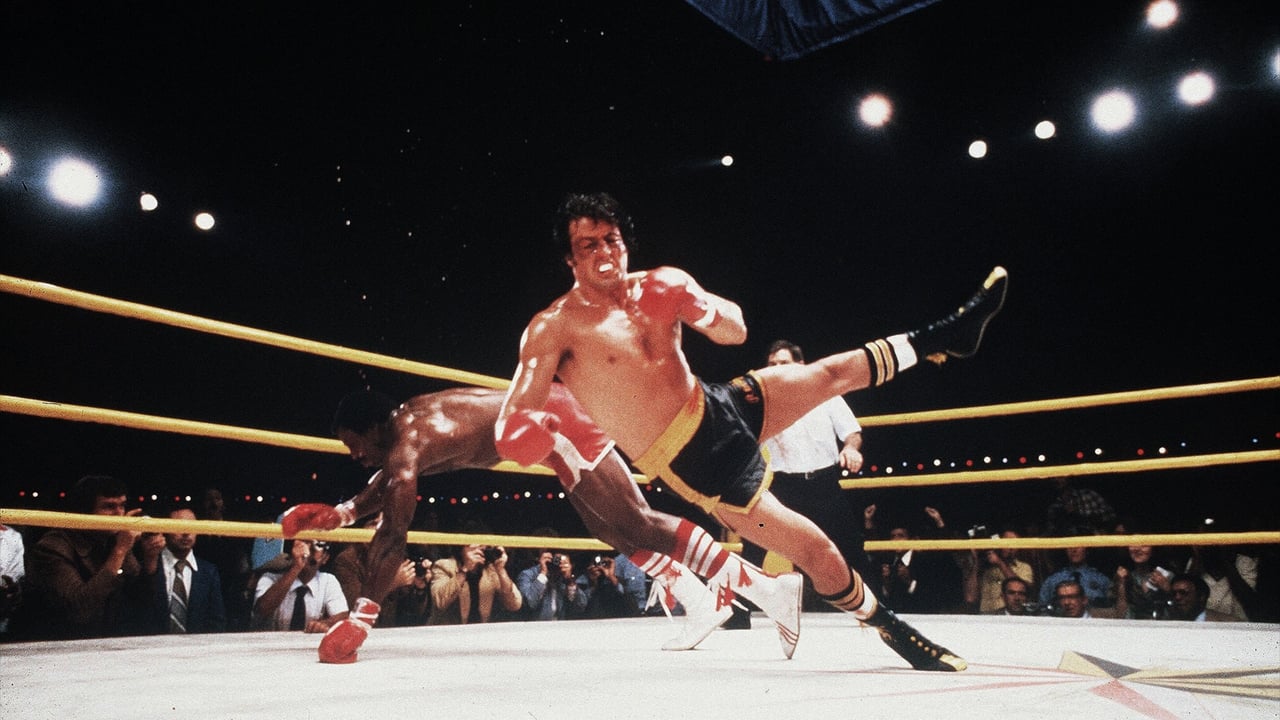
The final confrontation with Apollo is everything a sequel's climax should be: bigger, more brutal, with even higher stakes. It’s not just about pride or going the distance anymore; it’s about providing for his family, fulfilling Adrian’s wish, and silencing his own doubts. The choreography feels heavier, more punishing than the first fight. You feel every blow. Stallone, committed as ever, apparently pushed himself so hard during filming he required numerous stitches and sustained injuries mirroring his character's onscreen punishment – a testament to the physical toll these roles took. And that ending? The simultaneous knockdown, the agonizing crawl back to their feet, Rocky just barely beating the count... it's pure cinematic adrenaline, a perfectly cathartic release after the emotional journey. The audience certainly agreed; made for a reported $7 million, Rocky II pulled in around $200 million worldwide, cementing the franchise's blockbuster status.
### The Necessary Second Chapter
Rocky II might not possess the lightning-in-a-bottle magic of the original, that sense of raw discovery. How could it? But it succeeds brilliantly on its own terms. It’s a deeply felt exploration of what comes after the dream seems within reach, the burdens of responsibility, and the enduring power of love and perseverance. It gives us the resolution we craved after the first film’s ambiguity, deepening our connection to these characters and setting the stage for the increasingly operatic sequels to come (Rocky III would arrive just three years later). It proved Rocky Balboa wasn't a one-hit wonder, either on screen or as a cultural force.
Rating: 8/10
This rating reflects Rocky II's success as a truly worthy sequel. While lacking the groundbreaking impact of the first film, it deepens the characters, delivers powerful emotional beats, features iconic moments (that run!), and culminates in an incredibly satisfying climax. It avoids simply repeating the formula by exploring the consequences and responsibilities that follow Rocky's initial brush with fame. It’s essential viewing for understanding the full arc of the Italian Stallion.
What lingers most after watching Rocky II again isn't just the thrill of victory, but the quiet power of Adrian's love and Rocky's struggle to reconcile the fighter with the man. It reminds us that sometimes, the toughest battles are fought outside the ring.