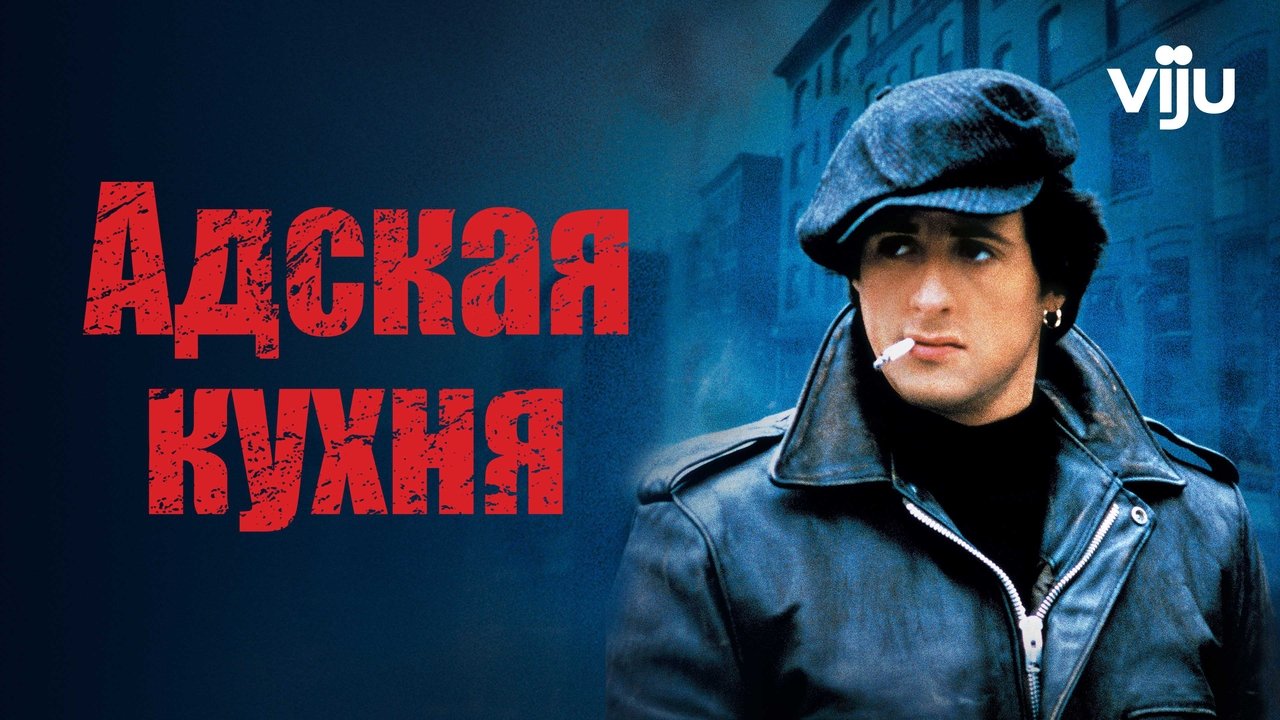
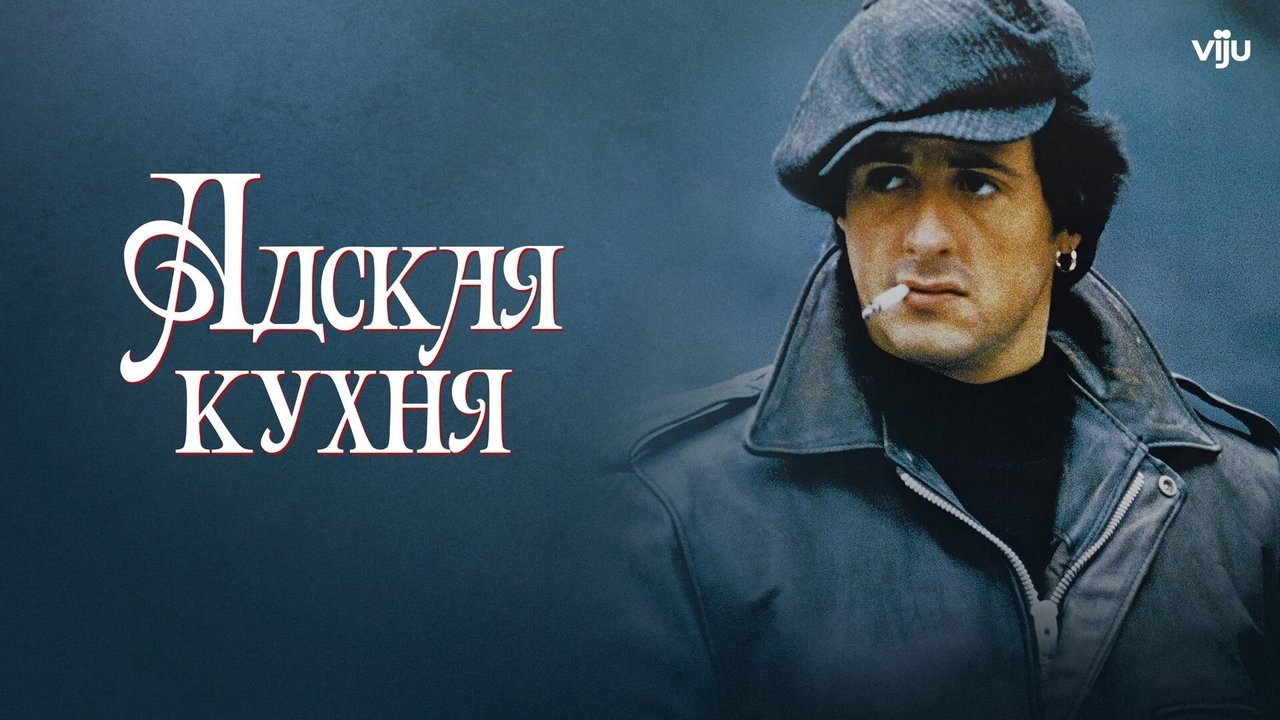
It’s strange what sticks with you from the video store days. Sometimes it wasn't the gleaming blockbuster box art that caught your eye, but the slightly worn cover promising something different, something maybe overlooked. For me, nestled somewhere between the Rocky sequels and the burgeoning action hero shelf, was Paradise Alley. The cover promised Stallone, sure, but in a fedora, looking less like a fighter and more like a hustler against a backdrop that felt older, grittier. What awaited inside that tape was something far more peculiar and personal than I expected – a messy, ambitious, deeply felt swing for the fences from a star grappling with newfound mega-fame.
### Echoes from Hell's Kitchen
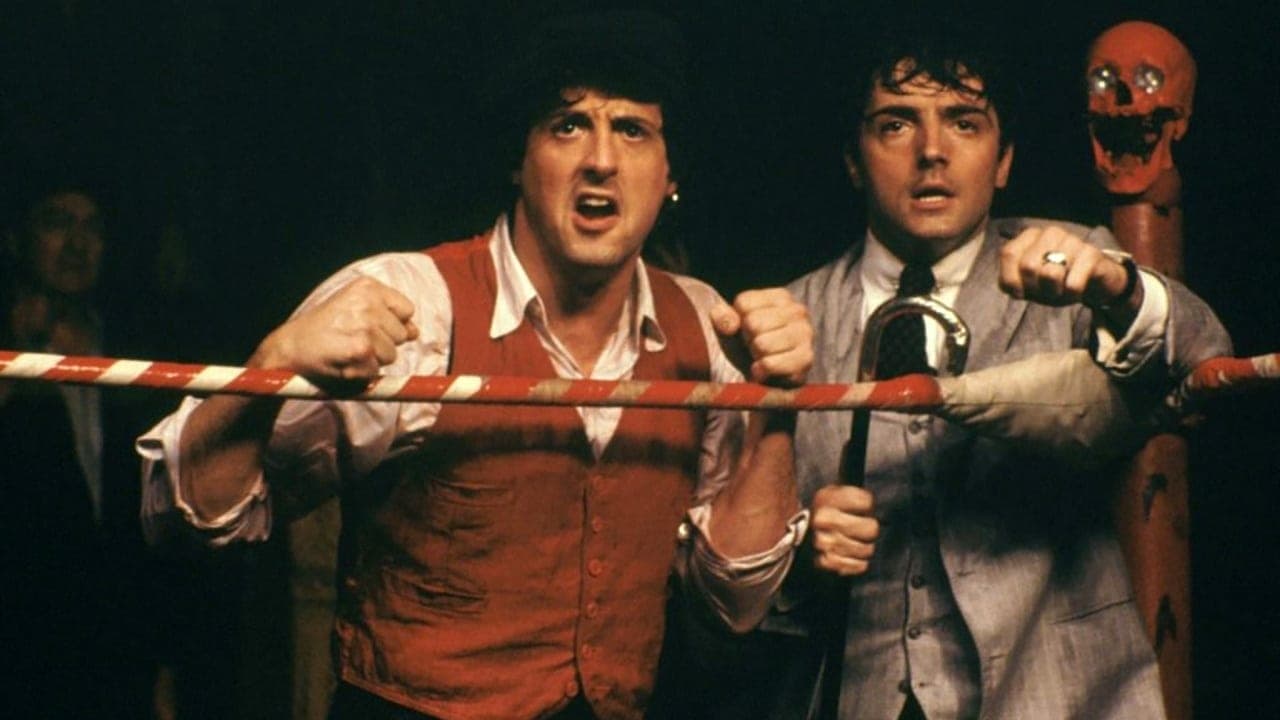
Set in the teeming, grimy streets of Hell's Kitchen in 1946, Paradise Alley plunges us into the lives of the Carboni brothers, each dreaming of escaping their dead-end existence. There's Cosmo (Sylvester Stallone), the fast-talking schemer, always looking for the next angle, the big score. Then there’s Lenny (Armand Assante), the wounded veteran, cynical and pragmatic, running the family undertaking business with a quiet bitterness. And finally, Victor (Lee Canalito), the gentle giant, strong as an ox but slow on the uptake, working a thankless job delivering ice. Cosmo hatches a plan: turn Victor into a wrestling sensation, "Kid Salami," at the local Paradise Alley club, hoping his brawn can pave their way to riches.
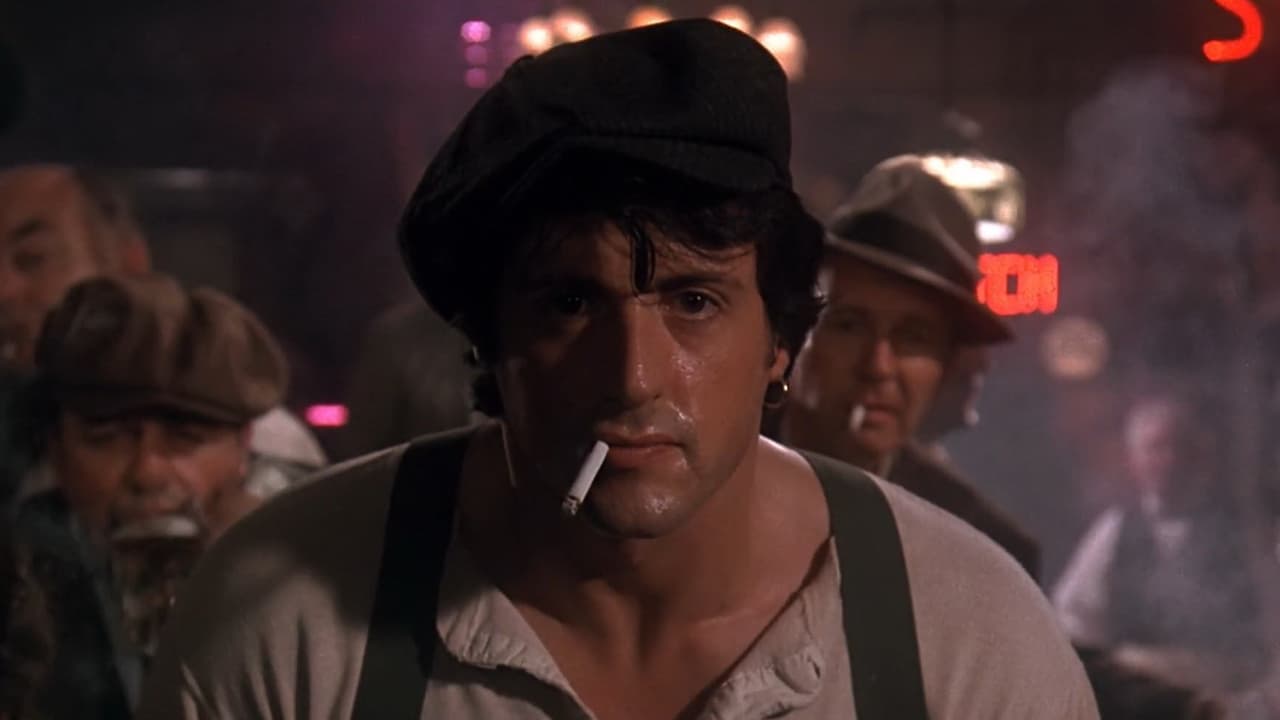
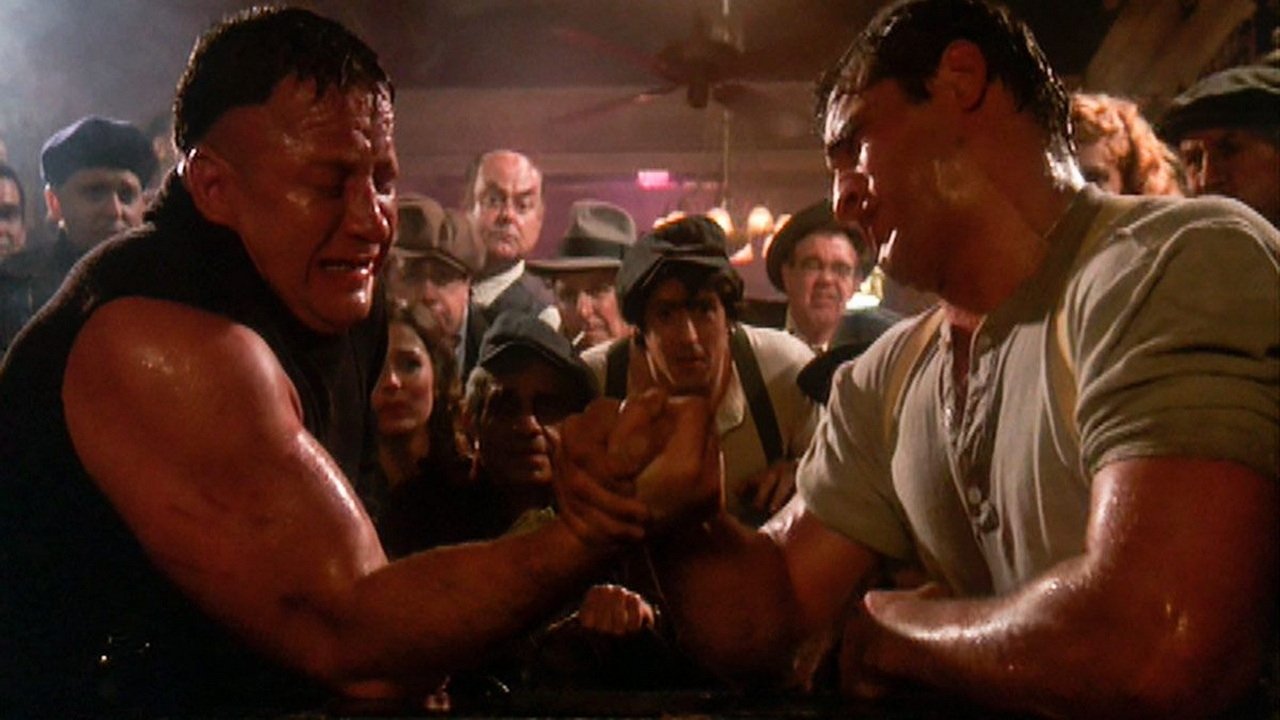
Right away, the film distinguishes itself from Rocky, the cinematic sibling it inevitably stands beside. Where Rocky found uplift in hopeful struggle, Paradise Alley wallows in the desperation. Stallone, pulling triple duty as writer, director (his debut!), and star, paints a picture of post-war New York that feels lived-in, sweat-stained, and thick with the fug of cheap beer and disappointment. You can almost smell the coal smoke and damp concrete. The atmosphere is dense, sometimes bordering on oppressive, a far cry from the rousing training montages of Philadelphia.
### The Brothers Carboni: A Study in Contrast
The heart of the film, sometimes lost amidst the street hustles and wrestling bouts, is the dynamic between the three brothers. Stallone plays Cosmo with a manic energy, a character brimming with ideas both brilliant and harebrained. It’s a performance full of swagger and vulnerability, a man terrified of being trapped but maybe not quite equipped for the escape he craves. It’s fascinating to see Stallone channeling a different kind of streetwise energy than Balboa, more overtly conniving, less inherently noble.
Counterbalancing him perfectly is Armand Assante as Lenny. Even then, Assante had that smoldering intensity, a coiled tension that suggested deep wounds beneath the surface. His Lenny is the pragmatist soured by war, the one who sees the folly in Cosmo’s dreams but gets dragged along anyway. The friction and affection between Stallone and Assante feels authentic, the complex push-pull of sibling relationships.
And then there's Lee Canalito as Victor. Stallone famously discovered Canalito, a non-actor working security, struck by his imposing physique. Casting him was a gamble, and while Victor isn't the most verbose character, Canalito brings a genuine sweetness and physicality to the role. He embodies the raw material the brothers hope to mold, the innocent caught in their ambitions. Does his lack of acting experience show at times? Perhaps, but his presence feels right for the part – a naive force of nature.
### A Director Finding His Feet
As a directorial debut, Paradise Alley is undeniably ambitious. Stallone aims for a specific period feel, evoking old Warner Bros. gangster pictures and character-driven dramas. You see flashes of real style – the smoky interiors of the Paradise Alley club, the bustling street scenes, the almost operatic confrontations. However, the pacing can feel uneven, and the tone sometimes wobbles between gritty drama, broad comedy, and sentimental melodrama. It feels like Stallone threw everything he had at the screen, passionate but perhaps not yet fully in command of his craft.
One can’t talk about Paradise Alley without mentioning the behind-the-scenes story. Stallone had actually written the novel before Rocky hit big, always seeing it as a film. He stepped in to direct after Norman Jewison (Moonstruck) departed the project. This personal connection likely explains the film’s raw, heartfelt quality, but also maybe some of its indulgences. Rumors persisted for years about a longer, darker original cut, with Universal Studios apparently pushing for changes to make it less bleak after Rocky’s success. The version we got, which reportedly cost around $6 million and made a modest $7.6 million (a far cry from Rocky's haul), feels like a compromise, caught between Stallone’s grittier vision and studio demands. It even features Stallone himself singing the slightly melancholic title theme tune – a choice that certainly adds to the film’s unique, personal flavour. Keep an eye out too for a young Tom Waits crooning at the piano as 'Mumbles'.
### Wrestling with Themes
Beneath the surface-level plot of wrestling promotion, the film grapples with familiar Stallone themes: brotherhood, the desire for respect, finding a way out of suffocating circumstances. But here, the American Dream feels more tarnished, the path to success paved with exploitation and moral compromise. Cosmo isn't just managing his brother; he's using him. Lenny isn't just protecting him; he's enabling a potentially dangerous path. It asks uncomfortable questions about how far we’d push family for a shot at a better life. Does achieving the dream justify the means, especially when the 'dream' involves your own flesh and blood taking brutal punishment?
The wrestling itself is portrayed less as sport and more as rough-and-tumble spectacle, fitting the smoky, low-rent atmosphere of the Paradise Alley club. It’s stylized, sometimes chaotic, reflecting the messy lives of the characters involved rather than aiming for pure athletic realism.
### Finding the Diamond in the Rough
Watching Paradise Alley today, especially if you first encountered it on a grainy VHS tape rented on a whim, feels like unearthing a curious time capsule. It’s undeniably flawed – overlong, tonally inconsistent, sometimes heavy-handed. Yet, it possesses a strange, melancholic charm. There's an earnestness to its ambition, a sincerity in its depiction of flawed characters striving for something more, that’s hard to dismiss. It doesn't have the clean triumph of Rocky, but maybe that's the point. It's a story about the hustlers and the heartbroken just trying to survive in the shadows of a glittering city. My own well-worn tape felt like discovering a secret chapter in Stallone's story, one filled with more angst and ambiguity than his iconic roles often allowed.
Rating: 6/10
Justification: While hampered by an uneven script and pacing issues inherent in a first-time directorial effort wrestling with big themes, Paradise Alley scores points for its palpable atmosphere, committed performances (especially from Stallone and Assante), and undeniable heart. It’s overstuffed and messy, but its ambition and raw emotion make it a fascinating, if imperfect, piece of 70s filmmaking that feels distinctly Stallone.
Final Thought: Paradise Alley may not be Stallone's slickest or most celebrated work, but it remains a compellingly personal and atmospheric detour, a reminder that even icons have fascinating, rough-edged early chapters worth exploring. What lingers is the bittersweet taste of dreams deferred and brothers bound together in the grimy alleys of hope and desperation.