Okay, settle in, rewind your memories, and adjust the tracking. Forget the slow-motion doves and impeccably tailored suits for a moment. Before John Woo redefined Hong Kong action cinema with A Better Tomorrow (1986) and became a global icon, there was a rawer, nastier beast lurking in the jungles – 1984's Heroes Shed No Tears (though you might have found it lurking on shelves later under titles like Sunset Warriors). Finding this on a murky VHS tape back in the day felt like uncovering something dangerous, something studios maybe didn't want you to see. And honestly? They kind of didn't.
### Jungle Heat and Gunpowder Sweat
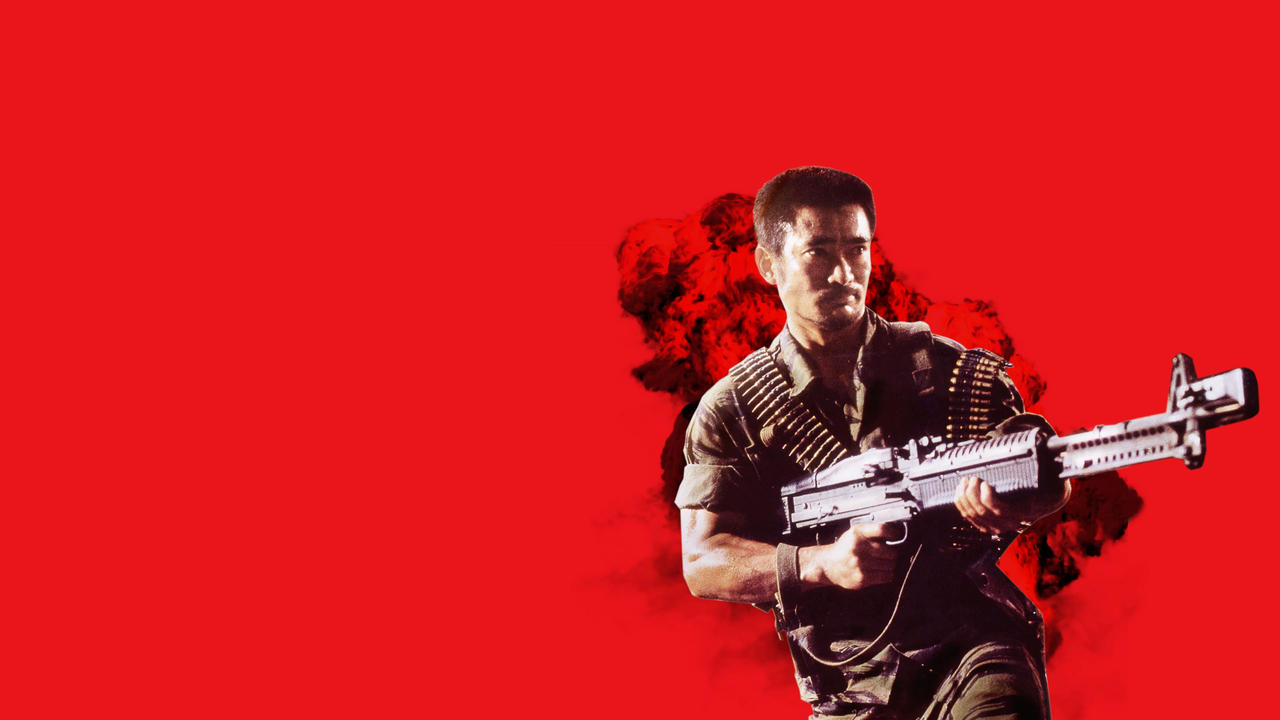
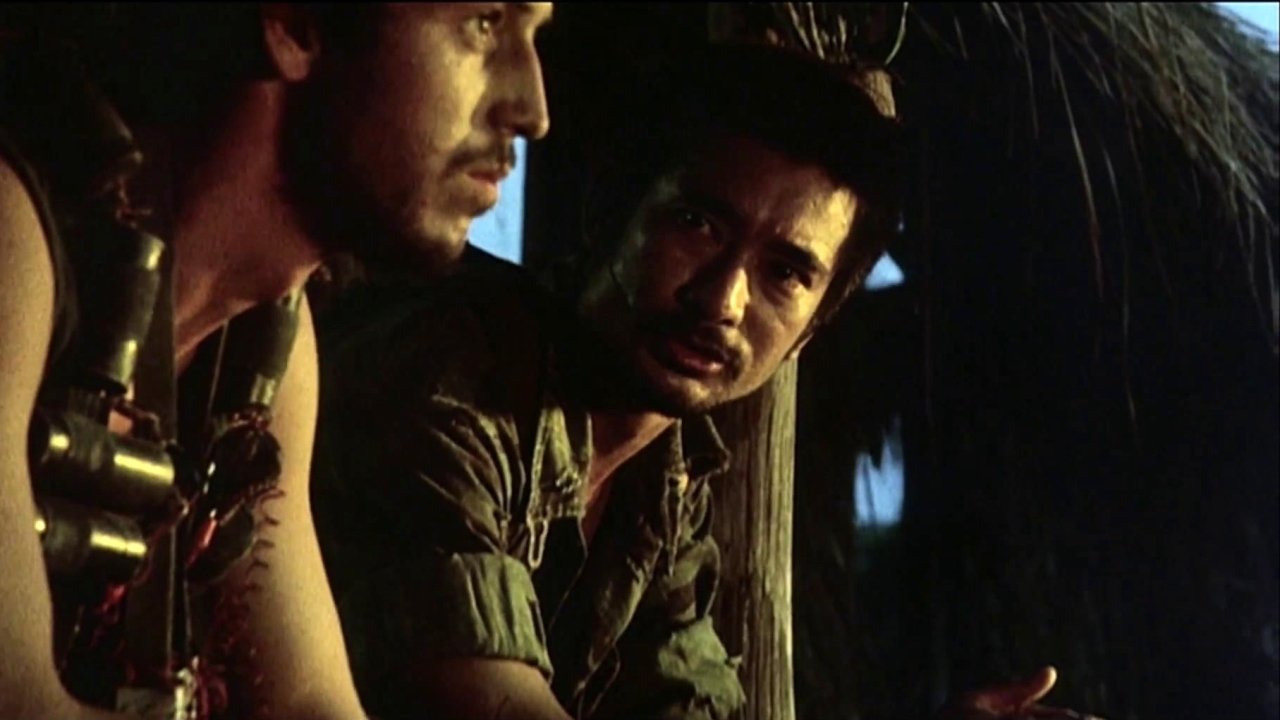
This isn't the hyper-stylized heroic bloodshed Woo would perfect; this is grit, sweat, and survival. The plot is pure pulp: a band of Chinese mercenaries led by the stoic Chan Chung (Eddy Ko, radiating weary toughness) is hired by the Thai government to infiltrate the Golden Triangle, capture a powerful drug lord, and get out alive. Naturally, things go spectacularly wrong, leaving them hunted by both the drug lord's sadistic forces (led by a truly memorable, eye-patched Vietnamese Colonel played by Lam Ching-ying) and double-crossing officials. Stranded deep in hostile territory with Chan Chung's family in tow, it becomes less a mission and more a desperate scramble for survival.
The atmosphere is thick with humidity and dread. Filmed primarily on location in Thailand, you can almost feel the oppressive heat and the prickle of unseen eyes watching from the dense foliage. This isn't a glossy postcard; it's a suffocating, dangerous place where death lurks behind every tree. Woo, even this early, shows a knack for staging action within this environment, using the terrain to create pockets of intense, claustrophobic violence.
### The Raw Power of Practical Mayhem
Let's talk action, because Heroes Shed No Tears delivers it by the blood-soaked bucketload. Remember how real those bullet hits looked back then? This film is a masterclass in squib work – impacts feel viciously physical, tearing through flesh and scenery with brutal abandon. The explosions aren't neat CGI puffs; they're concussive blasts of fire and debris that feel genuinely hazardous. You watch the stunt performers throwing themselves through huts, diving from real explosions, engaging in frantic, close-quarters firefights, and you know these guys were putting their bodies on the line. There's a raw, unpolished energy here that modern, smoother digital effects often struggle to replicate. Wasn't there something undeniably thrilling about knowing that fireball was real fire?
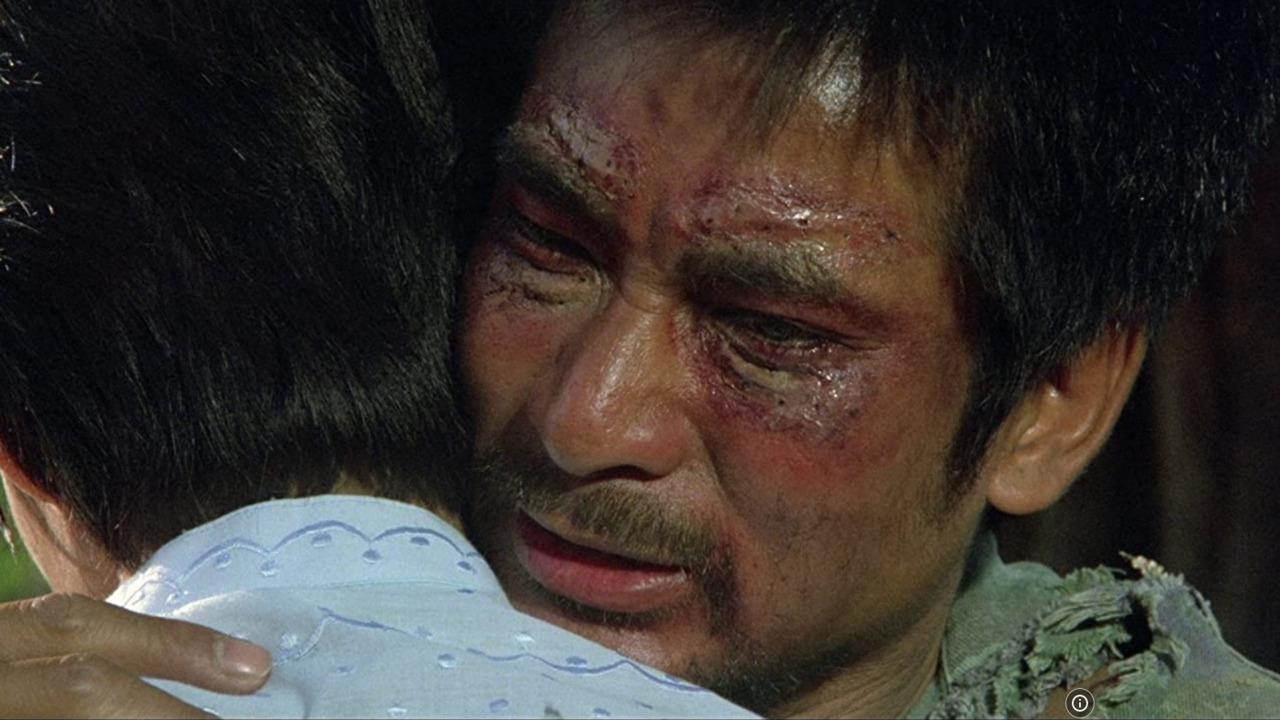
One particular sequence involving a booby-trapped village is a standout, showcasing Woo's early talent for orchestrating chaos. It’s messy, frantic, and shockingly violent, even by today's standards. The film doesn't shy away from the horrific consequences of this jungle war, particularly the impact on Chan Chung's family, including his young son. It lends a desperate, sometimes uncomfortable edge to the relentless action.
### A Troubled Past, A Cult Following
Here’s where the "VHS Heaven" backstory gets juicy. Heroes Shed No Tears was actually shot around 1984 under the Golden Harvest banner, but the studio reportedly disliked the finished product, deeming it too violent and grim. It sat on the shelf, unreleased. Then, John Woo exploded onto the scene with the massive critical and commercial success of A Better Tomorrow in 1986. Suddenly, Golden Harvest had an earlier, unseen John Woo action film in their vaults. Sensing an opportunity, they dusted it off, sometimes retitled it, and finally released it to capitalize on Woo's newfound fame.
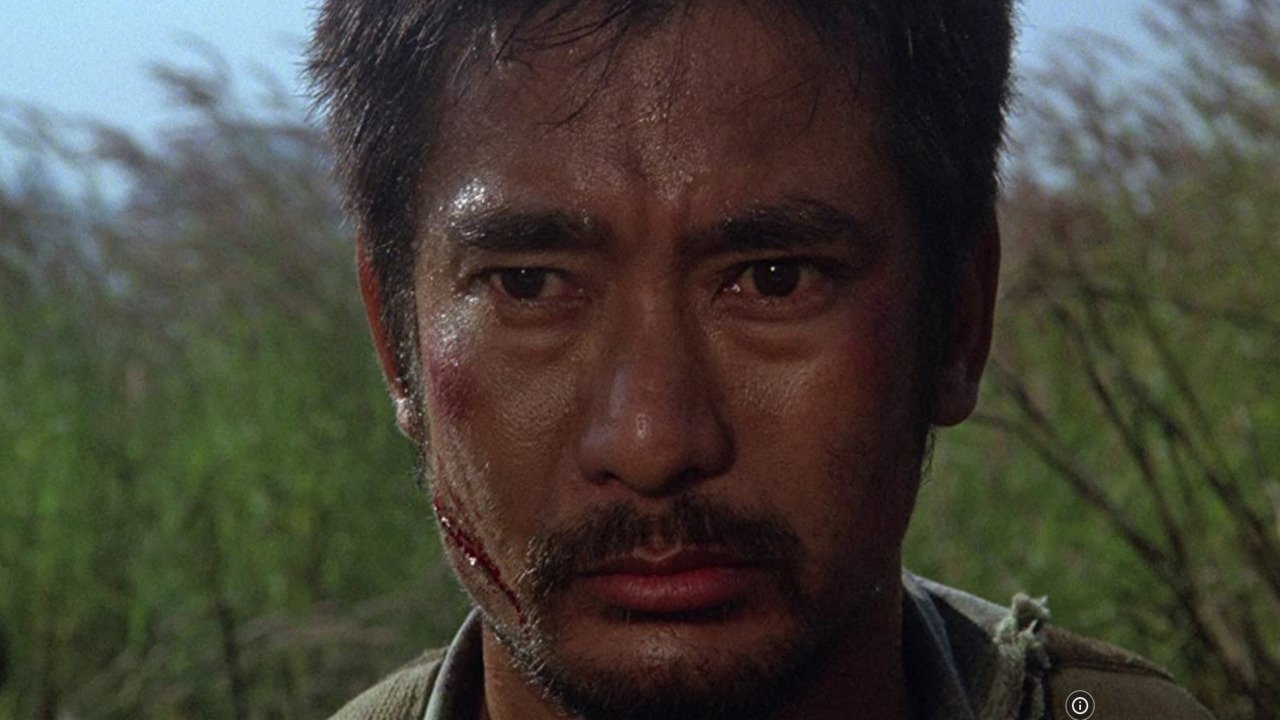
John Woo himself has often expressed dissatisfaction with the film, sometimes citing studio interference or feeling it didn't fully represent his vision. It lacks the poetic flourishes and deep character bonds of his later masterpieces, feeling more like a hard-edged mercenary exploitation flick. Yet, watching it now, you can see the seeds of his later style: the themes of loyalty and betrayal under fire, the intense focus on gunplay, and a willingness to push the boundaries of on-screen violence. Eddy Ko is fantastic as the weary lead, a precursor to the iconic Chow Yun-fat roles, embodying duty and barely contained desperation. And seeing Lam Ching-ying, forever beloved as the stoic Taoist priest in Mr. Vampire (1985), chewing scenery as a ruthless villain is a genuine treat for fans of Hong Kong cinema.
### Legacy of a Lost Bullet
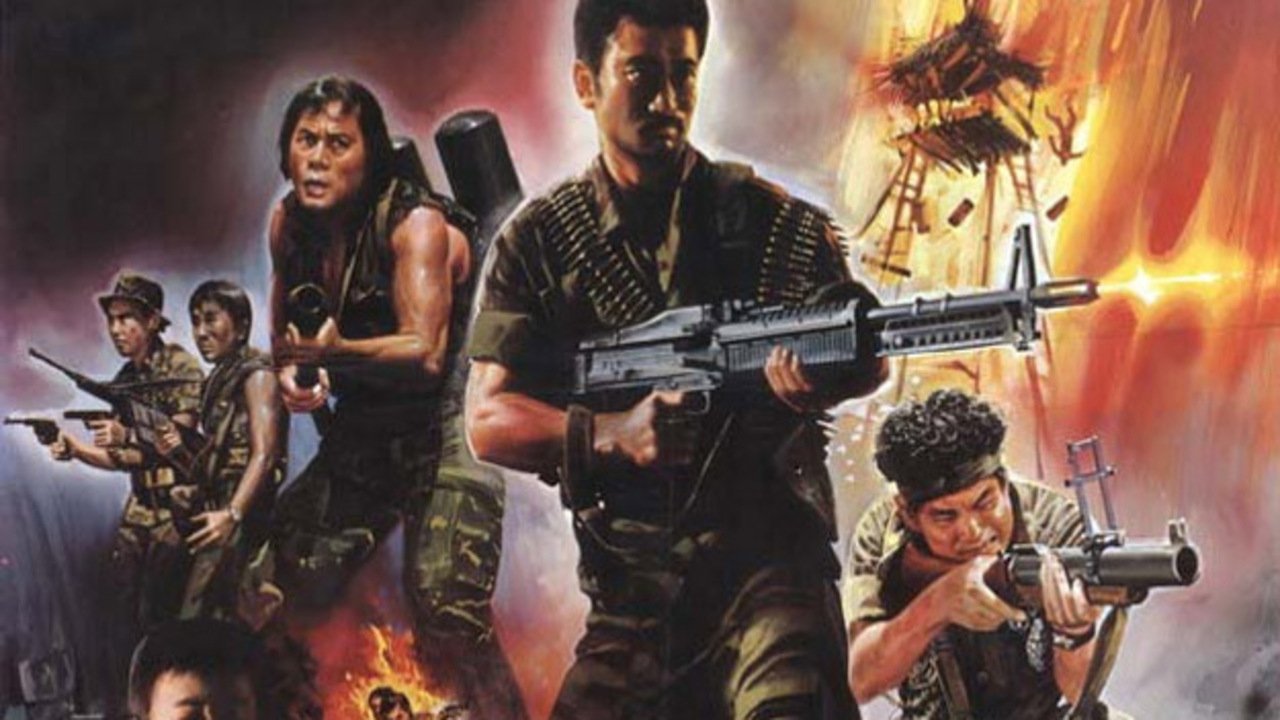
Was it a box office smash? No, it was overshadowed by Woo's bigger hits and often dismissed by critics at the time as overly brutal or derivative. But like so many films from this era, it found its audience on home video. Renting this tape, often with a lurid cover promising non-stop mayhem, delivered exactly that. It became a cult favorite among action junkies who appreciated its unrelenting pace and ferocious, practical stunt work. It stands as a fascinating, visceral snapshot of John Woo honing his craft, a bridge between his earlier comedies and martial arts films and the heroic bloodshed genre he would soon define.
Rating: 7/10
Justification: While undeniably rough around the edges and lacking the polish and emotional depth of Woo's peak work, Heroes Shed No Tears earns its score with sheer, unadulterated, practical action intensity. Eddy Ko's commanding presence, Lam Ching-ying's villainous turn, and the film's status as a crucial, if somewhat disowned, piece of John Woo's history make it essential viewing for serious action fans. The troubled production and release history only add to its cult mystique. It's brutal, it's bleak, but it's undeniably alive with the raw energy of 80s Hong Kong action filmmaking.
Final Thought: This is primal Woo – a sweaty, gunpowder-stained artifact from a time when action heroes bled real squibs and explosions felt dangerously close. Eject the slick modern stuff for a night; this grainy transmission from the Golden Triangle still packs a savage punch.