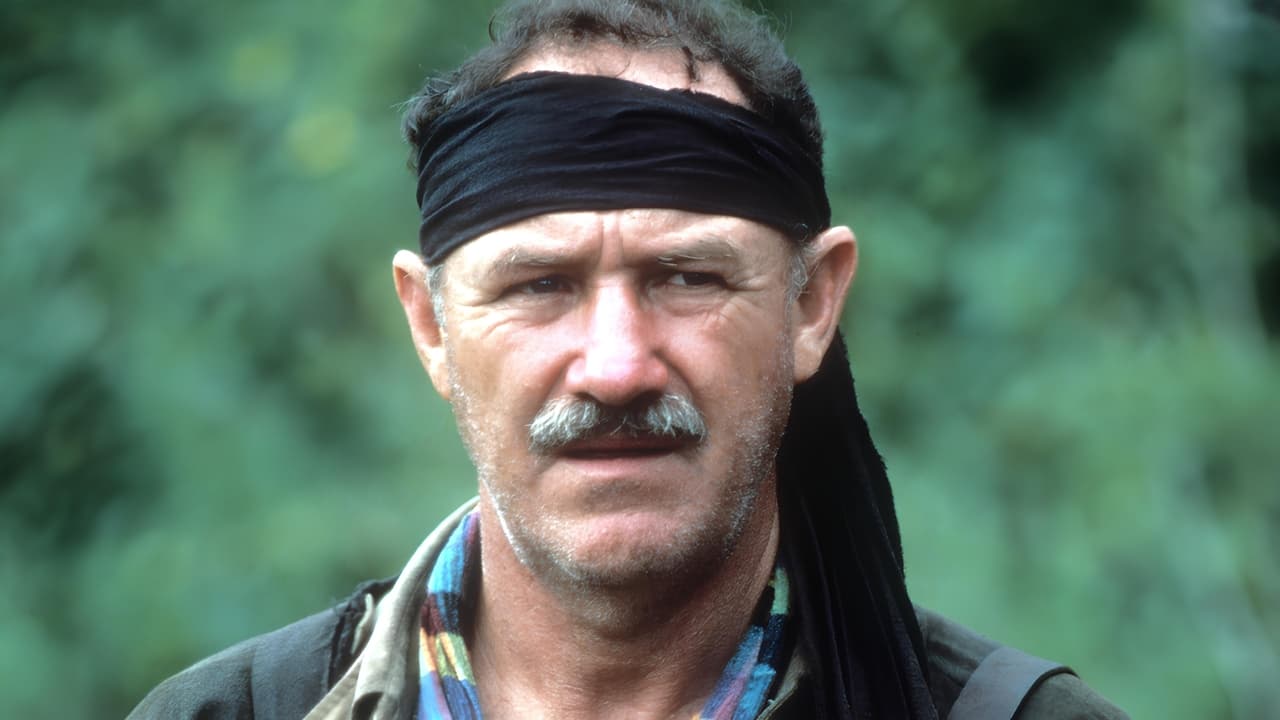
There’s a certain quiet desperation that settles over Gene Hackman’s face in Uncommon Valor, a look that transcends mere acting. It’s the hollowed-out gaze of a man clinging to a sliver of hope against crushing odds, a father convinced his son, listed as Missing In Action for a decade after Vietnam, is still alive in a Laotian prison camp. This image, more than any explosion or firefight, is what lingers long after the tape clicks off. It sets the tone for a film that, while fitting squarely into the burgeoning 80s action genre, carries an emotional weight often missing from its contemporaries.
A Mission Born of Grief
Unlike the cartoonish revenge fantasies that would follow later in the decade, Uncommon Valor (1983) feels grounded in a palpable sense of loss and unresolved trauma. Colonel Cal Rhodes (Hackman) isn't seeking glory; he's chasing a ghost, fueled by fragmented intelligence and a father's refusal to give up. When official channels offer only condolences and bureaucratic dead ends, Rhodes takes matters into his own hands. Bankrolled by a wealthy industrialist (Robert Stack, bringing his usual stoic authority) whose own son is also MIA, Rhodes sets out to assemble a team of veterans – his son’s former comrades – for an unsanctioned, highly illegal rescue mission deep into enemy territory.
The film arrived just before the floodgates opened on the Vietnam-vet-returns-for-revenge subgenre, most notably Rambo: First Blood Part II (1985). Yet, Uncommon Valor, directed by Ted Kotcheff (who had already explored the troubled veteran psyche with First Blood in 1982), feels less like a jingoistic call to arms and more like a somber acknowledgement of unfinished business. There’s a distinct feeling that this story, reportedly inspired by whispers and rumors of real-life private rescue attempts for POWs/MIAs, tapped into a raw nerve in the American consciousness, a collective ache for those left behind.
The Weight of Experience
Gene Hackman is the undeniable anchor. He portrays Rhodes not as a superhero, but as a weary, determined leader burdened by responsibility. The lines etched on his face seem to tell their own story of sleepless nights and relentless planning. It’s a performance of contained intensity, where a slight tremor in his voice or a hardening of his eyes conveys more than pages of dialogue ever could. We see the strategist, the commander, but most profoundly, the father driven by an unwavering, perhaps irrational, love.
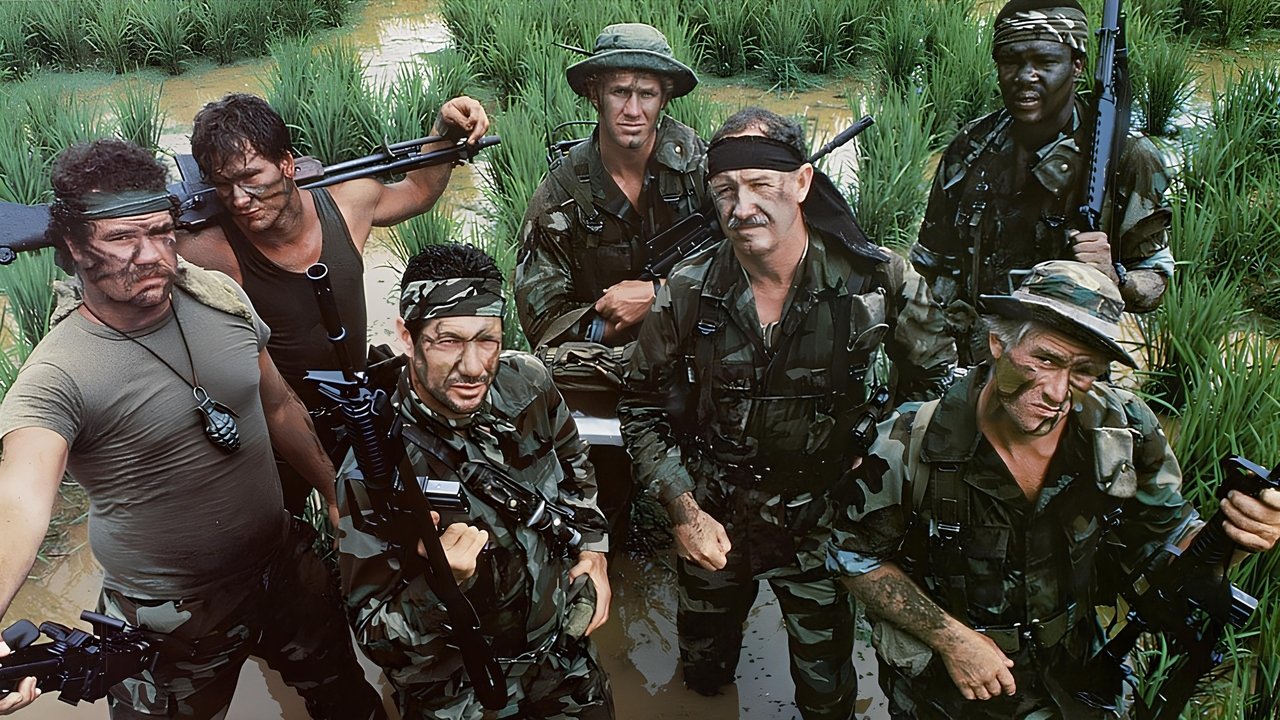
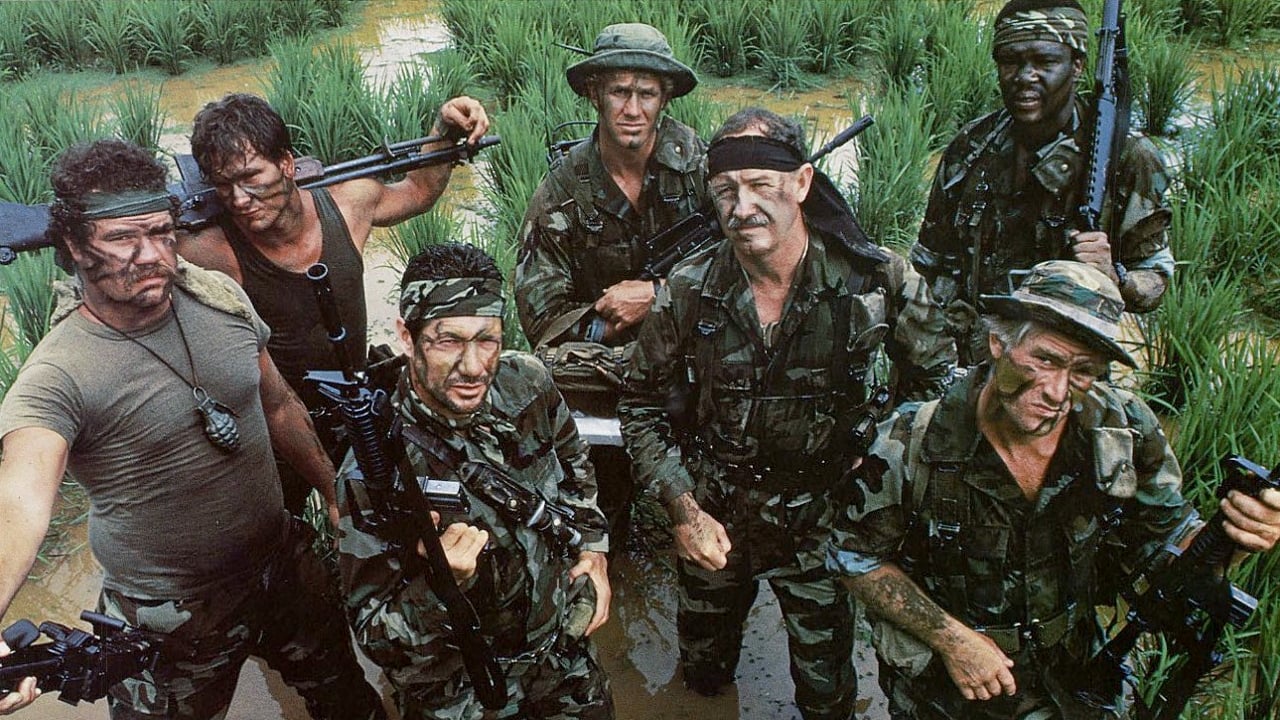
The team he assembles isn't a collection of invincible commandos, but rather men still visibly marked by their wartime experiences. We see a young Patrick Swayze as Kevin Scott, the raw recruit eager to prove himself (a role foreshadowing his later turn in Red Dawn). There's the reliable grit of Fred Ward as Wilkes, the tunnel rat, and the explosive energy (both literal and figurative) of Blaster, played by former pro-boxer Randall 'Tex' Cobb. Tim Thomerson and Reb Brown round out the core group, each bringing a distinct personality shaped by past conflict. Their interactions, the awkward reunions and shared memories, add layers to what could have easily been stock characters. Kotcheff allows moments for their camaraderie and friction to breathe, reminding us of the human cost involved.
Grit Over Glamour
What distinguishes Uncommon Valor is its relatively unvarnished approach. While certainly an action film, the focus is often on the meticulous, nerve-wracking preparation – the training sequences in a mock-up camp, the gathering of intel, the sheer logistical nightmare of Rhodes' private war. Kotcheff stages the action with a sense of chaotic realism rather than slick choreography. The jungle feels oppressive, the firefights are messy, and casualties feel impactful. This wasn't the era of CGI; the explosions and stunts relied on practical effects, lending a tangible, sometimes dangerous-feeling authenticity that defined so many VHS-era actioners. I remember watching the climactic assault back in the day, the sheer scale of the pyrotechnics feeling immense on our flickering CRT screen.
Reportedly, legendary screenwriter John Milius (co-writer of Apocalypse Now, director of Conan the Barbarian and Red Dawn) performed an uncredited rewrite on the script by Joe Gayton. One can perhaps sense his influence in the themes of brotherhood, the warrior code, and the critique of government bureaucracy unwilling to confront uncomfortable truths. The film doesn't shy away from the moral ambiguity of Rhodes' actions, even as it champions his cause. It cost around $11 million to make – a decent budget for the time – and earned a respectable $30.5 million at the box office, suggesting its themes resonated with audiences seeking catharsis or perhaps just answers. The dedication at the end to America's POW/MIAs feels utterly sincere, a reflection of the very real anxieties the film addressed.
Lingering Echoes
Does Uncommon Valor hold up? Absolutely. While some elements inevitably feel dated, the core emotional story remains potent. It explores themes of loyalty, sacrifice, the haunting legacy of war, and the lengths a parent will go to for their child. It poses uncomfortable questions about duty, remembrance, and the promises made to those who serve. Watching it again after all these years, the film feels less like a simple action movie and more like a poignant drama wrapped in combat fatigues. It’s a reminder that before the archetype became exaggerated, the figure of the returning vet in cinema often carried a profound sadness.

Rating: 8/10
This rating reflects the film's powerful central performance from Hackman, its grounded approach to action for its time, and its genuinely moving exploration of the MIA issue. It avoids the excesses that would later define the genre, focusing instead on the human cost and emotional weight of its premise. The supporting cast is strong, and Kotcheff directs with a steady, unflashy hand that serves the story well. It may not be the flashiest film on the VHS shelf, but its heart beats strong.
Uncommon Valor remains a compelling piece of 80s cinema, a film that uses the framework of action to explore grief, hope, and the enduring bonds forged in conflict. It’s a thoughtful, often intense journey that stays with you, asking what price loyalty demands, long after the mission is over.