Sometimes, the deepest chills don't come from monsters lurking in the shadows, but from the unsettling familiarity of a threat welcomed over the threshold. It doesn't announce itself with thunder and lightning, but with a practiced smile and an unnerving knack for fitting in. That’s the insidious dread that coils at the heart of Wes Craven’s 1978 made-for-TV chiller, Stranger in Our House (often found haunting video store shelves under its original novel title, Summer of Fear). This wasn't Craven unleashing the raw brutality of The Last House on the Left (1972) or The Hills Have Eyes (1977); this was horror creeping into the floral wallpapered comfort of suburbia, broadcast directly into living rooms, leaving an unexpected residue of unease.
### The Wrong Cousin
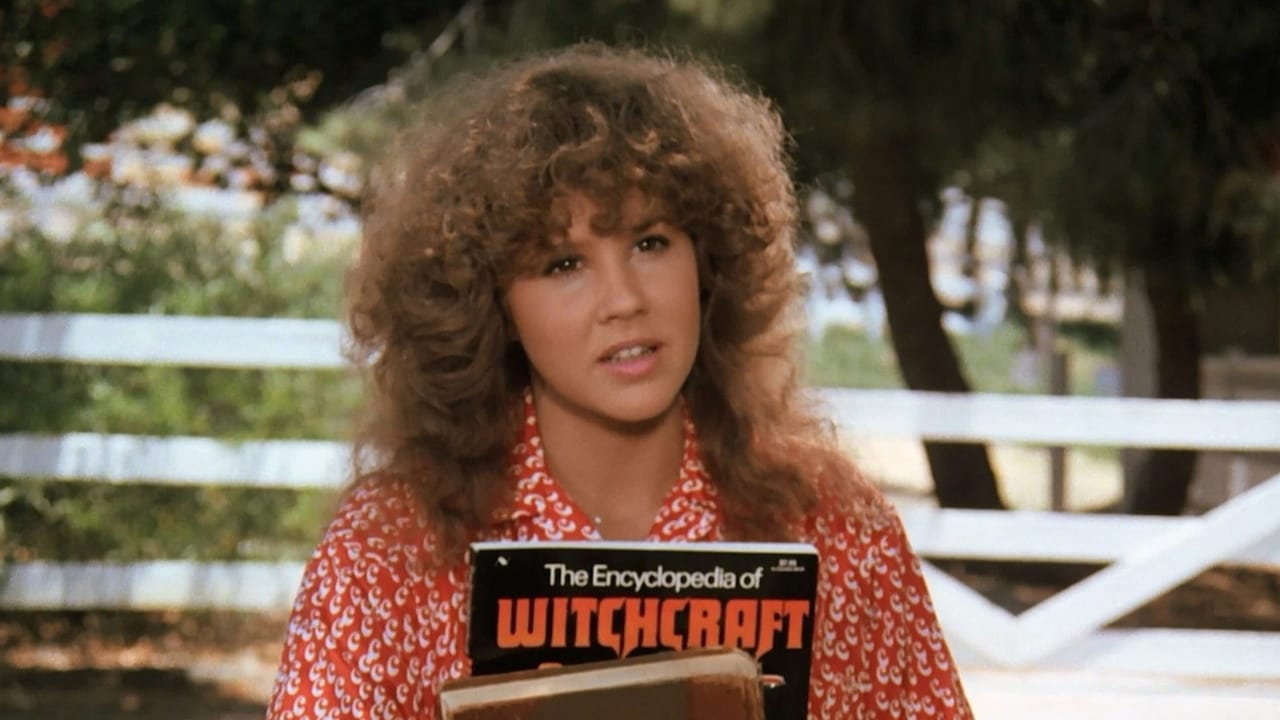
The setup is deceptively simple, almost wholesome. After a tragic car accident claims her aunt and uncle, the seemingly sweet and sophisticated cousin Julia (a genuinely unsettling Lee Purcell) comes to live with the Bryant family. Patriarch Tom (Jeremy Slate), matriarch Leslie (Carol Lawrence), and siblings Peter (Jeff McCracken) and Rachel (Linda Blair) welcome her with open arms. But Rachel, our protagonist, senses something off almost immediately. Julia is just a little too perfect, a little too charming, effortlessly winning over everyone… except Rachel. It’s a classic cuckoo-in-the-nest scenario, but filtered through a distinctly late-70s lens, hinting at darker, occult undercurrents.
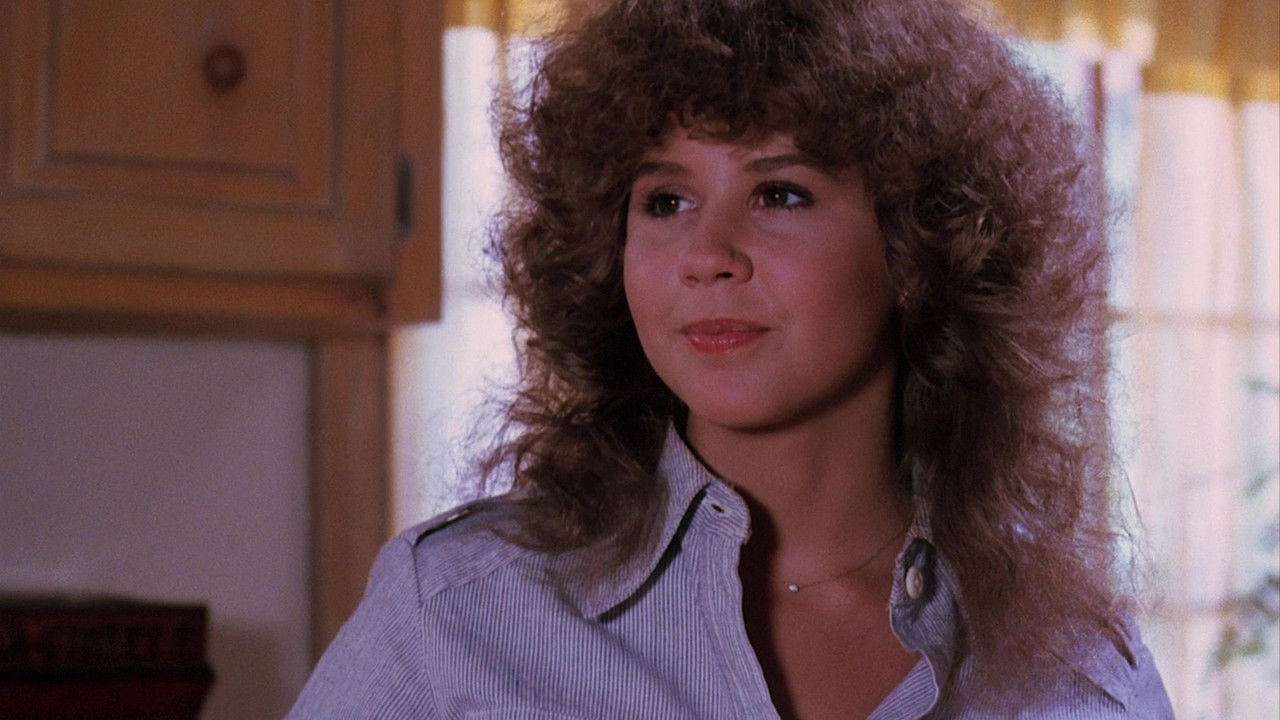
Linda Blair, still navigating the long shadow of The Exorcist (1973), carries the film admirably. Her Rachel isn't a victim waiting to happen; she's observant, increasingly desperate, and isolated as Julia subtly manipulates her family and friends. You feel her frustration mount as her warnings are dismissed as jealousy or teenage angst. It's a grounded performance that anchors the film's more supernatural elements. Watching Blair try to convince everyone around her feels eerily reminiscent of the gaslighting themes Craven would explore more violently later in his career. Did anyone else feel that mounting anxiety alongside Rachel, watching her world slowly warp around Julia's influence?
### Craven on a Leash, Still Biting
Directing for television in the 70s meant working within significant constraints – tighter budgets, stricter content standards, and faster schedules than theatrical features. Yet, Wes Craven’s burgeoning talent for building suspense is palpable. He makes the mundane menacing: a horse inexplicably agitated by Julia's presence, a misplaced photograph, a sudden, debilitating illness that strikes Rachel's mother. These aren't jump scares; they're carefully placed pieces of a disturbing puzzle, escalating the sense that an insidious force is dismantling the family from within. Craven had just come off the raw, sun-baked terror of The Hills Have Eyes, and bringing that sensibility, even muted, to a network TV movie format is fascinating. You can see him honing the psychological dread that would later define A Nightmare on Elm Street (1984).
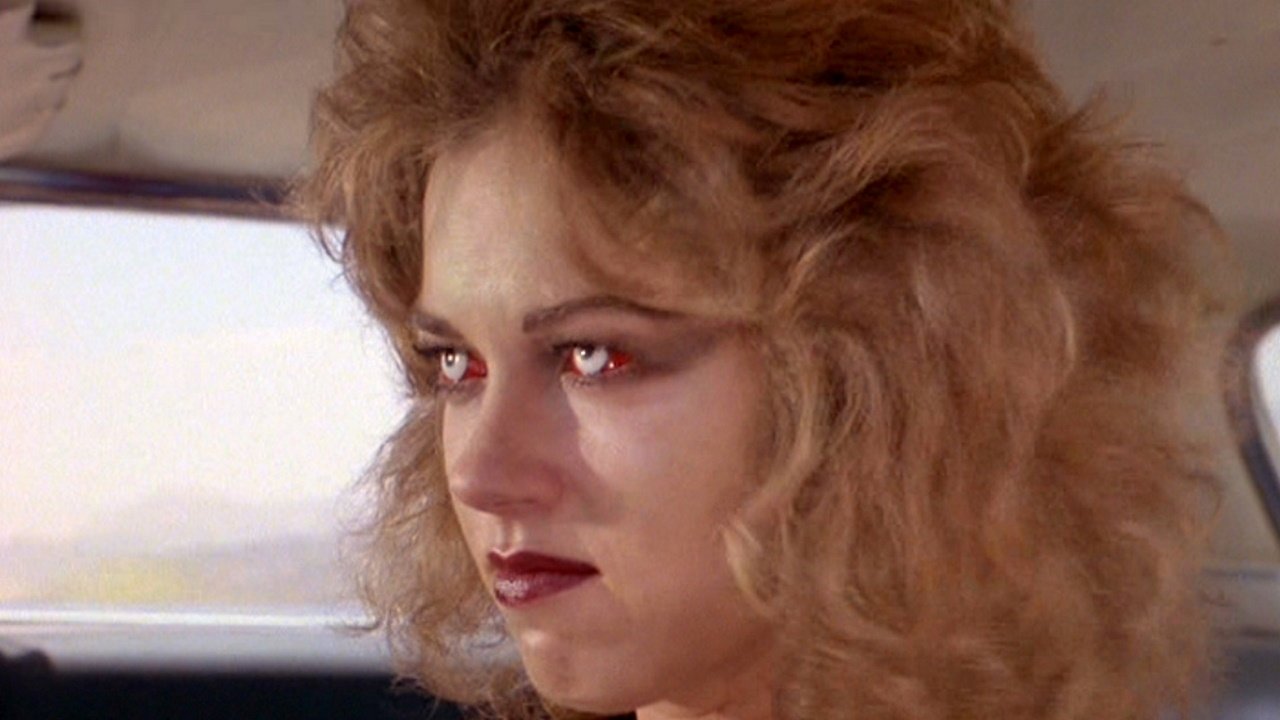
One intriguing tidbit often overlooked is that the film is based on the young adult novel "Summer of Fear" by Lois Duncan, known for teen suspense classics like "I Know What You Did Last Summer." Adapting a YA book gave Craven a relatable framework, but he subtly infused it with a more adult sense of paranoia and folk horror. The witchcraft elements, while handled with TV-movie subtlety (no explicit rituals, more suggestion and consequence), feel genuinely creepy rather than campy, largely thanks to Lee Purcell's brilliantly passive-aggressive performance. Her Julia is a masterclass in subtle manipulation, her sweetness masking a chilling void.
### That Certain 70s TV Movie Vibe
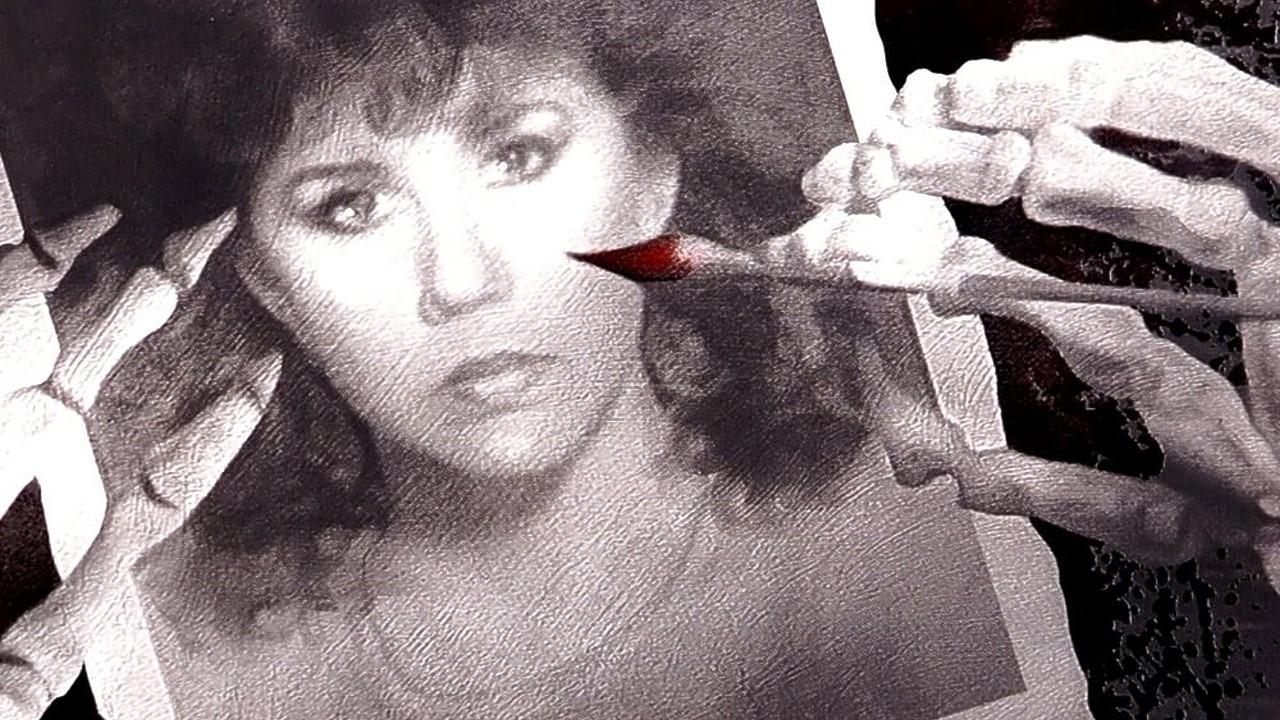
Stranger in Our House possesses that unmistakable late-70s aesthetic – the feathered hair, the earth-toned decor, the slightly soft focus. But rather than just feeling dated, it contributes to the film's specific brand of unease. The horror feels trapped within the ordinary, making Julia's subtle disruptions all the more effective. There are no elaborate practical effects here; the horror relies almost entirely on atmosphere, performance, and Craven's knack for unsettling compositions within everyday locations. Remember the distinct feel of those network TV movies-of-the-week? They had a certain texture, a specific pacing, that made films like this burrow under your skin in a different way than their big-screen cousins. This film nails that feeling. It's said that Craven himself wasn't entirely pleased with the TV constraints, yet his ability to conjure genuine chills shines through.
The climax, involving a desperate flight and a confrontation rooted more in psychological terror than overt gore, feels appropriate for its origins but still manages to deliver a satisfyingly tense payoff. It doesn't explode in the way Craven's theatrical work often does, but the quiet menace lingers.
### Final Verdict

Stranger in Our House isn't Wes Craven at his most unrestrained, nor Linda Blair at her most iconic. However, it’s a remarkably effective piece of late-70s television horror, a slow-burn psychological thriller that expertly uses its domestic setting to build a palpable sense of dread. It’s a perfect example of how Craven could generate unease even within the confines of network standards, relying on atmosphere and strong performances, particularly from Blair and the chillingly good Lee Purcell. It might lack the visceral punch of his theatrical horror landmarks, but its insidious charm and creeping paranoia made it a memorable find on rainy afternoons or late-night TV slots, and a worthy title to track down on VHS.
Rating: 7/10
It's a skillfully crafted TV movie that punches above its weight, delivering genuine chills through atmosphere and psychological tension rather than explicit shocks. A must-see for Craven completists and fans of subtle, unsettling 70s horror. Doesn't it feel like a perfect, unsettling time capsule from an era when horror could sneak into your living room under the guise of family drama?