There's a silence in Werner Herzog's Nosferatu the Vampyre (1979) that feels heavier than any scream. It hangs in the mist-choked mountains, settles like dust in the grand, decaying halls of Count Dracula's castle, and clings to the pale skin of its doomed characters. This isn't the bombastic horror that would dominate much of the 80s; it's a creeping dread, a languid descent into plague and shadow that feels utterly, chillingly inevitable. Watching it again, decades after first sliding that worn VHS tape into the machine, the film’s power to unsettle hasn’t diminished – if anything, the quiet despair feels even more profound now.

A Portrait of Decay
Herzog, ever the cinematic poet of obsession and desolate landscapes, wasn't just remaking F.W. Murnau's silent masterpiece (Nosferatu, 1922) – he was reclaiming a piece of German cinematic heritage, blocked for decades by Bram Stoker's estate's copyright grip on Dracula. Shot simultaneously in both German and English (with actors delivering lines phonetically in the latter, lending an extra layer of unsettling detachment), Herzog’s version paints Wismar and the Transylvanian wilderness with strokes of melancholic beauty and creeping sickness. The stunning, often bleak cinematography captures landscapes that feel both ancient and diseased. Remember those haunting opening shots of desiccated mummies? Herzog apparently found them in Guanajuato, Mexico, and decided they perfectly set the tone of mortality and decay he was aiming for, incorporating them without explicit narrative connection, purely for their atmospheric power.
The Ghost in the Machine
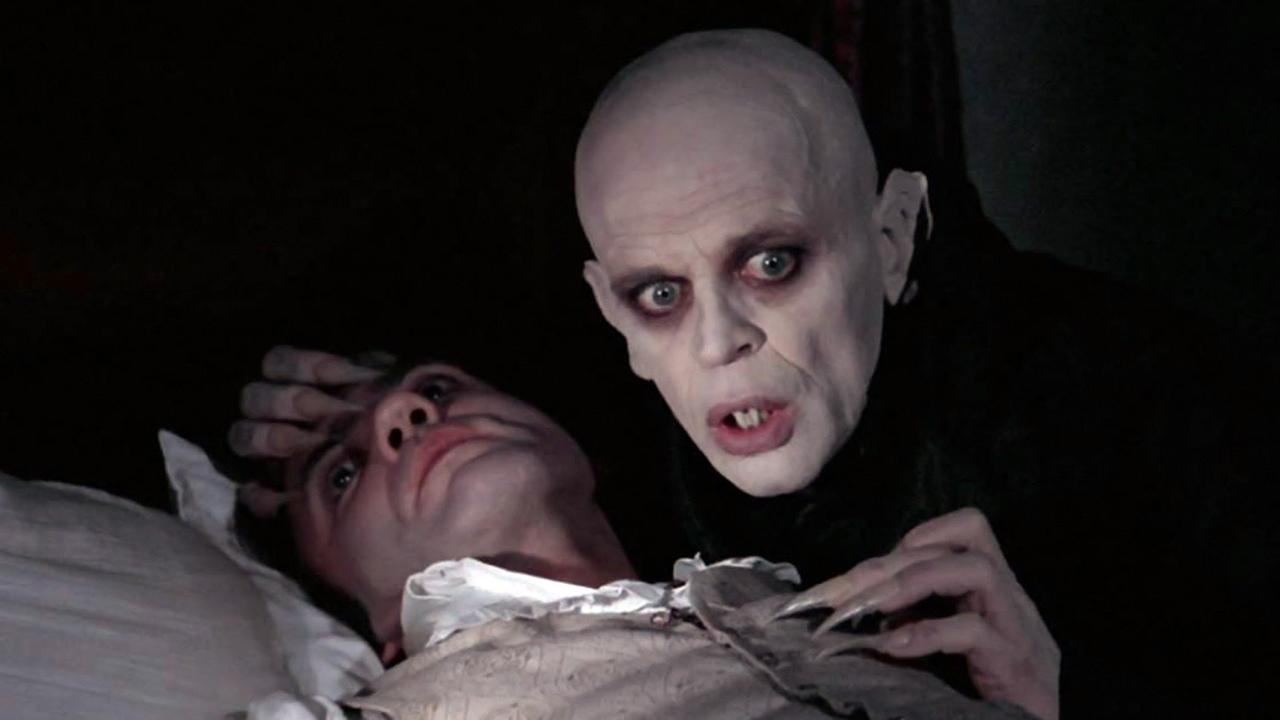
At the heart of the film's chilling power is, of course, Klaus Kinski as Count Dracula. Looking less like the suave aristocrat of later interpretations and more like a mournful, predatory wraith, Kinski is unforgettable. His bald head, rat-like teeth, and long, clawed fingers are a direct homage to Max Schreck's iconic look from the original, but Kinski brings his own volatile energy. The well-documented, often explosive relationship between Herzog and Kinski is legendary; Herzog once famously threatened to shoot Kinski and then himself if the actor walked off set. Perhaps some of that volatile energy seeped into the performance, adding an unpredictable edge to the Count's profound loneliness and ancient weariness. He’s not just a monster; he’s a tragic figure burdened by eternal life, yearning for connection even as he brings pestilence. Doesn't that make his predation almost more disturbing?
Beauty Against the Blight
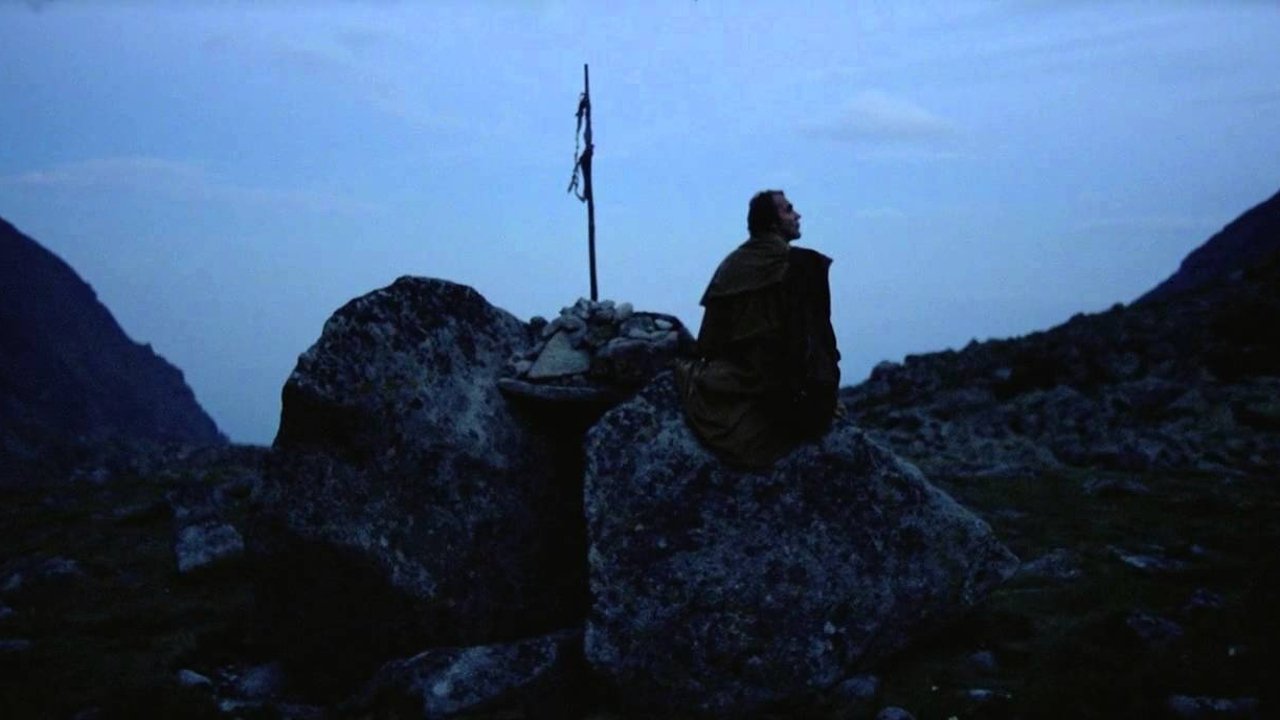
Opposite Kinski's unsettling presence is the ethereal Isabelle Adjani as Lucy Harker (a departure from Mina in the novel). Her performance is one of fragile beauty slowly consumed by an encroaching darkness. She embodies the purity threatened by Dracula's arrival, her large, expressive eyes conveying a growing terror and an almost hypnotic fascination. Bruno Ganz (later known for his monumental performance in Downfall) plays Jonathan Harker with a grounded earnestness that makes his descent into the Count's nightmare all the more affecting. His journey to the castle, filled with superstitious villagers and ominous warnings, perfectly builds the sense of dread before Dracula even appears on screen. Herzog actually filmed these Transylvanian scenes in Czechoslovakia, finding locations that still possessed the untouched, eerie quality he needed.


The Rats Are Coming
Herzog’s dedication to capturing a specific, visceral reality often led to legendary production stories. Perhaps none are more infamous than the scene where thousands of rats flood the town square of Wismar (actually filmed in Delft, Holland). Herzog reportedly imported thousands of grey laboratory rats from Hungary, needing special permission and causing considerable local concern. Wrangling them apparently proved nightmarish, requiring handlers and barriers to guide the swarm. It's a bold, disgusting, and unforgettable sequence that viscerally represents the plague Dracula brings – a stark contrast to the more stylized horror common today. It’s pure, unsettling Herzog, pushing boundaries to achieve maximum visceral impact.
A Haunting Legacy
Nosferatu the Vampyre isn't a film that relies on jump scares. Its horror is cumulative, built through atmosphere, Kinski's haunting performance, and the pervasive sense of doom amplified by Popol Vuh's ethereal, chilling score. It’s a film that seeps under your skin. Its deliberate pace might test viewers accustomed to modern horror editing, but that patience is rewarded with imagery and a mood that lingers long after the credits roll. It feels like a genuine transmission from another time – not just the 19th century setting, but from a period of filmmaking less concerned with commercial formulas and more interested in visual poetry and existential dread. Its influence can be felt in later gothic horror revivals, praised for its artistry even by those initially put off by its measured tempo. The film premiered at the 1979 Cannes Film Festival, signaling its arrival not just as a horror film, but as a work of art cinema.
VHS Heaven Rating: 9/10
This score reflects the film's masterful creation of atmosphere, Kinski's unforgettable performance, Herzog's unique directorial vision, and its status as a landmark of gothic horror cinema. It achieves precisely what it sets out to do – creating a profound sense of dread and melancholic beauty. While its pacing might not suit all tastes, its power is undeniable.
Nosferatu the Vampyre remains a haunting masterpiece. It’s more than just a vampire film; it’s a meditation on death, decay, loneliness, and the suffocating weight of eternity. It's one of those tapes that, once watched late at night on a flickering CRT, truly felt like it could curse the VCR itself. A chilling classic that proved horror could be artful, patient, and deeply, deeply unsettling.