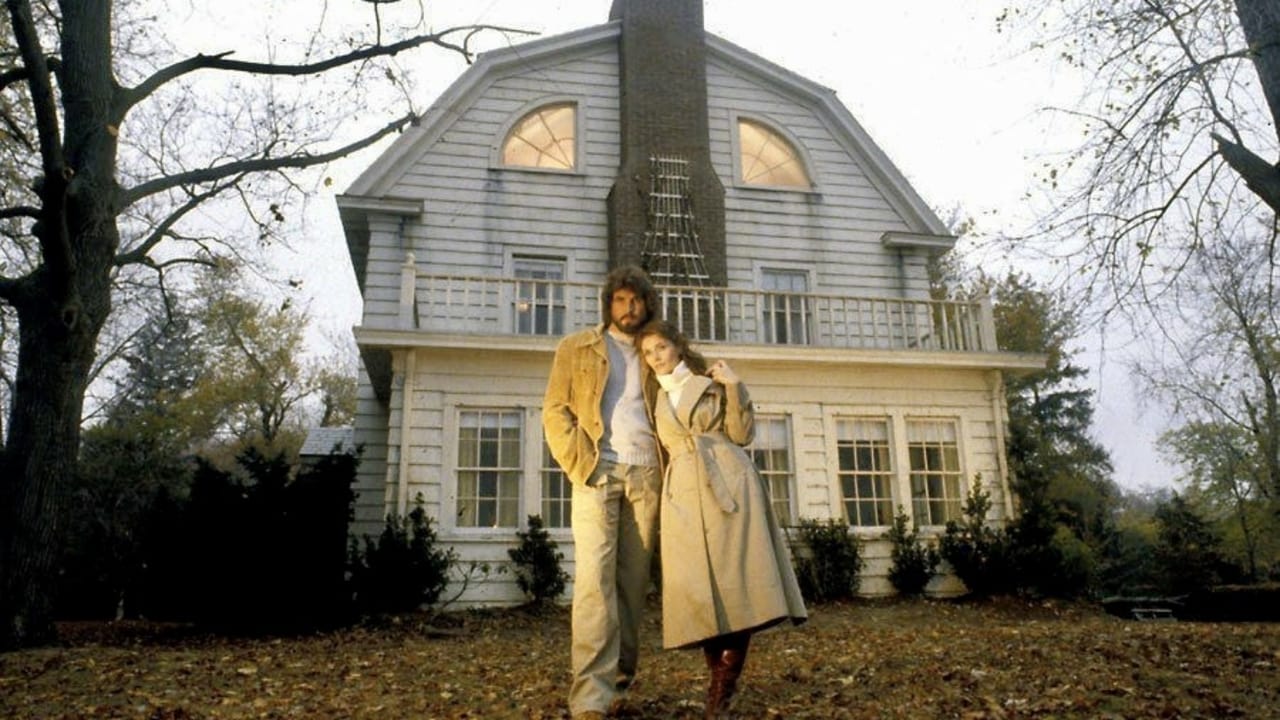
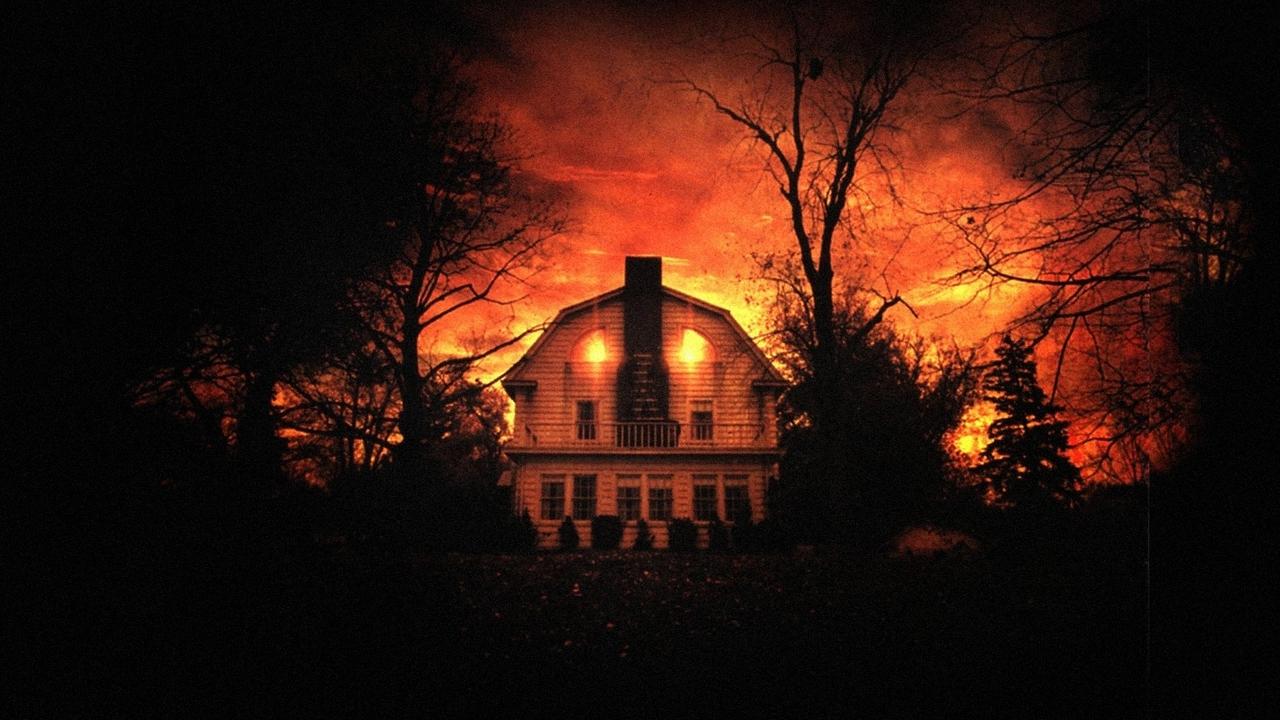
The house. Even now, decades after that distinctive Dutch Colonial first leered from the VHS box art on the rental store shelf, those quarter-moon windows feel like malevolent eyes staring back. 112 Ocean Avenue, Amityville, New York. A place name that became synonymous with a certain kind of creeping, domestic terror, largely thanks to Stuart Rosenberg’s 1979 adaptation of Jay Anson's supposedly true account, The Amityville Horror. Watching it again, bathed in the flickering glow of a screen late at night, that old chill isn't entirely gone.
A House of Unease
The premise is chillingly simple, playing on the universal desire for a home and twisting it into a nightmare. George and Kathy Lutz, portrayed with frazzled conviction by James Brolin (Westworld, Capricorn One) and the late, great Margot Kidder (Superman), buy their dream house for a steal. The catch? It was the site of a gruesome mass murder just a year prior. They move in with Kathy’s three children, hoping for a fresh start, but the house... the house has other plans. It’s a slow burn, initially. Strange cold spots, unsettling noises, flies appearing out of season. But the dread mounts, insidiously.
Rosenberg, perhaps better known for dramas like Cool Hand Luke, builds the atmosphere effectively. It’s less about jump scares and more about the oppressive feeling that something is deeply, fundamentally wrong within those walls. The mundane becomes menacing: a rocking chair moves on its own, doors slam, unseen forces whisper. This isn't just a haunted house; it's a house seemingly turning one of its occupants, George, against his own family.
Domestic Dread and Despair
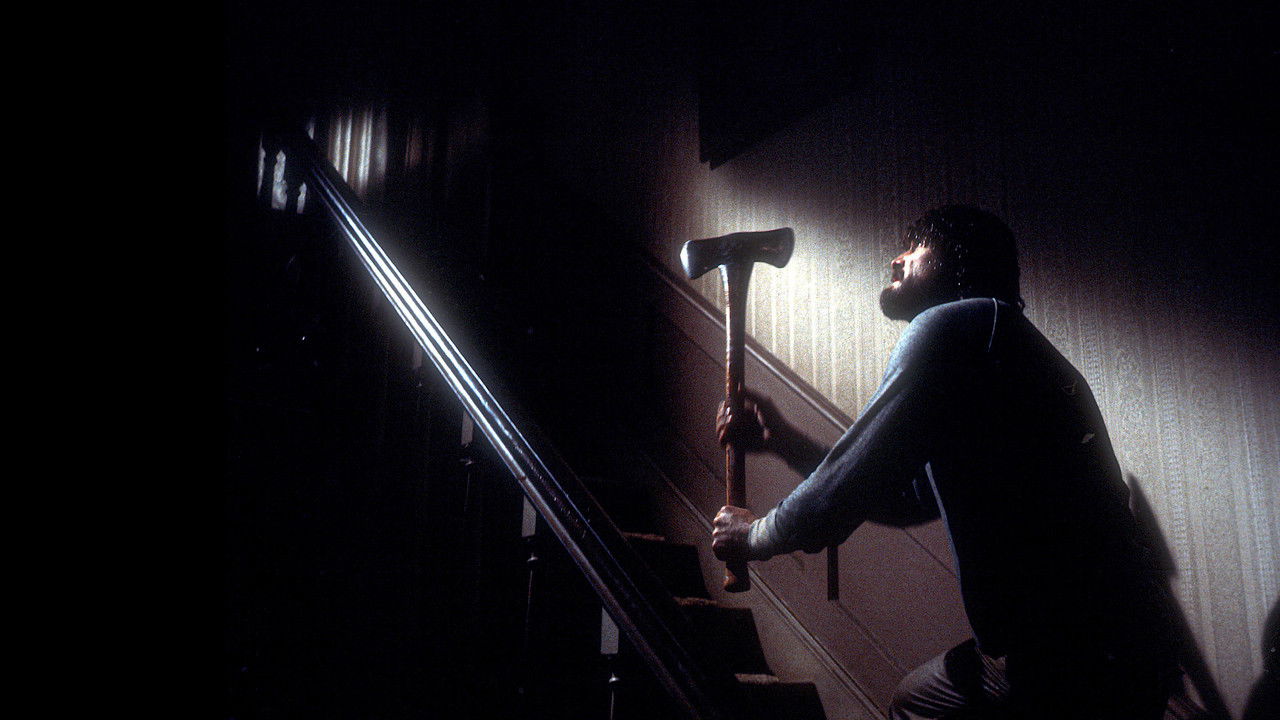
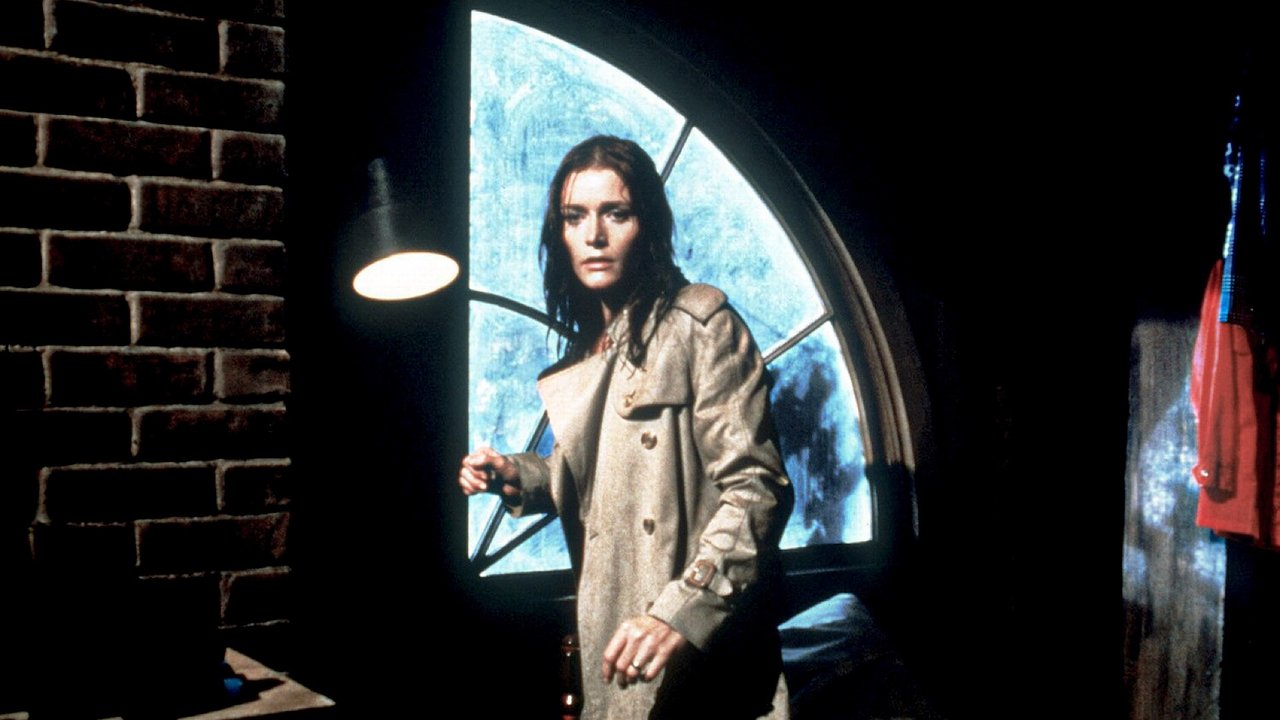
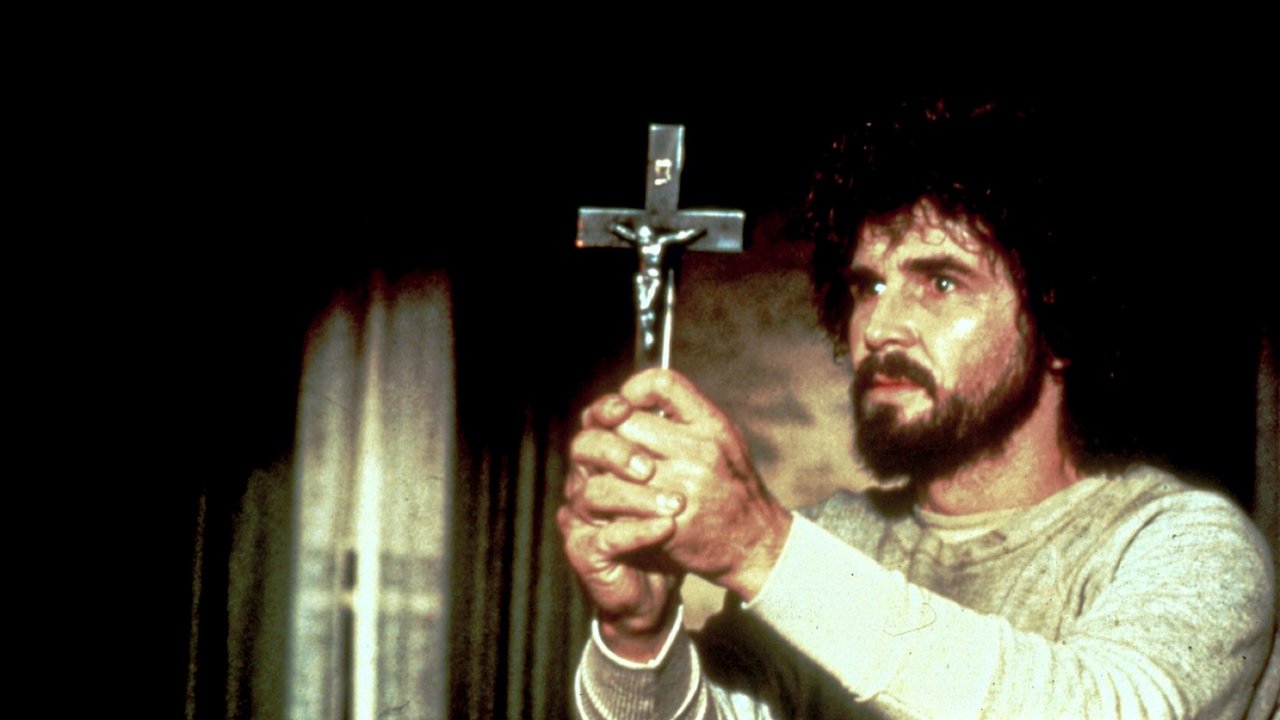
James Brolin carries much of the film's weight, charting George's unnerving transformation from hopeful family man to brooding, axe-wielding obsessive. He becomes perpetually cold, his temper flares, and his connection to the house deepens in a way that isolates him from Kathy and the kids. Brolin reportedly read the source novel just before filming began and was sufficiently spooked, lending an edge of genuine unease to his performance. Margot Kidder provides the relatable anchor, her mounting terror and desperation feeling authentic. Her palpable fear as the idyllic dream curdles into a waking nightmare grounds the supernatural events.
And then there's Rod Steiger (In the Heat of the Night) as Father Delaney, the tormented priest who attempts to bless the house only to be violently repelled. Steiger attacks the role with his trademark intensity, his scenes filled with a sweaty, desperate fervor. His dramatic cries of "Get out!" during a plagued phone call to Kathy remain genuinely unsettling. Funnily enough, Steiger apparently clashed with Rosenberg on set, feeling the director wasn't capturing the necessary spiritual terror – a tension that perhaps inadvertently fueled his character's on-screen anguish.
Sounds and Shadows of the Seventies
The film leans heavily on practical effects and atmosphere, staples of 70s horror that often retain a peculiar power. The walls oozing black slime, the swarms of flies (reportedly a sticky nightmare for the actors), the red room hidden in the basement – these moments, even if showing their age slightly, possess a tactile grittiness that modern CGI often lacks. Remember how convincing those effects felt on a slightly worn VHS tape viewed on a bulky CRT? There was a grainy reality to them that somehow enhanced the horror.
Crucial to the film's unsettling mood is Lalo Schifrin’s (Dirty Harry, Bullitt) iconic, Oscar-nominated score. That deceptively simple, almost childlike main theme becomes increasingly menacing as the film progresses, perfectly capturing the corruption of domestic bliss. It’s a masterclass in minimalist horror scoring, burrowing under your skin long after the credits roll.
Based on a True Nightmare?
Of course, you can't discuss The Amityville Horror without acknowledging the "Based on a True Story" tag that fueled its massive success. The film, shot partly near the actual house's location in Toms River, New Jersey (much to the chagrin of locals, leading the production to build a facade elsewhere for later shots), capitalized brilliantly on the Lutz family's sensational claims. It tapped into a post-Exorcist fascination with real-world demonic phenomena. Made for roughly $4.7 million, it became a box office juggernaut, pulling in over $86 million domestically – a staggering sum for its time (easily over $300 million today).
Whether you believe the Lutz story or dismiss it as an elaborate hoax (and the debates, lawsuits, and competing narratives continue to this day), the film's power lies in its portrayal of that fear. It dramatized the story effectively, creating a cultural touchstone. Did that claim of authenticity make the bumps in the night seem louder when you first watched it?
Amityville's Long Shadow
The original Amityville Horror remains a cornerstone of the haunted house subgenre. Its influence is undeniable, spawning a seemingly endless stream of sequels, prequels, and remakes of wildly varying quality (mostly diminishing returns, let's be honest). Few, if any, capture the specific, grounded dread of the 1979 original. It perfectly encapsulated a late-70s anxiety, blending domestic drama with supernatural terror in a way that felt disturbingly plausible, thanks largely to that "true story" hook.
It’s not a perfect film; the pacing occasionally drags, and some elements feel dated. But its core strengths – the oppressive atmosphere, Brolin and Kidder's committed performances, Schifrin's haunting score, and the lingering unease generated by its infamous source material – ensure its place in the annals of horror history, and certainly on the shelves of VHS Heaven.
Rating: 7/10
Justification: The film earns a solid 7 for its masterful building of atmosphere, iconic score, strong lead performances, and its undeniable cultural impact as the haunted house story for a generation. It effectively translates the alleged true events into palpable cinematic dread. Points are deducted for some dated elements and occasionally uneven pacing, but its power to genuinely unnerve, especially within the context of its era and the "true story" marketing, remains significant.
Final Thought: Even knowing the controversies surrounding the "true story," the 1979 Amityville Horror still taps into a primal fear – the fear that the safest place, your own home, could turn against you. And those haunting window eyes? They still watch.