Amityville: The Evil Escapes
Okay, fellow travelers in the flickering cathode glow, let’s dim the lights and talk about a peculiar turn down a familiar, haunted lane. By 1989, the infamous Long Island house had spewed its share of cinematic terror. But what happens when the evil… moves out? Amityville: The Evil Escapes poses this question, transplanting the malevolence not into another unsuspecting family home, but into… furniture. Specifically, a truly hideous floor lamp. It's a premise that skirts the edge of absurdity, yet anchored this fourth installment firmly in the realm of late-80s made-for-TV horror, a distinct flavour of dread all its own.
An Unholy Housewarming Gift
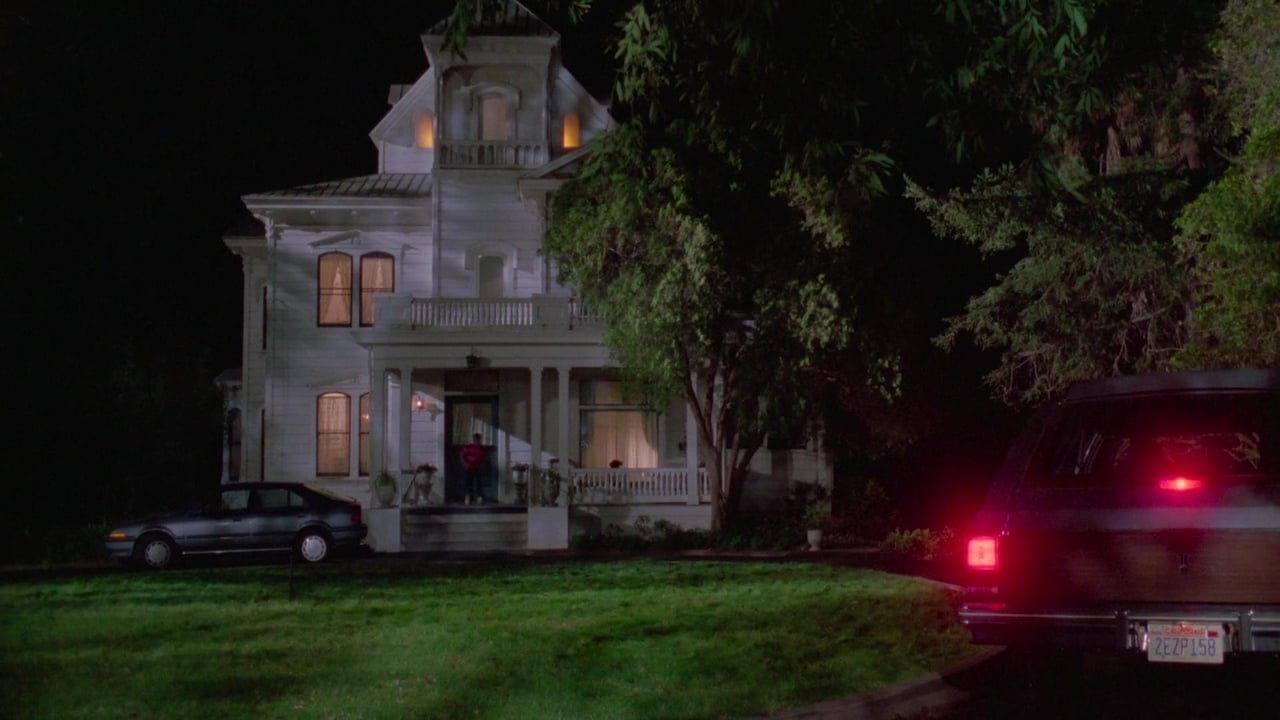
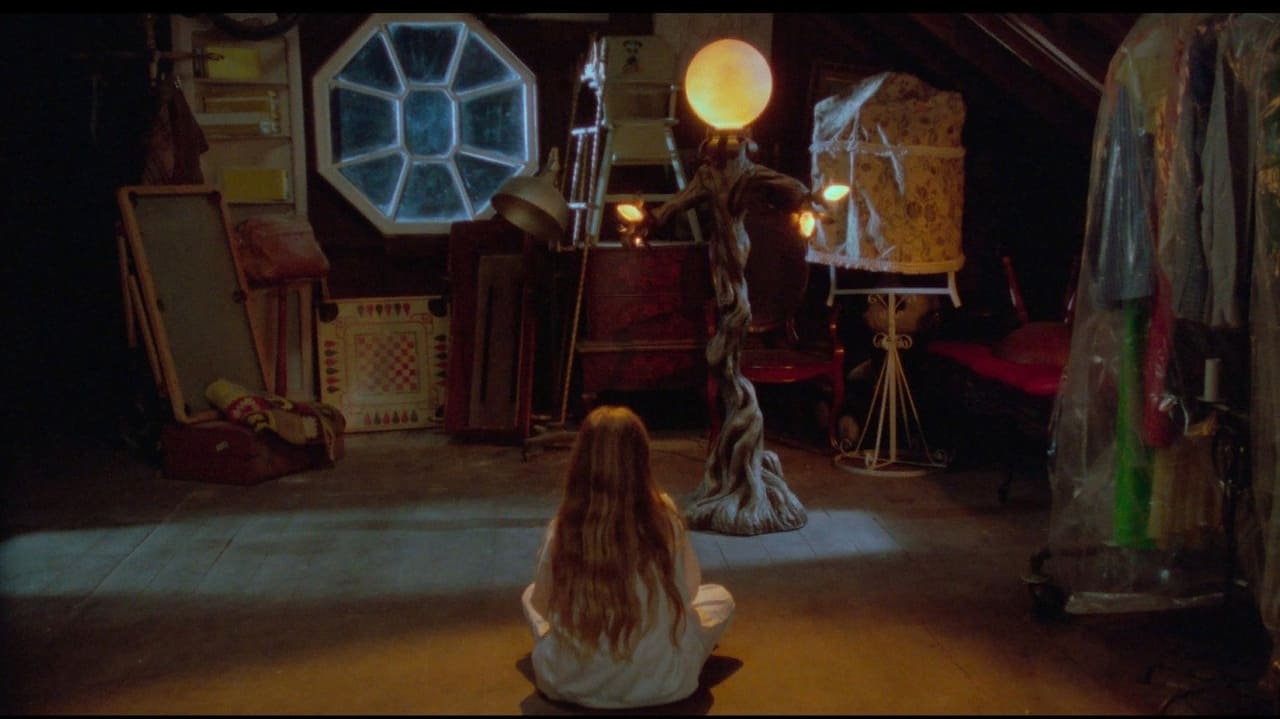
The film wastes little time severing ties with 112 Ocean Avenue. During a yard sale clear-out (conducted by priests, no less, in a scene brimming with understated eeriness), the demonic essence latches onto a gaudy, vaguely face-like standing lamp. This cursed item finds its way across the country to California, mailed to elderly Alice Leacock (Jane Wyatt, bringing a surprising gravity). Her daughter, Nancy Evans (Patty Duke), recently widowed, moves in with her three children to care for Alice, unaware their new home is about to be accessorized with pure evil. It's a setup that trades the sprawling gothic dread of the original for a more intimate, domestic infiltration. The evil isn't just in the house anymore; it's plugged into the wall socket.
Made-for-TV Malevolence
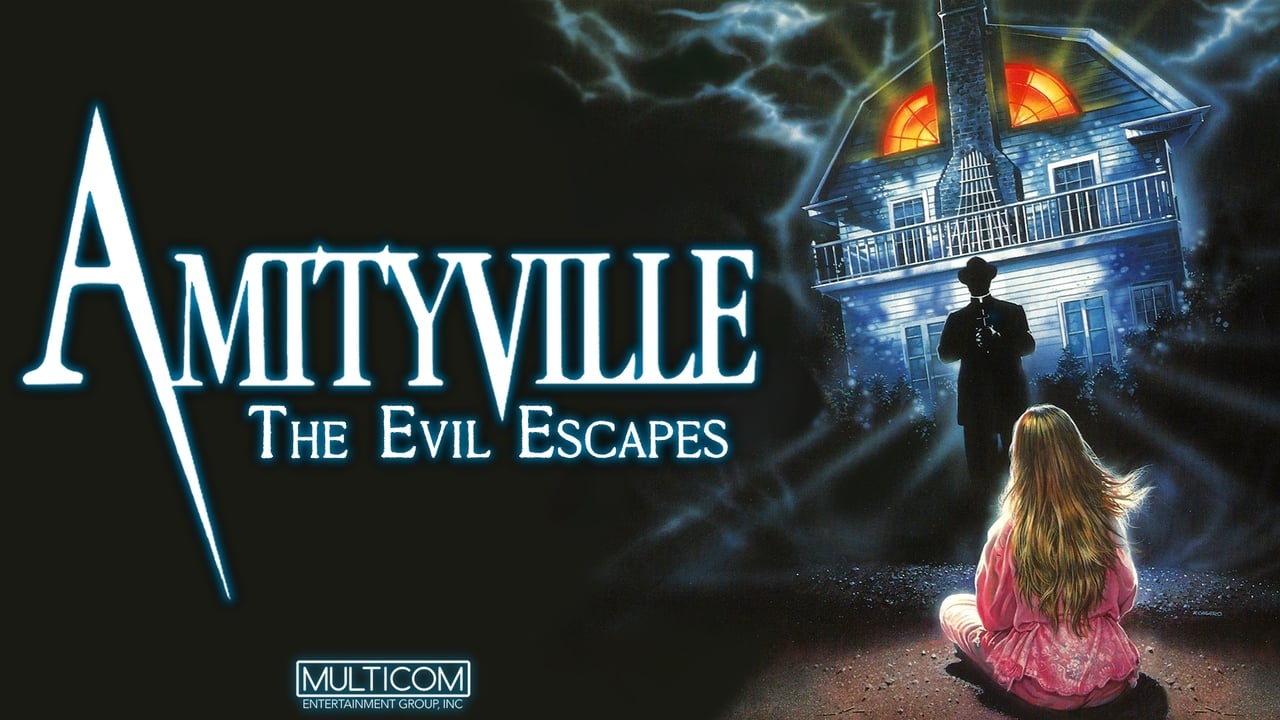
Directed and penned by Sandor Stern – who interestingly also wrote the screenplay for the original The Amityville Horror (1979) – this entry feels distinctly different. Gone is the theatrical budget, replaced by the constraints and aesthetic of network television. Yet, Stern leverages this. The horror here is less spectacular, more insidious. It manifests in household malfunctions turned deadly: a leaking faucet becomes a torrent of black sludge, a power tool develops homicidal intent, and, in a sequence likely responsible for more than a few lingering childhood anxieties, a garbage disposal unit becomes terrifyingly aggressive. Does the slightly less polished look, typical of late 80s TV movies, diminish the effect? Perhaps for some, but for those of us who remember watching these kinds of films huddled close to the CRT screen late on a Sunday night, there's a specific, potent kind of creepiness here. It felt grounded, disturbingly plausible within its own bizarre logic.
The lamp itself is a masterstroke of unsettling design. Is it high art? Absolutely not. But its strange, organic shapes and vaguely screaming visage tap into something primal. It just looks wrong, sitting there in the corner of an otherwise normal room. There’s a persistent rumour that the lamp prop was genuinely disliked by the cast and crew, contributing to an uneasy atmosphere on set – a bit of "dark legend" that only enhances its onscreen presence. This wasn't just a prop; it felt like a character, malevolent and watchful.
Patty Duke vs. The Lamp
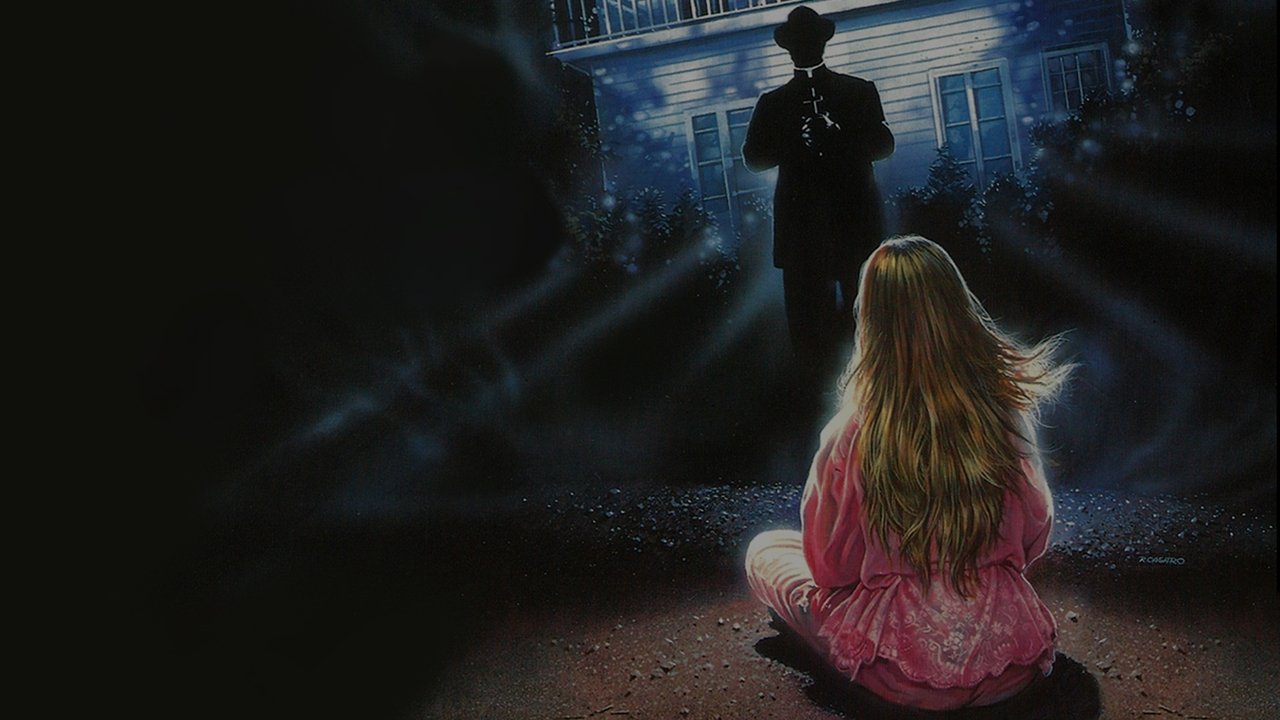
What truly elevates Amityville: The Evil Escapes beyond potential schlock is the committed performance of Patty Duke. An actress of considerable calibre (already an Oscar winner for The Miracle Worker), Duke plays Nancy with a desperate, weary conviction. She grounds the increasingly outlandish events, her fear and maternal protectiveness feeling utterly genuine. Watching her grapple with the inexplicable horror emanating from a piece of household lighting is surprisingly compelling. She sells the terror, even when the script dips into the slightly formulaic "is she going crazy?" territory. Supporting turns from the venerable Jane Wyatt and Fredric Lehne as the concerned young priest, Father Kibbler, add further weight.
Retro Fun Facts
This being a product of its time, broadcast on NBC on May 12, 1989, it carries the hallmarks of TV horror – the careful framing to fit the 4:3 aspect ratio, the pacing designed around commercial breaks. It was based on the novel Amityville: The Evil Escapes by John G. Jones, part of a series that took the Amityville mythology far beyond the original Lutz accounts. More significantly, this film inadvertently set the template for the entire subsequent run of Amityville sequels throughout the 90s. Forget haunted houses; the franchise became obsessed with haunted objects – a mirror, a clock, a dollhouse – all stemming from the demonic dispersal initiated here. This humble TV movie, lamp and all, became the unlikely wellspring for a decade of direct-to-video Amityville oddities. Remember tracking down those later sequels at the local video store, each with a progressively sillier cursed item on the cover? This is where that peculiar journey began.
The Lingering Flicker
Does Amityville: The Evil Escapes hold up as high-tier horror? No, its TV movie origins and central conceit prevent that. The effects are sometimes charmingly dated, the plot occasionally predictable. But it possesses a strange, undeniable atmosphere. It captures that specific late-80s vibe, a time when horror could be found nestled between sitcoms, delivering chills on a smaller scale but with surprising earnestness. The idea of evil lurking not in ancient castles or shadowy forests, but in the familiar clutter of everyday life – that resonates. And Patty Duke's performance lends it a credibility it might otherwise lack. Did that final shot of the lamp, hinting at the evil’s persistence, leave anyone else feeling a little uneasy about their own home furnishings back in the day?
VHS Heaven Rating: 5/10
Justification: This rating reflects the film's status as a competent, sometimes genuinely creepy made-for-TV horror movie, anchored by a strong lead performance from Patty Duke. It successfully translates the Amityville dread to a domestic, small-screen setting and boasts an iconic (if bizarre) central object. However, it's hampered by its TV budget limitations, occasionally clunky effects, and a premise that teeters on the edge of silliness. It’s a crucial, if strange, turning point for the franchise, setting the stage for the direct-to-video era, but it doesn't reach the heights (or depths) of its theatrical predecessors.
Final Thought: While perhaps destined to be overshadowed by the original, Amityville: The Evil Escapes is a fascinating curio of 80s TV horror. It’s a reminder that sometimes, the most unsettling threats aren't grand demonic forces, but the familiar objects around us turning malevolent, one faulty appliance (or hideous lamp) at a time. It’s a slice of nostalgic fright, best enjoyed with the lights low and maybe a wary glance towards your own standard lamp.