Beneath the soaring arches and stained-glass saints, something festers. Not decay, not dust, but an ancient, malevolent presence sealed away centuries ago, waiting. Michele Soavi's The Church (1989), originally conceived under the shadow of a certain demonic franchise, claws its way out of the crypt to stand as a unique monument to late 80s Italian horror, drenched in Gothic dread and surreal nightmare logic. Watching it again on a grainy tape, the hum of the VCR a low thrum against the chilling score, feels like uncovering a forbidden text yourself.
Echoes in the Stone
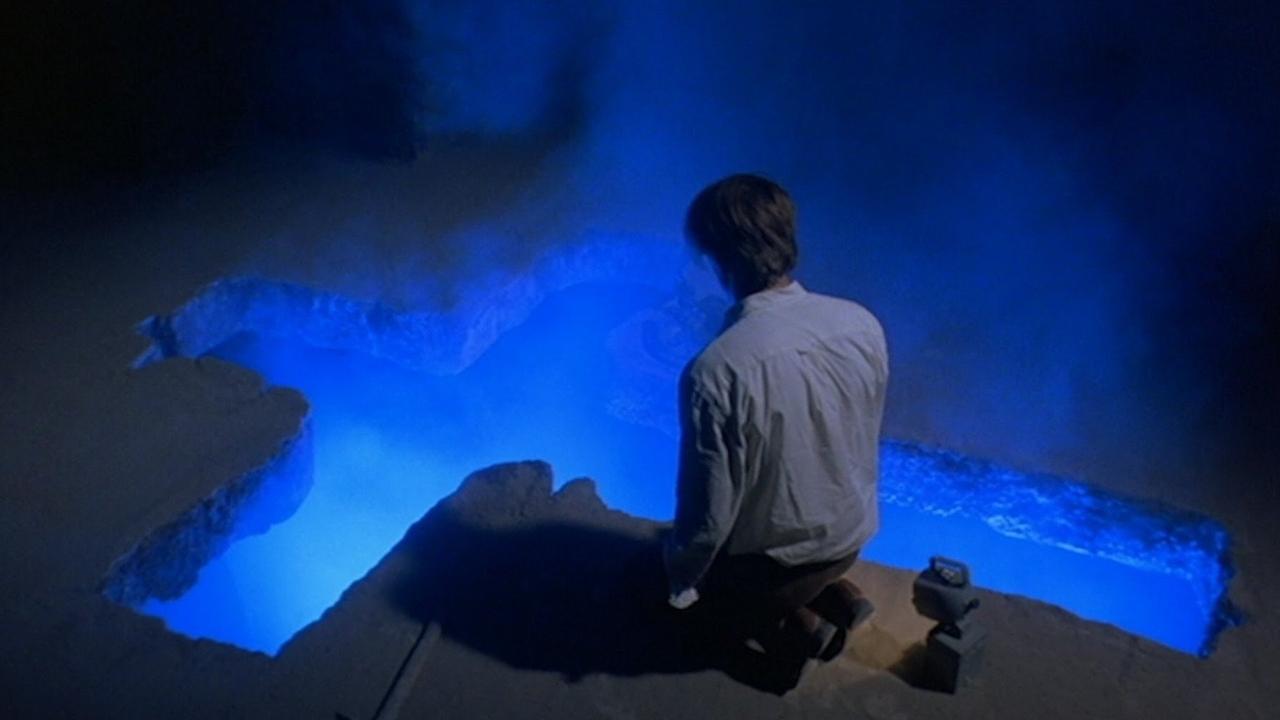
The film wastes little time establishing its grim foundation. A brutal prologue sees Teutonic Knights massacre a village of suspected devil worshippers, burying their bodies in a mass grave over which a great Gothic cathedral is built – literally sealing the evil beneath consecrated ground. Fast forward to the late 80s, and Evan (a gaunt and intense Tomas Arana), a meticulous new librarian, arrives to catalogue the church's archives. He's drawn to a peculiar inscription and an oddly marked section of the catacomb floor. Curiosity, as it so often does in these tales, pries open Pandora's Box – or in this case, a stone slab releasing a dormant plague of demonic influence. The church's ancient mechanisms activate, sealing everyone inside: clergy, parishioners, a school trip, a photographer's crew, and our unfortunate librarian. The sanctuary becomes a tomb.
What unfolds isn't a straightforward monster movie, though monsters certainly appear. It's more an atmospheric siege, a descent into madness orchestrated by the very building itself. Soavi, who cut his teeth working with Dario Argento (the master himself co-wrote and produced The Church), demonstrates a keen visual sense distinctly his own, even this early in his directorial career. The film was initially pitched as Demons 3, a direct follow-up to Lamberto Bava's gore-soaked classics, but thankfully Soavi and Argento pivoted. While echoes of Demons (1985) remain – the contained location, the spreading demonic infection – Soavi opts for a slower burn, prioritizing suffocating atmosphere over relentless carnage, though make no mistake, the film doesn't shy away from startling imagery when the time comes.
Sacrilege and Spectacle
The cathedral, filmed largely at the stunning Matthias Church in Budapest, Hungary, isn't just a setting; it's the film's dark heart. Soavi and cinematographer Renato Tafuri use the vast, shadowy spaces, the labyrinthine crypts, and the imposing architecture to create a palpable sense of claustrophobia and ancient menace. The score, a collaboration featuring Keith Emerson (of Emerson, Lake & Palmer fame) and members of Goblin (the legendary Argento collaborators), further amplifies the unease, shifting from mournful Goth rock passages to jarring electronic pulses that mirror the characters' fraying sanity.
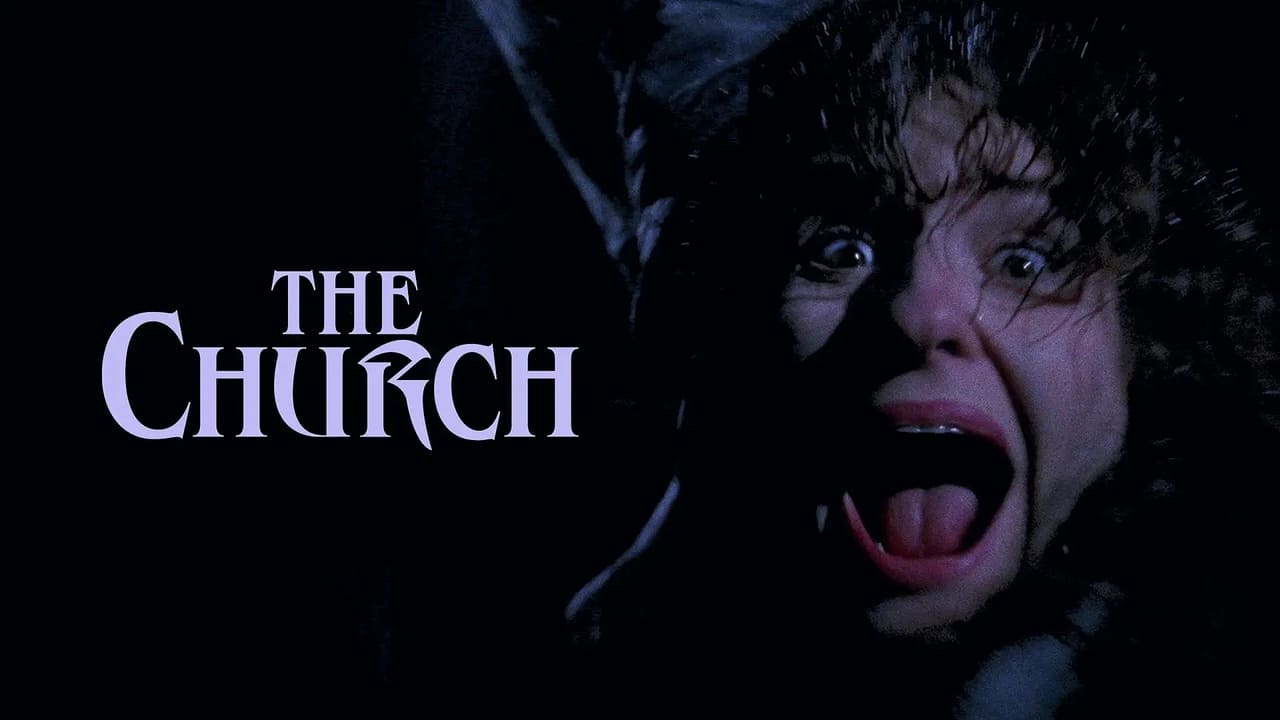
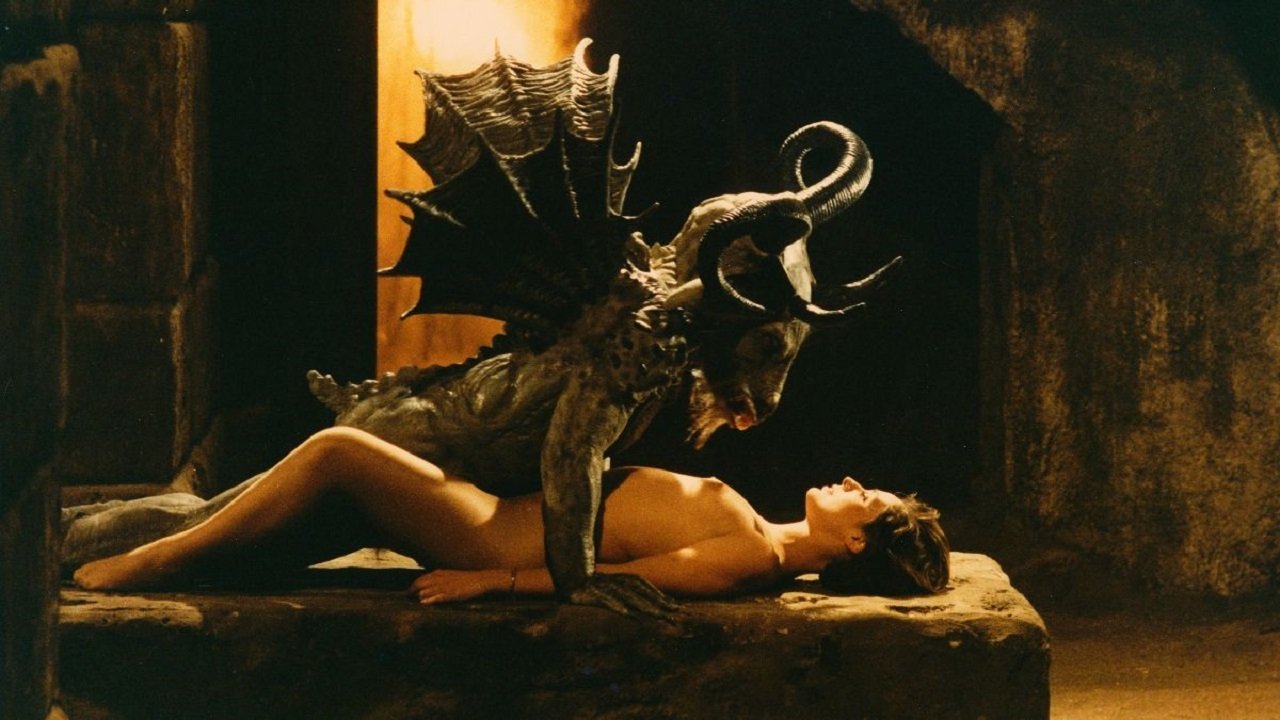
The practical effects, while perhaps showing their age in places, possess that wonderfully tactile quality we remember from the VHS era. Demonic transformations twist flesh in grotesque ways, creatures crawl from unexpected places, and the church itself seems to bleed and breathe. There’s a hallucinatory quality to many sequences – is this real, or a psychic echo of the past horrors? One scene involving a resurrected demon and a piece of heavy machinery remains notoriously bizarre and unsettling, a prime example of Italian horror's willingness to push boundaries into the surreal and shocking. Remember how those practical gore gags felt viscerally real back then, before CGI smoothed everything over? The Church delivers that kind of jolt.
Cracks in the Facade
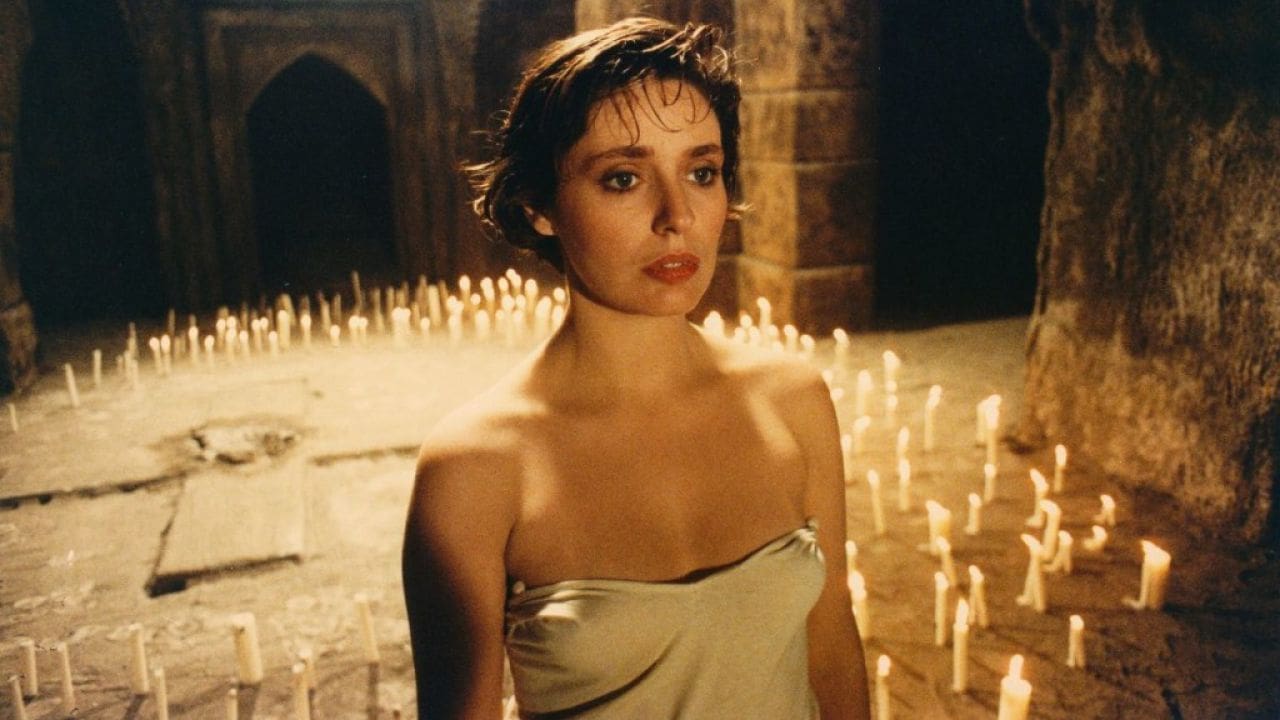
Among the trapped souls, Hugh Quarshie brings a quiet dignity to Father Gus, trying to maintain faith and order as hell literally breaks loose around him. Barbara Cupisti, familiar to fans of Argento's Opera (1987), plays Lisa, the restoration expert whose knowledge of the building becomes crucial. The performances are generally strong, anchoring the escalating weirdness. However, the narrative occasionally feels episodic, focusing on vignettes of demonic terror rather than a tightly woven plot. Some characters feel underdeveloped, serving primarily as fodder for the encroaching evil. This looseness, however, also contributes to the film's dreamlike (or rather, nightmarish) quality – logic takes a backseat to visceral experience and potent, often sacrilegious, imagery. It's less about why and more about the horrifying what.
Reportedly, Soavi fought to distinguish the film from its Demons origins, aiming for something more akin to historical horror meets psychological dread. This ambition is largely successful, resulting in a film that feels richer and more resonant than a simple creature feature. It explores themes of buried history, the hypocrisy within institutions, and the fragility of faith when confronted with tangible evil. It’s a film that lingers, its unsettling images – the pulsating stone heart of the church, the demonic knight, the final haunting shot – sticking with you long after the credits roll.
Verdict & Legacy
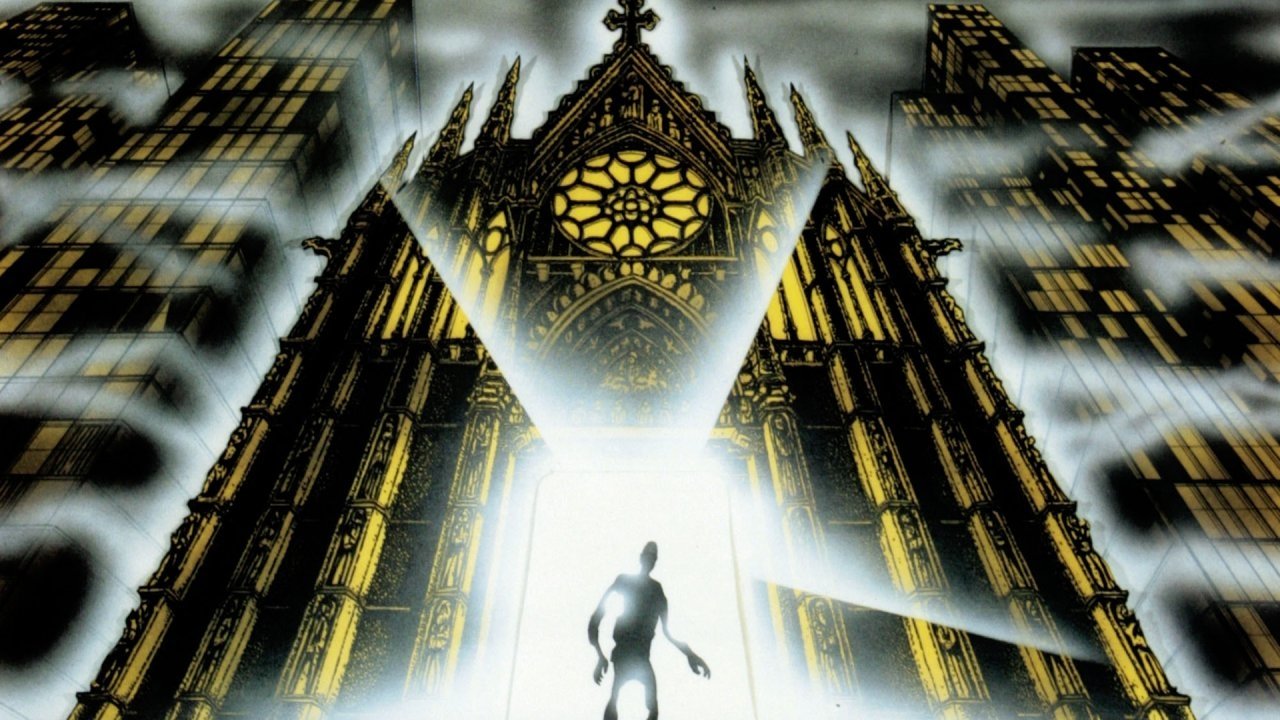
The Church isn't perfect. Its pacing can meander, and its narrative threads don't always coalesce satisfyingly. Yet, its potent atmosphere, striking visuals, memorable practical effects, and ambitious blend of Gothic horror and demonic siege make it a standout entry in the annals of late 80s Italian horror. Soavi proved he was a major talent to watch, a promise he would fulfill spectacularly with Dellamorte Dellamore (1994). It successfully distanced itself from the Demons franchise legacy to become its own unique, chilling entity.
Rating: 8/10 – This score reflects the film's exceptional atmosphere, strong direction, memorable set pieces, and unique place in Italian horror history. It loses a couple of points for occasional narrative disjointedness and some underdeveloped character arcs, but the sheer visual and atmospheric power more than compensates.
For fans of Argento, Fulci, or anyone who misses the days when horror felt genuinely strange and unpredictable, The Church remains a darkly beautiful, deeply unsettling artifact from the golden age of VHS terror. It's a film that truly feels like it was unearthed from a cursed archive.