Alright, rewind time! Remember digging through those glorious, slightly dusty shelves at the video store, hunting for that next martial arts fix? Sometimes you’d stumble onto a sequel or a spin-off that just hit differently. Case in point: Disciples of the 36th Chamber (also known sometimes as Master Killer III), the 1985 Shaw Brothers flick that took the legendary 36th Chamber series in a surprisingly… chaotic direction. Forget the solemn, grueling training montages of the original for a moment. This one unleashes the whirlwind energy of folk hero Fong Sai-yuk, and it’s a riot.
### Not Your Father's Shaolin Training
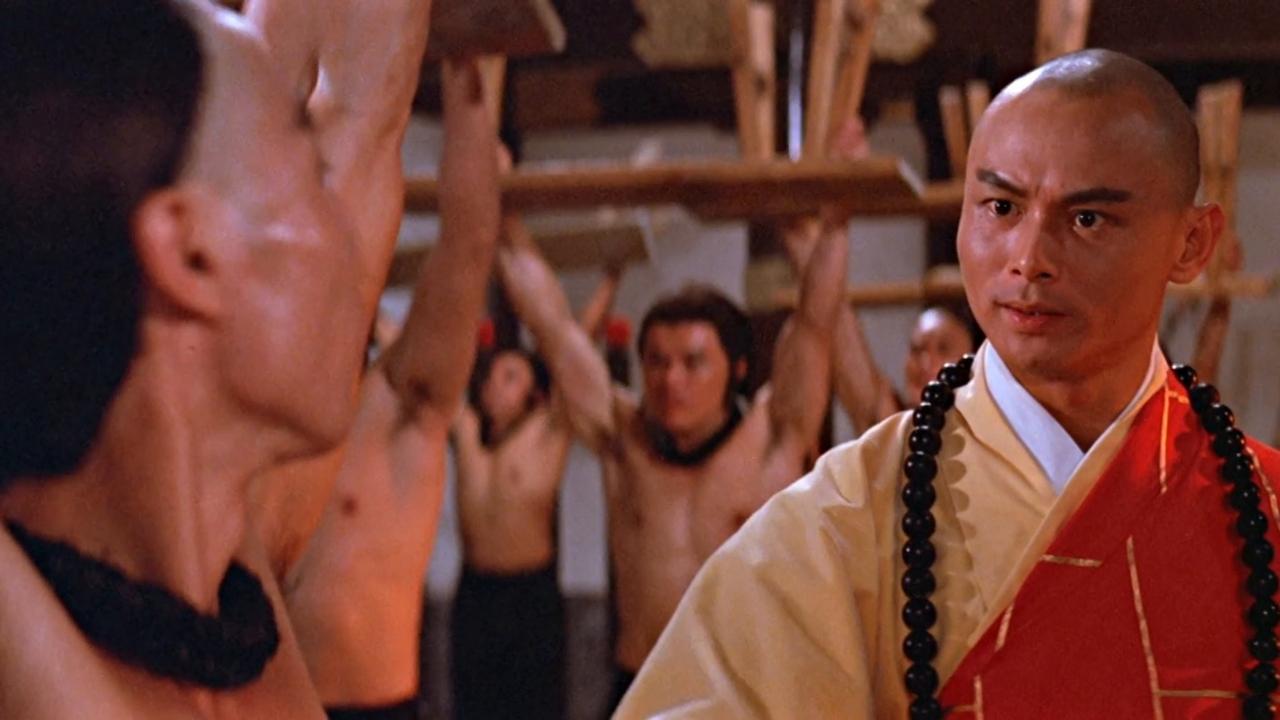
If you popped this tape in expecting another dose of Gordon Liu's San Te enduring punishing trials to master kung fu, you were in for a shock – a delightful one, mostly. While the legendary Liu does return as the revered Abbot San Te, he’s now the established master, trying (and often failing) to maintain order. The spotlight here shines brightly, and often hilariously, on Hsiao Ho as Fong Sai-yuk. Sai-yuk isn't seeking enlightenment; he’s a talented, incorrigible troublemaker enrolled in the Shaolin school against his will by his mother (the always excellent Lily Li Li-Li) to keep him out of trouble with the local Manchu authorities. Naturally, he immediately starts causing more trouble, turning the hallowed grounds of Shaolin into his personal playground.
Hsiao Ho, a phenomenal acrobat and one of director Lau Kar-leung's most dynamic protégés (you might recognize his incredible agility from Mad Monkey Kung Fu or My Young Auntie), is perfectly cast. He embodies Sai-yuk's mischievous spirit with infectious energy, flipping, tumbling, and generally driving the stoic monks, including Master San Te, absolutely bonkers. It’s a far cry from the intensity of the first film, leaning heavily into martial arts comedy, and honestly? It’s refreshing.
### Lau Kar-leung Lightens Up
The shift in tone is fascinating, considering it comes from the same directorial hand. Lau Kar-leung, a titan of martial arts cinema and a man whose lineage traced back to the legendary Wong Fei-hung's disciples, essentially defined the serious training subgenre with The 36th Chamber of Shaolin (1978). Here, he proves just as adept at orchestrating chaos and comedy. It feels like Lau decided to have some fun, blending intricate choreography with slapstick situations. Maybe the Shaw Brothers studio, facing changing tastes in the mid-80s Hong Kong market, encouraged a lighter approach? Whatever the reason, the result is uniquely entertaining. A fun tidbit: Lau often meticulously planned his fights, sometimes even using detailed drawings, ensuring every movement served the story or character, even in a more comedic setting like this.
### Action That Pops (Literally)
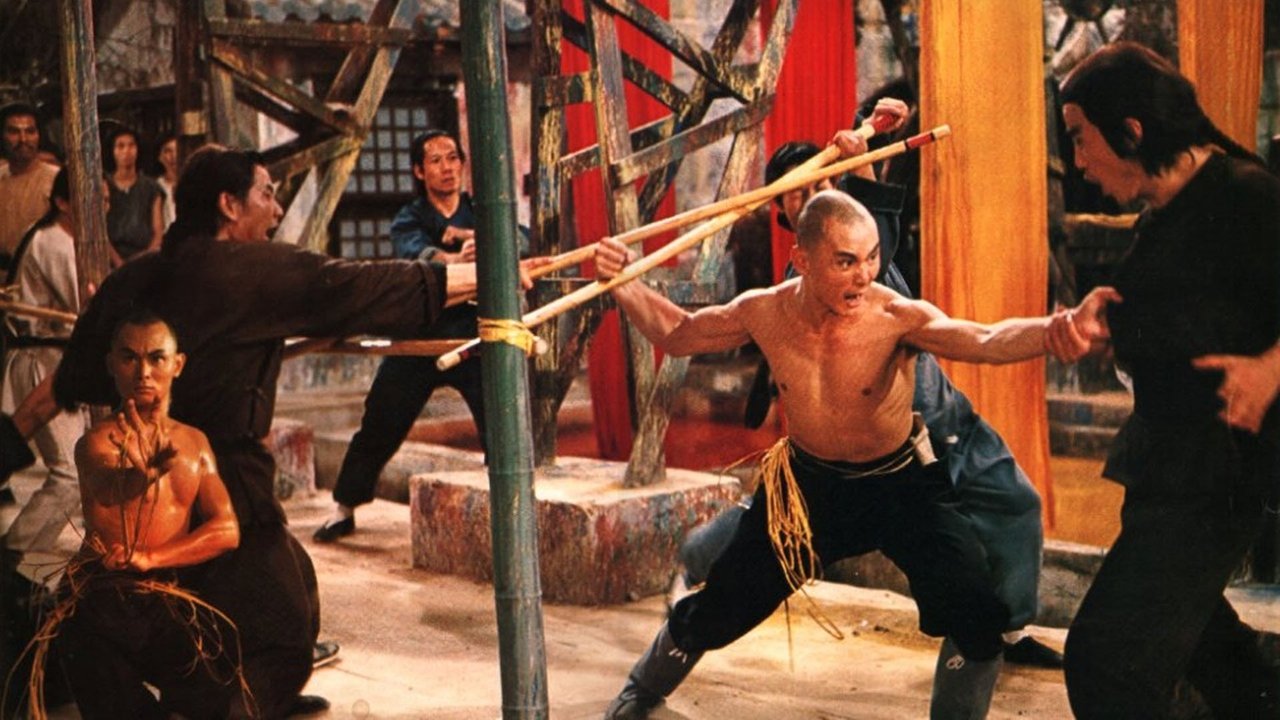
Okay, let's talk about the main event: the action. Even with the comedic slant, this is pure, uncut Lau Kar-leung goodness. Forget the slick, often weightless CGI battles of today. This is the real deal – practical stunts, intricate weapon work, and performers moving with a speed and precision honed through relentless training. Remember watching those complex sequences unfold in wide shots, really letting you appreciate the skill involved? That’s the magic here. The scaffolding fight sequence is a particular highlight, a dizzying display of agility and timing that feels genuinely dangerous because, well, it probably was! There's a tangible physicality to it all – the thwack of bamboo poles, the clang of steel, the sheer athleticism of Hsiao Ho bouncing off walls and opponents. You can almost feel the impact through that fuzzy CRT screen. It’s a potent reminder of an era when action felt grounded and visceral, even at its most fantastical.
The choreography expertly blends Sai-yuk's playful, almost evasive style with the more traditional forms of the monks and the brute force of the Manchu antagonists. Gordon Liu, though in a supporting role, still commands the screen whenever he demonstrates San Te's effortless mastery, providing a perfect contrast to Hsiao Ho's youthful exuberance. It’s a testament to Lau's genius that he could make even the comedic fights feel technically brilliant.
### A Different Kind of Chamber Classic
Was Disciples of the 36th Chamber as culturally impactful as the original? Probably not. The first film was a game-changer, a serious exploration of discipline, rebellion, and the acquisition of skill that resonated deeply. This third entry (after the less connected Return to the 36th Chamber which also starred Gordon Liu in a different, comedic role) is aiming for something else entirely: pure entertainment. It found its audience on home video, becoming one of those sequels you’d happily rent again for a guaranteed good time, even if it didn't carry the same gravitas. It’s a showcase for the incredible talents of Hsiao Ho and a demonstration of Lau Kar-leung’s versatility.
Rating: 7/10
This rating reflects a film that absolutely succeeds on its own terms. It's not trying to replicate the iconic original; it's forging its own path with infectious energy, brilliant comedic timing from Hsiao Ho, and the reliably fantastic fight choreography we expect from Lau Kar-leung and the Shaw Brothers stable. The plot is simple, sure, but the execution is pure joy for fans of classic kung fu cinema. It might lack the depth of its progenitor, but it more than makes up for it in sheer fun and physical prowess.
Final Thought: Disciples of the 36th Chamber is like finding that worn VHS tape that promises serious kung fu but delivers a joyous, high-kicking comedy instead – proof that even Shaolin masters sometimes faced cosmic-level teenage angst, settled with fists and feet instead of slammed doors. Glorious 80s Hong Kong gold.