Alright, pull up a beanbag chair, maybe crack open a Tab if you can find one, because we’re diving deep into the fog machine-laden forests of 1980 for a true VHS treasure: Hawk the Slayer. If your local video store back in the day had a fantasy section that wasn't just Conan the Barbarian, chances are this earnest oddity graced its shelves, beckoning with promises of swords, sorcery, and… well, something uniquely British and low-budget.
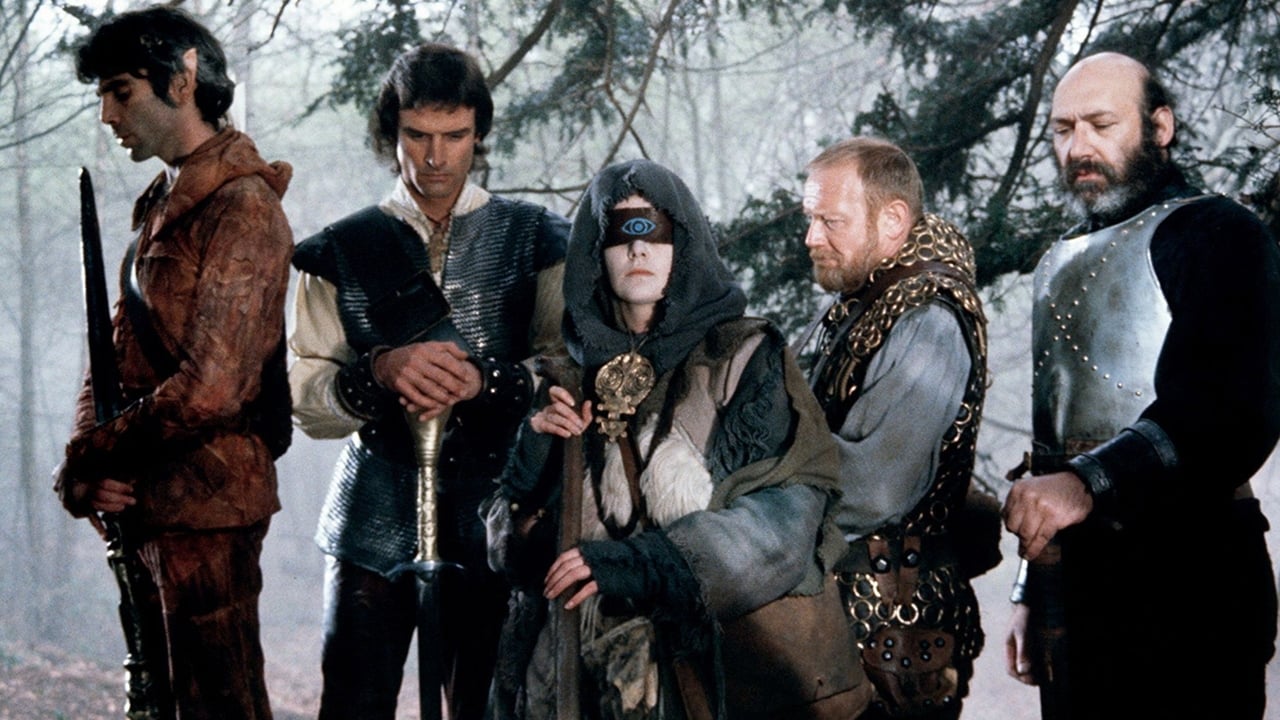
Finding Hawk the Slayer felt like unearthing a secret. It wasn't slick like the big Hollywood epics that would follow, oh no. This felt rougher, weirder, like it was beamed directly from someone’s slightly peculiar Dungeons & Dragons campaign. The plot itself is classic fantasy fare: the noble Hawk (John Terry, in one of his earliest roles before later turns in things like Full Metal Jacket and TV's Lost) must avenge his murdered father and kidnapped bride-to-be from his hideously scarred, thoroughly evil older brother, Voltan. Standard stuff, right? But it’s the execution, the sheer vibe of this film, that lodges it firmly in the dusty corners of our retro-loving hearts.
### Meet the Fellowship of the Slightly Peculiar
Hawk doesn't go it alone, naturally. He assembles a crack team that feels wonderfully cobbled together. You've got Gort, the gentle giant played by the legendary British comedy actor Bernard Bresslaw (instantly recognizable to UK viewers from the Carry On films – a surprisingly poignant casting choice). Then there's Crow, the stoic elf with surprisingly good aim; Baldin, the resourceful dwarf; and Eliane, a sorceress whose magic often involves dramatic hand gestures and suspiciously convenient plot devices. They’re a far cry from Tolkien's fellowship, more like the kind of adventuring party you’d end up with after rolling some seriously weird character stats, but their camaraderie feels genuine, if awkwardly scripted at times.
But let's be honest, the pulsating, scenery-devouring black heart of this movie is Jack Palance as Voltan. Fresh off decades of playing memorable heavies, Palance seems to relish every single moment on screen. Was he just cashing a cheque? Maybe. Word is he took the role partly because it filmed near his UK home, but whatever the reason, he commits. His Voltan isn't just evil; he's a symphony of snarling, glowering, helmeted malevolence, delivering lines like "I WANT THE POWER!" with a conviction that threatens to crack the very film stock. Every scene he’s in elevates the proceedings from charmingly amateurish to gloriously watchable B-movie magic.
### Swords, Smoke Bombs, and That Crossbow
Okay, let's talk action and effects, because this is where Hawk the Slayer truly earns its VHS Heaven stripes. Forget seamless CGI; this is the era of tangible, sometimes wobbly, practical magic. The sword fights are clunky, earnest affairs – you can almost hear the actors counting the steps. But there’s a weight to them, a sense of real metal (or painted wood) clashing. And the magic? Oh, the magic! It often consists of coloured smoke, dramatic lighting shifts, and the occasional superimposed energy bolt that looks like it was drawn directly onto the celluloid. It’s charmingly rudimentary, but wasn't that part of the fun back then? Seeing how they tried to make the impossible real with limited tools?
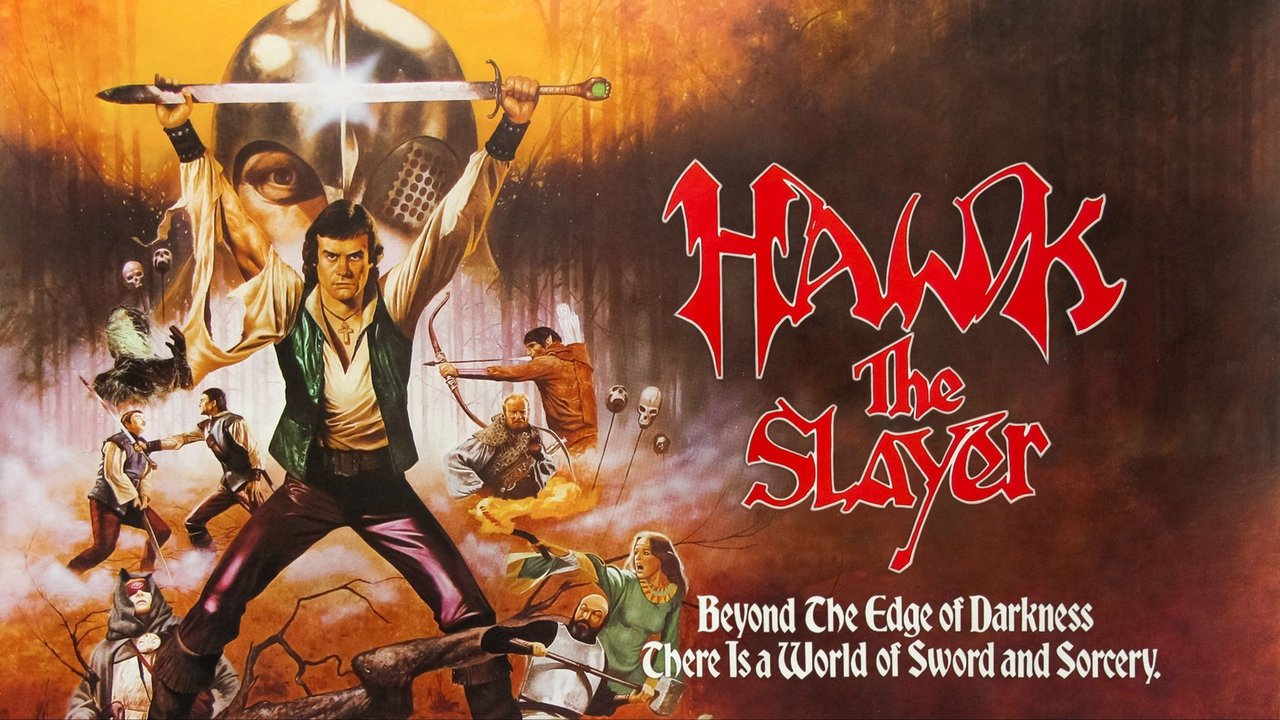
The film was directed and co-written by Terry Marcel, who famously pitched it as a "sword and sorcery spaghetti western," and you can sort of see it – the lone hero, the quest for revenge, the distinct good vs. evil. Marcel stretches his obviously meagre budget (reportedly around £1 million, peanuts even then) admirably, utilizing familiar UK filming locations like Black Park in Buckinghamshire – a place that’s doubled for Sherwood Forest and alien planets countless times.
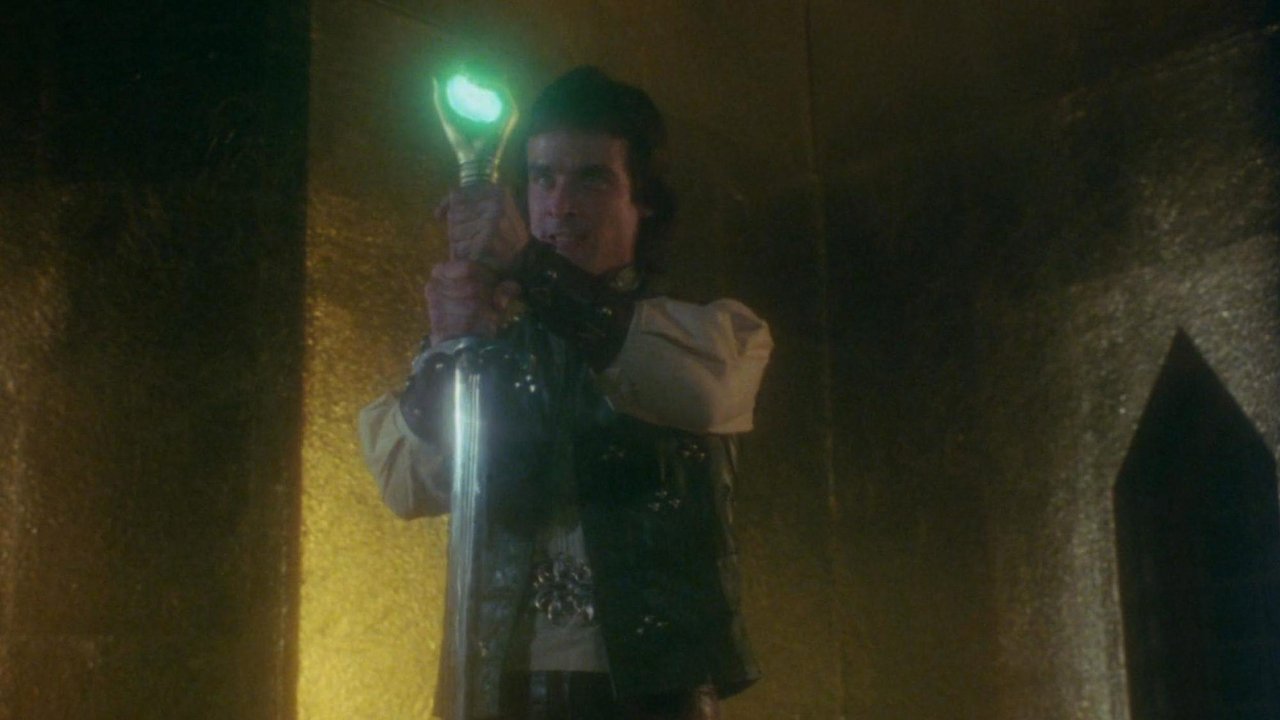
And then there's the Mindsword. Hawk’s inheritance, a magical blade that can leap into his hand on command (usually accompanied by a glowing green fist graphic and a cool sound effect). It’s a fantastic concept, hampered only slightly by the sometimes visible wire work. But the real technological marvel, the piece de resistance of 80s fantasy weaponry in this film? The rapid-fire crossbow. Watching Hawk mow down Voltan’s minions with this implausible contraption, complete with whirring sounds and bolts firing way faster than physics should allow, was pure adolescent wish fulfilment. How did they do it? Likely a simple spring-loaded mechanism hidden off-camera, but on your grainy CRT screen, it felt like the future of medieval warfare.
### That Unforgettable Soundtrack
You absolutely cannot discuss Hawk the Slayer without mentioning the score by Harry Robertson (who also co-wrote the screenplay and sometimes composed under the name Harry South). It’s… something else. A bizarre, often brilliant fusion of orchestral fantasy swells, prog-rock noodling, and pure, unadulterated 70s/80s disco-synth beats. There are moments where a dramatic confrontation is scored like a space battle happening at Studio 54. It's jarring, it's weird, it's completely inappropriate half the time, and yet… it’s utterly perfect for this movie. It contributes massively to the film's unique, slightly off-kilter identity. It's a score you either love for its audacity or mock mercilessly, but you definitely don't forget it.
### Legacy on Tape
Critics at the time were mostly unkind, and the film didn't exactly set the box office ablaze. Plans for a sequel, Hawk the Hunter, languished for decades, becoming a kind of legendary "what if?" among fans (though a Kickstarter campaign eventually funded a sequel project much later). But Hawk the Slayer found its true home on VHS. Rented countless times, passed between friends, discovered late at night on cable – it became a cult classic precisely because of its flaws, its earnestness, and its handful of genuinely cool ideas struggling to escape the low budget. It’s a film made with palpable enthusiasm, even if the execution sometimes falters.
Rating: 6/10
Justification: Hawk the Slayer is far from a masterpiece. The acting (Palance aside) is often wooden, the dialogue clunky, and the effects undeniably cheap. However, it scores points for its sheer ambition within its limitations, Palance's iconic villain performance, the unforgettable score, that awesome crossbow, and its undeniable cult charm. It perfectly encapsulates that specific flavour of early 80s fantasy that tried so hard and occasionally stumbled into something genuinely memorable. It's a film whose heart is bigger than its budget.
Final Thought: For every perfectly polished fantasy epic, there's a Hawk the Slayer lurking in the VHS archives – endearingly awkward, strangely hypnotic, and proof that sometimes, a fistful of smoke bombs and a really great villain are all you need for a good time. It's a glorious relic of a time when imagination, not rendering power, was king.