It begins not with a clash of steel, but with words etched against a stark background: "That which does not kill us makes us stronger." Friedrich Nietzsche setting the stage for John Milius's brutal and mythic Conan the Barbarian (1982). More than just an opening quote, it’s the film’s very thesis statement, hammered home with the relentless turning of the Wheel of Pain that follows. Watching it again, decades after first sliding that hefty cassette into the VCR, the film’s raw, elemental power feels undiminished. It's a movie less concerned with intricate plotting than with capturing a primal feeling – the weight of destiny, the burning furnace of vengeance, the sheer physicality of survival in a world indifferent to suffering.
### The Age of High Adventure, Forged in Steel
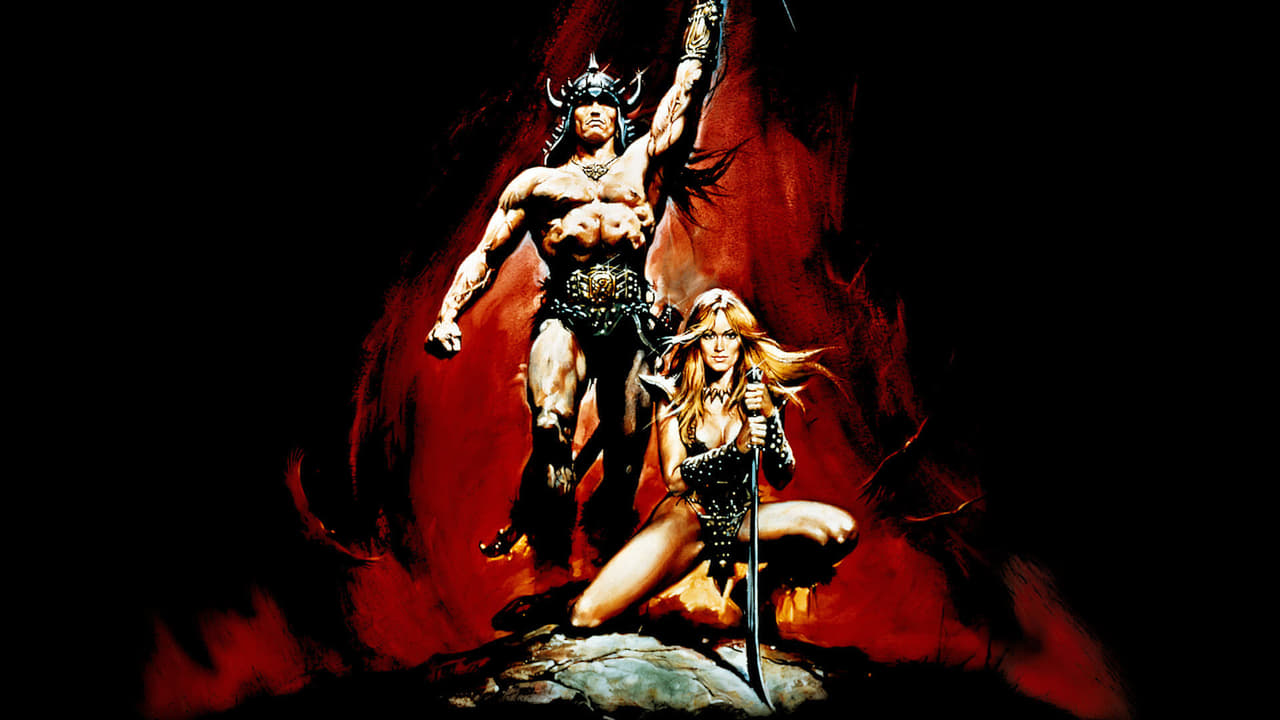
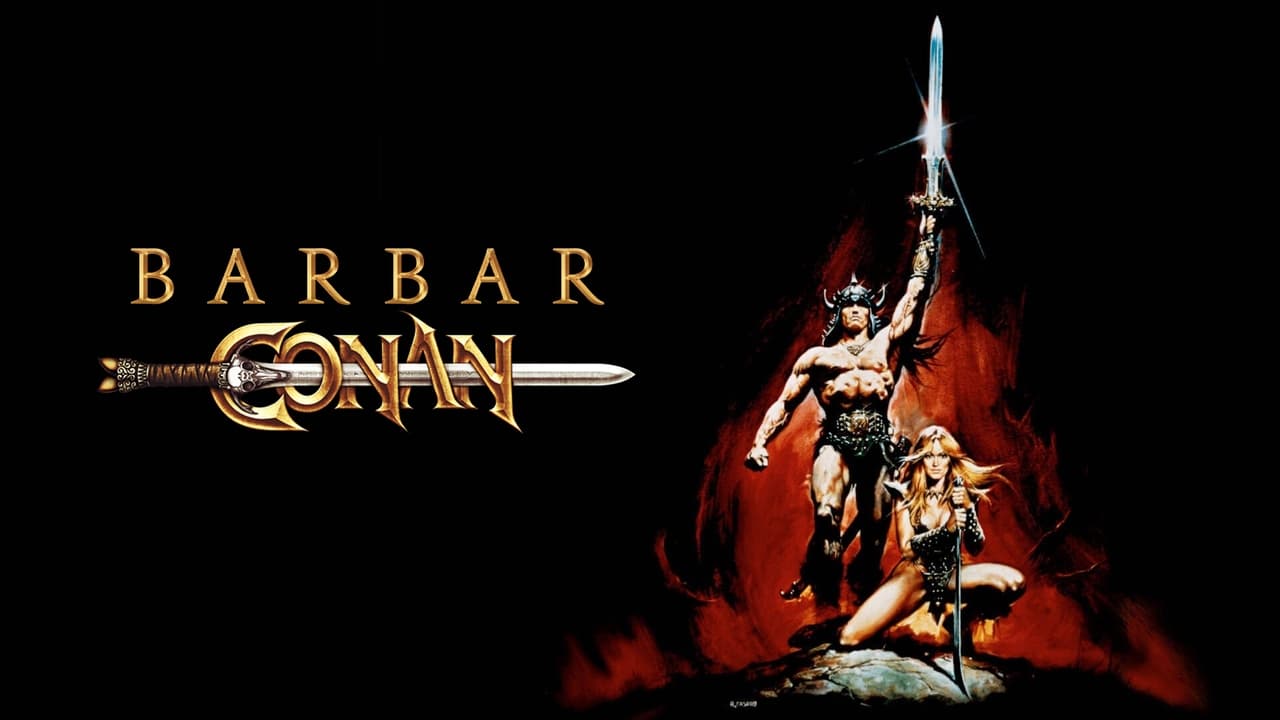
Forget the clean, often sanitized fantasy that followed. Milius, a director known for his fascination with rugged individualism and martial codes (think Red Dawn or his work on Apocalypse Now), crafts a Hyborian Age that feels genuinely ancient and dangerous. This isn't Middle-earth; it’s a landscape of stark beauty and sudden violence, rendered tangible by Ron Cobb's masterful production design. The sets, the costumes, the weaponry – everything feels worn, used, heavy with history. You can almost smell the dust, the blood, the cold mountain air. Milius famously wanted a historical feel, rejecting much of the overt magic found in Robert E. Howard's original stories, grounding the fantasy in a visceral reality. It’s a choice that gives the film its unique, almost anthropological weight. I remember the imposing box art at the local video store – Schwarzenegger, sword held high – promising exactly this kind of raw, untamed adventure, and the film delivered on that promise in spades.
### A Star Forged at the Wheel
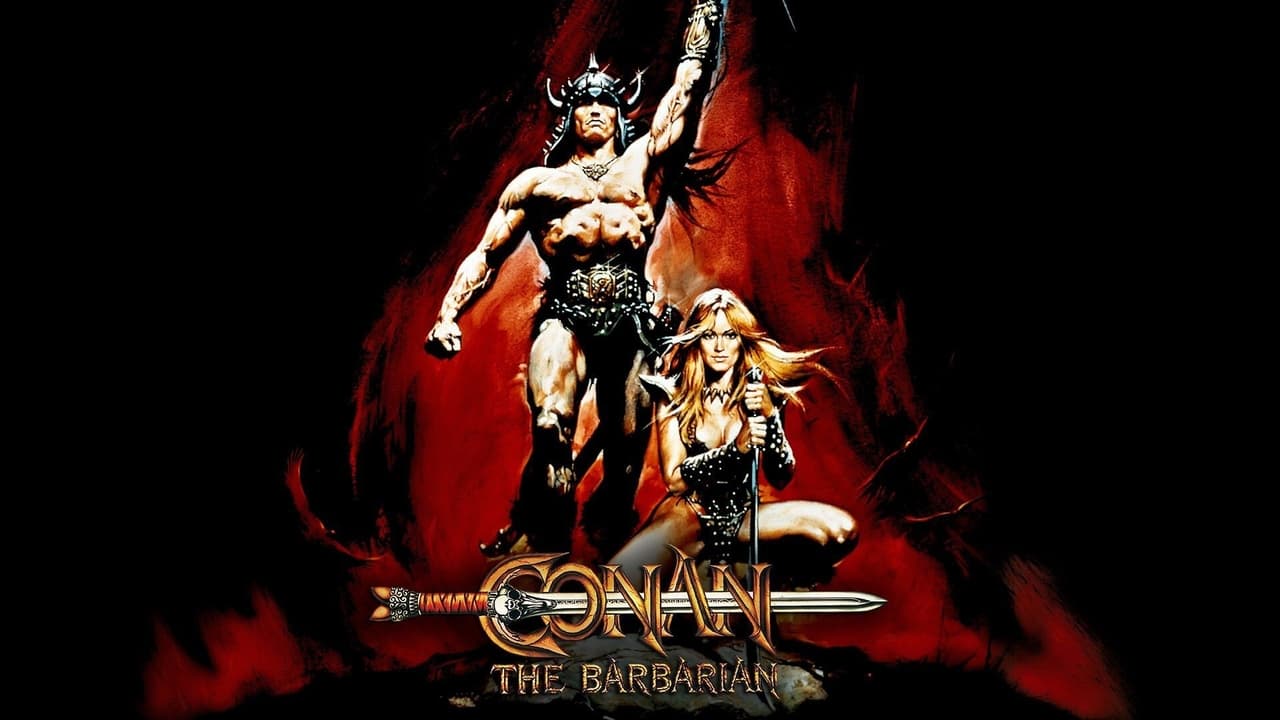
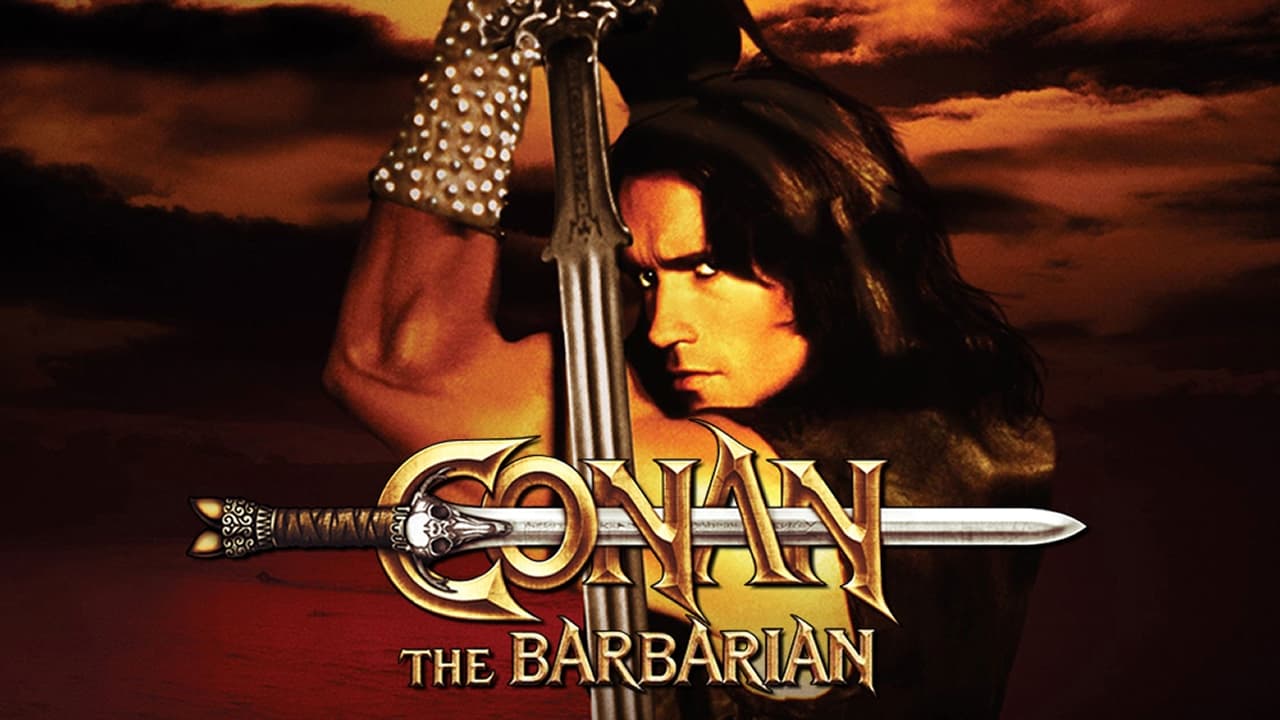
And then there's Arnold Schwarzenegger. It’s impossible to imagine Conan without him. While his dialogue is famously sparse (legend has it Milius deliberately cut lines, believing Arnold's screen presence spoke volumes), his physical performance is the character. Fresh off his Mr. Olympia victories, Arnold embodies Conan not just through muscle, but through movement, posture, and sheer imposing presence. He looks like a figure ripped from a Frank Frazetta painting. Milius even reportedly had Arnold reduce some muscle mass from his peak bodybuilding form to achieve a look closer to a panther than a "house," more fitting for a swift swordsman. He learned sword fighting extensively for the role, performing many of his own stunts, which adds a layer of authenticity to the brutal, often chaotic fight sequences. This wasn't acting in the traditional sense, perhaps, but it was a perfect fusion of performer and role that launched Schwarzenegger into the stratosphere of action stardom. Can you really picture anyone else pushing that Wheel of Pain for all those years?
### Shadows and Steel: Allies and Antagonists
Surrounding Arnold is a cast that perfectly complements the film's tone. Sandahl Bergman as Valeria is no mere damsel in distress. A trained dancer, she brings an astonishing grace and ferocity to the role, winning a Golden Globe for her troubles. Her physicality matches Arnold's, making their bond feel earned and their combined combat prowess believable. Milius specifically sought dancers for both Valeria and Gerry Lopez (Subotai) believing they possessed the physical discipline and expressive movement needed for warriors. And towering over them all, figuratively and often literally, is James Earl Jones as Thulsa Doom. Jones, lending his iconic voice – the same voice that gave life to Darth Vader just a few years prior – crafts a villain who is utterly magnetic. He’s not just a warlord; he's a cult leader, charismatic and terrifying, his calm pronouncements often more chilling than any overt threat. His monologue about the power of flesh over steel remains one of the film's most potent moments.
### The Anvil of Crom: Milius's Vision and Poledouris's Thunder
Milius’s direction is uncompromising. He embraces the long takes, the atmospheric silences, allowing the weight of the world and Conan’s journey to sink in. The violence, controversial at the time and contributing to battles with the ratings board for its R-rating, feels integral, not gratuitous – the harsh consequence of life in this savage land. Apparently, the original script co-written with Oliver Stone was even wilder, possibly set in a post-apocalyptic future with mutants, before Milius reshaped it into the more grounded sword-and-sorcery epic we know. This commitment to a specific, gritty vision is palpable throughout.
But perhaps the film's most enduring element, aside from Arnold's silhouette, is Basil Poledouris's monumental score. It's not just background music; it is the soul of the film. From the pounding percussion of "Anvil of Crom" to the mournful strings accompanying Conan's lament, the score elevates the narrative to operatic heights. It’s powerful, primal, and utterly unforgettable – a character in its own right. Milius, deeply involved in the music's creation, reportedly played Wagner and other classical pieces on set to establish the desired mood, and Poledouris delivered one of the truly great fantasy scores of all time. It’s the kind of music that makes you want to run up a hill with a sword, even if it’s just the one from your childhood He-Man set.
### Echoes in the Cave
Conan the Barbarian wasn't just a hit (grossing roughly $70-80 million worldwide on a $20 million budget – a solid return translating to significant figures today); it carved out a space for a darker, more adult form of fantasy cinema. It heavily influenced the look and feel of the genre throughout the 80s, spawning imitators and a less successful, more family-friendly sequel, Conan the Destroyer (1984), and eventually a 2011 remake that failed to capture the original's raw power. Its DNA can be seen in countless films and even video games that followed. Despite some pacing lulls, particularly in the middle section, and dialogue that occasionally borders on the simplistic (though often intentionally so), its strengths are undeniable. The sheer conviction of its world-building, the iconic central performance, the unforgettable score, and Milius’s unwavering, brutal vision make it a landmark of the era.
Rating: 9/10
This rating reflects the film's towering achievement in establishing a gritty fantasy aesthetic, its iconic lead performance, its masterful score, and its sheer, enduring primal power. It's a near-perfect execution of Milius's singular vision, a benchmark against which subsequent sword-and-sorcery films are often measured. What lingers most after the Cimmerian fades from the screen? Not just the spectacle, but the quiet weight of that opening quote, the feeling of having witnessed something truly mythic unfold.