The flickering static gives way, and the familiar MGM lion roars, but the film that follows feels worlds away from Hollywood gloss. Instead, we're plunged into the quiet, almost suffocating normality of suburbia, a place where manicured lawns and white picket fences conceal a creeping dread. 1980's He Knows You're Alone arrived just as the slasher wave was truly cresting, a chilling whisper following the deafening scream of Halloween (1978) and landing the very same year Jason first donned a sack in Friday the 13th. It doesn’t aim for grandiose terror, but for something perhaps more insidious: the violation of the ordinary, the certainty that unseen eyes are watching your most private moments.
The Bride Wore Black (Figuratively)
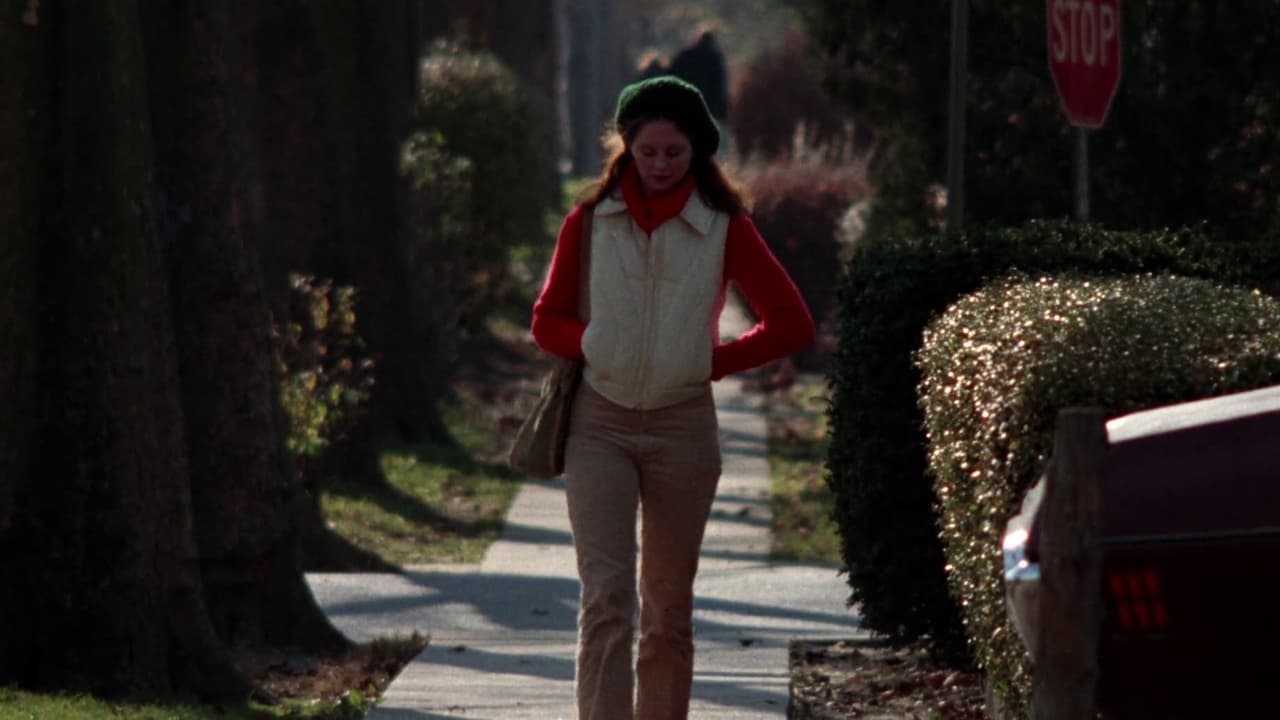
The premise is elegantly simple, tapping into a primal fear. Amy Jensen (Caitlin O'Heaney) is days away from her wedding, a time meant for joyful anticipation. Instead, she's plagued by a growing sense of unease, haunted by news reports of brides being murdered and the distinct feeling she’s being stalked. The killer, Ray Carlton (Tom Rolfing, though mostly glimpsed in shadow), targets women on the cusp of marriage, a chillingly specific M.O. that hangs over Amy's preparations like a shroud. Director Armand Mastroianni, in one of his earliest feature films, leans heavily into this atmosphere of vulnerability. The threat isn’t some supernatural force, but a man – chillingly, terrifyingly human – who could be anywhere, hiding in plain sight. Does that almost mundane nature of the threat make it even more unnerving, knowing it doesn't take a monster, just a disturbed individual?
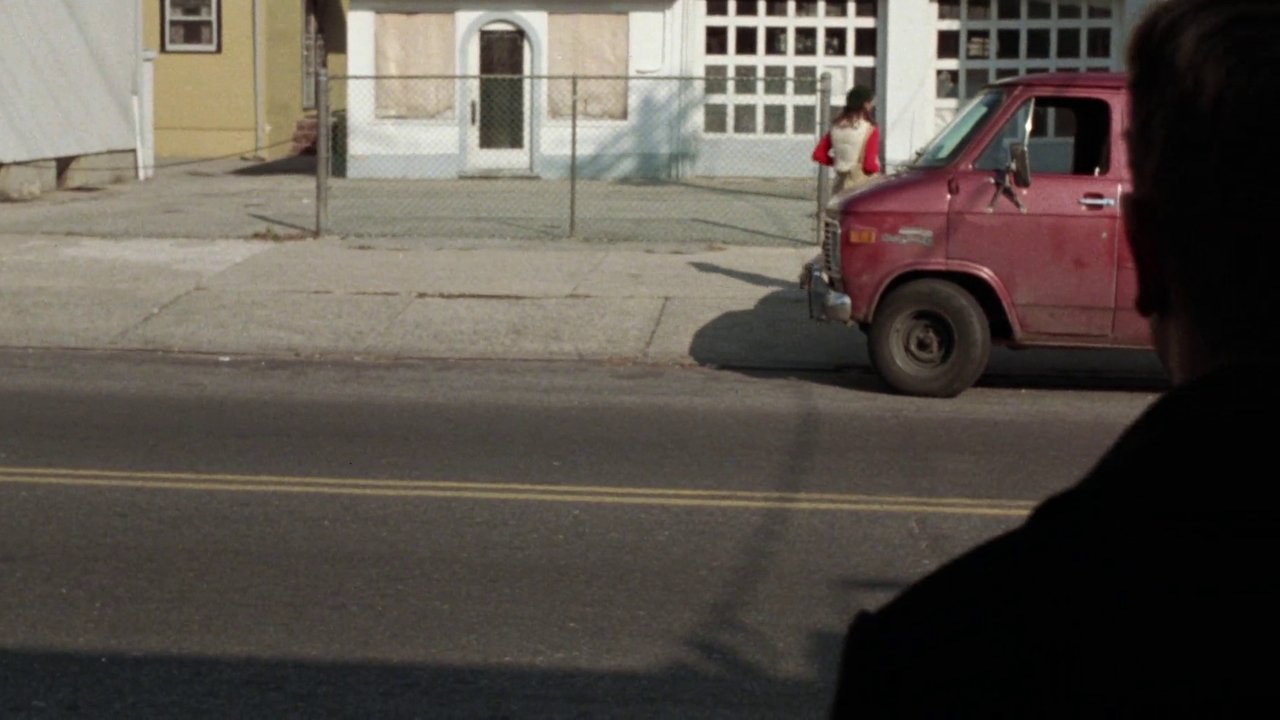
The film wisely spends time establishing Amy’s world: her supportive but somewhat oblivious fiancé Phil (James Rebhorn in an early role), her concerned friends Nancy (Elizabeth Kemp) and Joyce (Patsy Pease), and her conflicted ex-boyfriend Marvin (Don Scardino), a detective who becomes increasingly convinced Amy is in real danger. This focus on character, while sometimes slowing the pace compared to its contemporaries, grounds the horror. We feel Amy's isolation grow, even when surrounded by people. The daytime scenes, often shot with a slightly washed-out, naturalistic look common to low-budget affairs of the era, possess their own kind of tension. The horror isn't just confined to the night; it walks alongside her in the light.
A Familiar Face in the Shadows
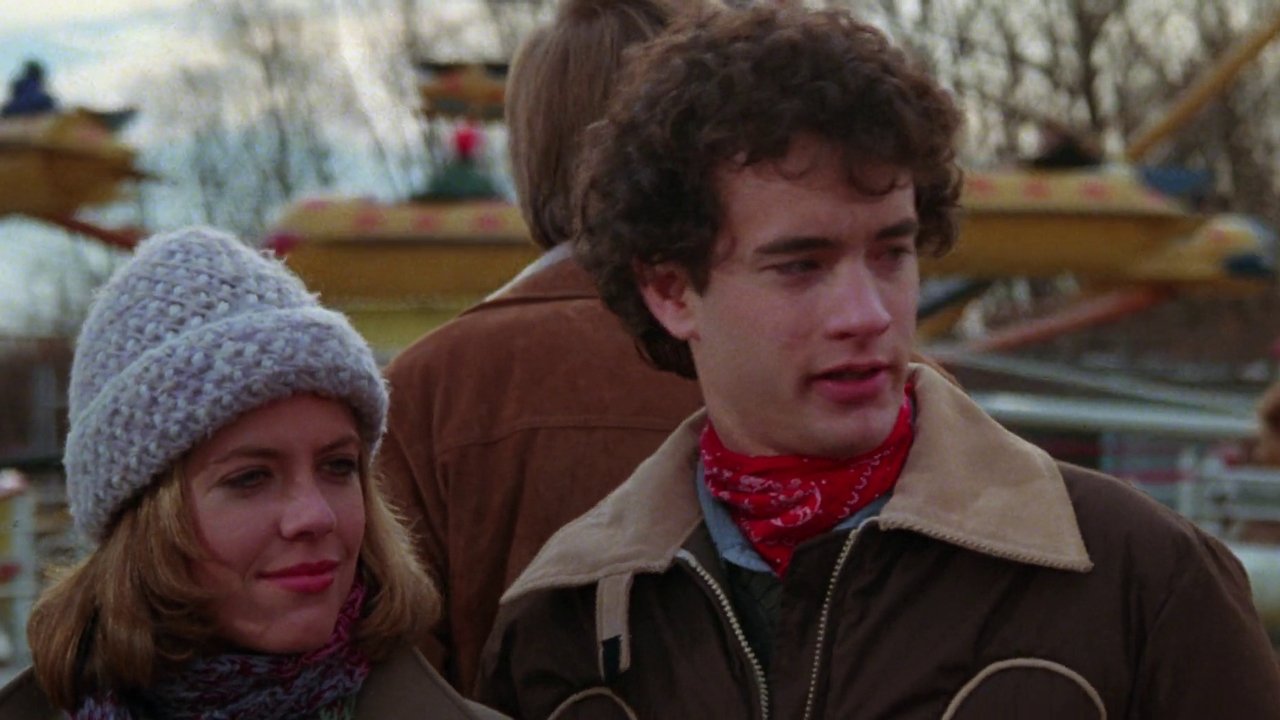
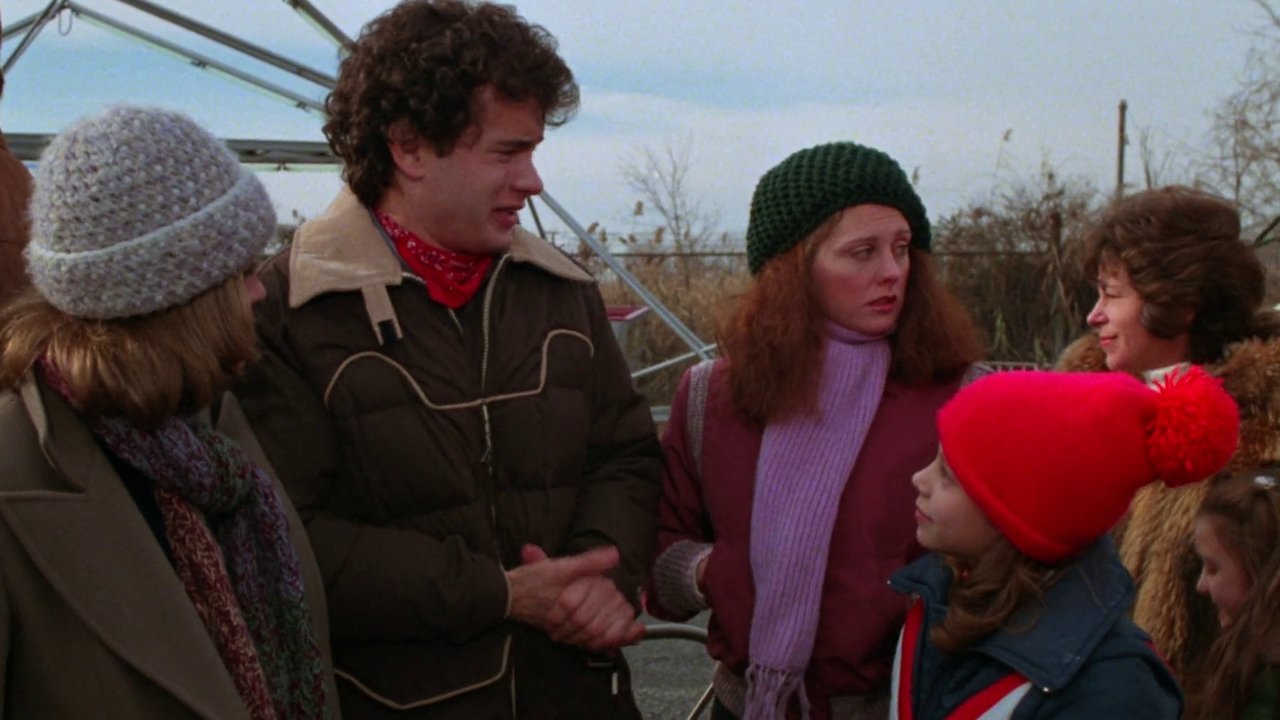
Of course, for many VHS hunters revisiting this title, there’s one specific face they’re looking for. In his feature film debut, a young Tom Hanks appears in a minor role as Elliot, a psychology student whose jog through the woods is briefly interrupted. It's a fleeting appearance, offering little hint of the global superstardom to come, but it remains one of the film’s most enduring pieces of trivia. Reportedly, Hanks' character was originally meant to be killed off, but the filmmakers found him so likable they altered the script. It’s a fascinating "what if" and a startling reminder that even cinematic titans often start in the unassuming corners of genre filmmaking. Seeing him here, earnest and slightly goofy, feels like uncovering a hidden frame in Hollywood history.
Beyond the star-spotting, the performances are earnest and effective for the material. Caitlin O'Heaney carries the film well, conveying believable mounting terror. Don Scardino, who many might remember from Cruising (1980) released the same year, provides a sympathetic anchor as the ex trying to protect her. Elizabeth Kemp, who sadly passed away in 2017, brings warmth and vulnerability to her role as Amy's best friend, making her scenes particularly impactful.
The Staten Island Stalker
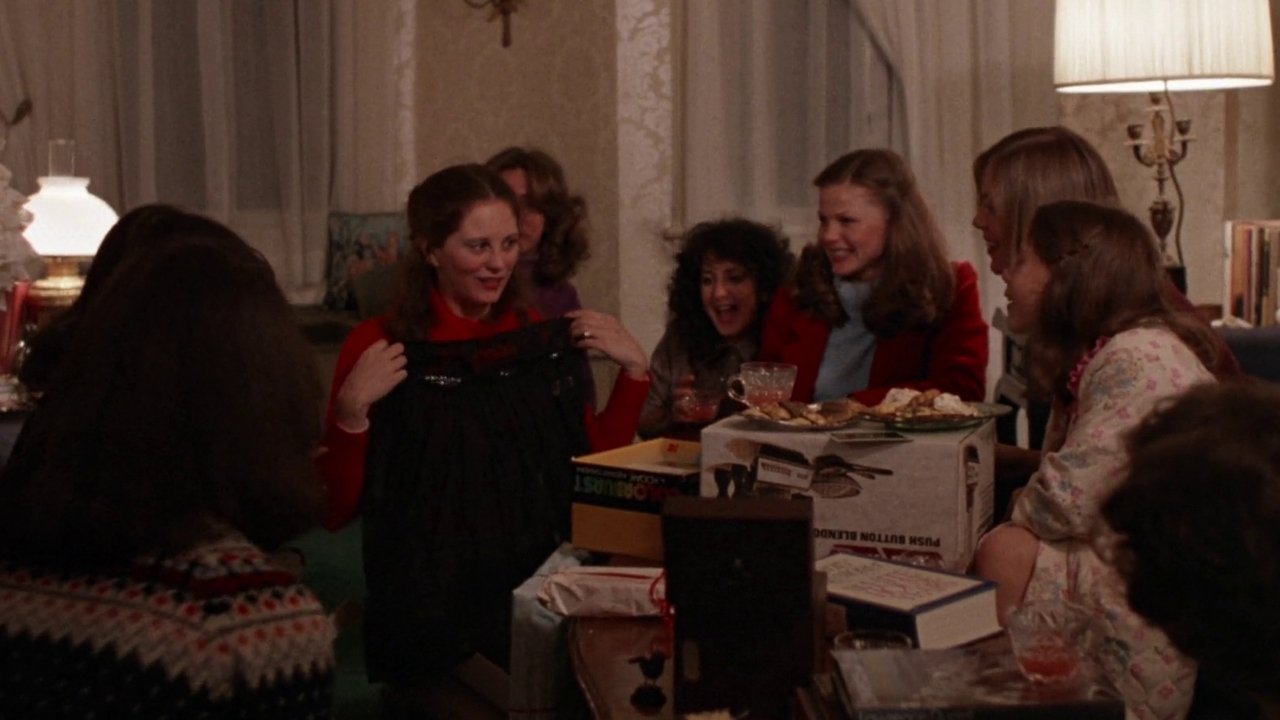
Shot largely on location in Staten Island, New York, for a mere $250,000 (roughly $930,000 today), He Knows You're Alone wears its budget on its sleeve, but often uses it to advantage. The lack of polish lends a certain grimy realism. The familiar suburban houses and streets feel lived-in, making the intrusion of violence feel more personal. Mastroianni employs classic suspense techniques – POV shots from the killer's perspective, shadowy figures lurking just out of frame, sudden cuts accompanied by sharp musical stings from composer Alexander Peskanov. While it undeniably borrows heavily from Carpenter's Halloween playbook, there are moments where it achieves its own quiet chills. A sequence in a deserted amusement park funhouse, though perhaps cliché now, still holds a certain eerie power. The film understands that sometimes the anticipation, the knowing someone is there, is more frightening than the eventual confrontation.
However, the film isn't without its shortcomings. The pacing can lag, especially in the middle act, and some of the kill scenes, while occasionally effective (the movie theater sequence comes to mind), lack the brutal invention that would come to define later slashers. It feels somewhat restrained compared to the gorefests that followed, relying more on suggestion and suspense, which might disappoint viewers seeking relentless carnage but please those who prefer a slow burn. It doesn't rewrite the slasher rulebook, but comfortably resides within its established boundaries, a solid, if unremarkable, entry in the burgeoning subgenre. It did manage a respectable box office return of nearly $5 million, proving there was a definite appetite for this kind of suburban nightmare.
Echoes in the Aisles
He Knows You're Alone might not be the first slasher film that jumps to mind, often overshadowed by its more iconic brethren. Yet, there's a certain undeniable charm to its straightforward, atmospheric approach. It captures a specific moment in horror history – the transition from the gritty realism of the 70s to the formulaic, but often wildly entertaining, slasher boom of the 80s. It's a film built on suggestion and the unsettling feeling of being watched, favoring quiet dread over overt shocks for much of its runtime. Finding that worn VHS copy tucked away on a rental shelf felt like unearthing a slightly forgotten secret, a chiller that promised suburban terror delivered with workmanlike efficiency.
Rating: 6/10
Justification: While heavily derivative of Halloween and somewhat slow-paced, He Knows You're Alone succeeds in creating a palpable sense of unease and vulnerability. Decent performances, effective use of its low budget for atmosphere, and its status as an early entry in the 80s slasher cycle (plus the notable Tom Hanks debut) make it a worthwhile watch for genre enthusiasts. It doesn't reach the heights of the classics, but it delivers competent suspense and a distinct mood of quiet suburban dread that lingers.
Final Thought: It may not have the sharpest blade in the slasher canon, but He Knows You're Alone is a fascinating snapshot of the genre finding its footing, a quiet chiller that reminds us sometimes the most terrifying thing isn't the monster in the dark, but the ordinary face watching from the shadows.