It exists less as a film and more as a scar on the landscape of cinema. There are movies that thrill, movies that scare, and then there are films like Meir Zarchi's notorious 1978 provocation, originally titled Day of the Woman, but forever burned into grindhouse and home video history as I Spit on Your Grave. This isn't a tape you casually popped into the VCR for a Friday night laugh. Finding this on the shelf, often tucked away in a corner reserved for the truly transgressive, felt like unearthing something forbidden, something raw and dangerous. And in many ways, it was.
The Silence Before the Storm
The film opens with deceptive tranquility. Jennifer Hills (Camille Keaton, Buster Keaton's grandniece, a fact often noted but starkly contrasting the grim proceedings), a writer seeking solitude to finish her novel, rents an isolated cabin in the Connecticut woods. The initial scenes are almost languid, focusing on the beauty of the setting, the quiet routines of a woman alone. But beneath the surface, menace gathers like storm clouds. The leering gazes of local men – Johnny (Eron Tabor), Matthew (Richard Pace), Stanley, and Andy – puncture the peace. There's an inevitability to the horror that follows, a slow-burn dread built not on jump scares, but on the sickening recognition of predatory intent. Zarchi uses the picturesque setting not for comfort, but to emphasize Jennifer's profound isolation, amplifying the terror when it finally erupts.
An Unflinching Ordeal
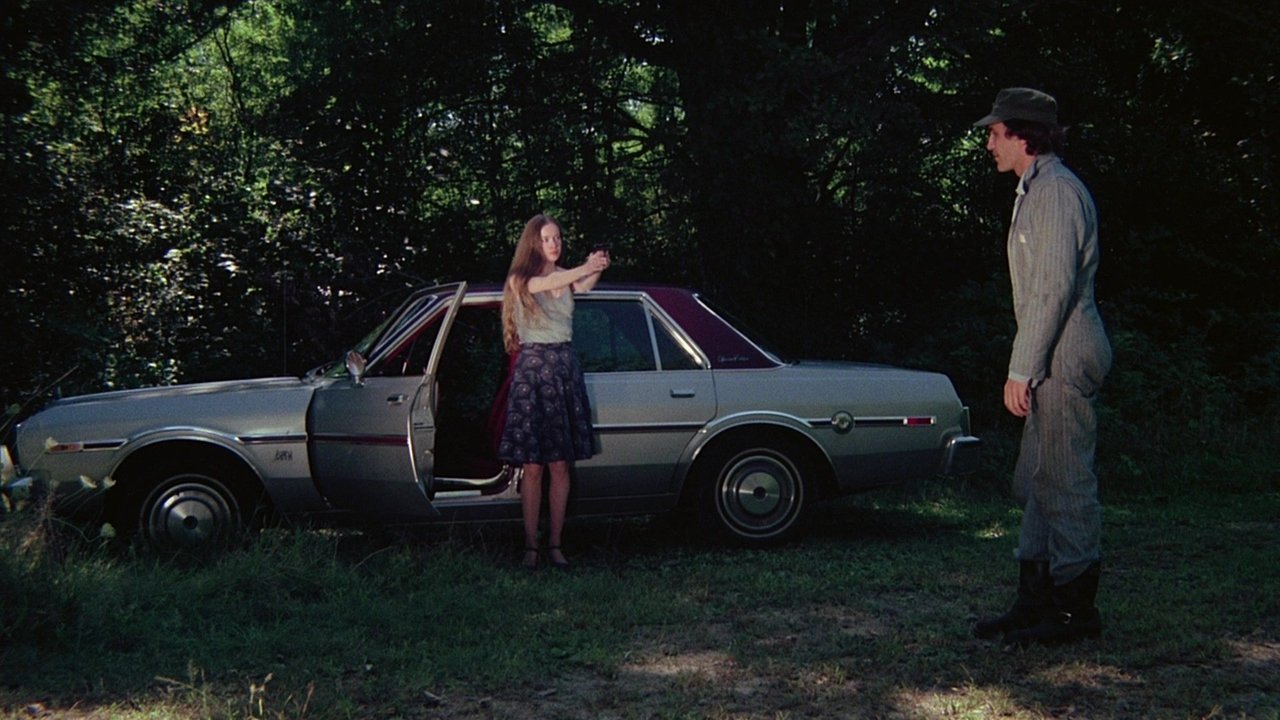
What follows is the film's dark heart and the core of its enduring controversy: a prolonged, brutal depiction of sexual assault. It's difficult to watch. Unrelentingly graphic and extended, it forces the viewer into the position of witness, stripping away any pretense of entertainment. Zarchi has stated he was inspired to make the film after encountering a real-life assault victim and being frustrated by the lack of justice. Whether this justifies the extreme depiction is a debate that has raged for decades. Critics like Roger Ebert famously condemned it as utterly irredeemable. Yet, the film’s refusal to sanitize or aestheticize the violence gives it a sickening power that few films dare to approach. It's raw, ugly, and deeply uncomfortable – precisely, perhaps, Zarchi's intention. Shot on 16mm with a gritty, almost cinéma vérité feel, the low budget enhances the sense of grim reality rather than detracting from it.
The Turn of the Screw
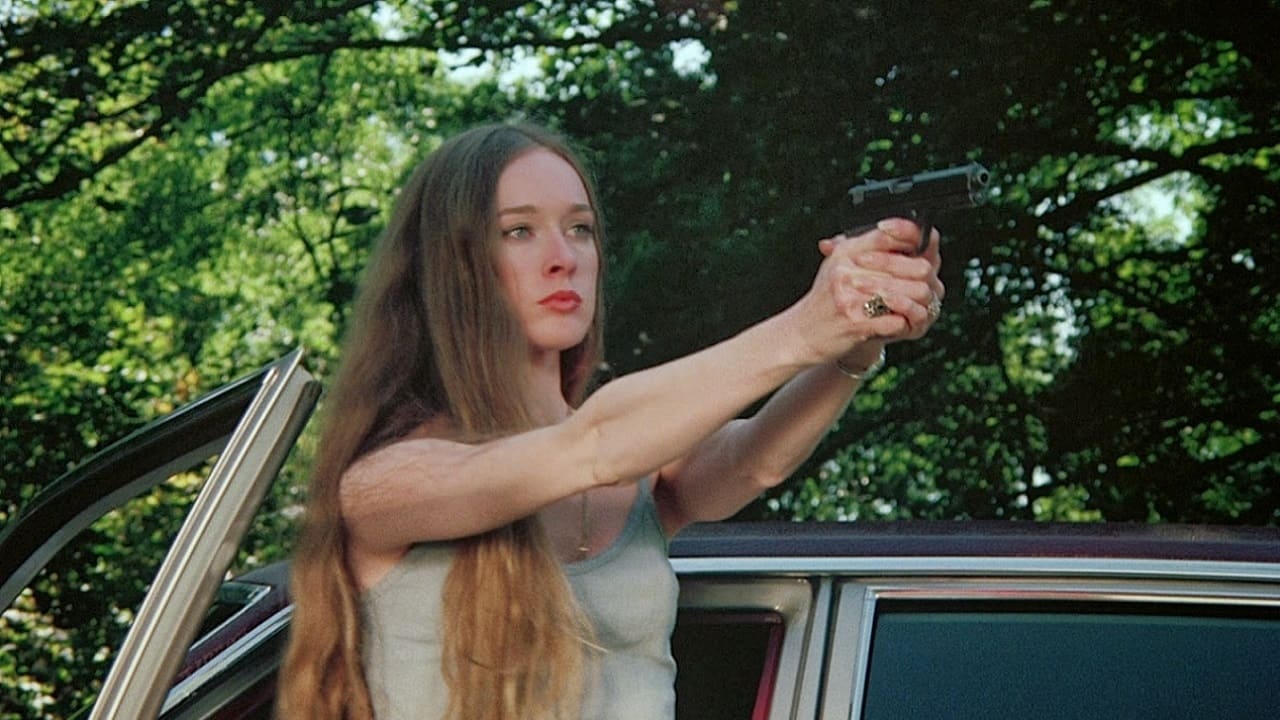
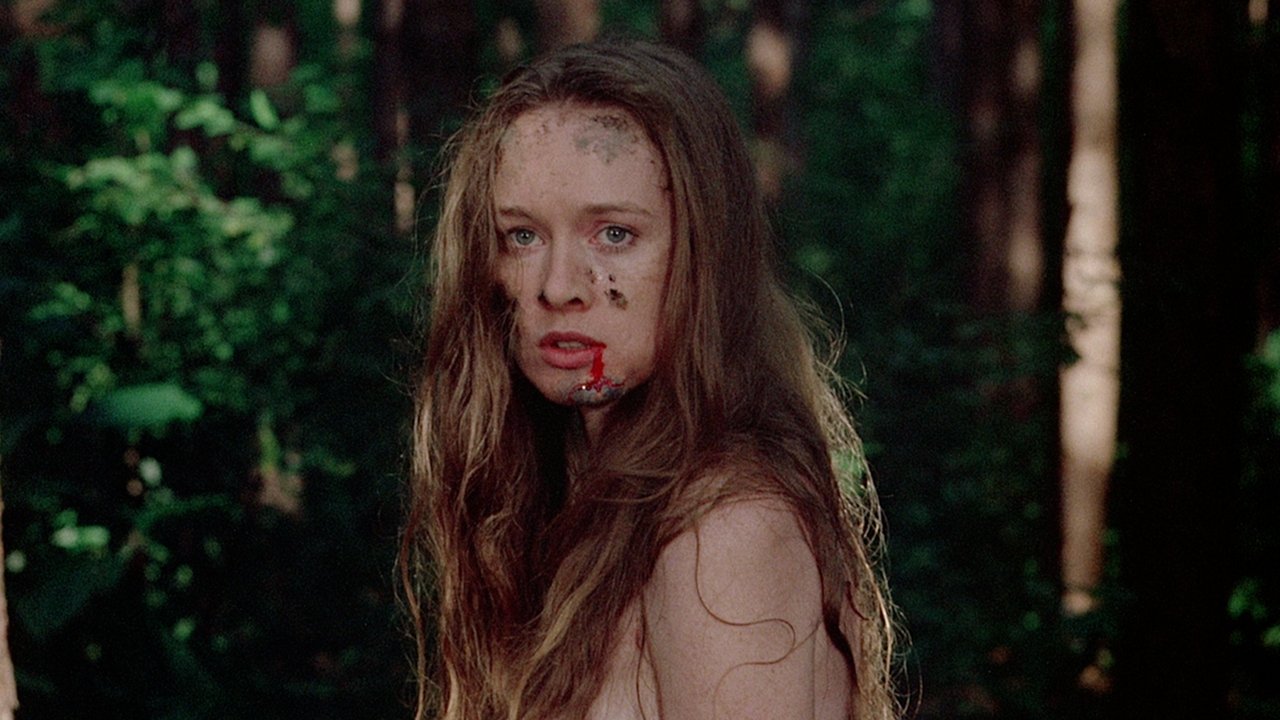
After the assault leaves Jennifer physically and psychologically shattered, the film pivots. Left for dead, she survives, recovers, and transforms. The second half becomes a methodical, equally brutal revenge saga. This is where the "rape-revenge" label truly solidifies. Jennifer, now an instrument of vengeance, lures her attackers one by one into carefully laid traps, dispatching them with a cold fury that mirrors their own cruelty. The methods are graphic, symbolic, and designed to inflict maximum suffering. Does this offer catharsis? For some viewers, perhaps. For others, it simply compounds the horror, blurring the lines between victim and perpetrator in a cycle of violence. Camille Keaton's performance is central here; her near-catatonic state post-assault shifts into an unnerving, chillingly focused angel of retribution. It's a physically demanding and emotionally harrowing role, handled with a bravery that grounds the film's extremity.
Legacy of Controversy
I Spit on Your Grave landed like a grenade. Reviled by mainstream critics, banned in numerous countries (earning a prominent spot on the UK's "video nasty" list), it nonetheless found its audience on the grindhouse circuit and, crucially, during the VHS boom. It became a whispered legend, a tape passed around among horror fans drawn to its forbidden reputation. Its influence on the exploitation genre is undeniable, solidifying tropes of the rape-revenge narrative. Interestingly, later feminist film theorists, like Carol J. Clover in her seminal work "Men, Women, and Chain Saws," offered more complex readings, analyzing its depiction of female rage and agency, however problematic the surrounding framework. The debate continues: is it vile exploitation, a clumsy attempt at social commentary, a proto-feminist text, or simply a uniquely disturbing piece of confrontational cinema?
The truth is, it might be all of these things at once. It’s poorly paced in parts, the acting beyond Keaton is often stiff, and its technical merits are rough. But its power doesn't lie in polished craft. It lies in its utter refusal to compromise, its willingness to stare into an abyss of human cruelty and violation, and to drag the audience down with it. Renting this back in the day wasn't about seeking refined horror; it was about testing your limits, confronting something that felt genuinely dangerous and transgressive.
---
Rating: 6/10
Justification: This rating reflects the film's undeniable impact and raw, visceral power within its controversial niche, alongside Camille Keaton's committed performance. It effectively achieves its disturbing aims. However, it's docked points for its rough technical aspects, uneven pacing, and the deeply problematic nature of its graphic content, which remains highly debatable ethically and artistically. It's a historically significant piece of exploitation cinema, but far from a conventionally "good" or easily recommended film.
Final Thought: I Spit on Your Grave remains one of the ultimate VHS-era endurance tests. It’s a film that leaves you feeling unclean, shaken, and possibly angry, but it’s impossible to forget. Its legacy isn't one of enjoyment, but of provocation – a brutal scream from the fringes of filmmaking that still echoes today.