The hiss of the tape, the whir of the VCR… sometimes the scariest part wasn't the monster, but the silence before the storm. And some storms brew in the most sterile, unexpected places. Forget haunted houses; picture the cold, fluorescent dread of linoleum hallways stretching into infinity, the antiseptic smell masking something far more rotten. That's the unsettling territory Hospital Massacre (better known to many renters by its electrifying alternate title, X-Ray) stakes out, transforming a place of healing into a hunting ground. It taps into that primal fear of vulnerability, the kind you feel under anaesthesia or waiting for test results, and twists it into something sharp and terrifying.
Corridors of Fear
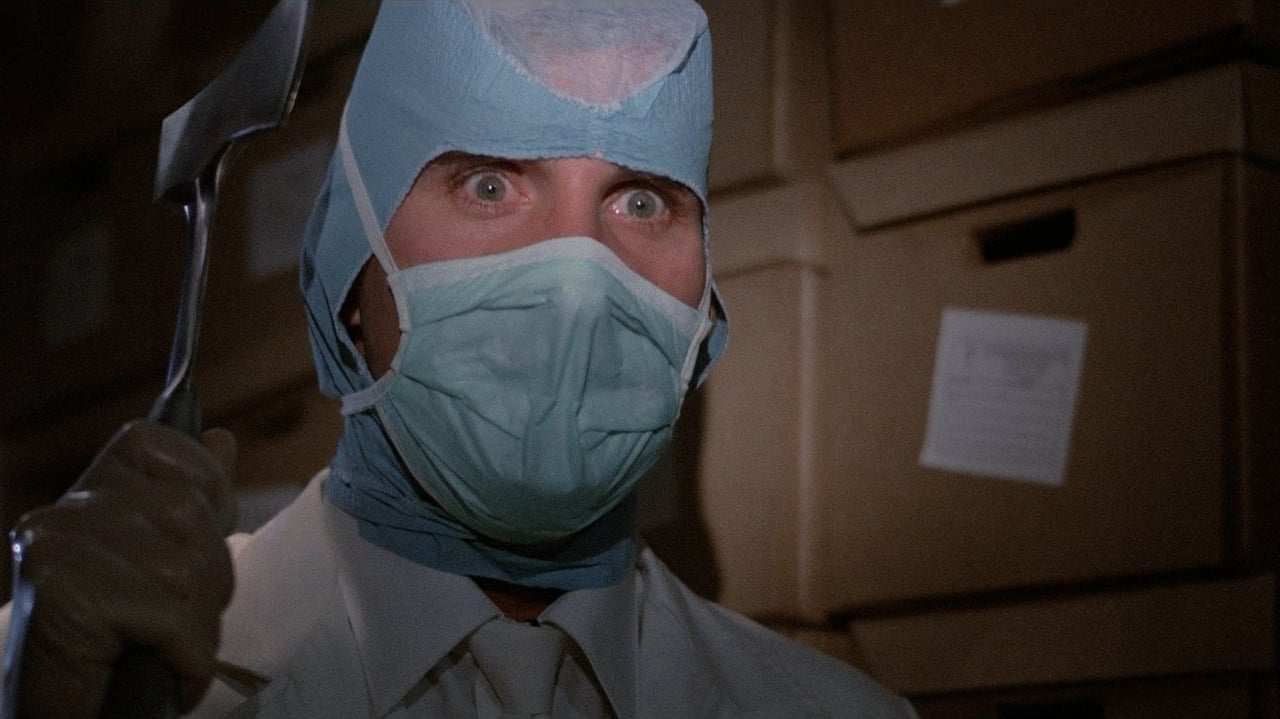
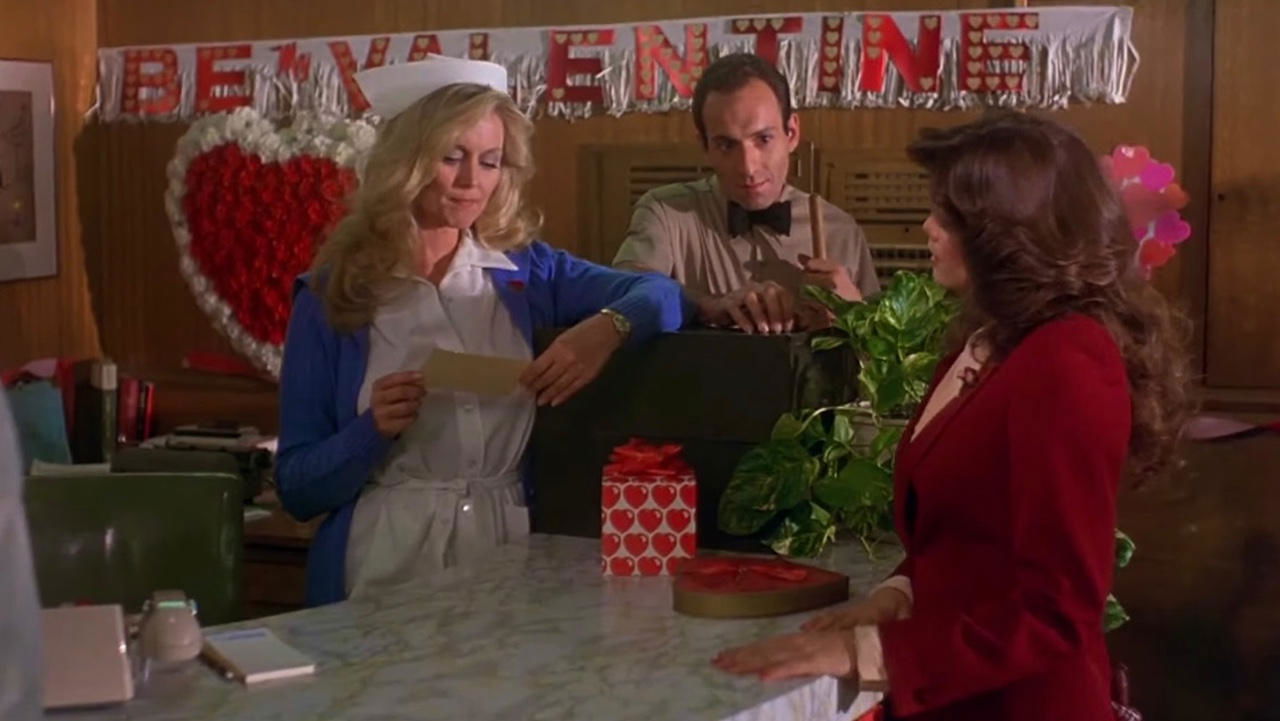
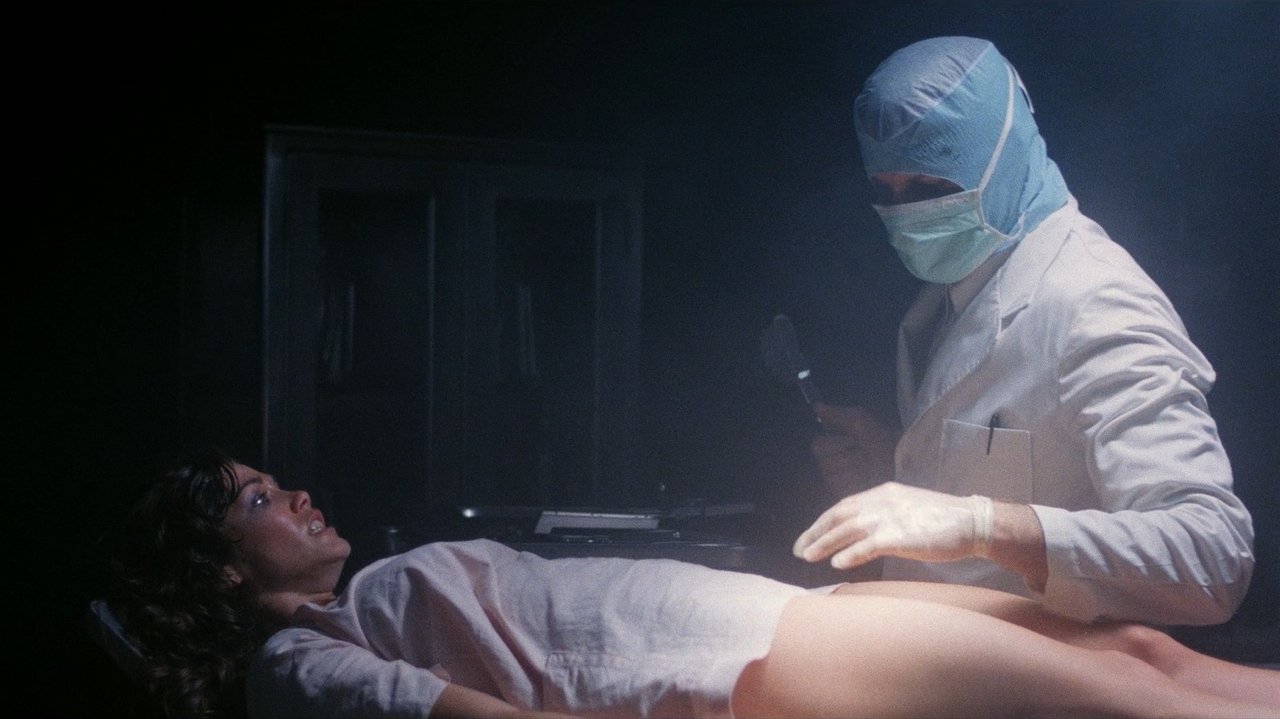
The premise, spun by director Boaz Davidson (in a jarring shift from his Lemon Popsicle teen comedies) and co-writer Marc Behm, is classic slasher fare coated in clinical white. Susan Jeremy (Barbi Benton) arrives at a sprawling hospital for what should be routine follow-up tests related to a childhood incident involving a creepy Valentine's Day prank gone wrong. But simple check-ups quickly spiral into a nightmare. Misplaced files, hostile staff, and a growing sense of being watched give way to the horrifying reality: a figure in surgical greens, face obscured by a blank, chilling mask, is stalking the wards, dispatching staff and patients with brutal efficiency. Susan becomes trapped, navigating a labyrinth of identical corridors where every corner could hide death, and every seemingly helpful face might belong to the hunter.
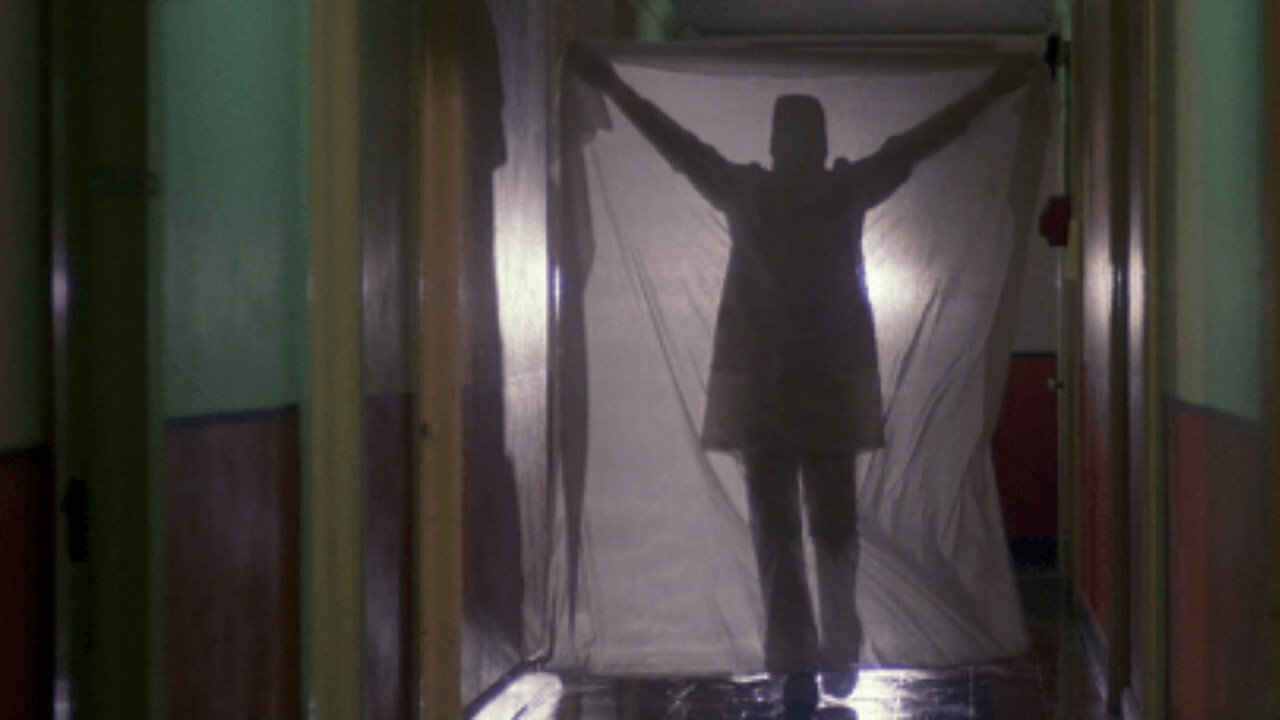
The hospital setting itself is arguably the film's strongest asset. Shot largely within the imposing, slightly dilapidated walls of the actual USC Medical Center in Los Angeles (a location familiar from countless other films and shows), there's an inherent creepiness that Davidson exploits. The echoing PA announcements, the stark lighting, the rows of empty beds – it all contributes to an atmosphere of isolation and dread. You feel Susan's panic as the familiar architecture becomes an inescapable maze, the very place meant to save lives now threatening to end hers.
A Valentine's Vendetta
At the heart of the terror is the killer, a figure rendered unnerving by their anonymity and surgical precision. The mask itself is a simple, yet effective piece of design work – a blank, almost featureless face that stares impassively. Funnily enough, the man credited with designing that chilling mask was none other than William Malone, who even pops up in a small role here, years before he’d direct horror films like the House on Haunted Hill (1999) remake and FeardotCom (2002). It’s one of those fascinating bits of retro trivia – a future genre director cutting his teeth (or rather, crafting nightmare faces) on a low-budget slasher. The kills, typical of the era's slashers, are graphic and often involve repurposed medical equipment, leaning into the specific horror of the setting. Remember how those practical gore effects felt so visceral on grainy VHS? They might look a bit rubbery now, but back then, they packed a genuine punch.
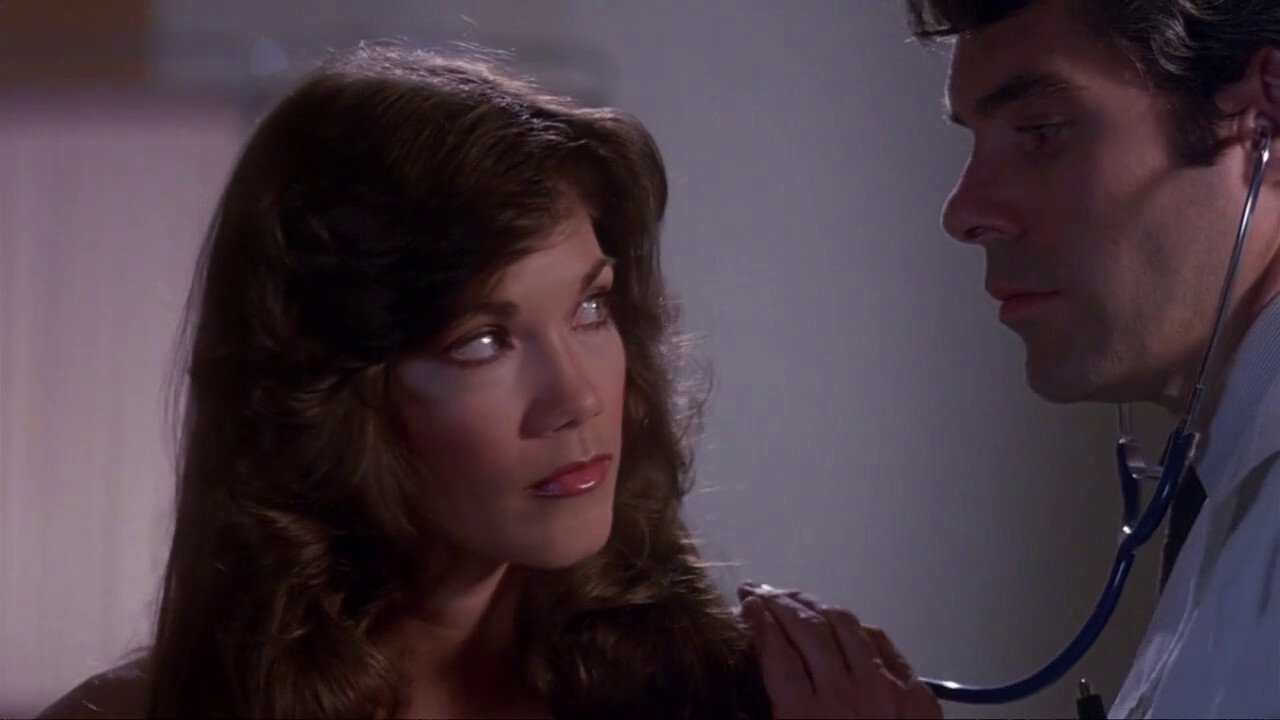
Barbi Benton, primarily known at the time as a Playboy model and singer, carries the film as the terrified protagonist. While perhaps not delivering an Oscar-worthy performance, she effectively conveys Susan's mounting fear and desperation. You root for her survival amidst the escalating chaos and red herrings, including potential suspect Dr. Saxon, played by Charles Lucia. The supporting cast often feels like standard slasher fodder, there to increase the body count, but they serve their purpose in maintaining the pace and sense of constant threat.
Cannon Fodder Gold
Produced by the legendary low-budget schlock purveyors Menahem Golan and Yoram Globus under their Cannon Films banner, Hospital Massacre bears many of the hallmarks of their output: exploitation elements, sometimes questionable logic, and a focus on delivering genre thrills over narrative coherence. The film juggled multiple titles – Hospital Massacre, X-Ray, and the even more lurid Be My Valentine, Or Else... – likely a marketing strategy to maximize its reach on video store shelves. Didn't you sometimes grab a tape purely based on that eye-catching, often misleading cover art? This film likely benefited from that confusion, finding its audience among horror hounds seeking their next fix.
Despite its flaws – and let's be honest, the plot logic occasionally flatlines, and some dialogue feels surgically implanted – there’s an undeniable charm to its straightforward stalk-and-slash approach within the confines of its unnerving location. It doesn’t reinvent the wheel, but it delivers the specific kind of dread promised by its premise. It captured that early 80s slasher energy, where atmosphere and creative kills often took precedence over intricate plotting. I distinctly remember renting this one (probably under the X-Ray title) and being genuinely creeped out by the sterile environment turned deadly. That feeling of being trapped, helpless, in a place you inherently trust? It sticks with you.
***
VHS Heaven Rating: 6/10
Justification: Hospital Massacre (or X-Ray) scores points for its genuinely effective and creepy hospital setting, a memorable killer mask (thanks, William Malone!), and its status as a solid example of early 80s Cannon Films slasher output. Barbi Benton is a sympathetic lead, and the film delivers the requisite stalk-and-slash thrills with some decent practical gore for the era. However, it loses points for clunky dialogue, occasionally nonsensical plot developments, and performances that range from adequate to functional. It doesn't transcend its genre roots but fully embraces them.
Final Cut: While not the most sophisticated scalpel in the slasher operating theatre, Hospital Massacre remains a fascinating and often effectively creepy relic of the VHS boom. Its atmospheric hospital setting provides a unique brand of chills that still resonates, making it a worthy prescription for fans seeking a dose of retro horror nostalgia, preferably watched late at night with the lights down low.