Alright, grab your favourite armchair, maybe pour yourself something strong – we're diving deep into the chilly waters of the North Sea for a slice of gritty, slightly eccentric 80s action. Forget the sleek polish of today; we’re talking about a time when heroes were grumpy, villains were coolly menacing, and the explosions felt satisfyingly real. Remember stumbling across this one on the video store shelf, maybe under its oddball alternative title ffolkes? I sure do. It was Roger Moore, but definitely not James Bond, leading a charge against terrorists holding an oil rig hostage in Andrew V. McLaglen’s North Sea Hijack (1980). This film is pure, unadulterated VHS-era tough-guy stuff, with a fascinatingly peculiar twist.
### Not Quite 007, Are We Mr. ffolkes?
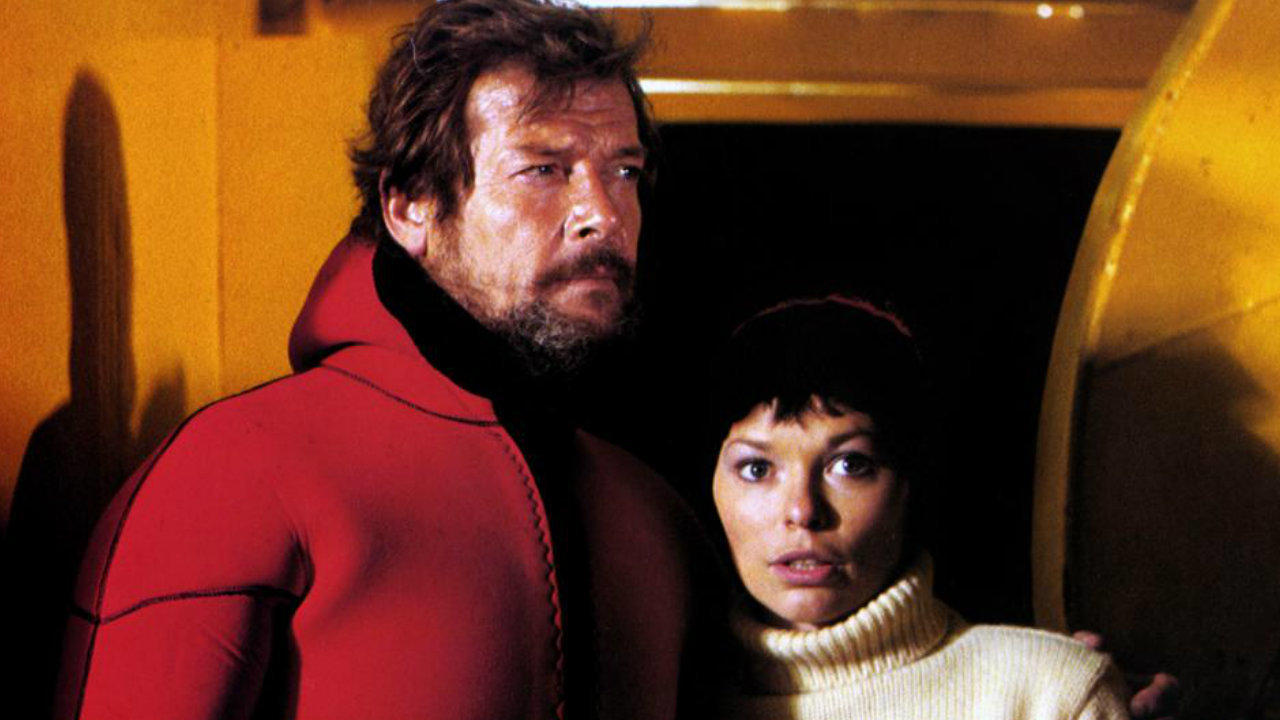
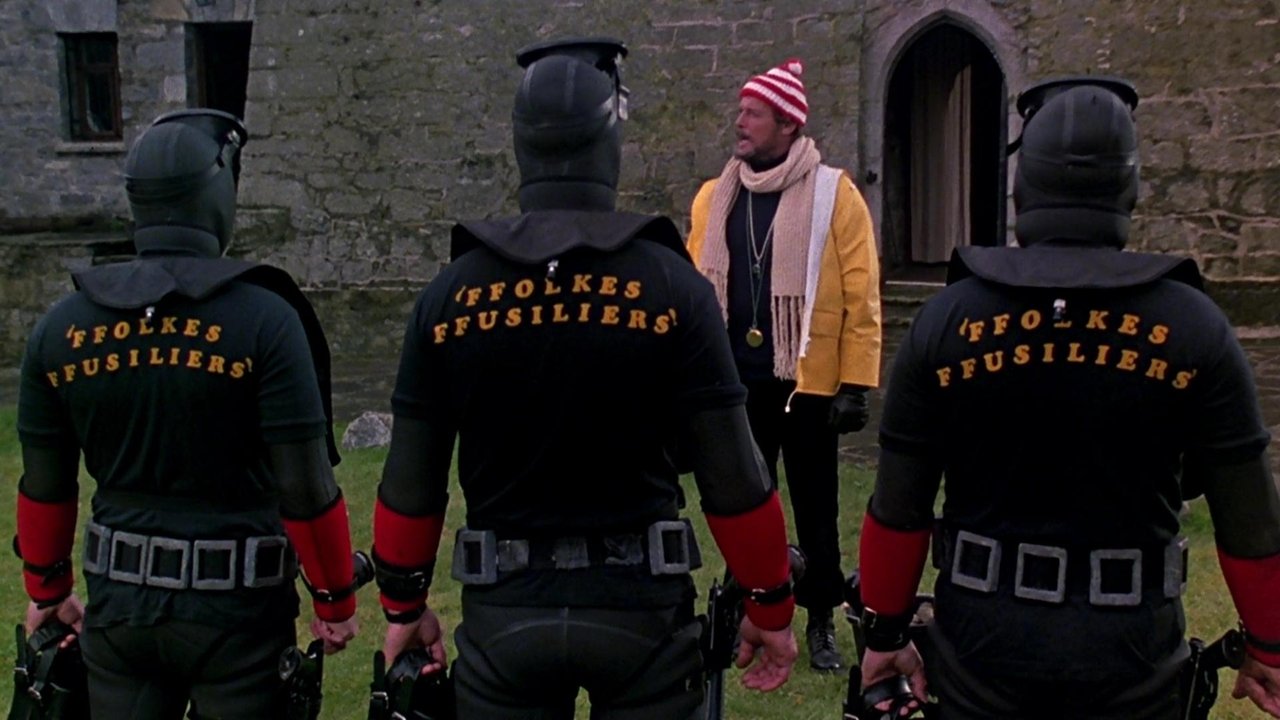
Let's get the biggest surprise out of the way first: Roger Moore. Fresh off Moonraker (1979) and heading towards For Your Eyes Only (1981), Moore took a detour here to play Rufus Excalibur ffolkes. And ffolkes is… well, he’s something else. Forget the suave charm and raised eyebrow; ffolkes is a bearded, cat-loving, whisky-drinking eccentric who seemingly despises women, adores needlepoint, and runs an elite, private counter-terrorism unit with brutal efficiency. It’s a jarring but brilliant piece of anti-casting. Moore clearly relishes playing against type, delivering his lines with a clipped precision that borders on misanthropic glee. Some of his attitudes are undeniably dated now, products of a different time in action filmmaking, but within the film's world, it establishes ffolkes as a uniquely focused, almost alien strategist. Reportedly, Moore considered ffolkes one of his favourite roles, a chance to break the Bond mould, and it shows.
### High Stakes on the High Seas
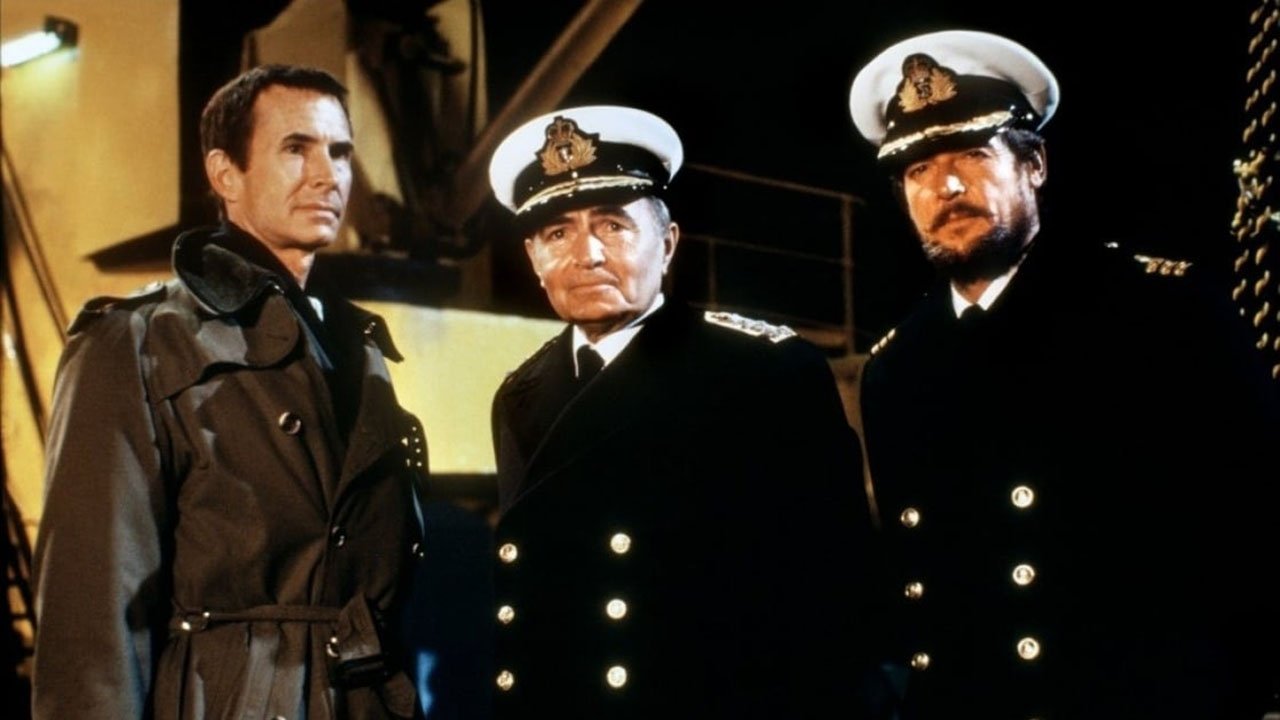
The plot is classic ticking-clock stuff: a group of ruthless criminals, led by the chillingly calm Lou Kramer (James Mason), seize control of a massive oil production platform ('Esther') in the North Sea. They threaten to blow it, and its sister platform ('Jennifer'), sky-high unless the British government coughs up a hefty ransom. Enter ffolkes and his team, the government's unconventional, last-resort solution. What follows is a tense standoff, blending meticulous planning with sudden bursts of visceral action. Director Andrew V. McLaglen, a veteran known for rugged Westerns like McLintock! (1963) and ensemble action like The Wild Geese (1978) (also penned by North Sea Hijack writer Jack Davies and starring Moore), brings a workmanlike, grounded feel to the proceedings. There's no gloss here, just cold steel, rough seas, and determined men.
### Real Stunts, Real Grit
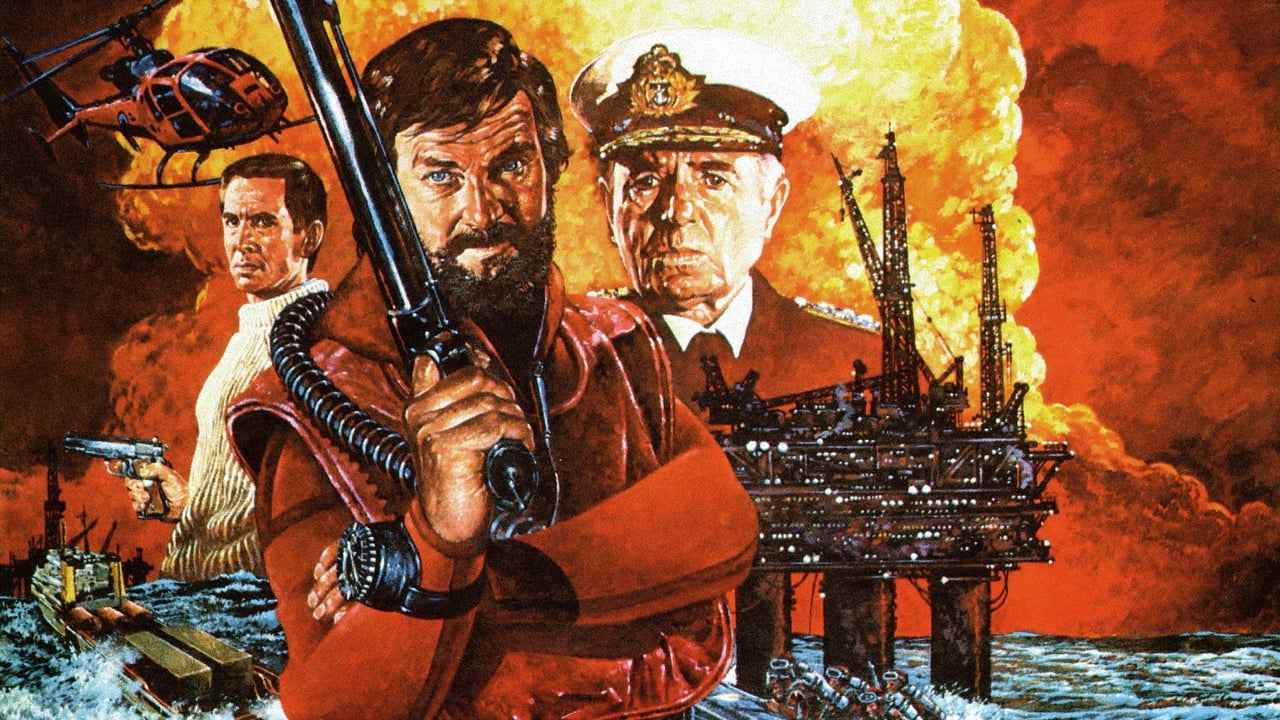
This is where North Sea Hijack really shines for us retro-heads. The action feels wonderfully physical. When ffolkes' team rappels down onto the rig from helicopters, or engages in underwater sabotage, you feel the danger. Remember how intense those sequences felt on a fuzzy CRT screen? That wasn't just nostalgia. McLaglen uses the imposing industrial landscape of the oil rigs (filmed using miniatures and clever location work, including scenes shot in Ireland's Galway Bay) to great effect. The pyrotechnics are loud and fiery, the boat chases feel weighty, and the hand-to-hand combat is brief and brutal, not overly choreographed. It’s a world away from today’s CGI-heavy set pieces. There’s a palpable sense of jeopardy because you know those are real stunt performers putting themselves on the line. The underwater bomb-defusing sequence, in particular, still generates genuine suspense through its practical execution.
### A Cast of Pros
Beyond Moore's fascinating lead turn, the supporting cast is top-notch. James Mason is utterly captivating as Kramer. He’s not a cackling maniac, but a composed, intelligent adversary whose politeness somehow makes him even more menacing. His verbal sparring matches with ffolkes are a highlight. And then there's Anthony Perkins as Kramer's second-in-command, Harold Schulman. Perkins, forever associated with his iconic role in Psycho (1960), brings a twitchy, unpredictable energy that perfectly complements Mason's icy control. You just know things are going to go sideways with him around. Even the smaller roles, like Michael Parks as a crew member on the rig, feel authentic. The score by Michael J. Lewis effectively underscores the tension without becoming overwhelming.
### That Quirky Title and Video Shelf Appeal
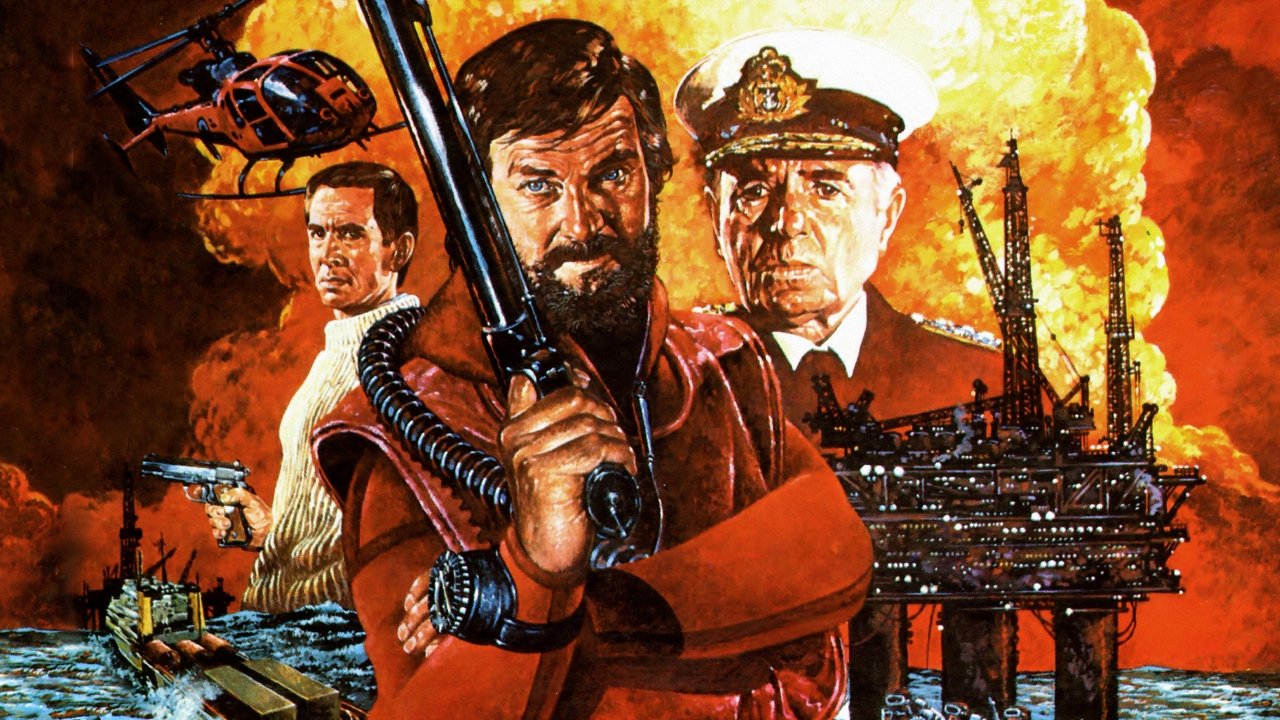
It's worth noting the film's title journey. Released as North Sea Hijack in the UK, it was retitled ffolkes (yes, with two lowercase 'f's) in the US, presumably to emphasize Moore's unique character. Some territories even saw it released as Assault Force. This kind of title roulette was common back then, adding to the fun of discovery at the video store – sometimes you weren't entirely sure what you were renting! While not a massive box office smash, it developed a strong following on VHS and TV, becoming a reliable favourite for action fans looking for something a little different. Critics at the time were somewhat mixed, often surprised by Moore's performance but perhaps unsure what to make of the film's blend of gritty action and eccentric character study.
---
VHS Heaven Rating: 8/10
Justification: North Sea Hijack (or ffolkes, if you prefer) earns a solid 8 for delivering taut, well-crafted 80s action with a genuinely surprising lead performance from Roger Moore. The practical effects and stunt work hold up remarkably well, offering a satisfyingly tangible sense of danger. James Mason and Anthony Perkins provide excellent villainous support, and the unique, gritty atmosphere directed by stalwart Andrew V. McLaglen makes it stand out. It loses a point or two for some dated character elements and perhaps a pace that feels deliberate by modern standards, but its strengths far outweigh its weaknesses.
Final Word: This is prime VHS-era action – tough, tense, and refreshingly unpolished, anchored by one of Moore's most unexpected and enjoyable performances. If you miss the days when action heroes could be weird and the explosions felt real, North Sea Hijack is definitely worth tracking down again. It’s a reminder that sometimes, the best man for the job is the oddest one.