The call comes from the shadows, a proposition wrapped in wealth and whispered vengeance. Paul Kersey, the architect turned angel of urban retribution, finds himself summoned once more, but this time feels different. There's a cold calculation replacing the raw grief that fueled his earlier crusades. Death Wish 4: The Crackdown pulls Charles Bronson's iconic vigilante into the neon-streaked, cocaine-dusted battleground of late 80s Los Angeles, shifting the game from personal vendetta to hired gun. It’s a subtle twist, yet one that subtly alters the familiar grim rhythm we’d come to expect, pushing the series further into the explosive territory of pure action cinema.
A Different Kind of War
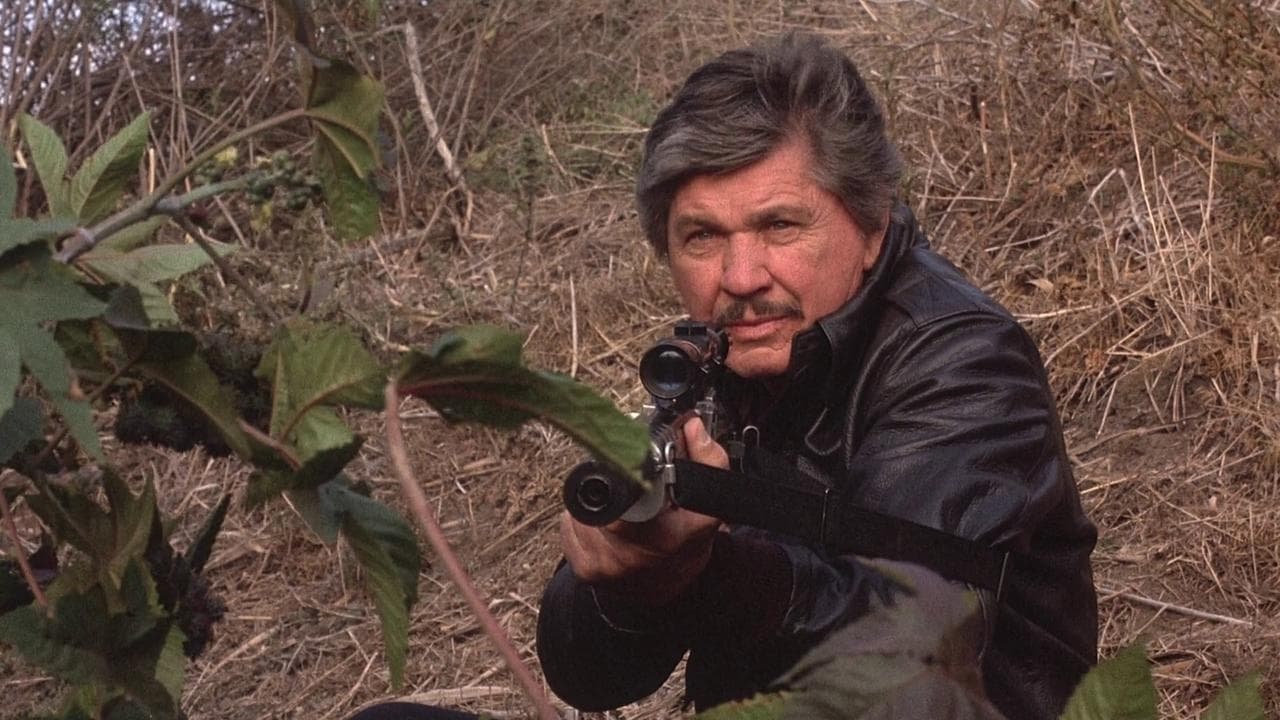
The catalyst is tragically familiar: the drug-induced death of his girlfriend Karen's (Kay Lenz) teenage daughter. But before Kersey can even load his signature .475 Wildey Magnum (or whichever hardware he favors this time), a mysterious millionaire, Nathan White (John P. Ryan, radiating quiet menace), steps in. White, whose own daughter suffered a similar fate, offers Kersey the resources – intel, weapons, anonymity – to systematically dismantle LA's two dominant drug cartels. It’s an offer Kersey, simmering with righteous fury, can't refuse. Suddenly, our lone wolf vigilante is a privately funded weapon, a ghost moving through the underworld with a specific, destructive agenda. This change, orchestrated by writer Gail Morgan Hickman, adds a layer of manipulation that feels distinctively darker, even within the morally grey landscape of the Death Wish universe. Does Kersey even realize he might just be a pawn?
Cannon Fodder, Thompson Grit
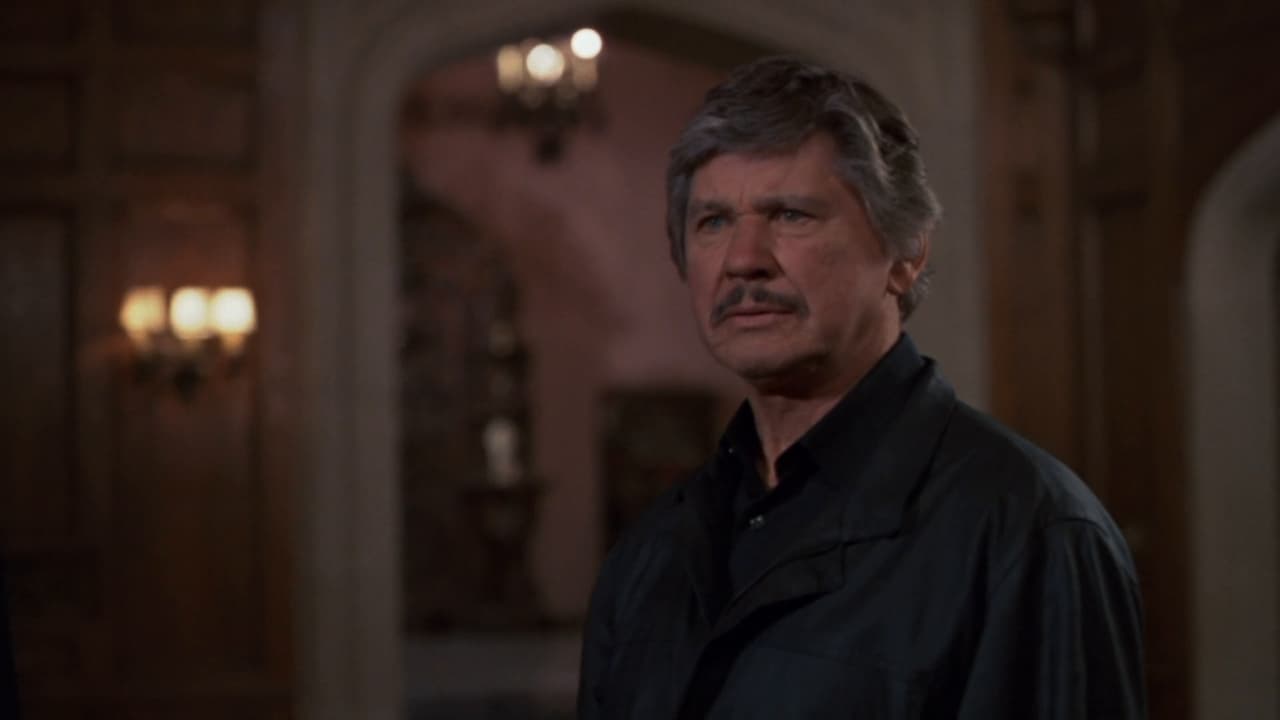
By 1987, Cannon Films, under the leadership of Menahem Golan and Yoram Globus, had perfected their brand of high-octane, relatively low-budget actioners. Death Wish 4 fits snugly into this mold, reuniting Charles Bronson with director J. Lee Thompson. This was their seventh collaboration, a partnership that reliably delivered a certain kind of gritty, no-nonsense thrills. Thompson, a veteran whose credits remarkably include classics like The Guns of Navarone (1961) and the original Cape Fear (1962), knew exactly how to frame Bronson's stoic intensity and stage explosive set pieces efficiently. Filmed predominantly on the streets of Los Angeles, the production reportedly worked with a budget around $5 million – peanuts even then for an action film – yet managed to deliver the requisite car chases, shootouts, and fiery demises the audience craved. It’s a testament to the lean efficiency Cannon often demanded, even if it sometimes resulted in a certain… economical aesthetic.
Escalation and Execution
Let's be honest, subtlety wasn't high on the agenda here. The Crackdown is arguably where the series fully embraces its potential for almost cartoonish levels of violence. Kersey dispatches drug dealers with ruthless creativity: explosive RC cars, booby-trapped wine bottles, and, in one particularly memorable sequence, a confrontation resolved with a multi-rocket launcher in an arcade. Remember the sheer overkill of that moment? It felt less like desperate street justice and more like a one-man army laying siege. The practical effects, while perhaps showing their age now, had a tangible weight back on those flickering CRT screens. The squibs popped with gusto, the explosions felt satisfyingly real, even if the logic connecting the scenes felt increasingly thin. This was peak VHS-era action: less concerned with intricate plotting, more focused on delivering the next big bang. One can almost imagine the challenges on set, trying to orchestrate these elaborate takedowns safely and effectively within Cannon's typical constraints.
The Grim Underbelly
Beneath the gunfire and explosions, the film attempts to tap into the anxieties surrounding the 80s crack cocaine epidemic. The villains are archetypal drug lords, sneering and ruthless, presiding over empires built on addiction and despair. The atmosphere is one of urban decay, where legitimate businesses mask illegal operations and violence simmers just below the surface. Kay Lenz brings a vulnerability to her role as the grieving mother, a civilian caught in the crossfire, while John P. Ryan masterfully handles the ambiguity of his character – is he a righteous avenger or something far more sinister? Yet, despite these elements, the film never quite musters the raw, unsettling power of the 1974 original. Its focus remains squarely on Kersey's methodical destruction, the social commentary often feeling like set dressing for the action rather than a driving force.
Verdict: Reliable Bronson, Formulaic Firepower
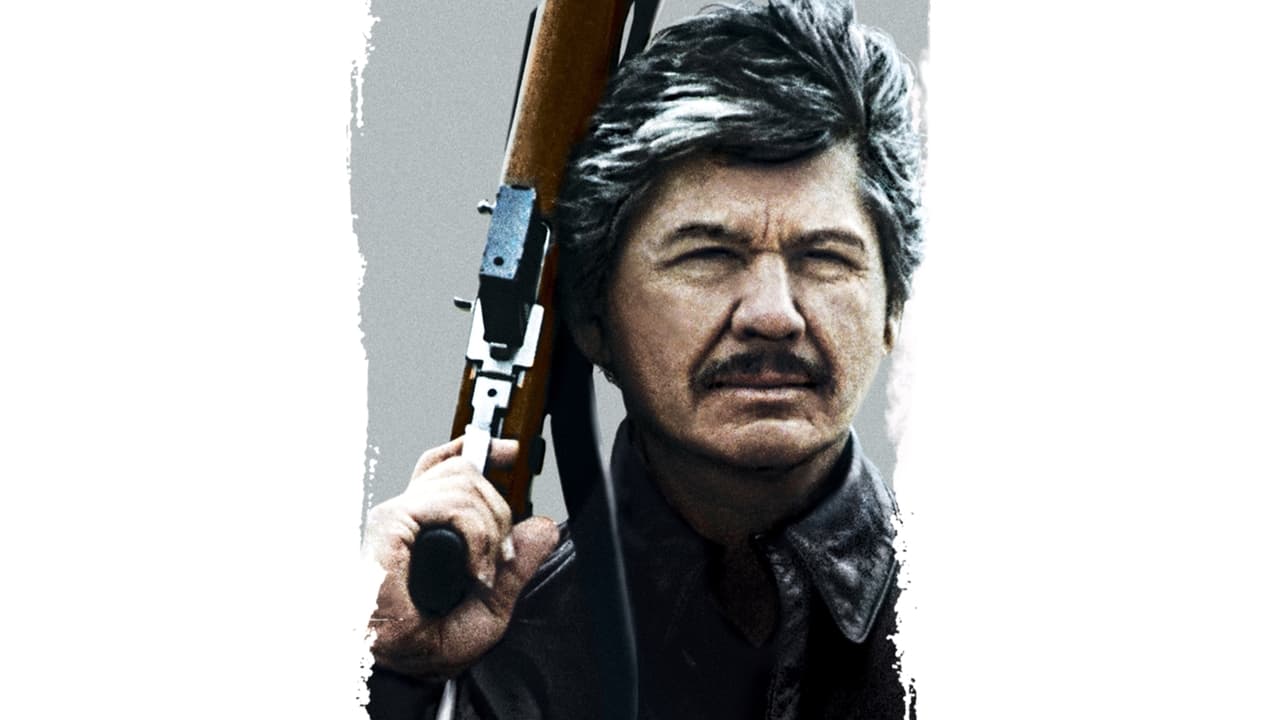
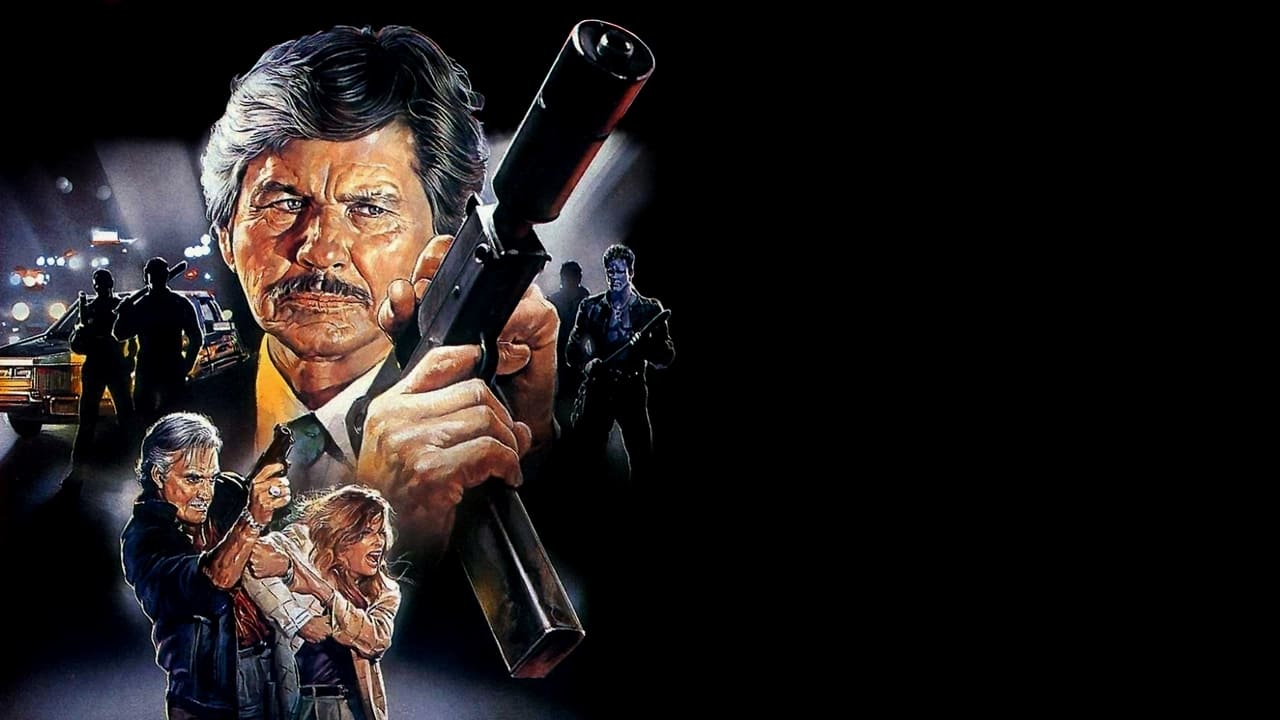
Death Wish 4: The Crackdown is quintessential late-80s action fare, delivered with the signature stoicism of Charles Bronson and the efficient craftsmanship of J. Lee Thompson. It delivers exactly what fans of the series (and Cannon Films output in general) likely expected: creative kills, explosive set pieces, and Bronson being Bronson. The shift towards a manipulated Kersey adds a slight twist, and the action remains engaging in that specific, over-the-top 80s way. I distinctly remember renting this one, the imposing picture of Bronson on the VHS cover promising uncomplicated, righteous vengeance – and it delivered.
However, it lacks the grit and psychological depth of the original, feeling more like a streamlined action vehicle than a probing look at vigilantism. The plot mechanics are visible, and the characters outside of Kersey and White are largely disposable archetypes. It's competent, occasionally inventive in its violence, but ultimately feels like the series running on well-worn tracks.
Rating: 6/10
Justification: While undeniably formulaic and a step down from the original's impact, Death Wish 4 provides solid 80s action entertainment, anchored by Bronson's unwavering presence and some memorably excessive takedowns. It fulfills the promise of its title and delivers reliable, if predictable, thrills tailor-made for a weekend VHS rental. It's a snapshot of its time – loud, unsubtle, and strangely comforting in its straightforward delivery of justice, however brutal.