Alright, fellow tapeheads, dim the lights, maybe adjust the tracking just a bit in your mind's eye, because tonight we're diving headfirst into a slice of pure, unadulterated 80s action absurdity: 1988's Red Scorpion. Forget nuance, forget complex geopolitical treaties. This is Dolph Lundgren as a nigh-invincible Soviet killing machine dropped into Africa, learning the meaning of freedom through copious amounts of sweat, explosions, and flexing. If that doesn't scream "Friday night rental gold," I don't know what does.

This movie hit the shelves during that glorious peak when action heroes were larger than life, plots were secondary to pyrotechnics, and the Cold War provided an endless supply of conveniently disposable bad guys. Dolph Lundgren, fresh off punching America's heart out as Ivan Drago in Rocky IV and wielding the power of Grayskull in Masters of the Universe, was primed for solo stardom. Red Scorpion throws him into the fictional African nation of Mombaka as Lieutenant Nikolai Rachenko, a top-tier Spetsnaz operative tasked with assassinating an anti-communist rebel leader. Simple, right?
Desert Heat and Political Heat
Of course, things get complicated. Nikolai witnesses the brutality of his Soviet and Cuban allies, gets betrayed, tortured (in a scene that definitely pushed the boundaries of an R-rating back then), and eventually finds himself rescued by the very people he was sent to eliminate. Cue the obligatory training montage, the shedding of communist ideology like a sweaty tank top, and the eventual embracing of his inner Rambo, now fighting for the rebels. It’s a classic action trope, executed with the subtlety of a tank shell, but damn if it isn't entertaining.
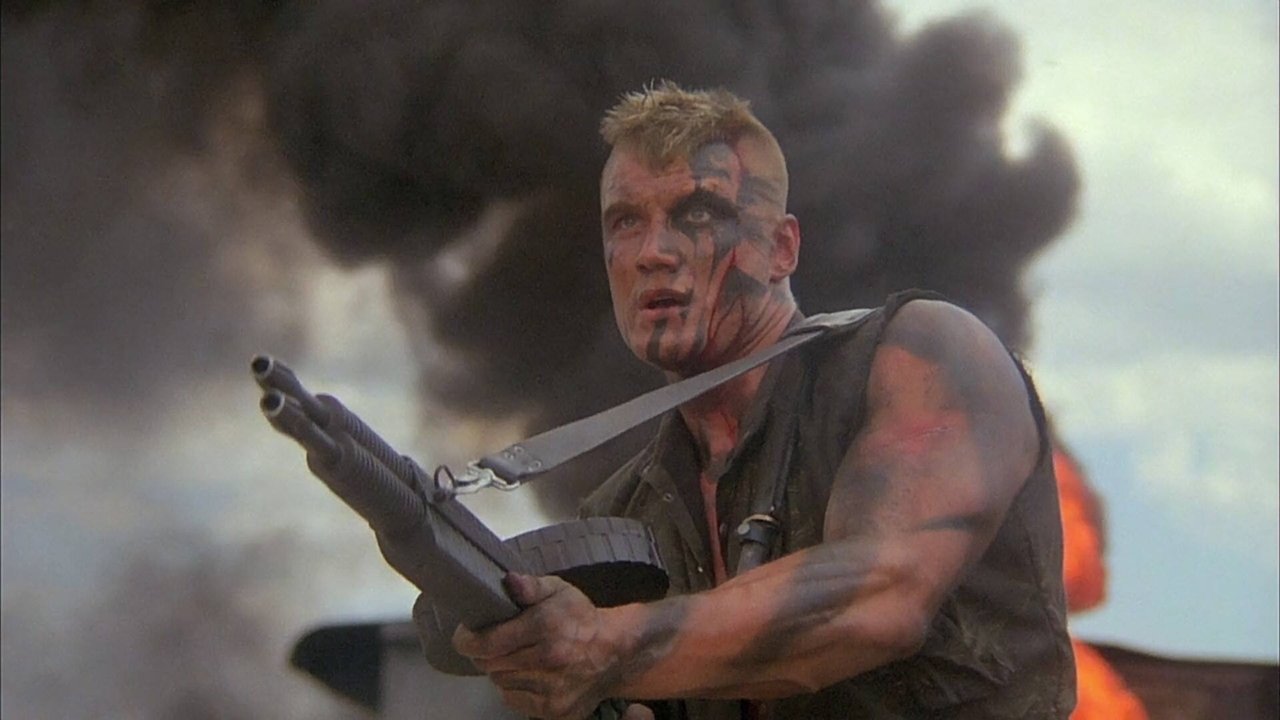
What really makes Red Scorpion crackle, even now, is the sheer commitment to tangible mayhem. Director Joseph Zito, who already proved his action chops with Chuck Norris vehicles like Missing in Action and Invasion U.S.A. (and let's not forget the grim delights of Friday the 13th: The Final Chapter), knew how to stage chaos. The action here feels gritty. You see the dust kicked up by real jeeps, feel the concussion of actual explosions – not sterile CGI fireballs. Remember how real those bullet hits looked back then, squibs bursting with satisfying pops? Red Scorpion delivers that in spades. The climactic assault on the Soviet base is a masterclass in 80s excess: real tanks rolling, huts exploding convincingly, and Lundgren single-handedly mowing down scores of soldiers with weaponry that looks heavier than he is. It’s the kind of practical effects extravaganza that required immense planning and, let's be honest, probably more than a few close calls for the stunt team.
Behind the Bullets
Now, you can't talk about Red Scorpion without mentioning its rather infamous production history. This wasn't just another action flick; it was financed by lobbyist Jack Abramoff through his International Freedom Foundation, an organization with alleged ties to Apartheid-era South Africa. This connection caused a political firestorm, boycotts, and resulted in the production being kicked out of Swaziland. They eventually finished filming in Namibia (then South-West Africa, administered by South Africa), adding another layer of controversy. Knowing this adds a strange, almost surreal dimension to watching the film's anti-Soviet, pro-rebel narrative unfold. It’s a fascinating, if uncomfortable, "Retro Fun Fact" that this slice of Cold War action cinema was itself tangled in real-world political maneuvering. The reported budget hovered around $16 million – not insignificant for the time – and while it didn't light the box office on fire, it became a staple on video store shelves and late-night cable, finding its true audience there.

Dolph and the Desert Fox
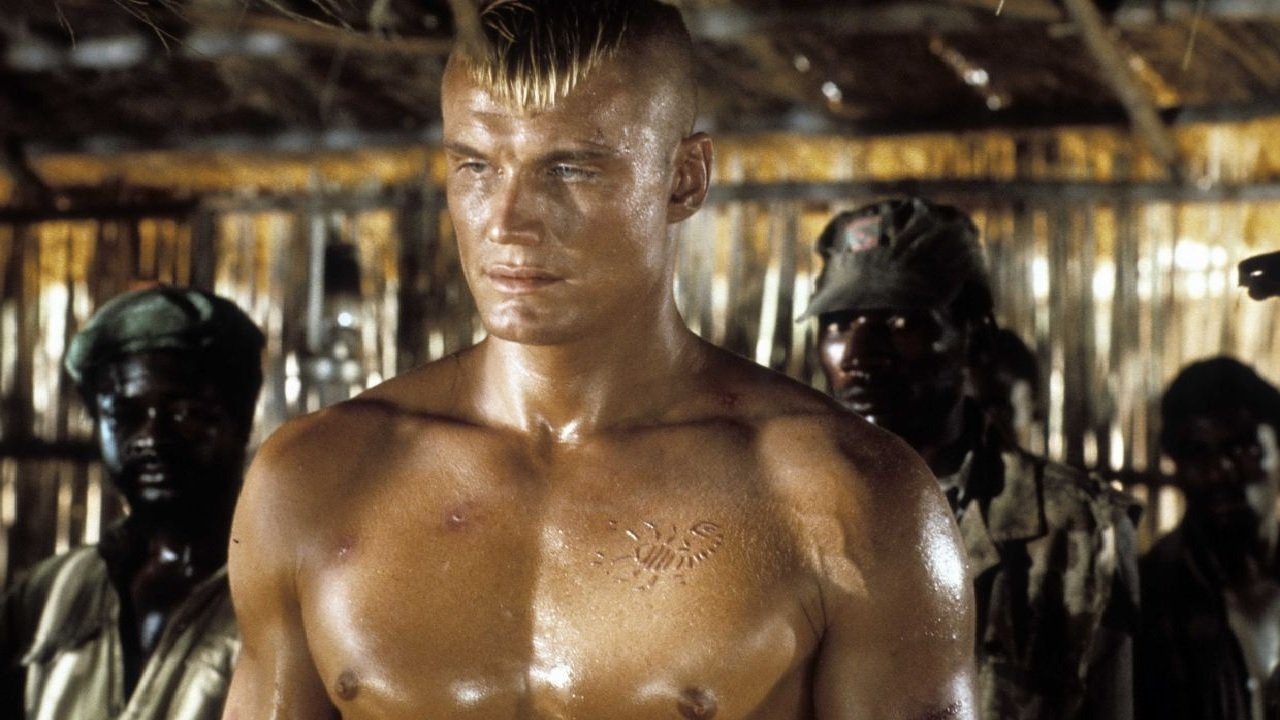
Lundgren, while maybe not delivering Shakespearean levels of emotional depth, perfectly embodies the stoic, physically imposing action hero archetype. His Nikolai is initially a cold fish, but his transformation feels earned within the movie's own logic, mostly conveyed through determined glares and impressive feats of strength. He carries the film squarely on his massive shoulders. But let's give a shout-out to the always brilliant character actor M. Emmet Walsh as Dewey Ferguson, a cynical American journalist caught up in the conflict. Walsh injects some much-needed personality and world-weary humor, acting as a sort of audience surrogate amidst the bullets and ideological shifts. His banter with Lundgren provides some of the film's more memorable non-explosive moments.
The Verdict
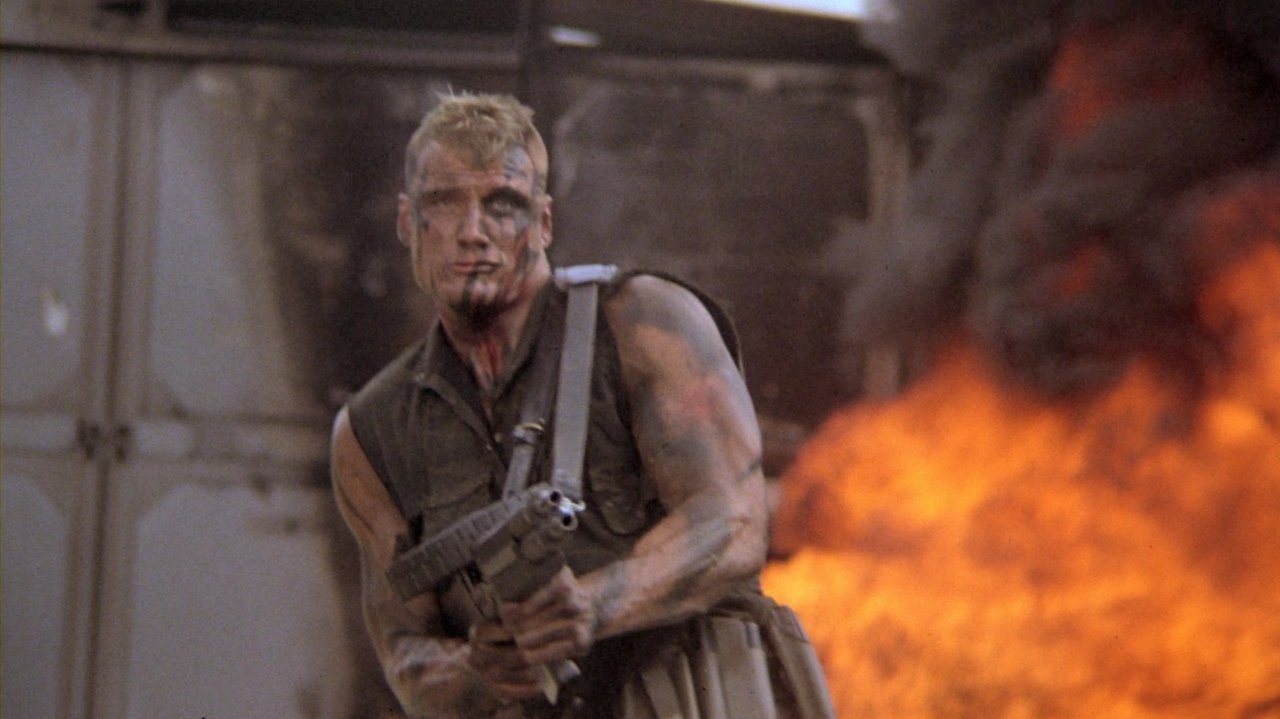
Watching Red Scorpion today is like unearthing a time capsule. Yes, the politics are simplistic, the dialogue can be clunky, and the plot follows a well-trodden path. But the commitment to practical action, the sheer physicality of Lundgren's performance, and the unapologetic 80s-ness of it all make it incredibly watchable. It hails from an era where action movies felt dangerous, where you could almost smell the cordite through the screen. Zito directs with a workmanlike efficiency that prioritizes impact over elegance, delivering exactly the kind of explosive entertainment the VHS cover promised. It might not be high art, but it's high-octane fun.
Rating: 7/10 - The score reflects its status as a solid, entertaining, and impressively staged piece of 80s action cinema, elevated by its practical effects and Lundgren's presence, even with its narrative simplicity and controversial baggage. It delivers exactly what fans of the genre sought back then.
Final Thought: Forget sleek CGI armies; Red Scorpion reminds us of a time when action movie collateral damage felt satisfyingly real, dusty, and gloriously, undeniably loud. Pop it in (metaphorically, of course) when you need a pure shot of Reagan-era adrenaline.