Alright, rewind your minds with me. Picture this: Friday night, the glow of the video store sign cutting through the dark, that distinct smell of plastic cases and possibility. You scan the action section, past the usual suspects, and then you see it. The cover art practically screams mayhem – Charles Bronson, looking impossibly grim, maybe holding some ludicrously oversized firearm. You grab the Death Wish 3 cassette, feeling the reassuring heft. You know you're in for something special, something loud, something gloriously, unapologetically 80s. And boy, did this one deliver.
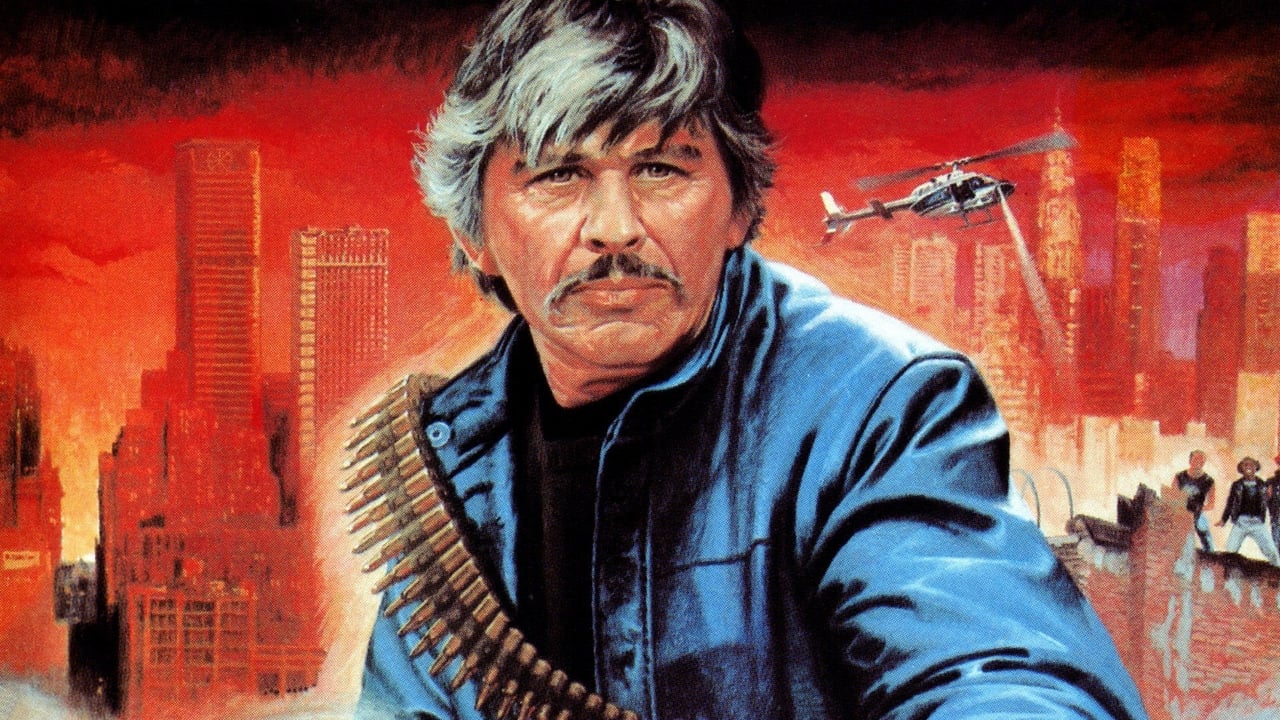
Released in 1985, Death Wish 3 sees Paul Kersey (the eternally stoic Bronson) returning to New York City, only to find his old war buddy beaten to death in a neighborhood that makes the grimiest corners of Escape from New York look like a pleasant suburb. This isn't the simmering, character-driven revenge tale of the original 1974 film. Oh no. Director Michael Winner, returning after helming the first two installments (and known for gritty thrillers like The Mechanic (1972), also with Bronson), decided that subtlety was for lesser movies. This time, it's war.
### Welcome to the War Zone
The setup is pure B-movie gold. Kersey lands in a precinct run by Inspector Shriker (Ed Lauter, a fantastic character actor who always brought grizzled authority), who basically gives Kersey carte blanche to clean up the streets because the cops are overwhelmed by Manny Fraker's (Gavan O'Herlihy) ludicrously well-armed and psychotic gang. The neighborhood itself feels less like a real place and more like a perpetually exploding demolition derby set. Remember how every window seemed pre-shattered, just waiting for the next stray bullet or grenade?
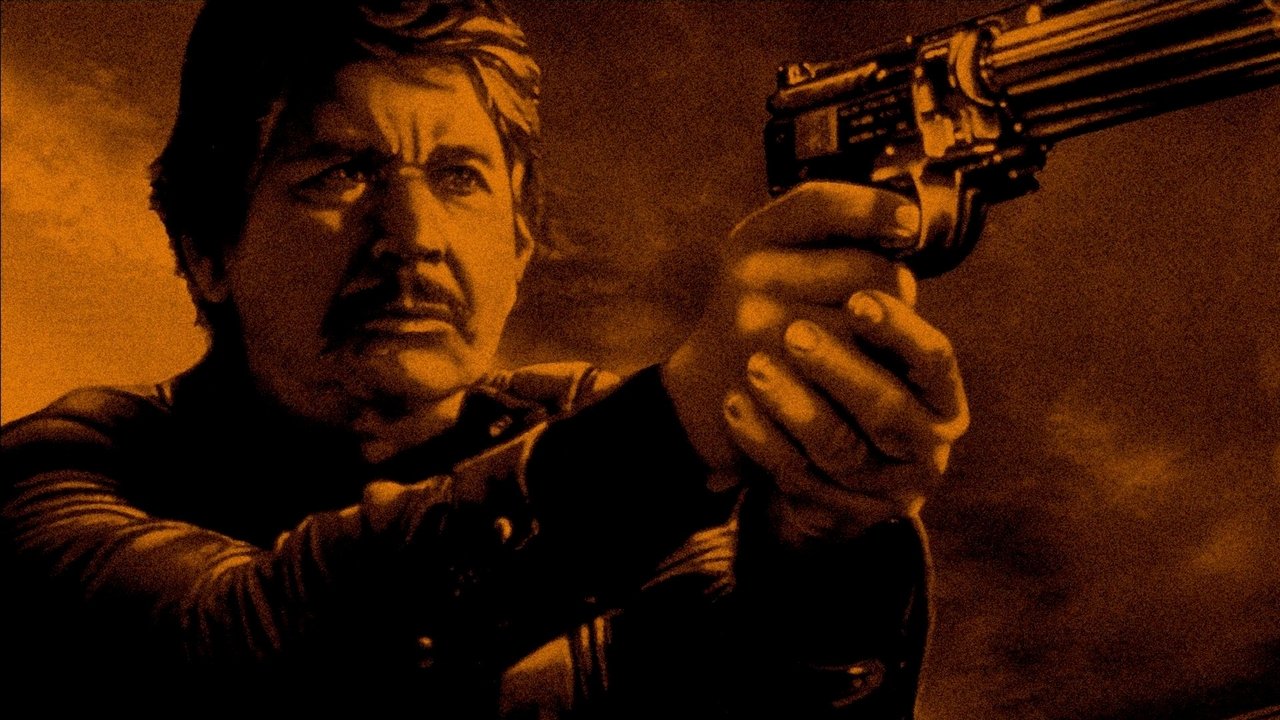
It's almost comical how quickly things escalate. Kersey barely unpacks before he’s witnessing muggings, assaults, and general punk anarchy on a scale that defies belief. But that's the charm, isn't it? This isn't about gritty realism anymore; it's about cathartic, over-the-top action fantasy. Retro Fun Fact: Despite being set in NYC, most of the film was actually shot in Lambeth, London! They needed derelict buildings ripe for destruction, and London apparently had plenty available, offering a cheaper, more controllable environment for the escalating mayhem Michael Winner envisioned. They even reportedly paid locals not to call the police when they heard gunfire and explosions during filming.
### Bronson Unleashed (and Heavily Armed)
Charles Bronson, 64 years old at the time, still commanded the screen. Sure, you could see the stunt doubles taking the bigger hits, but his presence, that quiet intensity simmering before the inevitable eruption of violence, was undeniable. He becomes less a grieving architect and more an urban Rambo, rigging booby traps, sniping creeps from windows, and generally turning the apartment block into his personal fortress.
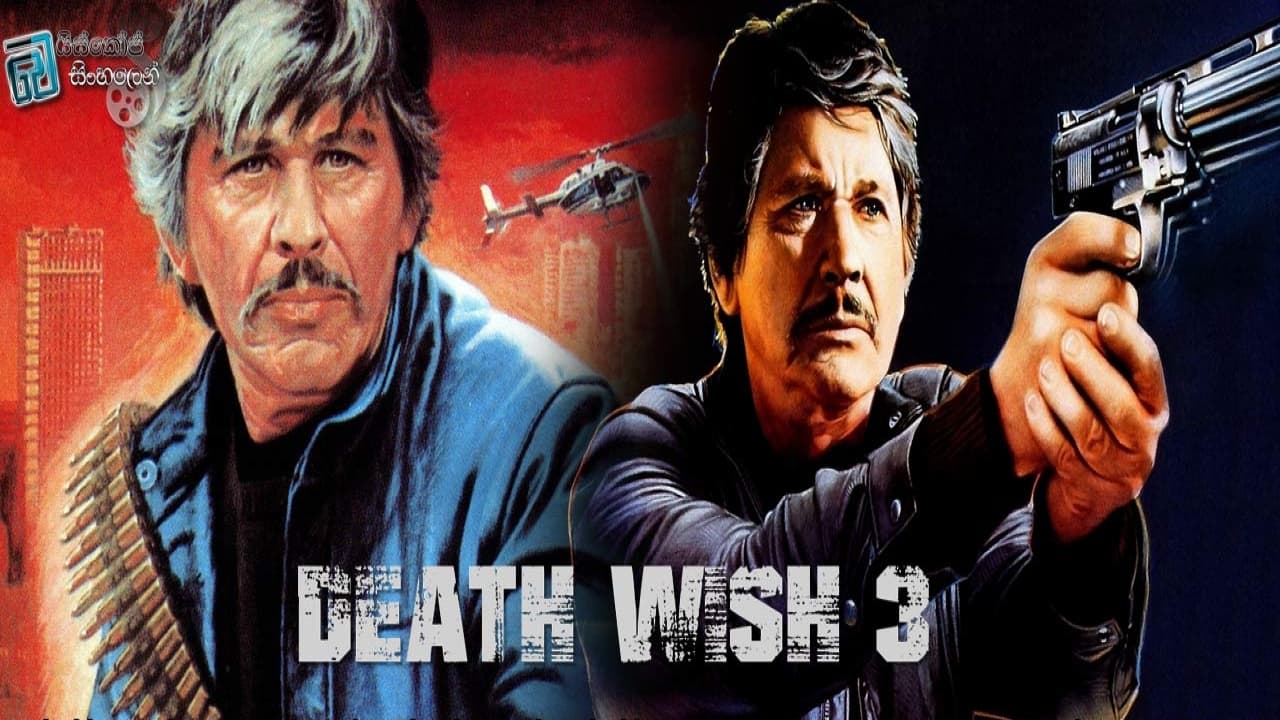
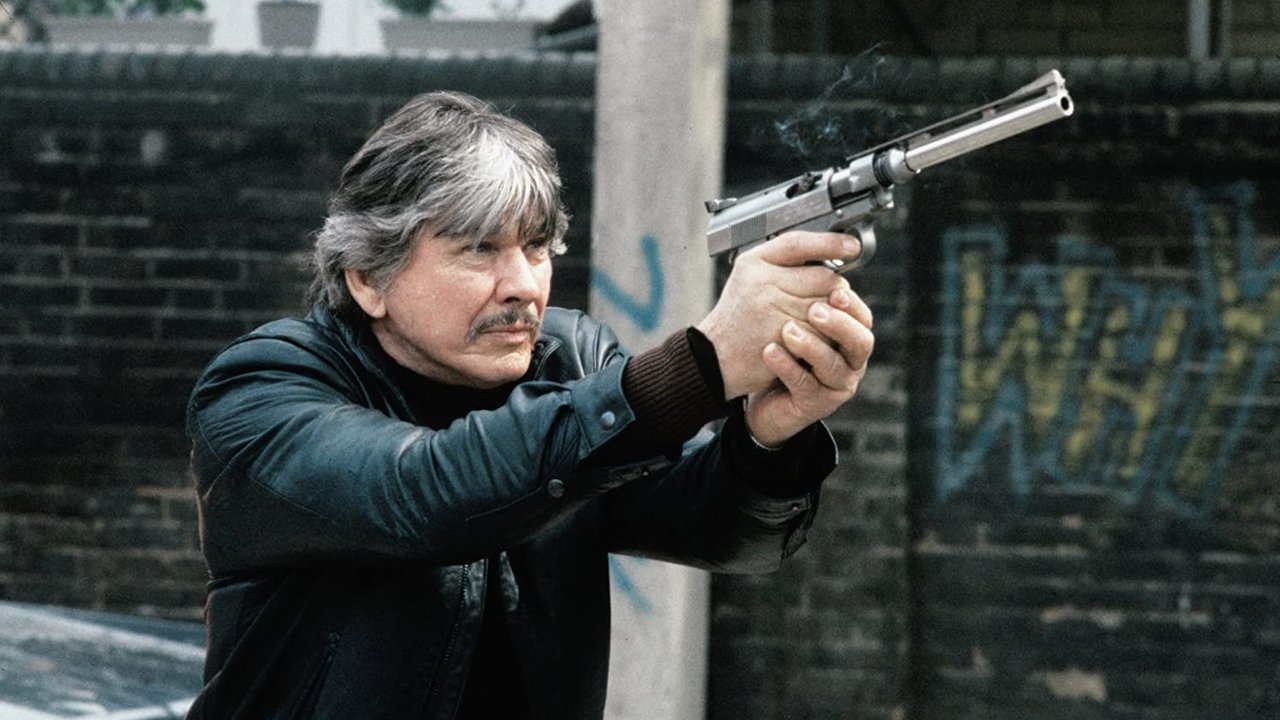
And the weapons! Forget the discreet handgun of the first film. Kersey quickly acquires an arsenal that would make a small militia jealous. The star, of course, is the Wildey .475 Magnum – that massive, gleaming hand cannon featured prominently on the poster. Retro Fun Fact: The Wildey pistol was relatively new and obscure at the time. Its inclusion was a deliberate choice to give Kersey an iconic, powerful signature weapon, and the film significantly boosted its notoriety (and sales!). It looked absolutely formidable on screen, a perfect symbol of the film's 'bigger is better' philosophy.
The film introduces a love interest, public defender Kathryn Davis (Deborah Raffin), providing a brief, almost obligatory pause for humanity before she inevitably falls victim to the chaos, further fueling Kersey's righteous fury. Ed Lauter also does fine work as Shriker, the cop who knows Kersey's methods are illegal but secretly cheers him on – a classic trope executed with weary conviction.
### Pyrotechnics Over Plot
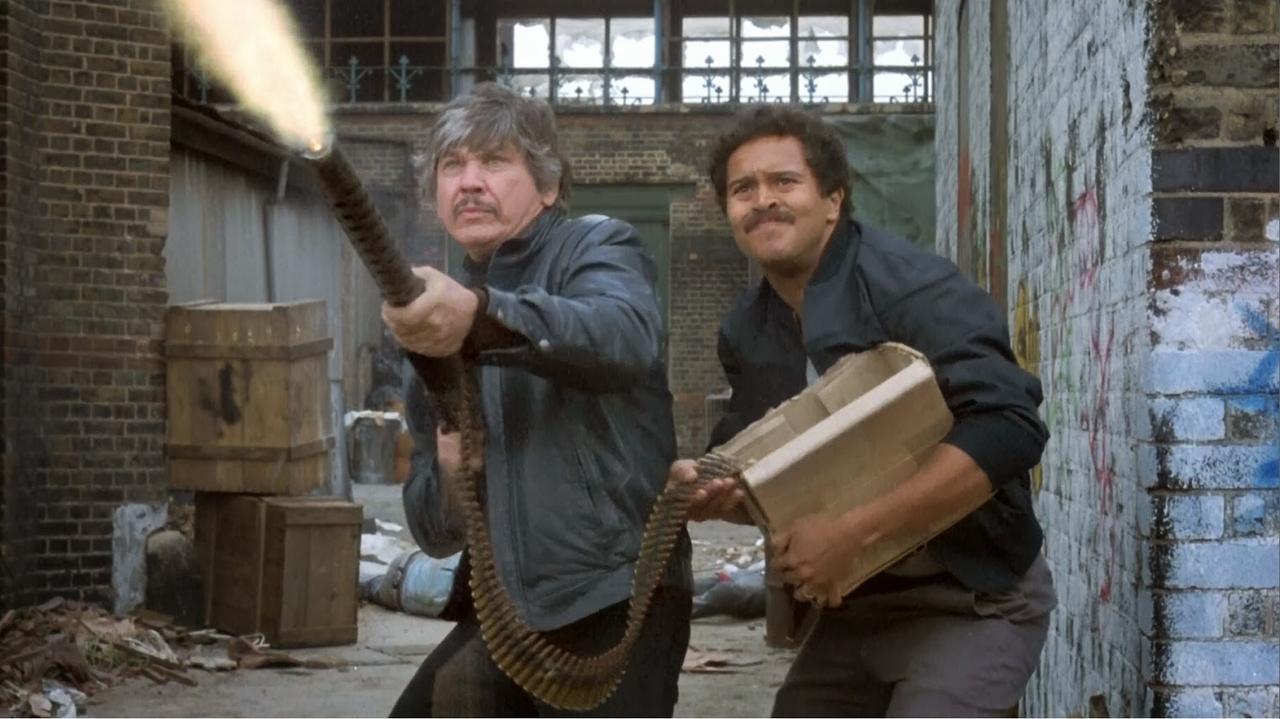
Let's be honest, the plot is flimsy, a mere framework upon which to hang increasingly spectacular action sequences. But what sequences! This is where Death Wish 3 truly shines as a relic of the practical effects era. The squibs used for bullet hits? Generous doesn't begin to cover it – they erupt like crimson fireworks. The explosions? Real fire, real debris, often looking genuinely dangerous for the stunt performers. There's a raw, tangible quality to the destruction that CGI often struggles to replicate. Remember the sheer chaos of that final street battle? Cars flipping, bodies flying, endless gunfire – it felt visceral, chaotic, and gloriously excessive on that fuzzy VHS tape late at night.
And then there's the rocket launcher. Where did it come from? Who cares! Seeing Kersey whip out a LAW rocket to deal with the main villain felt like the ultimate escalation, a moment of pure, unadulterated 80s action absurdity that cemented the film's cult status. Retro Fun Fact: Rumor has it the rocket launcher wasn't even in the original script (penned by Don Jakoby, who later wrote Lifeforce and Invaders from Mars), but was added during filming simply because... well, why not give Bronson a rocket launcher?
### The Verdict
Critically panned upon release for its extreme violence and departure from the original's tone? Absolutely. A box office success, especially on home video where it found its true audience? You bet. Death Wish 3 isn't aiming for prestige; it's aiming squarely for the pleasure centers of action fans who wanted maximum firepower and righteous vengeance served hot and heavy. It completely abandons the moral ambiguity of the first film for pure, explosive wish-fulfillment.
Rating: 7/10
Justification: This score reflects the film's undeniable entertainment value as an artifact of its time. It loses points for the paper-thin plot, repetitive structure, and veering into self-parody. However, it gains major points for Charles Bronson's iconic presence, Michael Winner's unapologetic direction, the sheer glorious excess of the practical action sequences, and its status as a quintessential piece of over-the-top 80s VHS mayhem. It delivers exactly what it promises on the cover box.
Final Thought: Forget nuance and character arcs; Death Wish 3 is the cinematic equivalent of emptying an entire ammo dump into a cardboard cutout of urban decay, and frankly, sometimes that's exactly what you needed from a Friday night rental back in the day. Pure, glorious overkill.