Okay, settle back into that comfy armchair, maybe imagine the whirring sound of a tape rewinding in the VCR. We're dialing the nostalgia machine back to a time before cinematic universes were the norm, when one film promised something utterly audacious: "You'll believe a man can fly." And you know what? For countless kids and grown-ups glued to their CRT screens, watching the 1978 epic Superman: The Movie on a worn-out VHS tape, we absolutely did. This wasn't just another adventure flick; it felt like witnessing a modern myth unfold right there in the living room.

Directed by the immensely talented Richard Donner, who would later gift us The Goonies and Lethal Weapon, Superman was a production of staggering ambition for its time. With a hefty $55 million budget (a king's ransom back then!) and story contributions from no less than Mario Puzo (yes, The Godfather Puzo!), alongside David Newman, Leslie Newman, and Robert Benton, this film aimed for the stars, quite literally. It wasn't content being just a comic book movie; it aspired to be the definitive telling of the Man of Steel's origin, a sweeping saga spanning galaxies and generations.
### From Krypton's Fall to Smallville's Son
The opening sequences on Krypton still possess a unique, crystalline grandeur. Casting the legendary Marlon Brando as Jor-El, Superman's father, was a masterstroke (even if he reportedly earned millions for his brief screen time and famously read lines off co-stars, or even baby Kal-El's diaper!). Brando lent immediate weight and seriousness to the proceedings, establishing the film's epic tone. His resonant voice delivering warnings of Krypton's doom set a stage far removed from the campier interpretations of superheroes common before then.
Then, the transition to Smallville. This is where Donner's mantra of "verisimilitude" truly shines. He grounds the fantastical story in a recognizable, almost Rockwellian slice of Americana. We see young Clark Kent discovering his powers, grappling with his alien heritage under the watchful, loving eyes of Glenn Ford and Phyllis Thaxter as Pa and Ma Kent. These scenes are filled with heart, giving the character relatable roots before he dons the cape. It’s this blend of the mythic and the mundane that makes the later heroics resonate so deeply.
### The Man of Steel Takes Flight
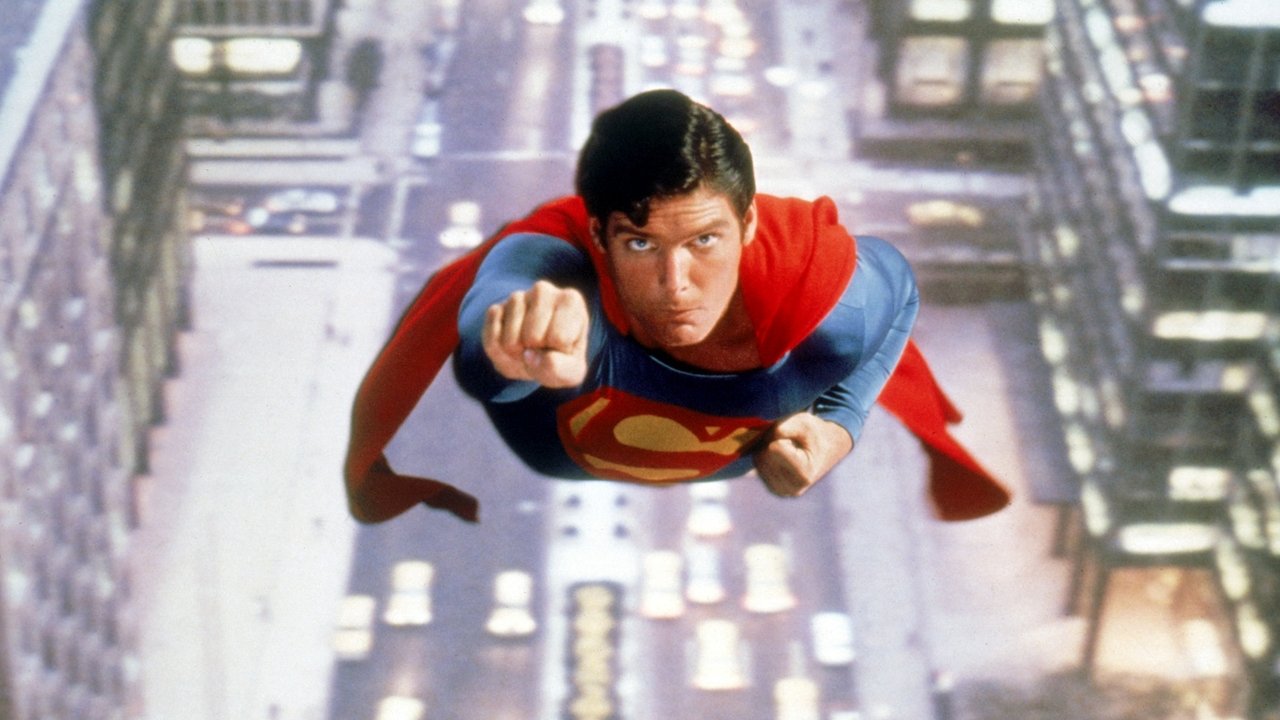
And then, he arrives. Stepping into the dual role of clumsy, endearing Clark Kent and the awe-inspiring Superman was the relatively unknown Christopher Reeve. It's impossible to overstate how perfect Reeve was. He didn't just play Superman; he embodied him. His transformation between the bumbling reporter and the confident hero wasn't just about posture and glasses; it felt like two distinct personalities inhabiting one man. His earnestness, his quiet strength, his genuine goodness – Reeve made Superman feel utterly real and aspirational. Watching him soar through the Metropolis skyline for the first time... well, it still gives me goosebumps.
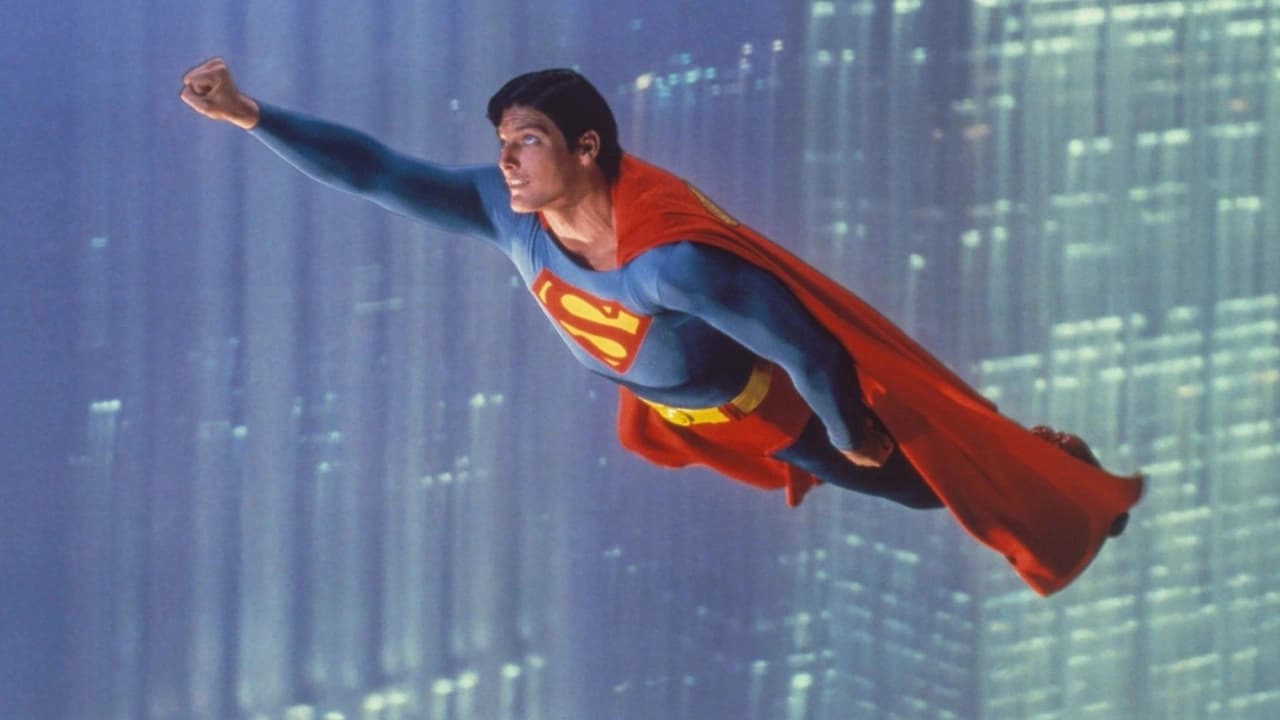
Equally brilliant was Margot Kidder as Lois Lane. Feisty, whip-smart, cynical yet captivated, Kidder created a Lois who was more than just a damsel in distress; she was a formidable journalist and the perfect foil and partner for Superman. Their chemistry crackles, particularly in the iconic "Can You Read My Mind?" flying sequence – a moment of pure cinematic romance and wonder, elevated by John Williams' soaring, unforgettable score. Seriously, has there ever been a more perfect superhero theme? That fanfare is Superman.
### Scheming Villains and Spectacular Feats
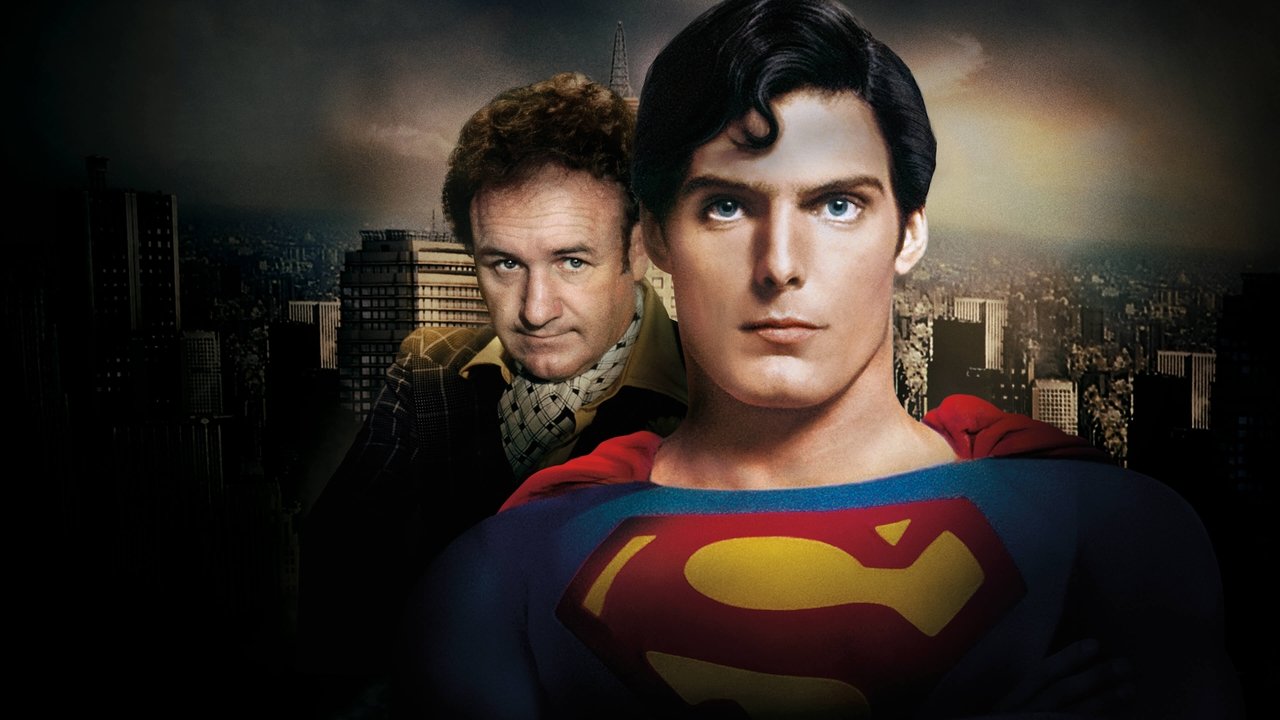
Of course, what's a hero without a villain? Gene Hackman brings a delightful blend of menace and high-camp theatricality to Lex Luthor. Flanked by the bumbling Otis (Ned Beatty) and the savvy Miss Teschmacher (Valerie Perrine), Hackman’s Luthor isn’t some cosmic threat; he’s a narcissistic criminal mastermind obsessed with… real estate? It sounds quirky, but Hackman sells it, making Luthor a genuinely threatening, albeit often hilarious, antagonist. His underground lair and elaborate schemes felt perfectly scaled for this pre-digital age superhero adventure.
The film's groundbreaking visual effects, supervised by a team including Les Bowie and Derek Meddings, earned a Special Achievement Academy Award, and rightfully so. While some effects might look dated now compared to slick CGI, the practical magic used to make Superman fly, catch helicopters, reverse time (okay, Spoiler Alert! that ending still divides fans!), and create the crystalline Fortress of Solitude felt revolutionary. Donner insisted on making the impossible seem plausible, and for the most part, they pulled it off spectacularly, cementing that promise: you would believe.
### Why It Still Soars
Rewatching Superman today, perhaps on a format far removed from that cherished VHS, its enduring magic is clear. In an era often dominated by darker, grittier superhero takes, its unabashed optimism and sincerity feel refreshing. It treats its source material with respect, balancing epic scale with genuine human emotion. It launched Christopher Reeve into superstardom and arguably created the template for the modern blockbuster superhero film. Despite its nearly two-and-a-half-hour runtime, it rarely drags, filled with iconic moments, quotable lines, and that incredible sense of wonder. It wasn't just a hit; grossing over $300 million worldwide, it was a phenomenon that proved audiences were ready for superheroes treated seriously, yet joyfully.
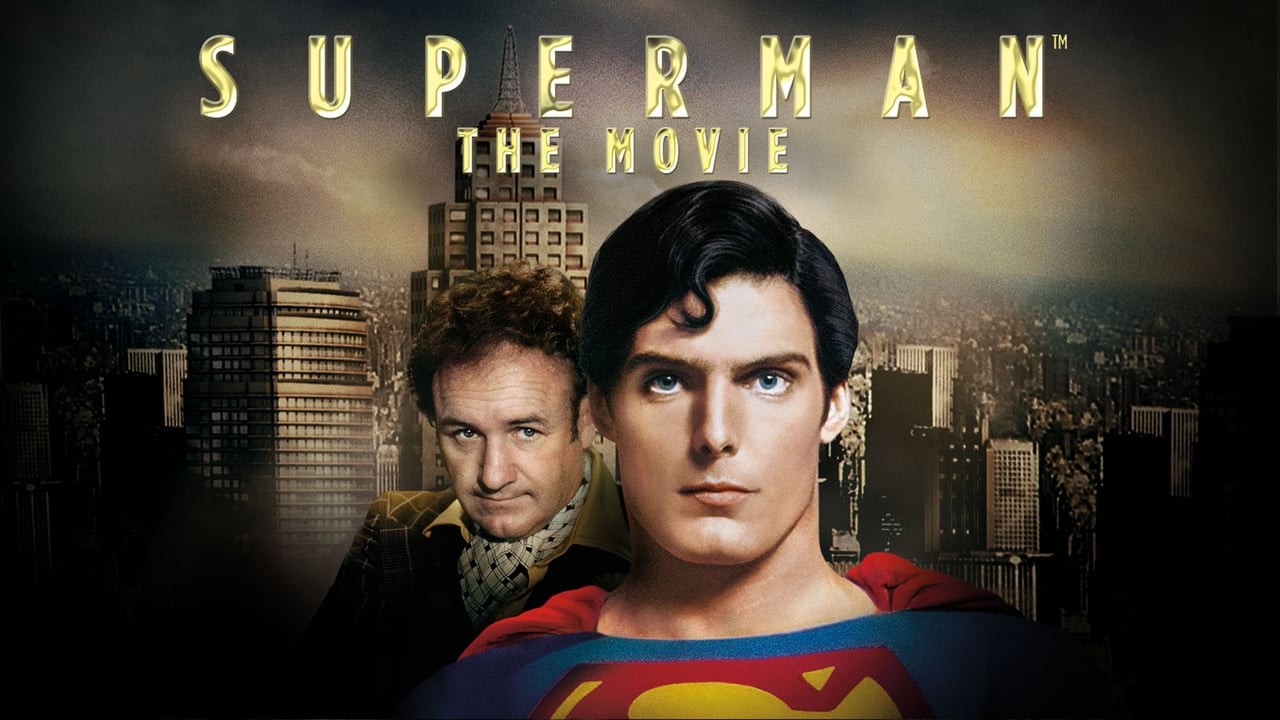
Rating: 9.5 / 10
This near-perfect score reflects the film's monumental achievement. Christopher Reeve's definitive portrayal, Richard Donner's masterful direction balancing heart and spectacle, John Williams' iconic score, and groundbreaking (for its time) special effects all contribute. It falters slightly with the time-reversal ending for some, but its sheer craft, warmth, and enduring impact are undeniable. It truly set the gold standard.
Superman: The Movie wasn't just a film you watched; it was an event, an experience that captured the imagination. It’s the kind of movie magic that made those trips to the video store feel like treasure hunts, searching for that tape that promised adventure beyond belief. And boy, did it deliver.