Picture this: a world before the internet, where discovering a truly unique film felt like uncovering hidden treasure. For countless kids growing up behind the Iron Curtain in the early 80s, The Adventures of the Electronic (Приключения Электроника, Priklyucheniya Elektronika, 1980) wasn't just a movie; it was a phenomenon, a shared cultural touchstone beamed directly into their living rooms over three captivating nights. While it might not have graced the shelves of your local Blockbuster, this Soviet sci-fi miniseries captures a specific, optimistic brand of childhood wonder that feels right at home here at VHS Heaven. Forget flashy Hollywood effects; this is a story brimming with heart, catchy tunes, and a surprisingly thoughtful question: what does it truly mean to be human?
A Double Dose of Discovery
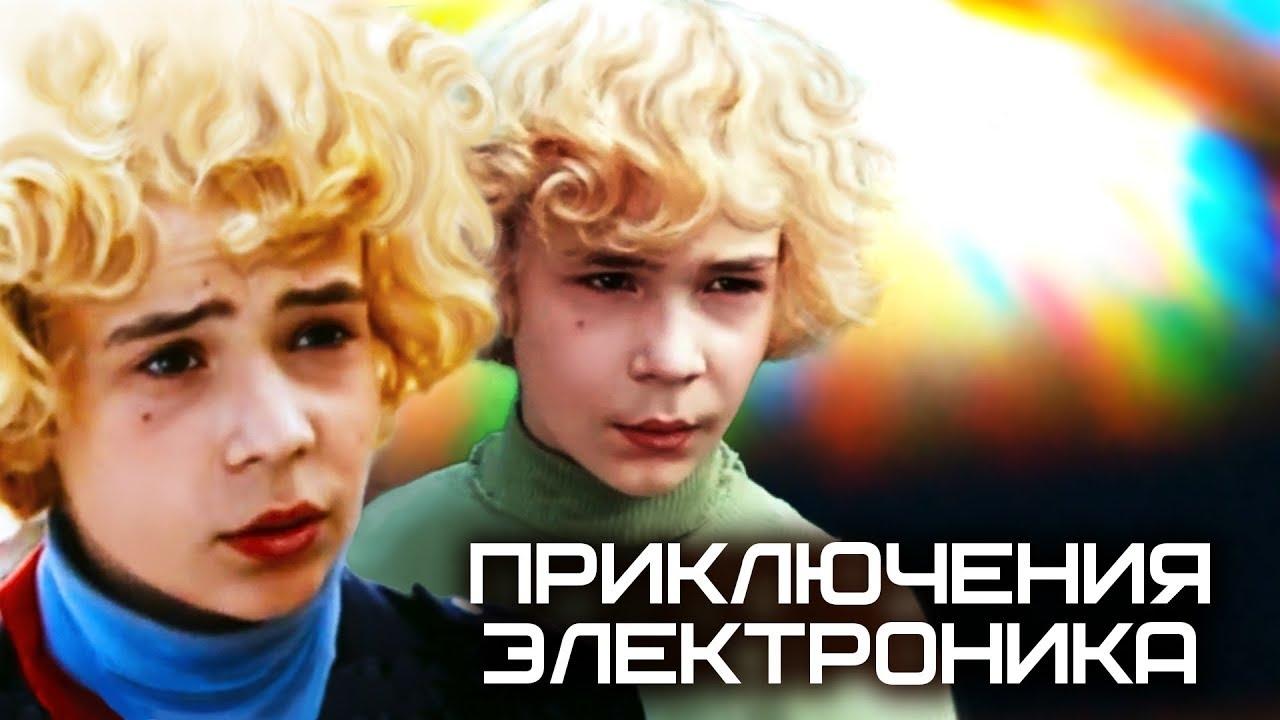
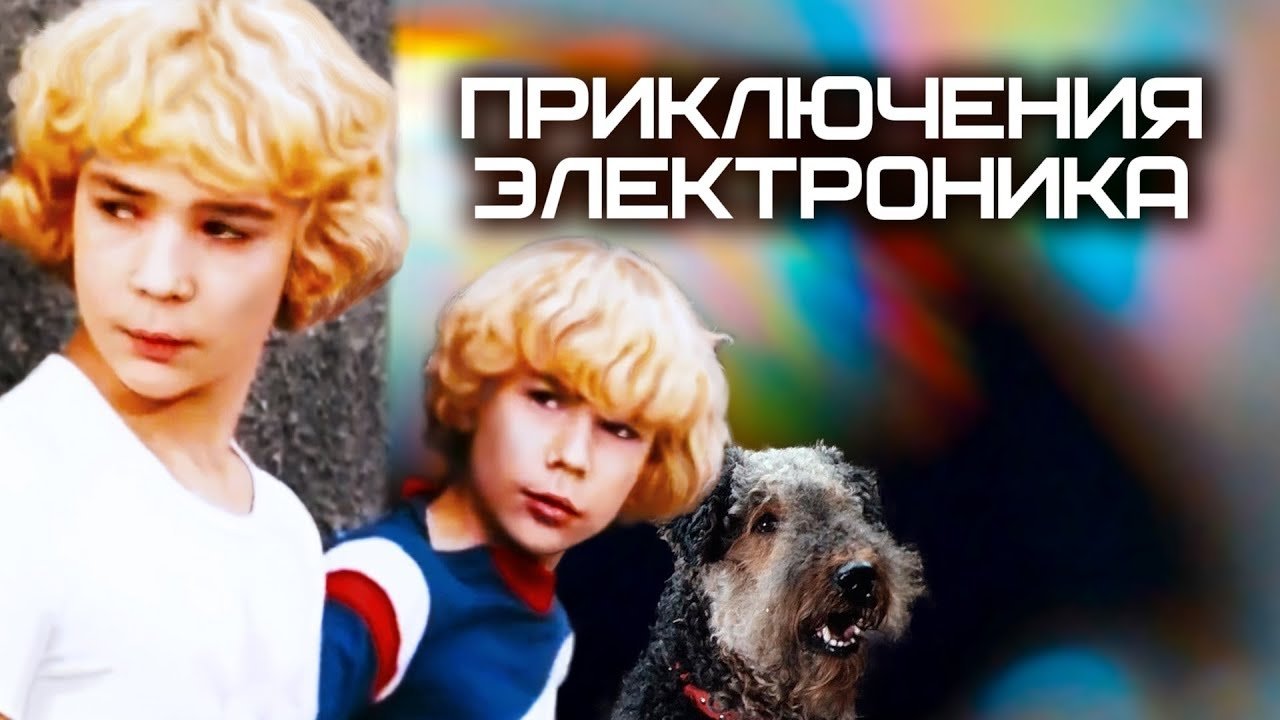
Based on the popular children's books by Evgeny Veltistov, the story kicks off when Professor Gromov, a kindly cybernetics genius, succeeds in creating his masterpiece: Electronic, or "Elek," an android boy physically identical to a picture on a magazine cover. Played with uncanny dualism by newcomer Vladimir Torsuev, Elek possesses superhuman strength, speed, and encyclopedic knowledge. But he’s missing something crucial – the spark of humanity. Driven by a desire to understand what it means to be real, Elek escapes the lab and, wouldn't you know it, runs smack into his human doppelgänger: Sergey "Seryozha" Syroezhkin, the very boy from the magazine photo, played by Vladimir's real-life twin brother, Yuriy Torsuev.
Seryozha is everything Elek isn't: charmingly lazy, struggling in school, and more interested in hanging out with his best friend Makar Gusev (a perfectly cast Evgeniy Livshits) than hitting the books. Seeing an opportunity too good to pass up, Seryozha convinces the naive Elek to take his place – attending school, doing chores, basically handling all the unpleasantries of being a sixth-grader. What follows is a classic switcheroo comedy setup, but director Konstantin Bromberg, working from Veltistov's own adaptation, elevates it beyond mere hijinks.
More Than Just Wires and Code
While the initial premise leans into comedy – Elek effortlessly acing tests, becoming a sports star overnight, and baffling teachers with his literal interpretations – the series quickly delves into deeper territory. Elek’s journey isn't just about mimicking human behavior; it's about learning empathy, friendship, and the value of struggle. We see his quiet confusion turn into genuine affection for Seryozha and his friends, and his logical mind grapple with illogical human emotions. The scenes where Elek tries to understand art, music, or why people choose to do difficult things are genuinely touching.
There's a wonderful earnestness to the performances, especially from the Torsuev twins. Finding identical twins who could convincingly portray both the naive android and the mischievous human boy was no small feat. Reportedly, the casting call searched across the entire Soviet Union, screening hundreds of pairs before landing on Yuriy and Vladimir. Their natural chemistry, combined with clever editing and direction by Bromberg (who clearly understood the magic he had captured), makes their shared identity utterly believable. You root for Seryozha to learn responsibility, and you ache for Elek as he yearns for acceptance and understanding.
Soviet Style and Unforgettable Songs
Watching The Adventures of the Electronic today offers a fascinating glimpse into Soviet-era children's entertainment. There's an inherent optimism, a belief in progress, science, and the potential of youth. The "advanced" technology might look charmingly retro now (think flashing lights, reel-to-reel computers, and Elek's very distinct metallic voice filter), but it served its purpose perfectly at the time. It felt futuristic enough to spark imagination without overshadowing the human story.
And the music! Oh, the music. Composed by Evgeny Krylatov with lyrics by Yuri Entin, the soundtrack is legendary in Russia and former Soviet republics. The melancholic yet hopeful theme song, "Krylatye Kacheli" ("Winged Swings"), became an instant classic, a poignant anthem about dreams and childhood's fleeting nature. It's one of those melodies that burrows into your soul, even if you don't understand the language. The sheer popularity of the songs helped cement the series' place in cultural memory.
Of course, no adventure is complete without some peril. A bumbling foreign gang, led by the menacingly named Stump and his agile operative Urri (played with memorable flair by Nikolai Karachentsov), gets wind of the super-powered android boy. Their attempts to capture Elek for nefarious purposes provide the necessary thrills and chase sequences, adding a layer of classic espionage adventure to the mix. Urri, with his distinctive motorcycle and gadgets, became an iconic villain kids loved to hate.
A Legacy Beyond Borders?
While The Adventures of the Electronic was a monumental success within the Eastern Bloc, its reach into the West during the VHS era was limited. Yet, its themes are universal. The desire to fit in, the meaning of friendship, the struggle between innate talent and earned achievement – these resonate regardless of cultural background. It's a reminder that compelling storytelling for young audiences doesn't need cynical edges or overwhelming spectacle; sometimes, earnestness and heart are more than enough. It speaks volumes that, even decades later, mentioning "Elektronik" can instantly evoke fond memories for millions.
For retro film fans seeking something different, a window into another world's childhood classics, The Adventures of the Electronic is a rewarding discovery. It’s charming, surprisingly thoughtful, and possesses a unique atmosphere that’s hard to replicate. It captures that specific 80s feeling of boundless possibility, seen through a fascinatingly different cultural lens.
VHS Heaven Rating: 8/10
This score reflects the film's undeniable charm, its thoughtful exploration of humanity, its iconic status within its original cultural context, and the sheer nostalgic power it holds for those who grew up with it (and its potential for discovery for others). While some elements feel dated and the pacing is distinctly of its era (it is a three-part miniseries, after all), the core story, the performances by the twins, and the unforgettable music make it a truly special piece of retro television.
It's a heartwarming adventure that reminds us, perhaps more relevantly now than ever, that being human is less about perfection and more about the messy, wonderful journey of learning and connecting. A true gem waiting to be rediscovered on the digital shelves.