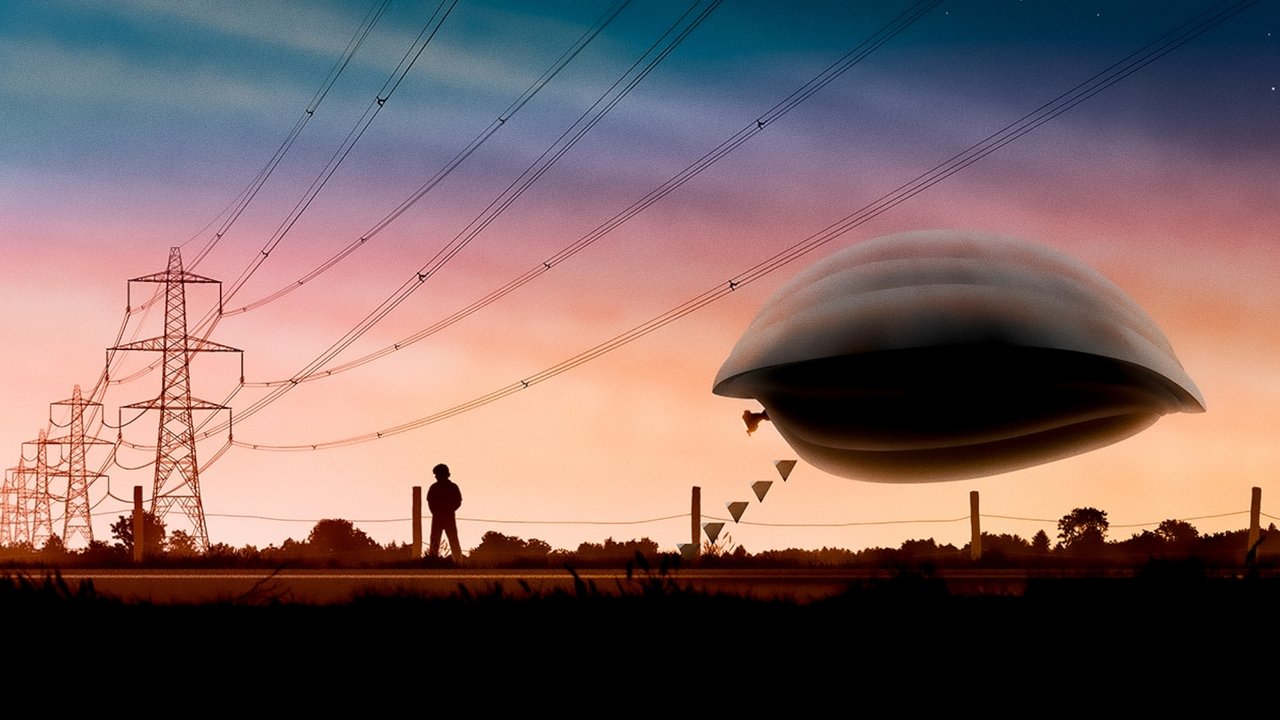
It arrives not with a bang, but with a silent, impossible glide. The chrome surface of the Trimaxion Drone Ship, reflecting the familiar Florida landscape like liquid metal, wasn't just another movie spaceship; it felt like a whispered promise of something truly wondrous. For many of us watching Flight of the Navigator back in 1986, maybe squinting at a rented VHS tape on a fuzzy CRT screen, that ship was pure, unadulterated magic, the kind that lodges itself firmly in your memory banks.
### Lost in Time, Found by Wonder
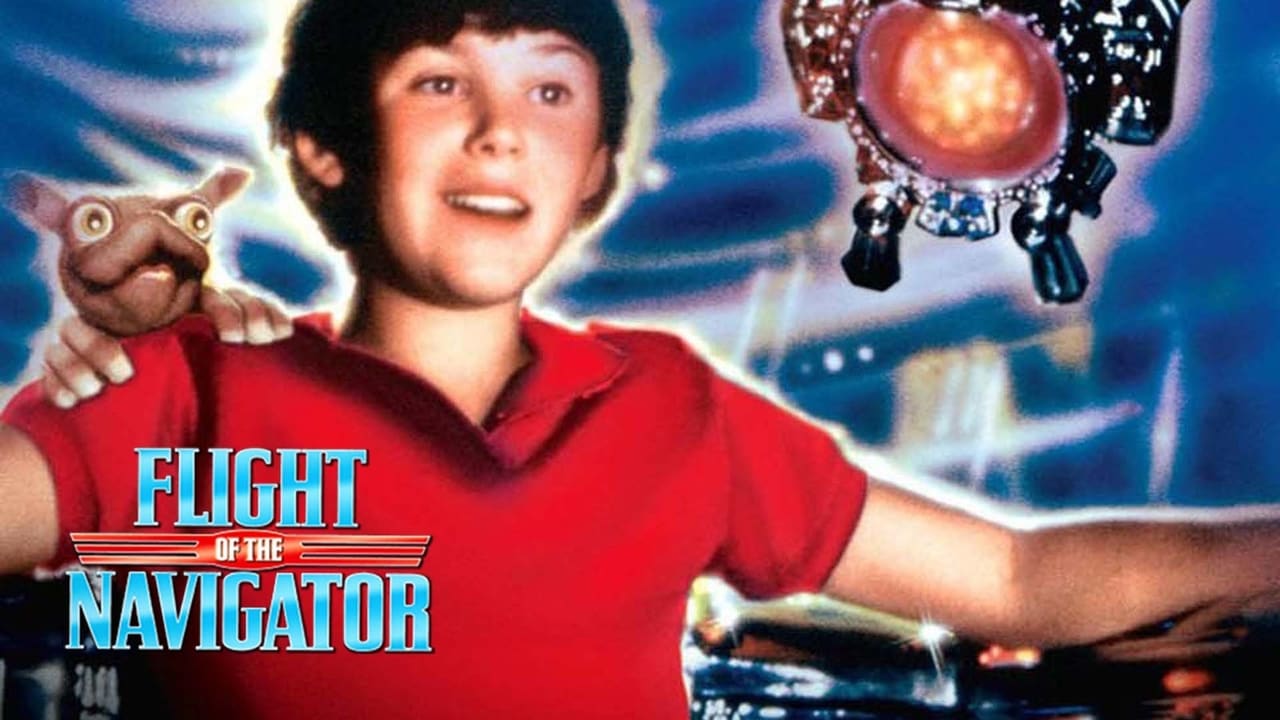
The film, directed with a gentle touch by Randal Kleiser (who certainly knew a thing or two about youthful adventures after Grease and The Blue Lagoon), doesn't just throw us into space battles. It starts with a deeply human mystery. Young David Freeman (Joey Cramer) takes a tumble in the woods on July 4th, 1978, only to wake up and discover it's suddenly 1986. His family has aged, his little brother is now his older brother, and the world has moved on without him. Cramer brings a believable sense of disorientation and heartbreak to David's plight, making the fantastical premise feel grounded. His frantic parents, played with warmth and worry by Veronica Cartwright (a genre veteran already known from Alien) and Cliff DeYoung, sell the emotional core: how do you reconnect with a child who hasn't aged a day while your own life has marched relentlessly forward?
### "Compliance!" - Meet Your Navigator

Of course, the reason for David's temporal displacement is soon revealed: he was abducted (or perhaps 'borrowed') by that incredible alien spacecraft, now in NASA's bewildered possession. The ship, damaged and needing the star charts locked away in David's subconscious, forms a psychic link with him. And that's when the real fun begins. The ship, initially a robotic entity, develops a personality – the witty, sarcastic, and utterly unforgettable Max, voiced brilliantly by Paul Reubens. It's a fascinating bit of trivia that Reubens was initially credited under the pseudonym "Paul Mall." Disney, perhaps nervous about associating the family film too closely with his burgeoning Pee-wee Herman persona, opted for secrecy. But there's no mistaking that distinctive voice, bringing Max to life with playful energy and making the interactions between boy and ship the absolute heart of the movie. Their banter, the growing friendship, David teaching Max about Earth music and slang – it's pure 80s movie gold.
### That Sleek, Shiny Ship
Let's talk about that ship again. For 1986, the visual effects were genuinely impressive. While the budget was a relatively modest $9 million (earning back a respectable, if not blockbuster, $18.6 million), the money was well spent. The exterior shots of the reflective ship utilized early CGI techniques, specifically reflection mapping, handled by Omnibus Computer Graphics (who, sadly, went bankrupt shortly after). It gave the craft an otherworldly smoothness that still looks striking. The morphing metal staircase? The cozy, organic interior? The adorable little alien creatures Max collects? These practical and digital touches created a tangible sense of wonder. You absolutely believed this thing could fly, could think, could become your friend. I remember desperately wanting one of those little Puckmarin creatures after seeing the film!

### More Than Just a Joyride
While the film certainly delivers on the promise of flight – David taking the helm, soaring across the globe, the sheer exhilaration perfectly captured by Alan Silvestri's soaring, iconic score – Flight of the Navigator offers more than just spectacle. Kleiser and writers Michael Burton, Matt MacManus, and Mark H. Baker (working from an original story by Baker) weave in themes of family, loss, and the bittersweet nature of time. David's adventure is incredible, but it comes at the cost of his childhood, his place in the world. The film doesn't shy away from the sadness of his situation, even amidst the humor and excitement. Even supporting characters, like Sarah Jessica Parker as a kindly NASA intern, add a touch of humanity to the government agency backdrop. Filming took place largely in Fort Lauderdale, Florida, giving it that authentic summer vibe, with some crucial icy scenes shot on location in Norway, adding a touch of global scope to David's brief, incredible journey.
### A Cult Classic Takes Flight
Though perhaps overshadowed initially by bigger blockbusters, Flight of the Navigator found its true home on VHS and cable television, becoming a beloved staple for a generation. It captured a specific kind of optimistic, wonder-filled science fiction that felt unique to the 80s – less about galactic warfare, more about personal discovery and connection. It didn't spawn sequels or remakes (though whispers of a reboot occasionally surface), allowing it to remain this perfectly preserved capsule of imaginative filmmaking. It stands as a testament to Disney's live-action output during that period, proving they could blend family-friendly adventure with genuine emotion and cutting-edge (for the time) effects.
VHS Heaven Rating: 8/10
Flight of the Navigator is a pure nostalgia trip, yes, but it earns its place in our memories. The visual effects, particularly the stunning ship design, hold up remarkably well thanks to their artistry. The central relationship between David and Max is funny, charming, and surprisingly touching. Joey Cramer gives a natural performance anchoring the fantasy, and Alan Silvestri's score elevates every moment of wonder and excitement. While the plot might have a few convenient turns typical of the era, the film’s blend of sci-fi adventure, humor, and genuine heart remains incredibly effective. It perfectly justifies its rating by delivering a unique and emotionally resonant experience that captures the magic of 80s cinema.
It’s one of those films that reminds you of the sheer, unadulterated joy movies could spark back then – a high-flying adventure with a soul, forever navigating the warm currents of our fondest VHS memories.