Okay, settle back into that worn spot on the couch, maybe imagine the faint hum of a CRT television warming up. Forget slick Hollywood blockbusters for a moment. We're digging into a different kind of treasure today, one that beamed onto screens from behind the Iron Curtain and captured the imaginations of millions: the 1984 Soviet children's science fiction miniseries, Guest from the Future (Гостья из будущего). For many who grew up in the USSR or Eastern Bloc, this wasn't just a TV show; it was a phenomenon, a shared cultural touchstone whispered about in schoolyards, its theme song echoing with a poignant blend of hope and melancholy.
### A Different Kind of Future Shock
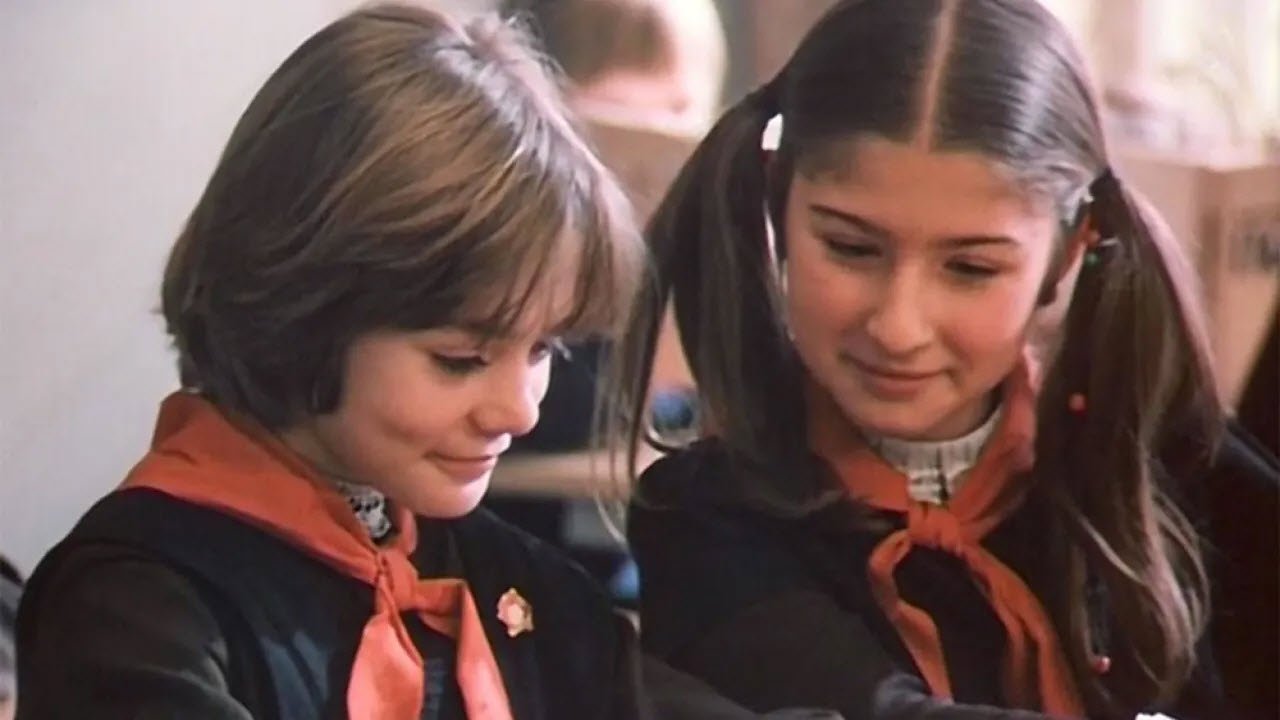
Based on the beloved novel One Hundred Years Ahead by prolific sci-fi author Kir Bulychyov, Guest from the Future spins a yarn that feels both familiar and distinctly different from its Western contemporaries. We follow Kolya Gerasimov (played with earnest curiosity by Aleksei Fomkin), an ordinary Moscow schoolboy in the 1980s who, quite by accident, stumbles upon a time machine hidden in a neighbour's seemingly abandoned apartment. Curiosity, naturally, gets the better of him, and he finds himself whisked away to the technologically advanced, utopian Moscow of 2084.
It's here he encounters Alisa Selezneva (Natalya Guseva), a bright, capable girl possessing a coveted device called the "myelophone" – capable of reading thoughts. When Kolya returns to his own time, he inadvertently brings the myelophone with him, hotly pursued by two bumbling but dangerous space pirates (played with comedic menace by Vyacheslav Nevinny and Mikhail Kononov) and, eventually, by Alisa herself, determined to retrieve the device and prevent temporal chaos. What unfolds is less a high-octane chase and more a charming, character-driven adventure focused on friendship, responsibility, and navigating the cultural (and temporal) differences between 1980s Moscow and its gleaming future counterpart.
### Alisa: An Icon Born of Optimism
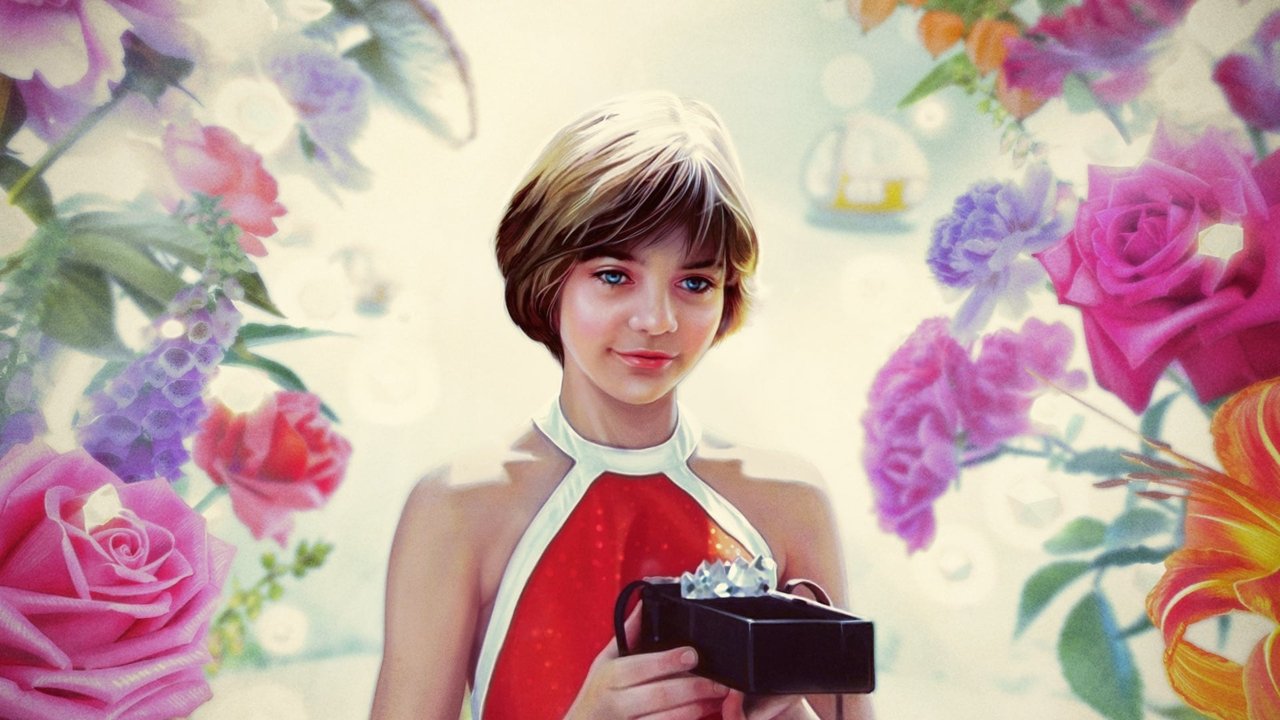
Let's talk about Alisa. For a generation, Natalya Guseva was Alisa Selezneva. Her portrayal wasn't one of a super-powered heroine, but of an intelligent, slightly serious, yet deeply empathetic girl from a future where kindness and knowledge are paramount. Her large, expressive eyes conveyed a sense of wonder and quiet determination that resonated profoundly. Guseva became an overnight sensation in the Soviet Union, receiving literally thousands of fan letters daily – a level of fame comparable to Western teen idols, but born from a character who represented intellectual curiosity and moral integrity rather than just pop glamour. It's a performance that holds up remarkably well, anchoring the series with genuine heart. Aleksei Fomkin as Kolya is equally convincing as the slightly mischievous but ultimately good-hearted kid caught up in extraordinary circumstances. Sadly, Fomkin's later life was marked by tragedy, adding a layer of poignancy when revisiting the series today.
Director Pavel Arsenov, working from Kir Bulychyov's own adaptation of his novel, crafted something special. The series, originally broadcast in five parts, takes its time, allowing viewers to soak in the atmosphere of both the familiar 80s setting and the imagined future. While Western sci-fi often leaned into dystopia or action spectacle, Guest from the Future presented a future that felt peaceful, collaborative, and focused on personal growth and exploration. Think less Blade Runner, more Epcot Center with a Soviet flavour.
### Retro Fun Facts & Charming Effects
The production, while hugely popular, was operating on a television budget, and it shows – but often in endearing ways.
- The "Fliers": The personal flying vehicles seen in 2084 Moscow? Often achieved with simple bluescreen effects or by filming actors standing on platforms moved by cranes, their legs cleverly hidden. It looks dated now, sure, but back then? Pure magic.
- The Myelophone: The iconic mind-reading device was actually crafted from a block of quartz crystal, chosen for its futuristic look. Simple, effective, and instantly memorable.
- Source Material Power: Kir Bulychyov was a giant of Soviet science fiction, and his Alisa Selezneva character appeared in numerous books, animated shorts, and even a 1981 feature film, The Mystery of the Third Planet (Тайна третьей планеты). Guest from the Future remains the most iconic screen adaptation.
- Location, Location, Location: Much of the "future Moscow" was filmed in the city's Botanical Garden and around existing modernist architecture, cleverly framed to suggest a transformed landscape.
- Cultural Impact: The theme song, "Prekrasnoye dalyoko" (Прекрасное далёко, roughly "Wonderful Far-Away" or "Beautiful Tomorrow"), became an instant classic, a staple sung by schoolchildren across the Soviet Union. Its hopeful yet slightly wistful melody perfectly captured the series' tone. It's impossible to overstate how deeply this series embedded itself in the cultural consciousness of its time.
The effects might seem rudimentary compared to, say, Star Wars, which had landed a few years earlier, but they possess a handmade charm. The focus was always on the story and the characters, using the sci-fi elements to explore themes of honesty, courage, and the potential of humanity. It fostered a sense of wonder about science and the future, tinged with a distinctly Soviet brand of gentle optimism.
### Why It Still Resonates
Watching Guest from the Future today is like opening a time capsule. Yes, the pacing is more deliberate than modern shows, the technology charmingly retro-futuristic, and the fashion pure 80s Soviet chic. But the core appeal remains potent. It’s a story about ordinary kids facing extraordinary challenges, about the importance of doing the right thing, and about the tantalizing mystery of what lies ahead. It taps into that universal childhood dream of adventure, of stumbling upon something secret and magical just around the corner. For those who saw it back then, it evokes powerful nostalgia not just for the show itself, but for a specific time and place, and perhaps a more optimistic vision of the future than we often see portrayed today. It's a unique piece of television history, offering a fascinating counterpoint to the Western sci-fi narratives we might be more familiar with.
VHS Heaven Rating: 8/10
This score reflects the series' undeniable charm, its iconic status within its cultural context, the strength of its central performances (especially Natalya Guseva's Alisa), and its heartwarming, optimistic story. While the production values and special effects are clearly products of their time and budget, they contribute to its unique nostalgic appeal rather than significantly detracting from the core experience. It might lack the slickness of Hollywood productions, but it compensates with genuine heart and a memorable vision.
Guest from the Future is more than just a kids' show; it's a warm, engaging adventure with a surprisingly thoughtful core. If you ever stumble across a copy (or a stream), it's a trip back in time – both fictional and real – well worth taking. You might just find yourself humming that theme song for days.