Okay, settle back into that comfy armchair, maybe grab a Crystal Pepsi if you can find one (good luck!), because we're about to journey back to 1988. A time when aliens visiting Earth felt like cinematic gold... perhaps a little too golden for some. We're talking about Mac and Me, a film that wears its influences and commercial tie-ins not just on its sleeve, but emblazoned across its chest like a sponsorship deal. Forget subtlety; this movie arrived with the gentle grace of a runaway shopping cart full of Coke cans, and frankly, that's a huge part of its peculiar charm.
### Greetings, Earthling (and Corporate Sponsor)!
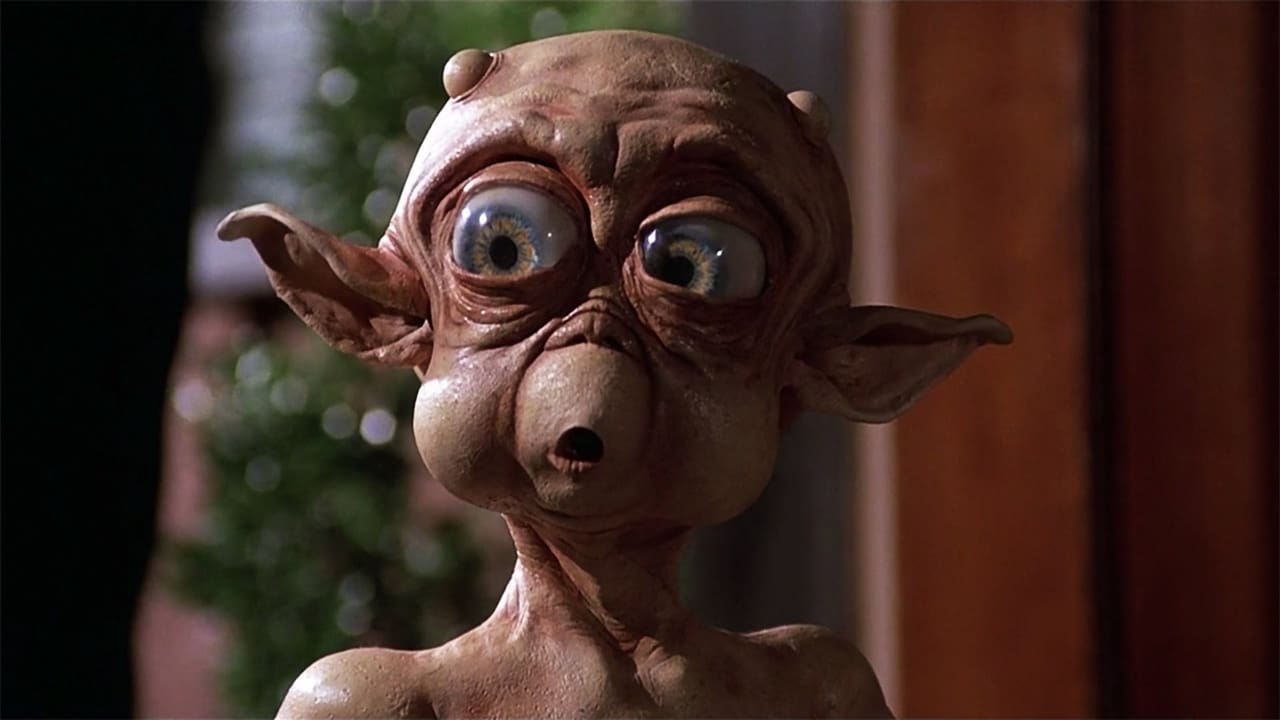
Let's not beat around the bush: Mac and Me is often whispered about in the same breath as Spielberg's E.T. the Extra-Terrestrial (1982), and not usually in a flattering way. Directed by Stewart Raffill (who also gave us the wonderfully weird The Philadelphia Experiment (1984) and the space-swashbuckling Ice Pirates (1984)), the premise involves a family of curious, long-limbed aliens getting accidentally transported to Earth via a NASA probe. During their panicked escape from government baddies, the youngest, dubbed MAC (Mysterious Alien Creature), gets separated and finds refuge with a human family moving to a new California suburb. Specifically, he bonds with Eric (Jade Calegory), a young boy who uses a wheelchair. Sound familiar? It’s a setup practically radiating with echoes of Elliott and his glowing-fingered friend.
But where E.T. aimed for universal themes of friendship and wonder, Mac and Me, co-written by Raffill and Steve Feke, often feels like it’s aiming squarely for the nearest McDonald's. And Coca-Cola vending machine. And Sears. The product placement isn't just present; it's practically a supporting character. MAC's inexplicable craving for Coke becomes a major plot point, leading to scenes that feel less like narrative progression and more like extended commercials awkwardly stitched into a sci-fi framework. You almost expect the little guy to pull out a loyalty card.
### That Infamous Dance Break
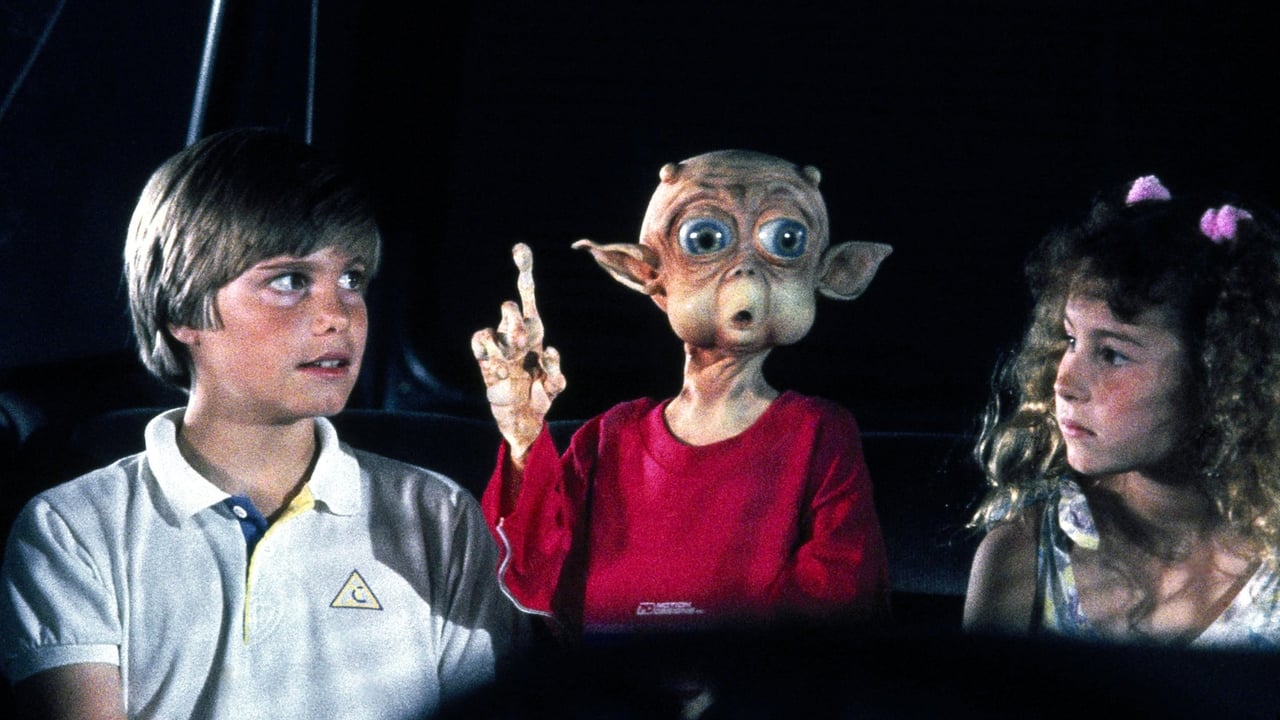
And then there's the scene. The one forever etched into the annals of bizarre cinematic moments: the McDonald's birthday party sequence. What starts as a way for MAC (disguised in a giant teddy bear costume, naturally) to blend in escalates into a full-blown, elaborately choreographed dance number involving dozens of patrons, employees, and even a cameo from Ronald McDonald himself. It’s baffling, it’s mesmerizingly strange, and honestly, it has to be seen to be believed. Was it peak 80s excess? A desperate attempt to inject energy? A fever dream brought on by too much fast food? Whatever the reason, it's become legendary for its sheer audacity. I remember watching this on a rented VHS, mouth slightly agape, wondering if the tracking needed adjusting or if the movie really was this gloriously bonkers.
### Heart Amidst the Hype?
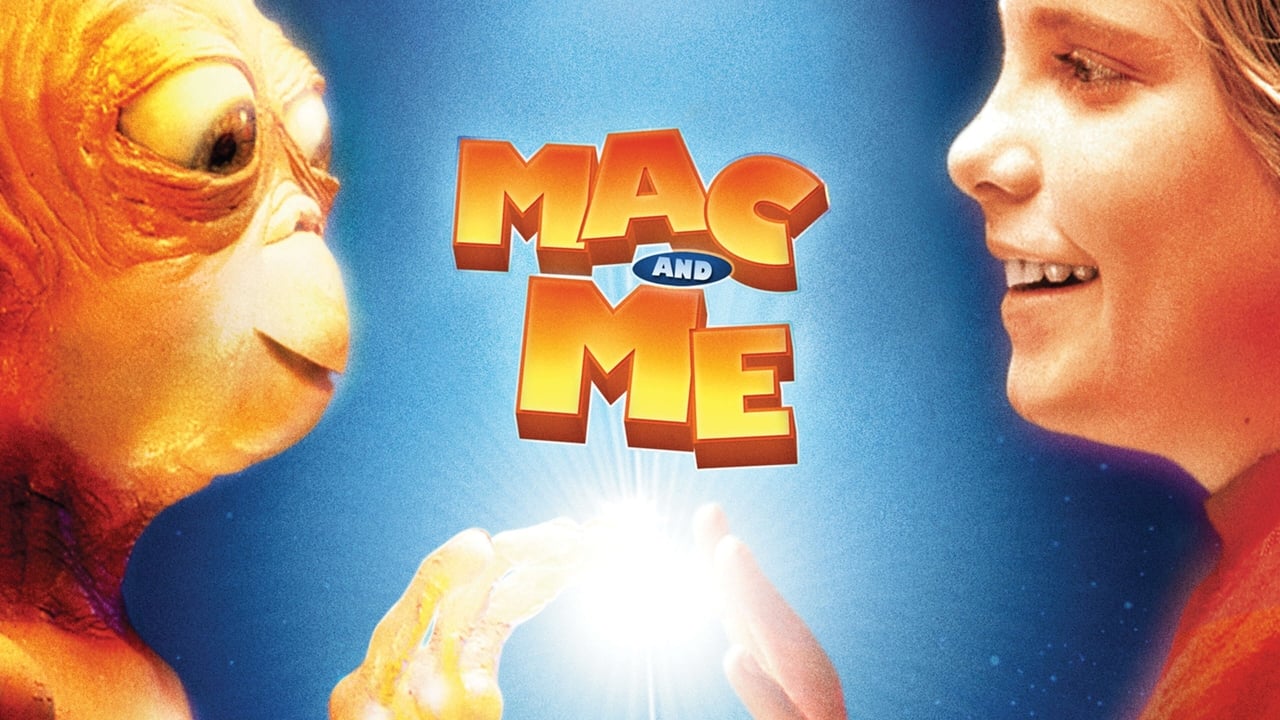
Despite the overwhelming commercialism and derivative plot, there's a kernel of something genuinely touching at the film's core, largely thanks to the casting of Jade Calegory. Featuring a young actor who used a wheelchair in a lead role, without making his disability the sole focus of his character, was notably progressive for a mainstream family film in 1988. Calegory brings a natural charm and vulnerability to Eric, forming a believable bond with the awkward alien creature. Christine Ebersole (later a Tony-winning stage actress) adds warmth as Eric's understandably stressed mother, Janet, grounding the more outlandish elements. Even Jonathan Ward, as the older brother Michael, fits the familiar 80s teen mold effectively. Their family dynamic feels surprisingly real amidst the alien antics and soda synergy.
### Retro Fun Facts: The Making of MAC
The story behind Mac and Me is almost as fascinating as the film itself. Producer R.J. Louis was reportedly inspired after seeing Jade Calegory in a McDonald's commercial and wanted to build a film around him. This led to the heavy McDonald's involvement – the film was even dedicated to the Ronald McDonald House Charities in some versions. The budget, around $13 million, yielded a box office return of only about $6.4 million, making it a significant flop. It wasn't exactly embraced by critics either, eventually "winning" Razzies for Worst Director and Worst New Star (for Ronald McDonald, in arguably the Razzies' most pointed joke).
There's also the infamous original ending, apparently much darker, involving Eric being tragically killed by a stray police bullet during the climax. Test audiences reacted poorly (shocking, I know!), leading to the revised, more uplifting (and frankly, utterly bizarre) resurrection ending we have now. The MAC puppet itself, designed by Martin J. Becker, was a complex creation operated by puppeteer Denny Gordon, requiring intricate cable controls for its facial expressions – a testament to the practical effects work of the era, even if the design itself has been... divisive. And yes, for modern cinephiles, Mac and Me is perhaps best known for the clip of Eric rolling off a cliff, which actor Paul Rudd has been using to prank Conan O'Brien for decades.
### A Cult Curiosity Endures
So, is Mac and Me a "good" movie? By conventional standards, probably not. Its plot is derivative, its pacing uneven, and the product placement is often hilariously intrusive. Yet, it possesses a strange, undeniable pull. It’s a time capsule of late-80s aesthetics, corporate ambition, and a certain naive earnestness. Watching it today is like unearthing a bizarre artifact from the back of the video store shelf – you know it's flawed, maybe even profoundly silly, but there’s an undeniable nostalgic affection for its sheer, unadulterated weirdness. It's a film that failed spectacularly at being the next E.T. but succeeded, perhaps unintentionally, at becoming a cult classic of cinematic oddity.
Rating: 3/10
The score reflects the film's significant objective flaws – the blatant mimicry, the often jarring product placement, and some truly baffling creative choices. However, that '3' comes wrapped in a thick layer of nostalgic affection for its status as a quintessential piece of 80s "what were they thinking?!" cinema. There's undeniable heart in Jade Calegory's performance and a certain charm to its practical effects, even if the overall package is a glorious mess.
It’s the cinematic equivalent of finding a cheap, oddly shaped toy in your childhood cereal box – you weren’t expecting it, it doesn’t entirely make sense, but you’ll absolutely never forget it.