Okay, grab your remote, maybe pour yourself something strong, because we're diving headfirst into the glorious, messy, neon-soaked chaos of Pedro Almodóvar's early work. Forget polished Hollywood narratives for a moment; watching Labyrinth of Passion (or Laberinto de pasiones, 1982) today feels less like watching a conventional movie and more like plugging directly into the raw, untamed energy of post-Franco Madrid. It's a blast of punk rock cinematic freedom, served up with a side of bewildering plot twists and characters that defy easy categorization.

Madrid Unbound: A City Exploding with Life
Trying to summarise the plot feels almost counterintuitive, like trying to neatly fold a Jackson Pollock painting. At its core, it follows two intersecting figures: Sexilia (a magnetic, early Cecilia Roth), the nymphomaniac lead singer of a punk band, and Riza Niro (Imanol Arias), the closeted gay son of a deposed Middle Eastern emperor hiding out incognito in Madrid. They meet, improbably, and find a strange solace in each other amidst a swirling vortex of other characters – terrorists, punk rockers, dry-cleaning obsessives, scorned lovers, and even an exiled empress (Helga Liné). It’s less a structured story and more a vibrant, kaleidoscopic snapshot of La Movida Madrileña, that incredible countercultural explosion that erupted in Spain following decades of authoritarian rule. This context is everything; the film feels less like a crafted narrative and more like Almodóvar throwing open the doors and letting the chaotic, liberated spirit of the times flood onto the screen. Remember seeing those foreign film covers in the video store, hinting at something utterly unlike the mainstream fare? This film was that promise, delivered with anarchic glee.
The Birth of Almodóvar
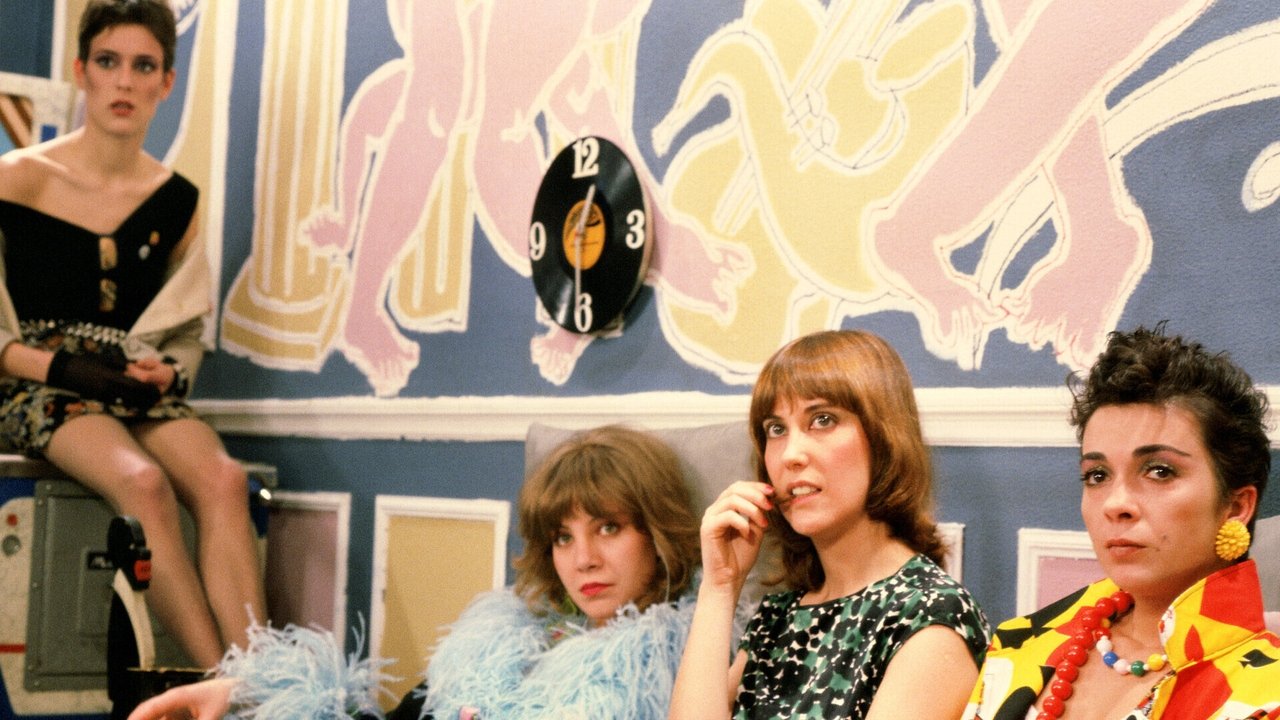
Here, we see the embryonic form of the Almodóvar we'd come to know through later, more refined works like Women on the Verge of a Nervous Breakdown (1988) or All About My Mother (1999). The signature elements are already bubbling: the bold, almost Fauvist colour palette; the fascination with melodrama pushed to operatic extremes; the blending of high camp and genuine emotion; the foregrounding of complex, often transgressive female characters; and an unapologetic celebration of sexuality in all its forms. This film, however, lacks the polish of his later output. It feels raw, made with infectious energy but perhaps not a lot of money – a testament to the DIY spirit of the Movida. There's a certain charm to its rough edges, a feeling that you're witnessing something vital being born. And yes, keep an eye out for Almodóvar himself, making a memorable appearance performing with his and Fabio McNamara's punk-glam parody duo. It’s moments like these that anchor the film firmly in its specific, exhilarating time and place.
Faces in the Frenzy
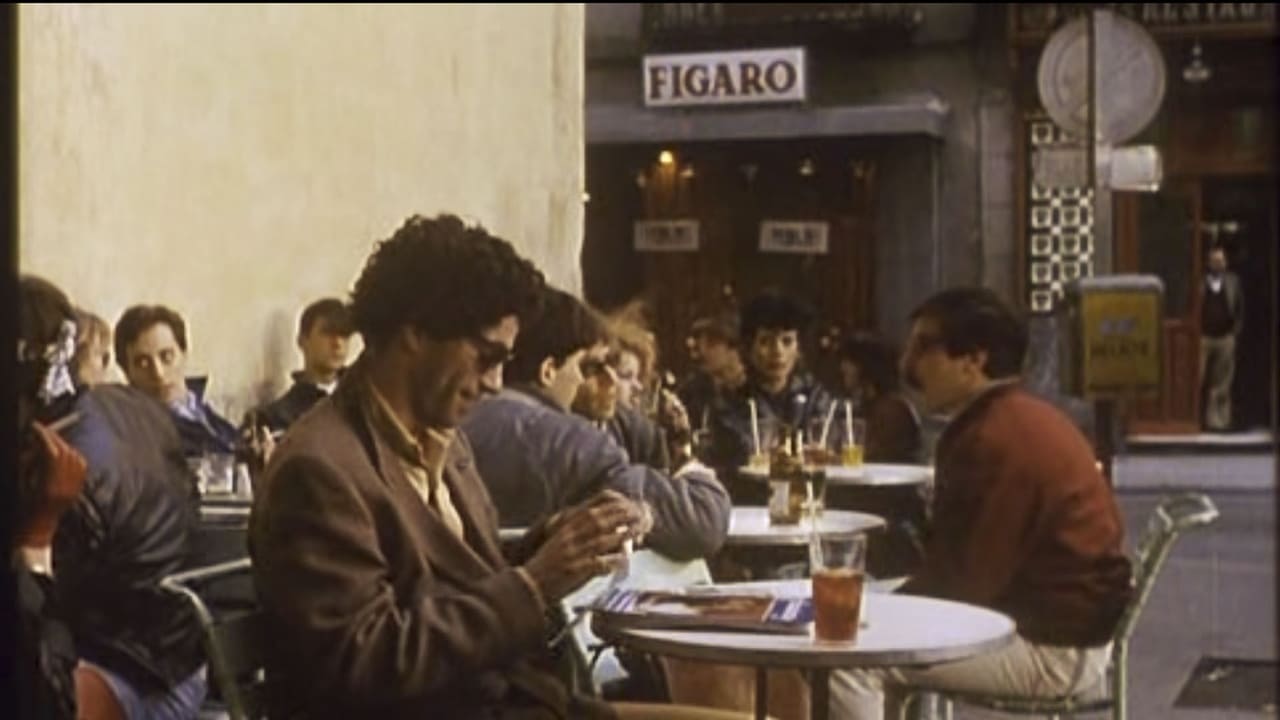
The performances are less about nuanced realism and more about embodying archetypes within this heightened world. Cecilia Roth, who would become a frequent collaborator, is utterly compelling as Sexilia. She radiates a punk defiance and a desperate need for connection, navigating the film's often absurd situations with a captivating presence. Imanol Arias brings a certain charm and vulnerability to Riza, a man caught between identities and desires. And Helga Liné, as the dethroned Empress Toraya, injects moments of pure, glorious melodrama. The acting across the board feels perfectly attuned to the film's specific wavelength – broad, energetic, and utterly committed to the director's singular vision, however wild it may be. They aren't just playing characters; they're channelling the liberated, anything-goes spirit of the era.

Not for the Faint of Heart (or Tidy Narrative)
Let's be honest, Labyrinth of Passion is messy. The plot threads dangle, characters appear and disappear, and tonal shifts can induce whiplash. It bombards the senses with sex, drugs, music, and violence, often treated with a casualness that must have felt genuinely shocking back in 1982, especially viewed through the lens of a rented VHS tape in a perhaps more conservative setting. It’s a film that demands you surrender to its logic, or lack thereof. If you're looking for tight plotting and subtle character arcs, this might feel like wading through cinematic treacle. But if you approach it as a cultural artefact, a burst of raw creative energy from a director finding his voice amidst a societal transformation, it’s fascinating. It’s the cinematic equivalent of a night out in a vibrant, slightly dangerous city – confusing, exhilarating, and utterly unforgettable. Finding this on a shelf back then, perhaps drawn by its lurid title or artwork, must have felt like discovering a secret transmission from another planet.
A Raw Slice of Cinematic History
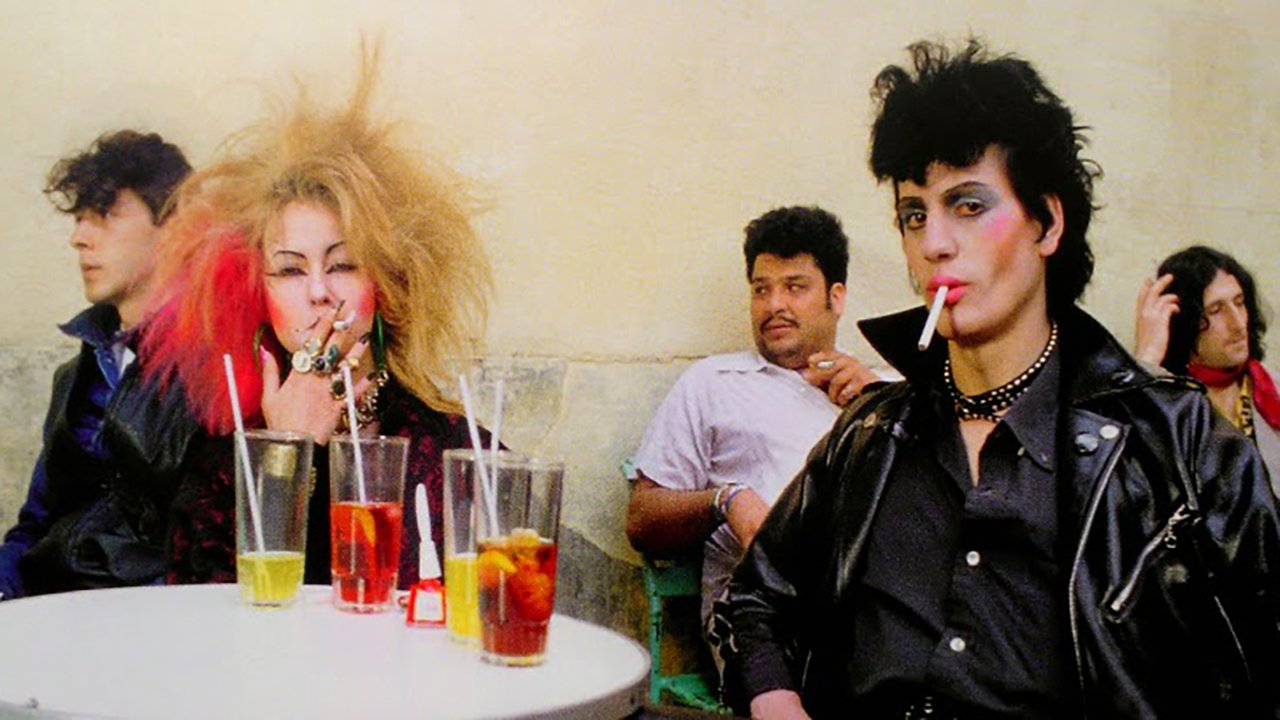
Labyrinth of Passion isn't Almodóvar's best film, nor his most coherent. But it might be one of his most important for understanding his origins and the cultural wellspring from which his unique cinematic language emerged. It captures the spirit of La Movida – its freedom, its excesses, its contradictions – with an authenticity that transcends its technical limitations or narrative sprawl.
Rating: 6/10
Justification: This rating reflects the film's undeniable energy, historical significance as a snapshot of La Movida and early Almodóvar, and its sheer audacity. The performances, particularly Roth's, capture the chaotic spirit perfectly. However, its narrative messiness and raw production values keep it from reaching higher scores based on conventional filmmaking metrics. It's a challenging but rewarding watch for those interested in the director's roots or cult Spanish cinema, a true VHS discovery that felt worlds away from Hollywood.
Final Thought: It’s a cinematic Molotov cocktail thrown with gleeful abandon – raw, provocative, and pulsing with the messy, beautiful heartbeat of a newly liberated Madrid.