There’s a particular kind of magic some films conjure, a spell woven not from explosive spectacle or high drama, but from quiet observation, gentle humour, and an atmosphere so thick you can almost taste the sea salt on the air. Bill Forsyth’s Local Hero (1983) is precisely that kind of enchantment, a film that arrived like a soft mist rolling in from the North Sea, surprising audiences who might have expected a more conventional fish-out-of-water comedy and instead finding something far richer, more poignant, and deeply human. I remember first catching this on a rented VHS tape, probably nestled between louder, more action-packed neighbours on the shelf, and being utterly captivated by its unassuming charm – a feeling that hasn't faded one bit over the decades.
An Unlikely Envoy in a Land of Whispers
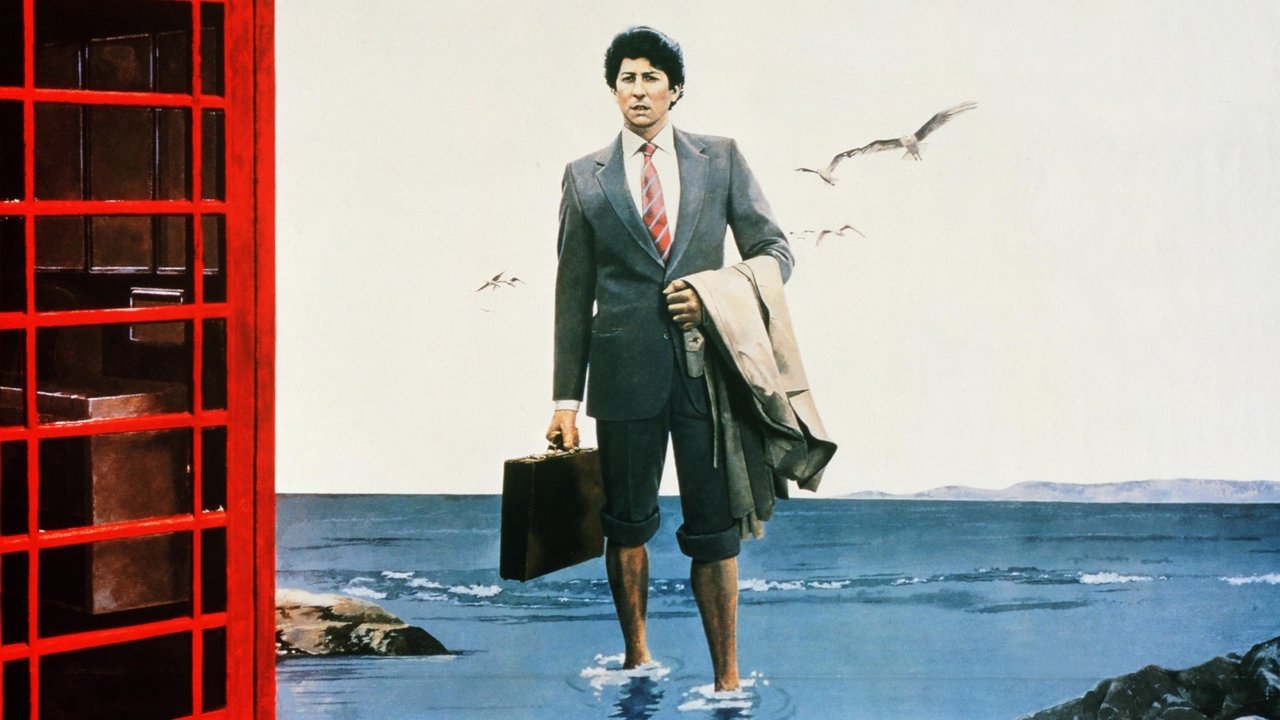
The premise seems simple enough: ambitious Houston oil executive MacIntyre – "Mac" to his colleagues (Peter Riegert, perhaps best known then for his role in Animal House (1978), showcasing a wonderfully different side here) – is dispatched by his eccentric, astronomy-obsessed boss Felix Happer (Burt Lancaster, radiating gravitas even when demanding updates on constellations) to the remote Scottish village of Ferness. The mission? Buy the entire town and its coastline to make way for a massive oil refinery. Mac, initially chosen because Happer mistakenly believes his surname implies Scottish heritage, sees it as a quick stepping stone up the corporate ladder. He arrives expecting tough negotiations and resistance, armed with his briefcase and American efficiency. What he finds instead is... Ferness.
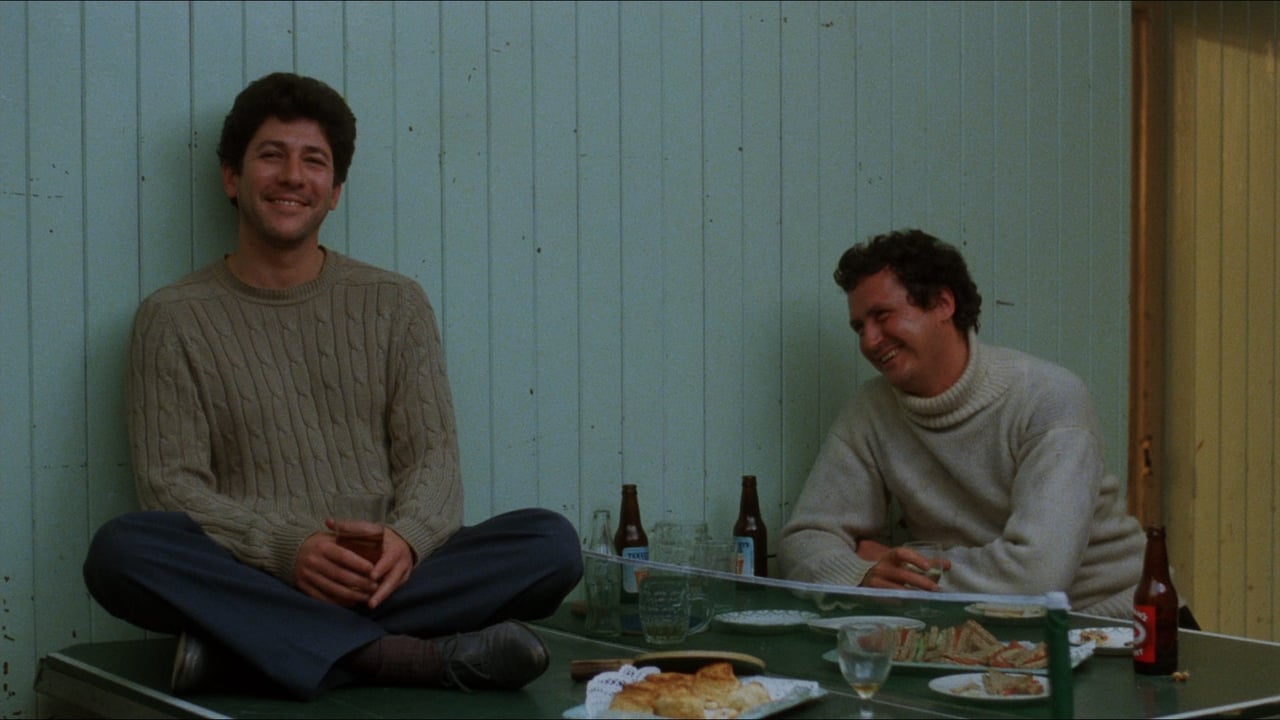
And Ferness isn't just a location; it's a character in itself. Forsyth, who both wrote and directed this gem following his charming breakout hit Gregory's Girl (1981), paints a portrait of a community operating on rhythms entirely alien to Mac's world. There's Gordon Urquhart (Denis Lawson), the cheerful hotel owner, accountant, and de facto mayor who seems more interested in local ceilidhs and his marine biologist wife Stella (Jennifer Black) than in massive petrochemical deals. There's the enigmatic beachcomber Ben Knox (Fulton Mackay in a truly beautiful, understated performance, sadly one of his last), who technically owns the crucial shoreline but seems immune to the lure of money. The initial interactions are laced with a gentle, observational humour born from the clash of cultures – Mac's impatience versus the village's unhurried pace, his corporate speak baffled by local dialects and priorities.
The Seductive Power of Place
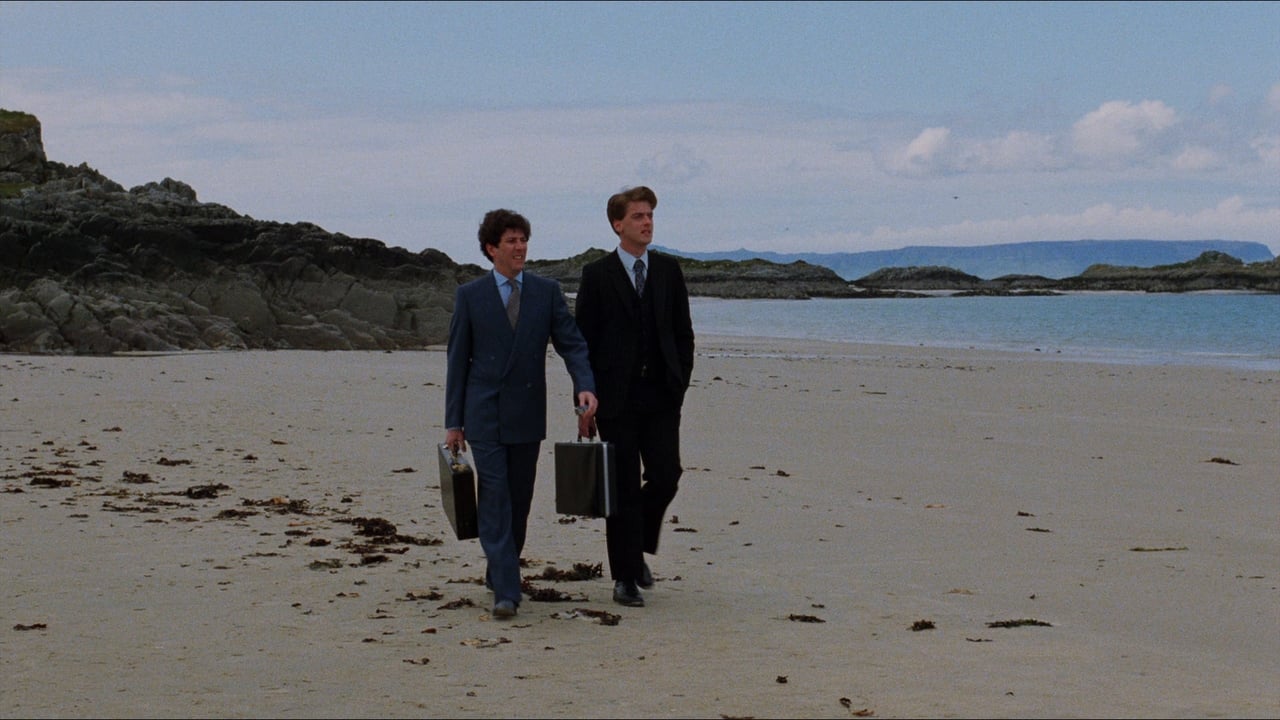
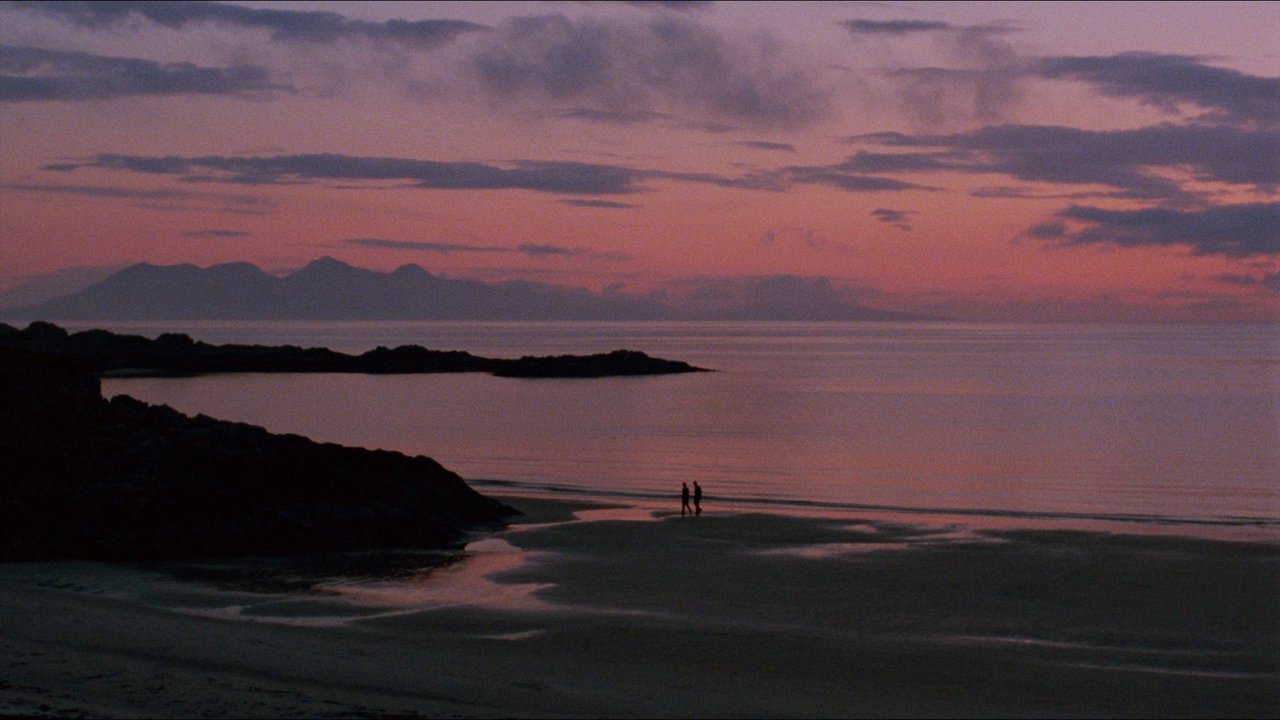
What makes Local Hero transcend a simple comedy setup is its profound understanding of place and belonging. Forsyth captures the stunning, windswept beauty of the Scottish coast (filmed primarily around Pennan and Camusdarach Beach) not just as a picturesque backdrop, but as an active force shaping the lives and attitudes of its inhabitants. The cinematography by Chris Menges (who would later win Oscars for The Killing Fields and The Mission) is breathtaking, soaking in the dramatic skies, the rugged coastline, and the intimate village streets. You feel the chill in the air, hear the cries of the gulls, sense the ancient history embedded in the landscape.
Mac, initially the consummate outsider, finds himself slowly, irrevocably drawn into the village's magnetic field. His business meetings become leisurely chats in the pub, his deal-making instincts are softened by genuine human connection, and the sharp edges of his ambition begin to blur. Peter Riegert portrays this transformation with remarkable subtlety. We see the initial awkwardness give way to curiosity, then affection, and finally, a quiet yearning. It’s a performance built on reactions and small gestures – a gradual unclenching, a growing ease in his own skin that feels entirely authentic. Reportedly, Riegert felt somewhat isolated himself during the shoot, being the main American actor amongst a predominantly Scottish cast and crew, an experience that likely deepened his portrayal of Mac's evolving perspective.
Stars Above and Riches Below
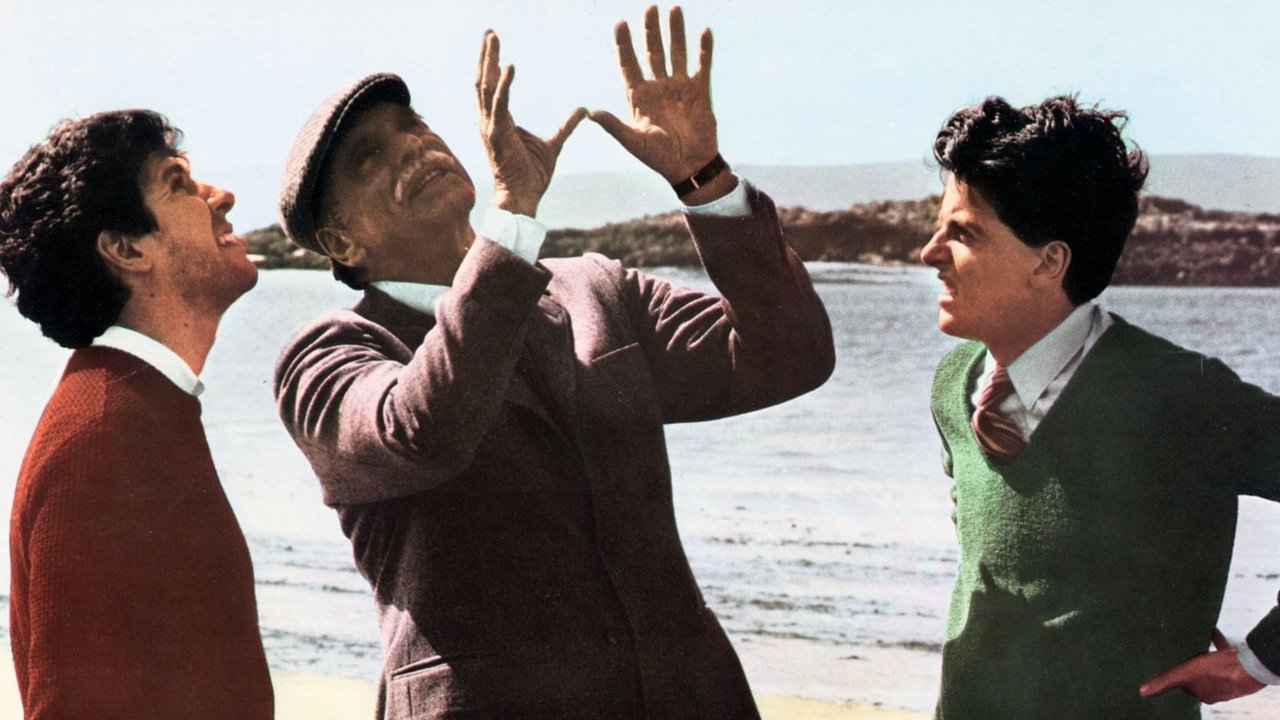
Juxtaposed with Mac's grounded experience is the wonderfully strange subplot involving Burt Lancaster's Happer. Lancaster, a Hollywood titan in the twilight of his legendary career, brings a surprising vulnerability and wistful quality to the role. Happer, communicating via telex and phone, is less interested in the oil deal than in finding the perfect celestial phenomena – specifically, aurora borealis – and grilling Mac for atmospheric reports. He even undergoes bizarre therapy sessions involving deliberate verbal abuse from a character played, amusingly enough, by Norman Chancer. This seemingly disconnected thread cleverly mirrors the film's larger themes: the search for something meaningful beyond material wealth, whether it's found in the vastness of the cosmos or the intimacy of a small community. Forsyth apparently had trouble securing initial funding because the script lacked conventional conflict or a clear villain – the studio heads couldn't quite grasp a story where the "antagonists" were charming locals and the central tension was internal rather than external.
And then there’s the music. Mark Knopfler’s score is inseparable from the film's identity. Fresh off the massive success of Dire Straits, Knopfler crafted a soundtrack that perfectly blends folk melodies with his signature shimmering guitar tones and subtle synthesizers. The main theme, "Going Home," is instantly evocative, capturing both the melancholy and the magic of Ferness. It became an unexpected hit in its own right and remains one of the most beloved film scores of the era, perfectly underscoring the film's gentle rhythms and emotional depth.
A Quiet Legacy
Local Hero wasn't a box office behemoth ($5.9 million domestically back then, maybe around $18 million today), but its impact resonated far beyond ticket sales. It garnered critical acclaim, won Bill Forsyth a BAFTA for Best Director, and cemented its status as a cult classic beloved by those who appreciate its unique blend of wit, warmth, and wistfulness. It’s a film that champions the small moments, the unexpected connections, the idea that maybe, just maybe, happiness isn't found in conquering the world, but in finding your small corner of it. The iconic red phone box in Pennan became a tourist destination purely because of the film – a testament to its quiet hold on the popular imagination.
Does Mac succeed in his mission? Does the refinery get built? The film answers these questions, but the true resolution lies elsewhere, in the subtle shifts within the characters themselves. What lingers isn't the plot outcome, but the feeling – the ache of leaving a place that has unexpectedly claimed a piece of your soul.
Rating: 9/10
This near-perfect score is earned through the film's masterful direction, its genuinely funny and touching script, the superb, naturalistic performances (especially from Riegert and Mackay), its breathtaking cinematography, and Knopfler's unforgettable score. Its deliberately gentle pace might not connect with everyone raised on faster fare, but for those willing to slow down and soak it in, Local Hero offers a uniquely rewarding experience. It avoids easy sentimentality, finding instead a profound emotional resonance in the quiet spaces between words and the enduring power of place.
It remains a beautiful reminder that sometimes the most valuable discoveries aren't buried underground, but found in the connections we make and the unexpected ways a place can change us, leaving us forever looking back, perhaps, towards a distant shore.