Alright, fellow tapeheads, let’s rewind to a time when champagne flowed freely, laughter echoed through Manhattan penthouses, and one of cinema’s most endearing drunks stumbled into our hearts. Pop that worn copy of Arthur (1981) into the VCR, adjust the tracking just so, and let’s talk about a comedy that felt like pure cinematic magic back in the day. Forget gritty realism for a moment; this was pure, effervescent escapism served straight up with a twist of wit.
### Meet the Millionaire Man-Child
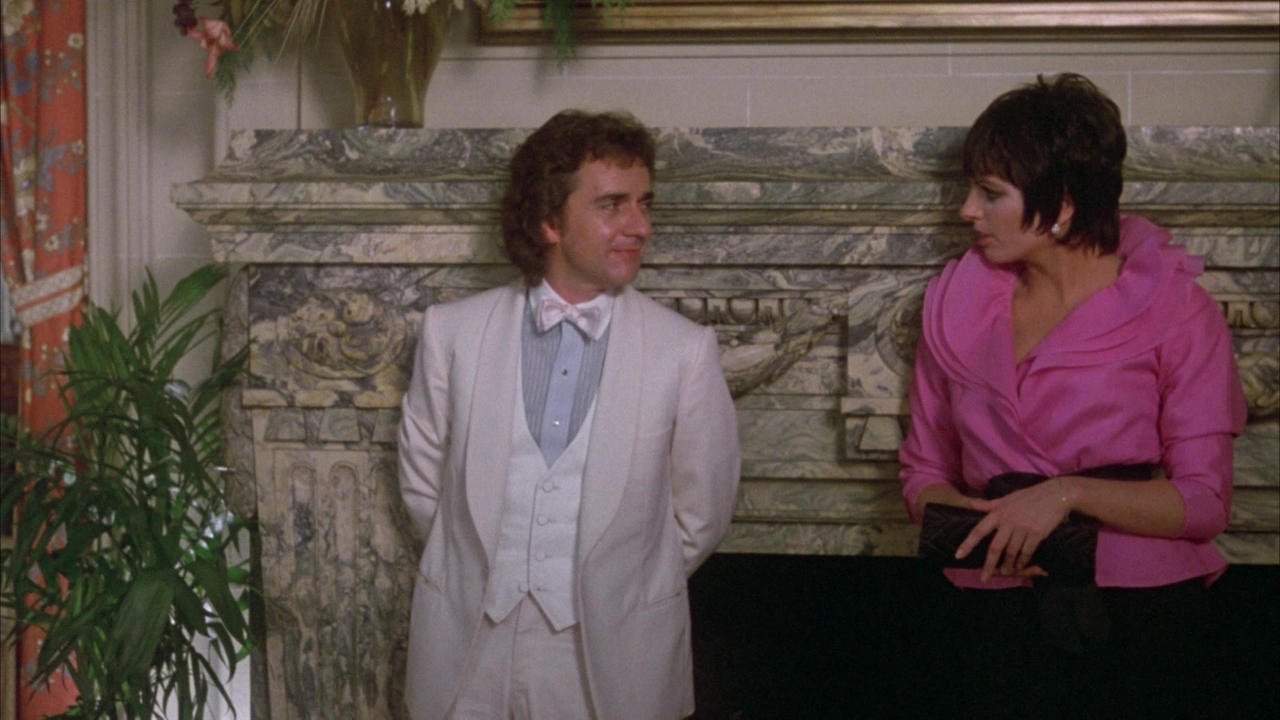
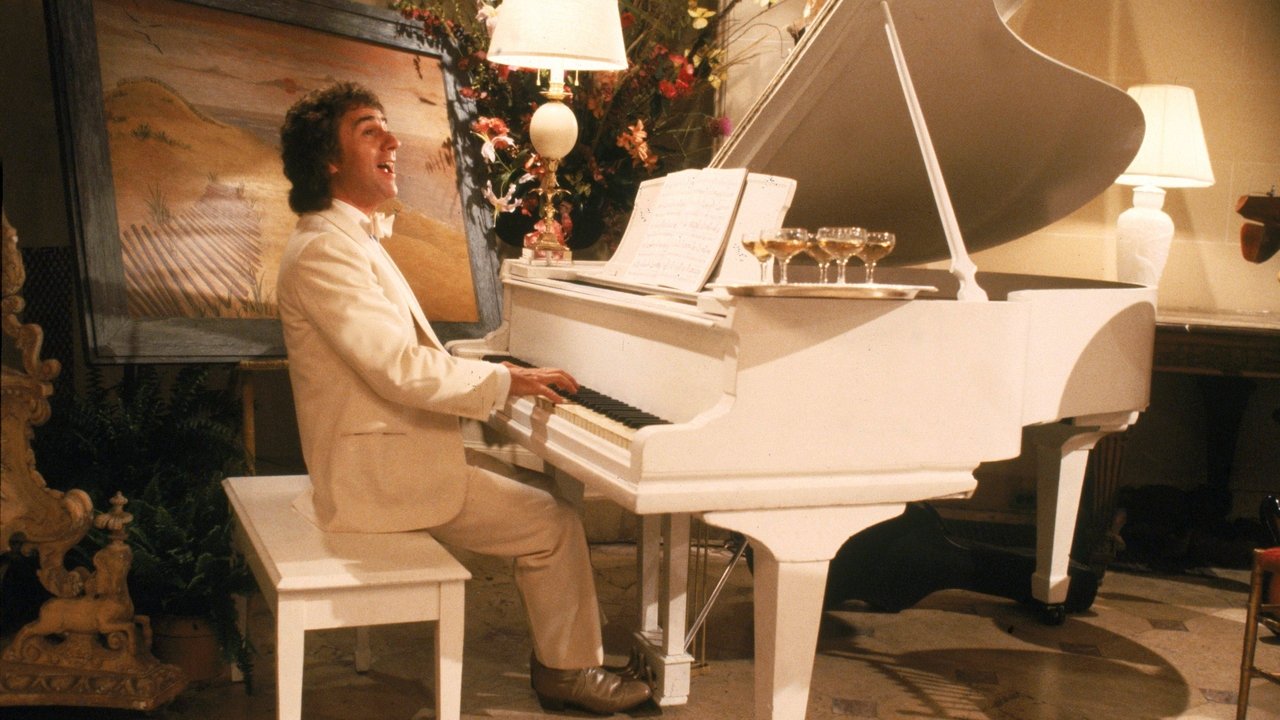
From the opening frames, Arthur establishes its unique charm. We’re introduced to Arthur Bach, played with absolute, career-defining brilliance by the late, great Dudley Moore. Arthur isn't just rich; he's fabulously, absurdly wealthy, a man whose primary occupation seems to be enjoying life to excess, preferably while completely sloshed. Moore, fresh off his star-making turn in 10 (1979), embodies Arthur with a giddy, infectious giggle and a surprising vulnerability beneath the drunken antics. It’s hard to imagine anyone else in the role, though incredibly, names like Al Pacino, Jack Nicholson, and even Robin Williams were apparently considered at various stages. Can you picture that? Moore brings a childlike innocence that makes Arthur lovable, even when he’s being utterly irresponsible. His performance, justly nominated for an Oscar, is a masterclass in physical comedy and nuanced timing.
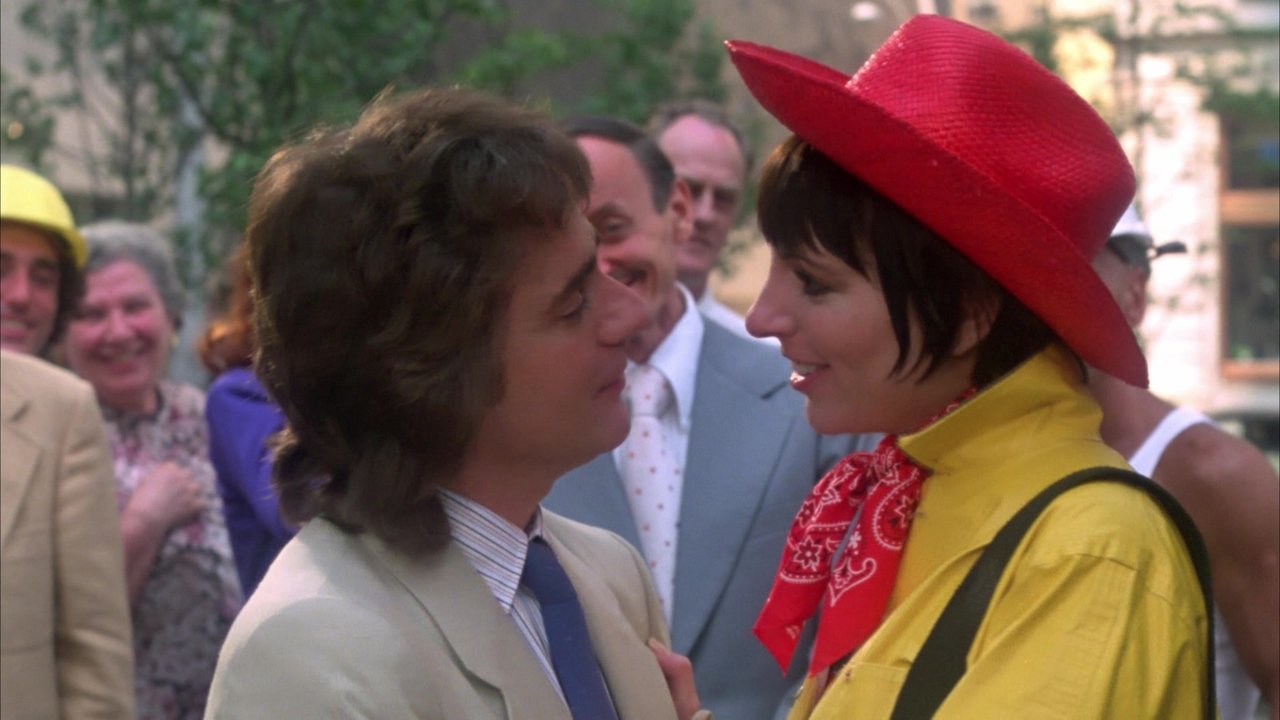
The setup is classic screwball: Arthur stands to inherit a staggering $750 million fortune, but only if he agrees to an arranged marriage with the thoroughly sensible, upper-crust Susan Johnson (a perfectly cast Jill Eikenberry). The problem? Arthur’s heart is captured by Linda Marolla (Liza Minnelli), a spirited, working-class waitress from Queens with dreams of acting. It's a clash of worlds fueled by champagne and genuine chemistry.
### The Scene-Stealer Supreme
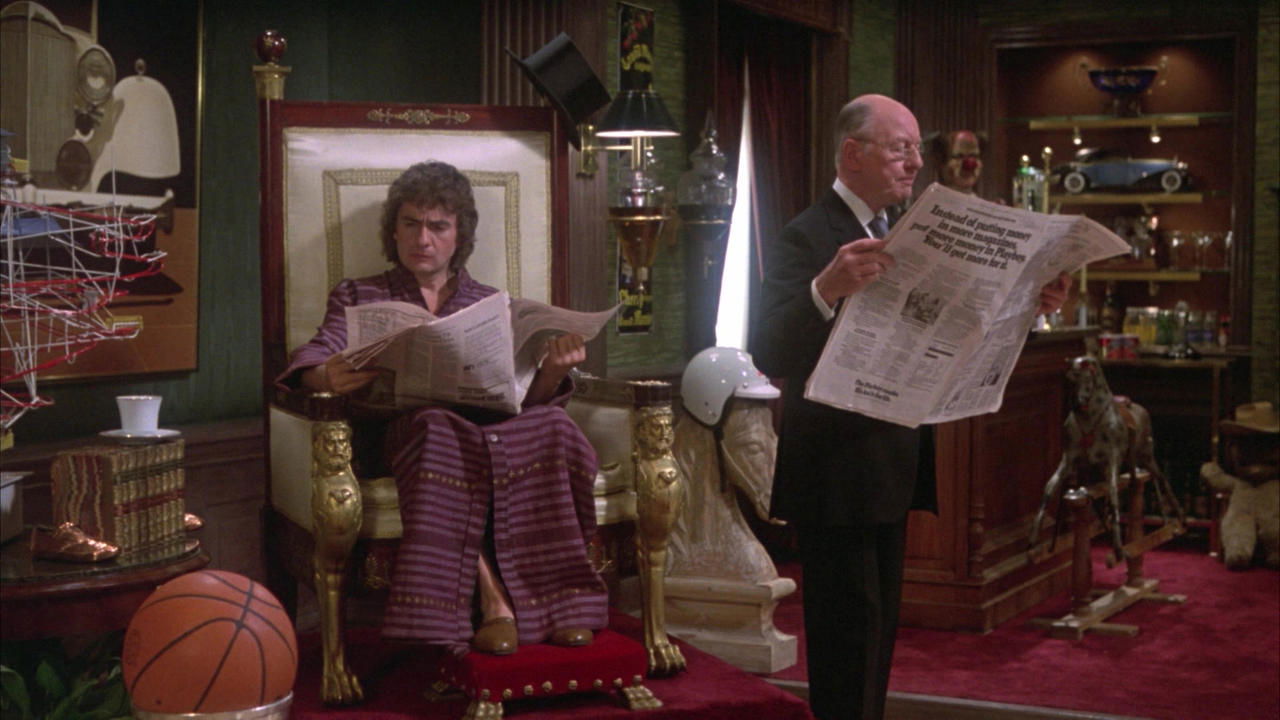
While Moore is undoubtedly the star, Arthur possesses a secret weapon, arguably one of the finest supporting performances ever captured on film: Sir John Gielgud as Hobson, Arthur’s impeccably sarcastic and endlessly loyal valet. Gielgud, a titan of the British stage, initially found the script rather vulgar, reportedly needing persuasion to take the role. Thank goodness he did. His portrayal of Hobson is pure gold – delivering devastatingly dry put-downs with aristocratic flair while subtly revealing a deep, paternal affection for his charge.
The relationship between Arthur and Hobson is the film's emotional core. Their banter is legendary ("Perhaps you'd like me to come in there and wash your dick for you, you little shit?" remains an all-timer), but beneath the insults lies a profound bond. Gielgud’s performance earned him a thoroughly deserved Academy Award for Best Supporting Actor, proving that impeccable timing and understated delivery can be just as funny, if not funnier, than broad slapstick. Their scenes together are simply perfection, balancing the film's inherent silliness with genuine heart.
### New York, New York & That Song
Director and writer Steve Gordon, in what tragically became his only directorial effort before his untimely death just a year after the film's release, crafted a picture that feels both opulent and grounded. He uses New York City beautifully – from the glittering lights of Manhattan high society (remember Arthur cruising in his Batmobile-esque custom car?) to the charmingly gritty streets where Linda lives. The film captures that early 80s NYC vibe perfectly.
And let’s not forget the music! Christopher Cross’s smooth-as-silk theme song, "Arthur's Theme (Best That You Can Do)," co-written with Burt Bacharach, Carole Bayer Sager, and Peter Allen, became an absolute phenomenon. It soared to number one on the charts and snagged the Oscar for Best Original Song. Admit it, you just heard that saxophone intro in your head, didn't you? It’s one of those songs that instantly transports you back, inextricably linked to the film's romantic, slightly melancholic mood.
### A Product of Its Time, But Still Charming
Watching Arthur today, certain elements definitely feel… vintage. The casual depiction of Arthur’s extreme alcoholism as charmingly eccentric wouldn't fly quite so easily now. It’s handled with humor, but the reality of his condition is largely glossed over for comedic effect. Yet, somehow, the film’s inherent sweetness and the powerhouse performances keep it from feeling mean-spirited. It exists in a heightened reality, a comedic fantasy where consequences are soft-pedaled.
Liza Minnelli, already a superstar thanks to films like Cabaret (1972), brings her unique energy to Linda. She’s warm, funny, and provides the grounding force Arthur desperately needs. Their connection feels genuine, a believable romance blossoming amidst the absurdity of Arthur's life.
The film was a massive success upon release, costing around $7 million and raking in over $95 million worldwide – a certified blockbuster in 1981 dollars! Audiences adored Moore's portrayal and the film's witty escapism. It spawned a less-loved sequel, Arthur 2: On the Rocks (1988), and a 2011 remake, but neither captured the unique lightning-in-a-bottle magic of the original.
### The Verdict
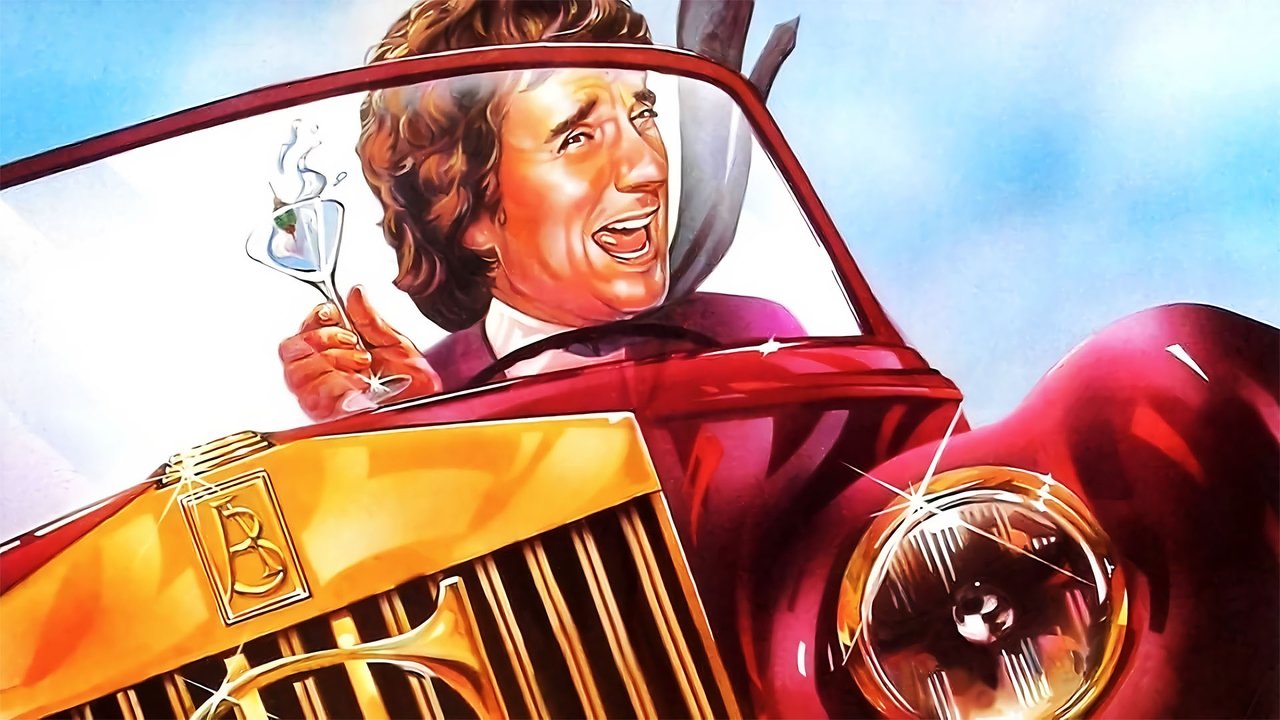
Arthur is a quintessential early 80s comedy – witty, charming, and anchored by unforgettable performances. Dudley Moore is Arthur Bach, delivering a performance that balances hilarious drunkenness with surprising pathos. John Gielgud achieves screen immortality as Hobson, the ultimate valet whose dry wit steals every scene he’s in. The dialogue sparkles, the romance clicks, and that theme song is pure nostalgic comfort food. While its portrayal of certain themes feels dated, the core elements – the brilliant acting, the sharp writing, and the genuine heart – still shine through the slight fuzziness of our metaphorical VHS tracking.
Rating: 9/10
It’s more than just a comedy about a rich drunk; it’s a surprisingly touching story about finding love and purpose, wrapped in a luxurious, laugh-out-loud package. Pure 80s cinematic comfort, best enjoyed with a cocktail… or maybe just a fond memory of browsing the comedy aisle at the video store.