The lullaby whispers faded, but the chill lingered. 1980's Friday the 13th ended with a jolt that sent popcorn flying in theaters and living rooms everywhere. But the real dread, the kind that crawls under your skin and stays there, arguably began its relentless march in the immediate follow-up, Friday the 13th Part 2 (1981). Forget the vengeful mother; the true horror of Crystal Lake was just getting started, stepping out from the shadows, clumsy but terrifyingly real. This wasn't just a sequel; it felt like the prologue we never knew we needed, unveiling the monster hinted at in those final, watery frames.
Welcome Back to Camp Blood... Adjacent
Wisely, director Steve Miner (who would return for Part III and later helm films like House and Halloween H20: 20 Years Later) doesn't try to simply replicate the original's formula, though the DNA is unmistakable. We move just down the shore from the infamous Camp Crystal Lake to Packanack Lodge, a counselor training center. It’s a subtle shift, but it allows for a fresh batch of hopefuls blissfully unaware they're setting up shop next door to a legend soaked in blood. The atmosphere feels instantly familiar yet unnervingly different – the woods seem denser, the night darker. Harry Manfredini’s score returns, those iconic "ki-ki-ki, ma-ma-ma" whispers weaponized now, signaling not memory, but imminent, brutal presence.
The film wastes little time reminding us of the past. The opening sequence, featuring original survivor Alice (Adrienne King), is a stark, cruel statement of intent. It retroactively makes the first film's ending feel less like a final scare and more like a handover. King herself reportedly found the sequence unsettling to film, a grim epilogue for her character that sets a genuinely unnerving tone. This isn't about closure; it's about escalation.
The Sack Heard 'Round the World
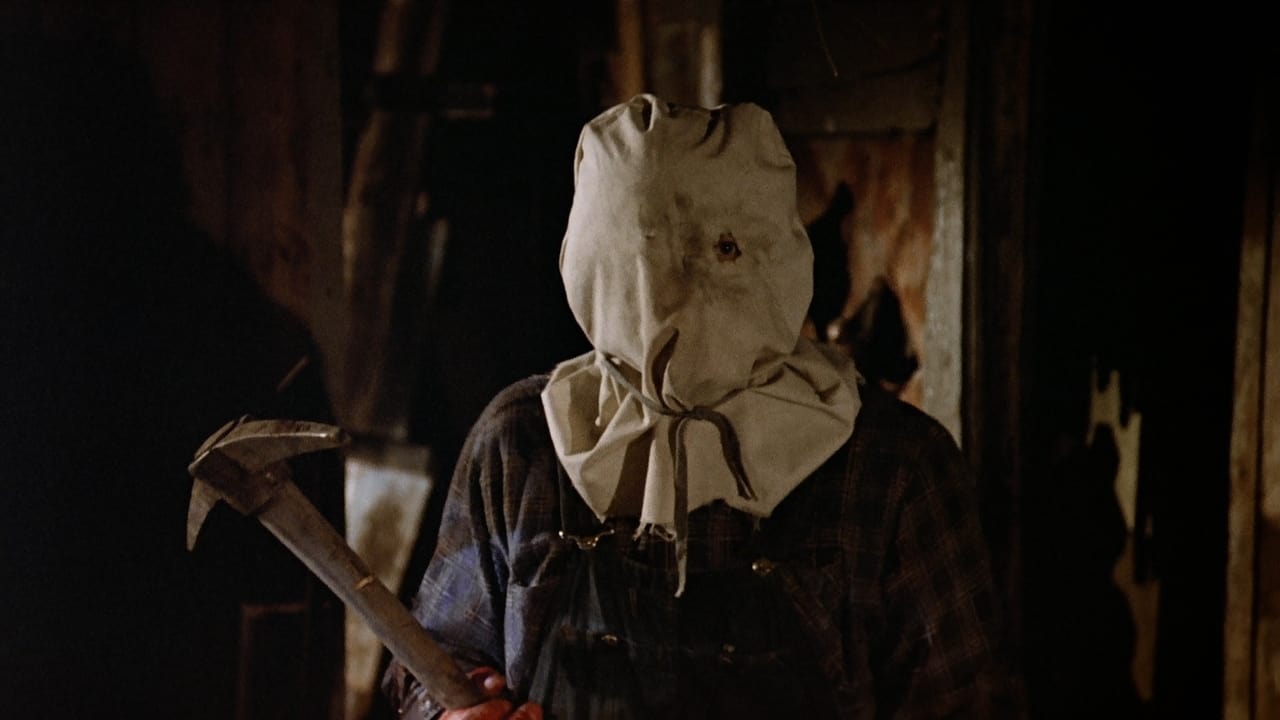
And then there’s Jason. Not the hockey-masked behemoth yet, but something almost more disturbing in its primitive form: the hulking figure (Warrington Gillette handled most of the masked Jason scenes, with Steve Dash doing many stunts and the pre-mask window jump) hidden beneath a simple, one-eyed burlap sack. Legend has it the sack was a quick lighting test suggestion that stuck, proving sometimes the simplest ideas are the creepiest. Doesn't that crude mask, obscuring everything but raw menace, still feel unnerving? It speaks to a burgeoning, unformed evil – less supernatural force, more dangerously disturbed hermit reclaiming his territory. This Jason is faster, more agile, and arguably more frightening in his unrefined rage.
The kills here, despite notorious battles with the MPAA demanding significant cuts (reportedly gutting nearly a full minute of gore crafted by Carl Fullerton after Tom Savini departed the franchise), retain a raw effectiveness. The infamous double impalement, the wheelchair victim meeting a gruesome end – they land with a blunt force trauma characteristic of the early slashers. The practical effects that remain hint at a brutality that home video viewers in the 80s could only imagine, fueling the film's grim reputation. Watching it now, you can almost feel the phantom limb of the excised gore, a testament to how much the censors feared its impact.
Ginny's Stand
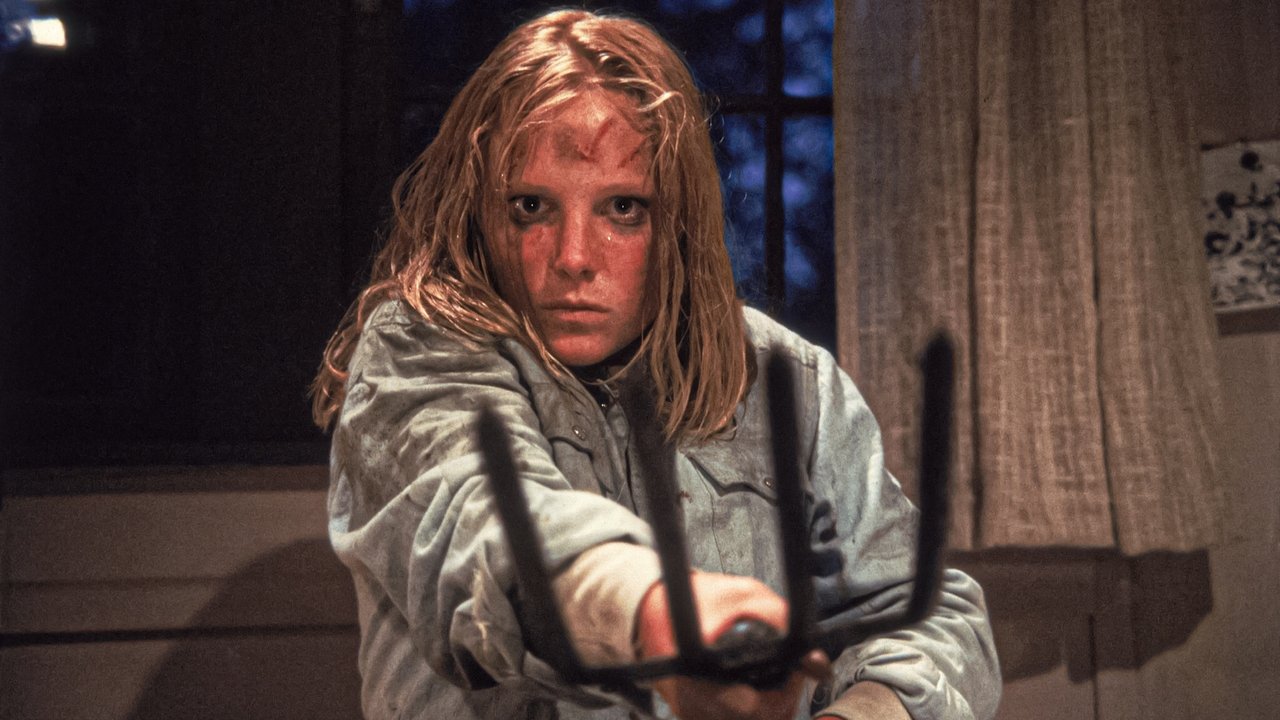
While many counselors blur into familiar archetypes destined for the chopping block, Amy Steel as Ginny Field stands out. She’s smart, resourceful, and possesses a psychological curiosity about the Jason legend that sets her apart. Steel brings a grounded relatability to the role, making her plight genuinely engaging. Her final confrontation with Jason, using her wits and understanding of his warped psychology, remains one of the series' strongest Final Girl moments. It wasn't just about running and screaming; it was about thinking, observing, and exploiting a weakness – a template many later entries sadly forgot. Remember that moment she dons Pamela's sweater? Pure genius, born from desperation.
More Than Just a Body Count
Friday the 13th Part 2 often gets overshadowed by the original's novelty and Part III's introduction of the iconic mask. Yet, it arguably solidifies the template for the rest of the series and much of the slasher boom that followed. It established Jason as the primary antagonist, gave him his first distinct (if temporary) look, and delivered a lean, mean slice of campfire horror. The campfire scene itself, where head counselor Paul (John Furey) recounts the Jason legend, is a masterclass in building dread, playing on primal fears of the dark and things lurking just beyond the firelight. It’s pure 80s slasher comfort food, served with a side of genuine menace.
This film might not be high art, but its raw energy and the introduction of Jason as the backwoods boogeyman cemented its place in horror history. Seeing it again on a worn VHS tape, the slightly fuzzy picture and mono sound somehow enhance the gritty, low-budget aesthetic that makes these early entries so compelling. It feels less polished, more dangerous.
Rating: 8/10
Justification: Friday the 13th Part 2 successfully transitioned the series from a mystery-slasher into the Jason-centric juggernaut it became. Despite heavy MPAA cuts neutering some of its intended impact, it delivers effective scares, a genuinely unsettling early version of Jason, and one of the franchise's best Final Girls in Amy Steel's Ginny. It perfectly captures the early 80s slasher vibe – relentless, atmospheric, and brutally efficient. The slight deduction accounts for the sometimes-obvious padding and the frustrating (though historically significant) censorship issues that leave you wondering about the even grimmer film that might have been.
Final Thought: While Pamela Voorhees started the fire, Part 2 truly unleashed the monster, ensuring Jason Voorhees would stalk our nightmares – and the aisles of video stores – for decades to come. That burlap sack might be gone, but the shadow it cast is long indeed.