The air hangs thick and stale, recycled through failing systems light years from home. Below the surface of a dead world, something ancient stirs, not with malice perhaps, but with a biological imperative far more terrifying. It needs to continue. It needs a host. 1981's Inseminoid (also known, rather less subtly, as Horror Planet) doesn't gently suggest cosmic dread; it shoves the viewer face-first into a claustrophobic nightmare of violation and visceral horror, leaving a grimy residue that lingers long after the tape ejects.
Descent into Biological Hell
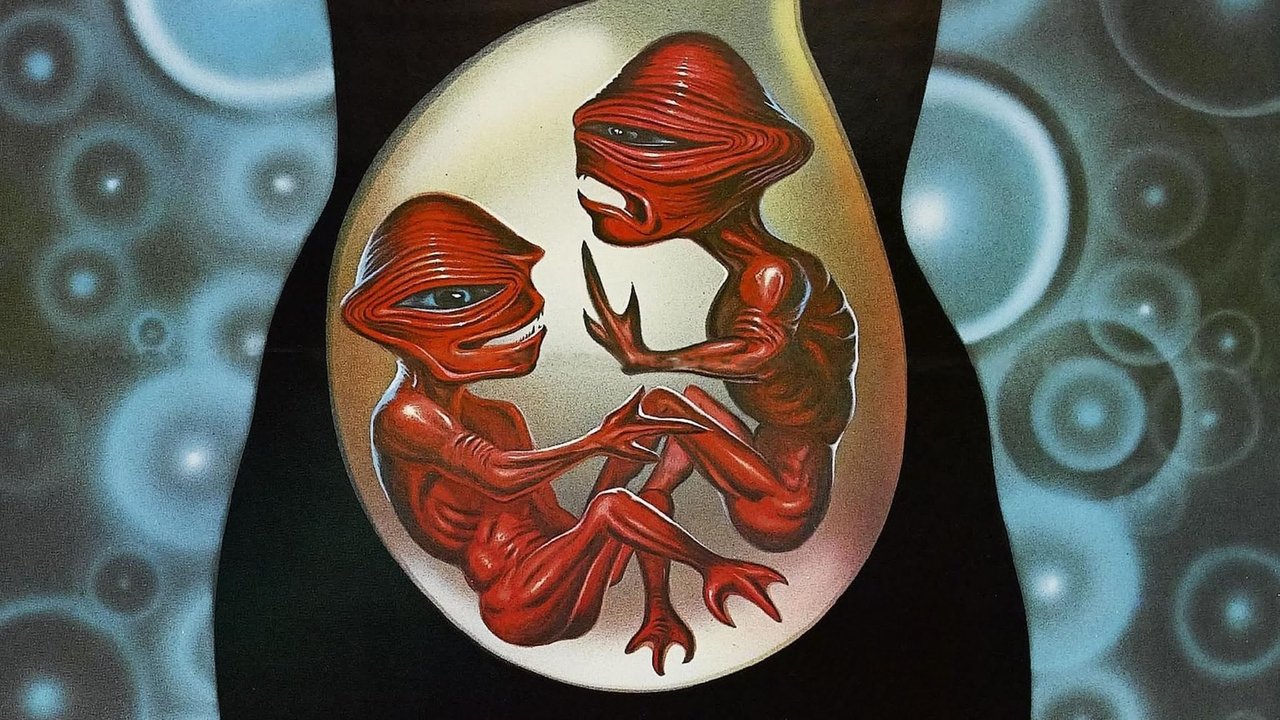
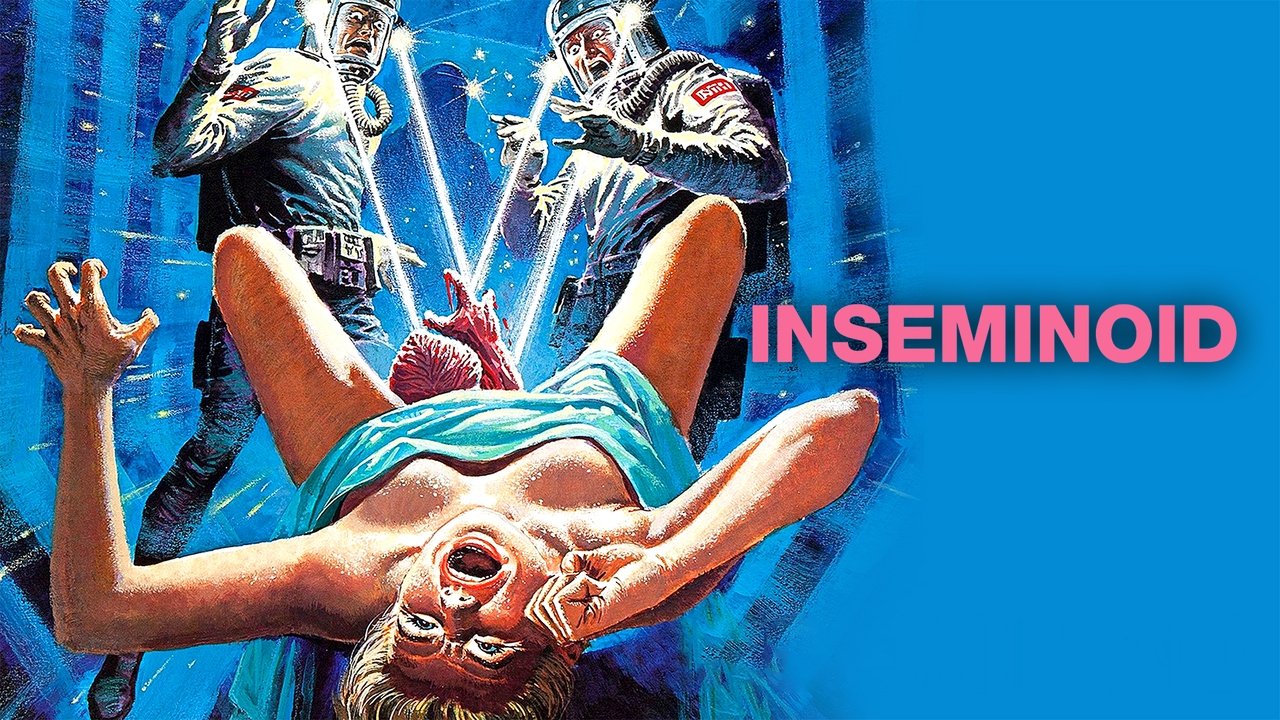
A team of interstellar archaeologists, Xeno Project members, are excavating the ruins of a long-dead civilization on a desolate planet. When crew members start exhibiting psychotic breaks and inexplicable violence after exploring newly opened tombs, suspicion falls on strange crystals found within. But the true terror begins when scientist Sandy (Judy Geeson) is attacked and forcibly impregnated by an unseen alien entity. What follows is a harrowing descent as Sandy undergoes a grotesque, accelerated gestation, her body becoming a vessel for something monstrous while her increasingly unstable mind influences her terrified colleagues. Director Norman J. Warren, already known for gritty British genre fare like Prey (1977) and Satan's Slave (1976), pulls no punches, focusing relentlessly on the physical and psychological decay within the isolated crew.
The Caves of Despair
Forget elaborate sets suggesting alien vistas. Inseminoid achieved its suffocating atmosphere largely by filming deep within the labyrinthine Chislehurst Caves in Kent, England. This wasn't just a location; it was the film's oppressive production design. The damp, dripping rock, the oppressive darkness swallowing the weak beams of flashlights, the genuine sense of being buried alive – it all contributes immensely to the film's effectiveness. You can almost smell the mildew and feel the chill seeping from the screen. This real-world environment lends a palpable grit that no soundstage could replicate, especially on the film's notoriously tight budget (reportedly around £1 million – a shoestring even then, maybe $4 million USD today). One can only imagine the logistical nightmares of hauling gear and navigating those tunnels day after day; that struggle feels baked into the final product.
Judy Geeson's Primal Scream
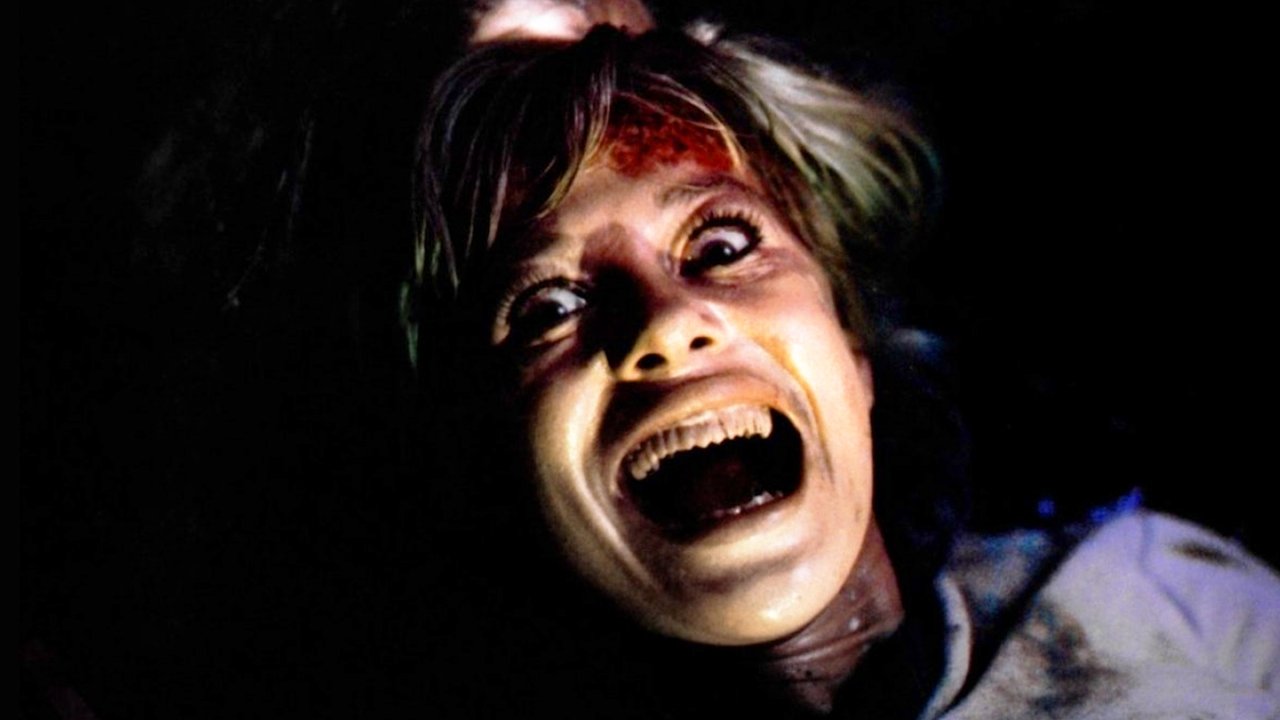
At the heart of this ordeal is Judy Geeson. An established actress with genre credits including the chilling 10 Rillington Place (1971) and proto-slasher Fear in the Night (1972), Geeson throws herself entirely into the physically and emotionally demanding role of Sandy. Her transformation is the film's gruesome centerpiece. From the initial terror and violation to the later stages where alien influence twists her maternal instincts into something predatory and protective of her monstrous offspring, Geeson sells the agony and the creeping otherness. It's a performance far more committed than the film's B-movie roots might suggest, grounding the outlandish concept in tangible suffering. Doesn't her feral intensity during the later scenes still feel genuinely unsettling?

Grime, Gore, and Practicality
Let's be honest: the practical effects, some overseen by writer Nick Maley (who, ironically, had just come off doing stellar creature work on a little film called The Empire Strikes Back), are a mixed bag by today's standards. The alien 'infant' reveal might elicit more chuckles than screams now. Yet, there's a certain visceral quality to the film's bodily horror – the unnatural birth sequence, the moments of abrupt violence – that retains a raw, unpleasant power. This was the era of latex and Karo syrup, and Inseminoid uses them with a certain grubby enthusiasm. It leans into the exploitation side of sci-fi horror, less concerned with awe and wonder than with shock and revulsion. The film's infamous tagline, "It breeds... It kills... It feeds on fear!", perfectly captures its unsubtle, gut-punch approach.
An Unwanted Offspring of Alien?
Released just two years after Ridley Scott’s masterpiece, Inseminoid inevitably lives in the shadow of Alien (1979). The parallels are obvious: isolated crew, hostile extraterrestrial life, body horror themes. But where Alien was a masterclass in suspense and creature design, Inseminoid feels like its cheaper, nastier, and slightly desperate cousin. It lacks the polish and budget, but compensates with a raw, almost nihilistic intensity. It’s less about the perfectly designed xenomorph and more about the messy, painful horror of biological invasion within a crumbling human environment. It garnered divisive reactions upon release, often dismissed as derivative, but its sheer unpleasantness earned it a certain cult status amongst VHS hounds seeking something rougher around the edges.
VHS Heaven Rating: 6/10
Inseminoid is undeniably a product of its time – a low-budget slice of British sci-fi horror that’s equal parts grim, schlocky, and surprisingly effective in its best moments. The Chislehurst Caves location provides an incredible, ready-made atmosphere of claustrophobia (justifying 2 points), and Judy Geeson’s committed performance anchors the horror (another 2 points). The film earns further points for its sheer audacity and the raw, unsettling nature of its central concept (1 point), plus its status as a memorable piece of early 80s exploitation filmmaking (1 point). However, it loses points for dated effects, sometimes clunky execution, uneven pacing, and derivative elements that keep it from reaching classic status.
It might not be sophisticated, but Inseminoid delivers a potent dose of VHS-era dread. It’s a film that feels dug out of the earth – damp, dirty, and disturbingly fixated on the horrors the flesh is heir to. For fans of gritty, atmospheric exploitation, it remains a grimly fascinating watch, a reminder that sometimes the most unsettling terrors come not from the stars, but from the violation within.