## Two Paths Through the Lead Weight of History
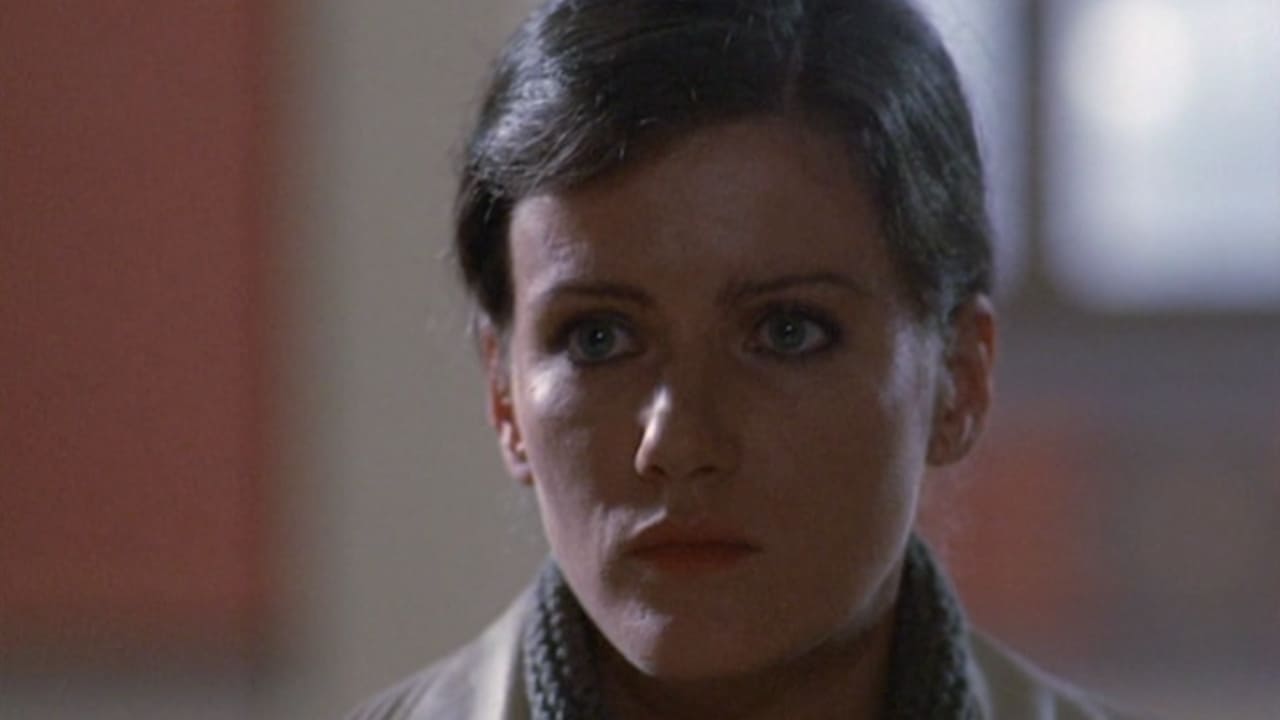
Sometimes a film doesn't just tell a story; it feels like an excavation, carefully brushing away layers of history to reveal something raw and profoundly human underneath. Margarethe von Trotta's 1981 masterpiece, Marianne and Juliane (known in its native Germany as Die bleierne Zeit, or The Leaden Time), is precisely that kind of film. It doesn't grab you with explosions or quippy one-liners, the usual fare lining the shelves back in the rental days. Instead, it settles over you, a quiet intensity that burrows deep, forcing a contemplation that lingers long after the tape clicks off. Finding this on VHS, perhaps tucked away in a slightly dusty 'World Cinema' section, felt like discovering a hidden frequency, a different kind of cinematic power altogether.
Sisters Under Pressure
At its core, this is the story of two sisters, Juliane (Jutta Lampe) and Marianne (Barbara Sukowa), navigating the turbulent landscape of 1970s West Germany. Inspired by the true story of Christiane and Gudrun Ensslin (Gudrun being a founding member of the Red Army Faction, or RAF), the film explores the divergent paths taken by two women raised in the same seemingly stable, middle-class, religious household. Juliane becomes a feminist journalist, working within the system to effect change, advocating for abortion rights and women's issues. Marianne, however, takes a far more radical path, disappearing into the violent underground of left-wing terrorism.
Von Trotta doesn't offer easy answers or judgment. Instead, she presents their opposing choices with a stark, almost unsettling intimacy. Through flashbacks woven into the present narrative (primarily Juliane visiting the imprisoned Marianne), we see fragments of their shared past: childhood games, adolescent rebellions, the subtle ways their father’s patriarchal authority shaped them both. These glimpses aren't just backstory; they're clues to the complex emotional and ideological currents that pulled them in such drastically different directions. What makes one person channel dissent into reform, and another into revolution? The film doesn't preach; it forces us to sit with the uncomfortable weight of that question.
The Weight of an Era
The title, Die bleierne Zeit, is key. It evokes the oppressive atmosphere of West Germany during the height of the RAF's activities – a time marked by bombings, kidnappings, intense state surveillance, and a pervasive sense of fear and paranoia. Von Trotta masterfully captures this mood not through overt political exposition, but through atmosphere. The muted colour palette, the claustrophobic framing of interiors (especially the prison visiting rooms), the sense of hushed intensity in conversations – it all contributes to a feeling of lives lived under immense pressure, where political conviction becomes an inescapable, often destructive force.
It's fascinating to learn that Von Trotta actually knew Christiane Ensslin, Juliane's real-life counterpart. This personal connection perhaps explains the film's remarkable empathy and its refusal to reduce Marianne to a mere political symbol or monster. She is portrayed as intelligent, passionate, deeply committed to her ideology, yet also capable of vulnerability and, tragically, profound self-destruction. Von Trotta wasn't just making a political statement; she was exploring the human cost of extremism, the way ideology can fracture even the deepest bonds.
Unflinching Performances
The film rests heavily on the shoulders of its two leads, and they deliver performances of staggering power and authenticity. Jutta Lampe as Juliane embodies a quiet, simmering strength mixed with profound pain and confusion. Her struggle to understand, support, and ultimately protect her sister, even while fundamentally disagreeing with her actions, is heartbreakingly real. She’s the anchor, the witness through whom we experience much of the story's emotional fallout.
And then there's Barbara Sukowa, in a role that became instantly iconic. Her Marianne is fiercely intelligent, charismatic, and utterly uncompromising. There's a terrifying conviction in her eyes, a chilling certainty that justifies horrific actions in the name of revolution. Yet, Sukowa also allows glimpses of the woman beneath the rhetoric – the sister, the daughter, the mother (Marianne has a young son left in Juliane's care). It's a complex, challenging portrayal that avoids caricature, forcing us to confront the humanity within the revolutionary. Their scenes together crackle with the tension of shared history and irreconcilable differences. It's acting that feels less like performance and more like bearing witness.
A Discovery Worth Making
Watching Marianne and Juliane today, it feels less like a product of the 80s and more like a timeless exploration about a specific, intense period. It’s a film that rewards patience and demands engagement. It doesn't offer the easy comforts of nostalgia often associated with the VHS era, but it represents another vital part of that time: the discovery of challenging, thought-provoking cinema from around the world, films that expanded horizons beyond Hollywood. This wasn't the tape you rented for a Friday night pizza party; it was the one you watched quietly, thoughtfully, the one that stuck with you for days.
The film's power was recognized immediately, winning the prestigious Golden Lion at the Venice Film Festival in 1981 – a testament to Von Trotta's assured direction and the story's profound impact. It remains a cornerstone of New German Cinema and a vital work by one of Germany's most important filmmakers, who would later re-team with Sukowa for films like Rosa Luxemburg (1986).
---
Rating: 9/10
This rating reflects the film's exceptional craft, its powerhouse performances, and its courageous, unflinching exploration of complex political and personal themes. Von Trotta achieves a rare balance, creating a work that is both historically specific and universally resonant about sisterhood, ideology, and the devastating consequences of conviction untethered from empathy. It's a demanding film, certainly, lacking the escapism of many 80s staples, which might be the only reason it doesn't hit a perfect 10 for pure rewatchability within the usual "VHS Heaven" context. But its artistic merit and emotional depth are undeniable.
Marianne and Juliane remains a stark, deeply affecting reminder of how personal lives become battlegrounds in times of political upheaval, leaving us to ponder the invisible forces that shape our choices and the unbreakable, yet often painful, bonds of family. It’s a film that doesn’t just occupy space on a shelf, but takes up residence in your thoughts.