Some films don't explode onto the screen; they seep into you, slowly, persistently, like a long-repressed memory finally bubbling to the surface. Ingmar Bergman's Autumn Sonata (Höstsonaten), arriving in 1978, feels less like a movie watched and more like an intimate, painful secret overheard. It wasn't the typical fare you'd grab alongside the latest action flick at the video store back in the day, but finding it tucked away on a shelf, perhaps in the 'Foreign Films' section, felt like uncovering something profound, something demanding your full attention. And demand it, it does.
A Reunion Rife with Reckoning
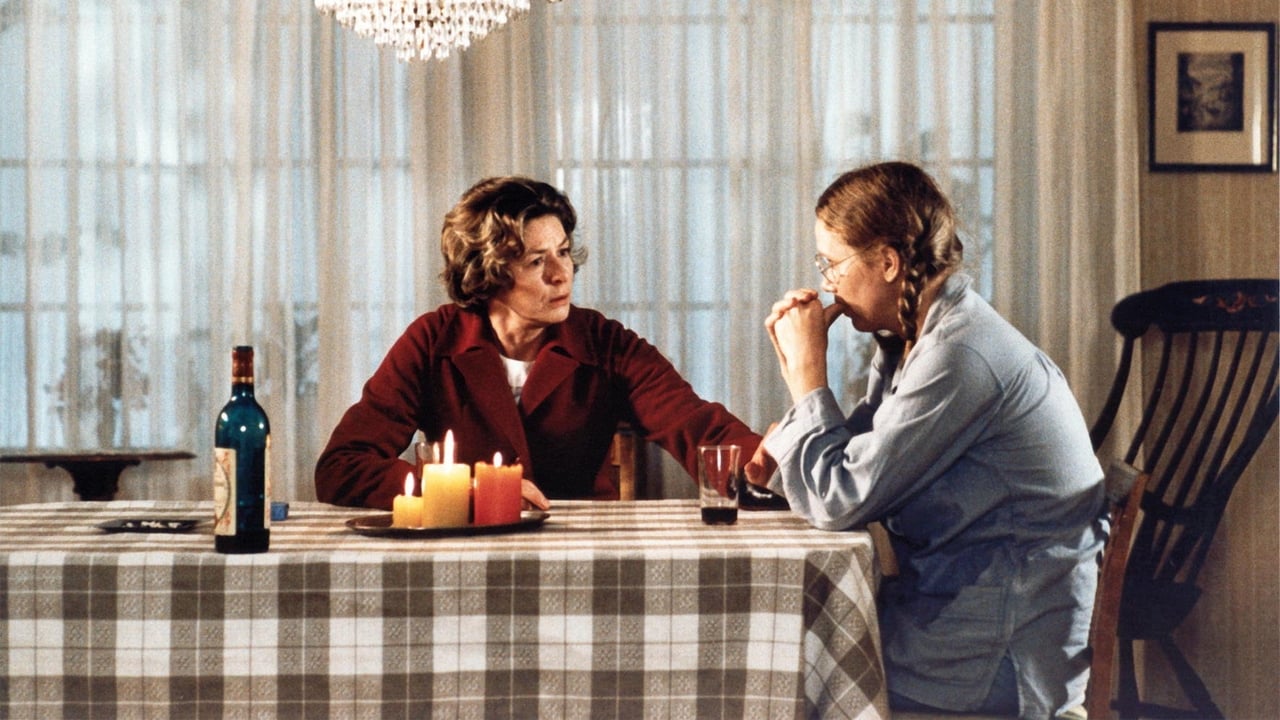
The premise is deceptively simple: Charlotte Andergast (Ingrid Bergman), a world-renowned concert pianist, visits her estranged daughter Eva (Liv Ullmann) at the remote Norwegian parsonage where Eva lives with her husband, Viktor (Halvar Björk). It’s been seven years. Superficially, there are smiles, attempts at warmth, the polite rituals of reunion. But beneath the surface, decades of unspoken resentment, neglect, and misunderstanding churn like a turbulent sea. The presence of Eva’s severely disabled sister, Helena (Lena Nyman), whom Charlotte had placed in a home and believed still resided there, acts as a silent, agonizing catalyst.
What unfolds isn't driven by plot twists but by the excruciating, gradual peeling back of emotional scar tissue. Ingmar Bergman, a master psychologist with a camera, locks us in this confined space with these women, forcing us to witness their confrontation. The dialogue isn't merely exposition; it's weaponry, confession, accusation, and desperate pleas for understanding, all tangled together.
The Bergman Collision: A Performance Masterclass
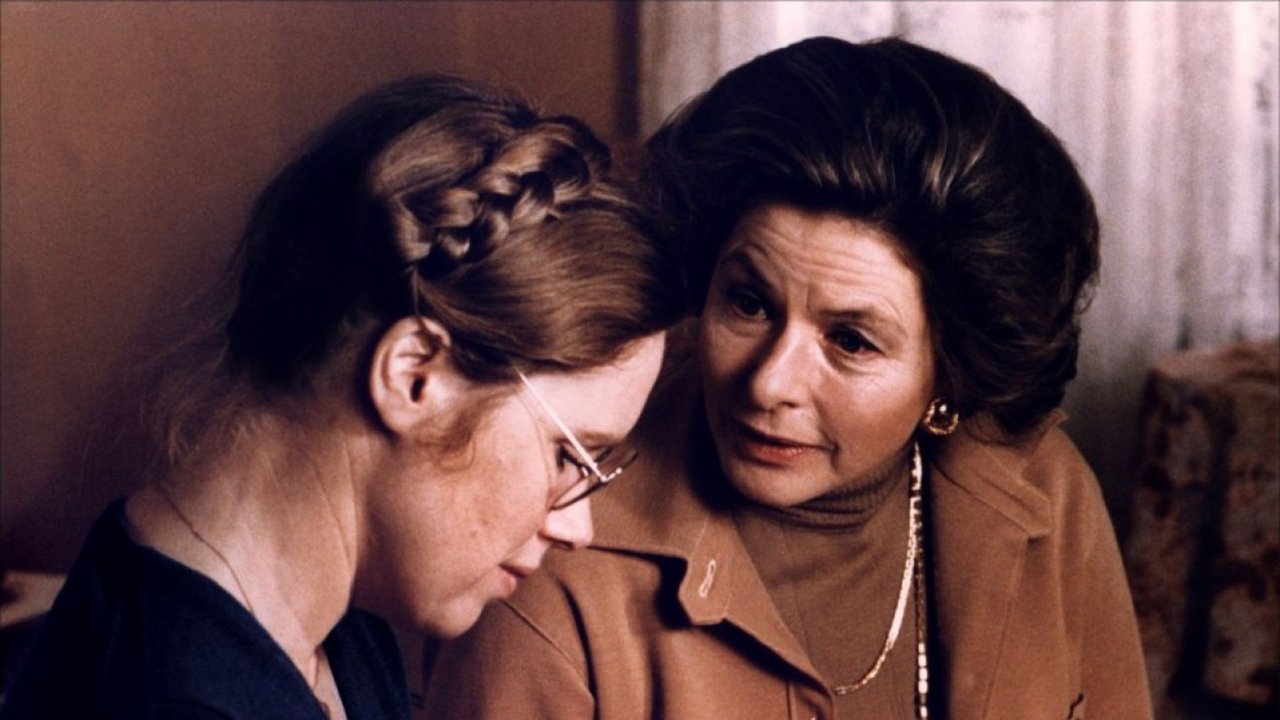
At the heart of Autumn Sonata lies the titanic collision of two Bergmans – director Ingmar and actress Ingrid. This was, astonishingly, their only collaboration, and it also marked Ingrid Bergman's final performance in a theatrical film. And what a performance it is. She embodies Charlotte not as a caricature of the monstrous artist-mother, but as a complex, tragically flawed woman. We see the charm, the cultivated poise of a public figure, but also the deep-seated narcissism, the crippling fear of emotional intimacy, and the genuine, if deeply imperfect, love she holds for her daughters. Her self-absorption is profound, yet Ingrid Bergman allows glimpses of the vulnerability beneath the glamorous facade, making Charlotte painfully human even at her most infuriating. I remember watching her, even on a fuzzy CRT screen back then, and feeling the weight of her carefully constructed world beginning to crack.
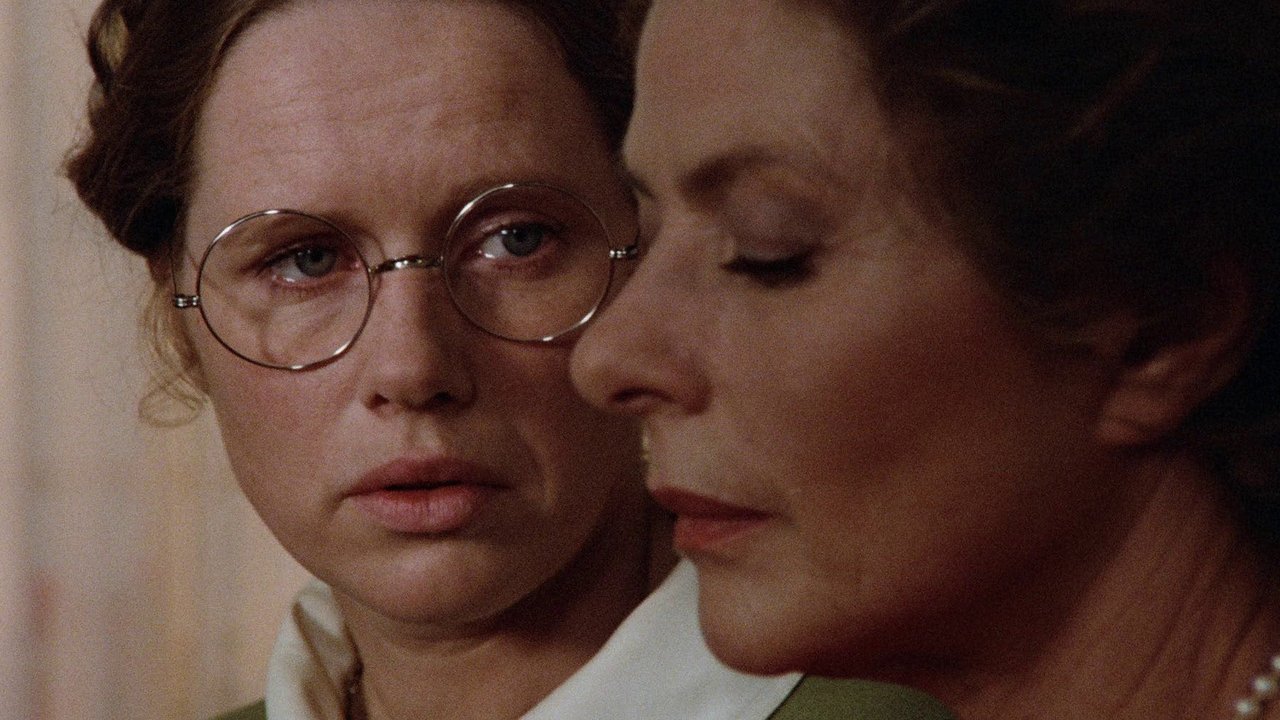
Opposite her, Liv Ullmann, a frequent muse for Ingmar Bergman (think Persona or Scenes from a Marriage), delivers a performance of shattering vulnerability as Eva. Her face becomes a landscape of repressed pain – the hesitant smiles that don’t reach her eyes, the sudden flashes of anger, the quiet despair. Eva is the daughter desperate for maternal love and approval, yet simultaneously suffocated by her mother's overwhelming presence and past indifference. The extended nighttime confrontation between mother and daughter is one of cinema’s most devastatingly raw sequences, a masterclass in sustained emotional intensity. Ullmann strips away every artifice, leaving only the raw, wounded child within the adult woman.
An Atmosphere of Quiet Intensity
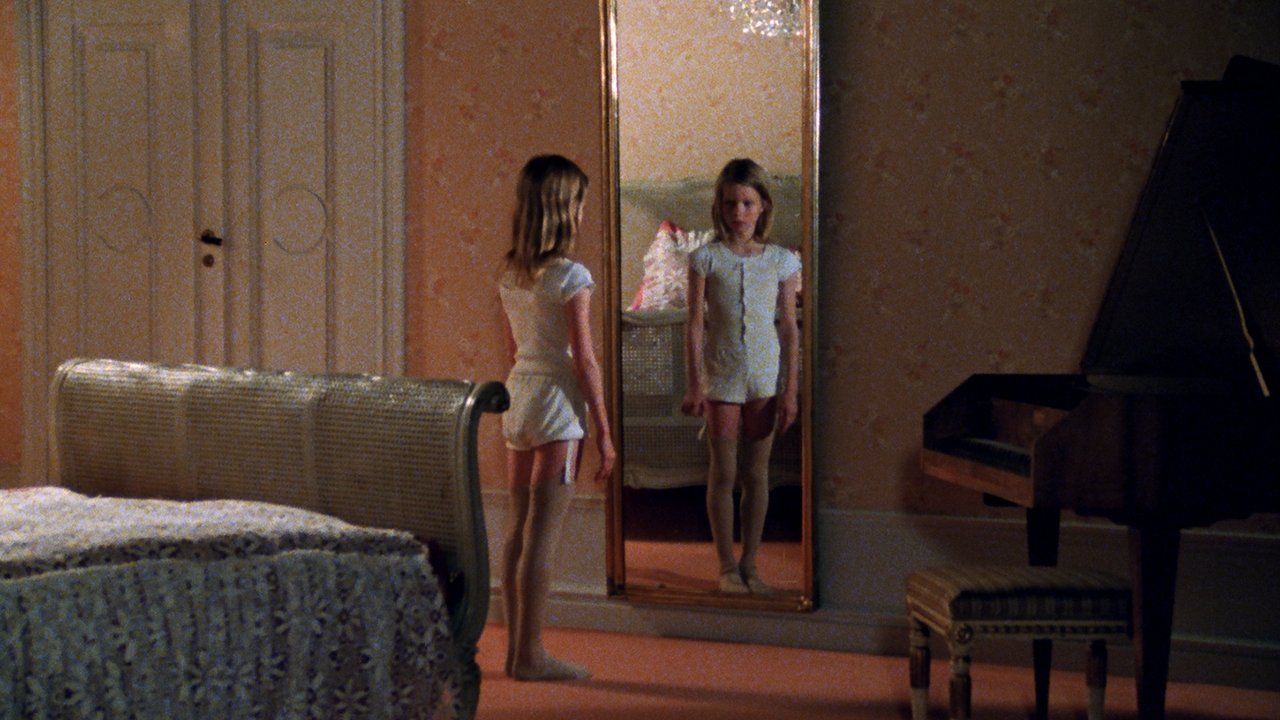
Ingmar Bergman crafts an atmosphere as suffocating as the unexpressed emotions. Working with his legendary cinematographer Sven Nykvist, the film utilizes claustrophobic interiors, muted autumnal colours (primarily reds, oranges, and browns, reflecting the title and the decay of relationships), and long, unflinching takes that allow the actors' faces to convey oceans of subtext. The parsonage becomes less a home and more an emotional pressure cooker. There are no distractions, no subplots to offer relief – just the raw, uncomfortable truth playing out between these characters.
It’s worth noting the deliberate pacing. This isn't a film that rushes. It allows silence to speak volumes, lets expressions linger, forcing the viewer to sit with the discomfort. It mirrors the way real emotional reckonings often happen – not in quick bursts, but in long, draining waves. The use of classical piano pieces, particularly Chopin, isn't just background music; it's Charlotte's escape, her passion, and ironically, the very thing that symbolizes her emotional distance from her family.
Why It Lingers
Autumn Sonata isn’t an easy watch. It doesn't offer neat resolutions or comforting answers. It digs into the messy, often painful complexities of familial love, resentment, the sacrifices demanded by art, and the enduring impact of parental failures. Can wounds inflicted in childhood ever truly heal? Can we forgive those who hurt us most profoundly, especially when they seem incapable of fully understanding the pain they caused? These aren't questions the film answers definitively, but ones it forces us to confront within ourselves.
Discovering this film on VHS felt different. It wasn't about escapism; it was about immersion in something deeply, uncomfortably human. It was the kind of movie that sparked quiet contemplation long after the tape ejected, maybe even prompting difficult conversations of your own.
Rating: 9/10
This score reflects the film's undeniable power, anchored by two monumental performances and Ingmar Bergman's typically fearless exploration of the human psyche. The direction is masterful, the script unflinching, and the emotional impact profound. It loses a single point perhaps only because its sheer intensity and bleakness make it a film one admires immensely but might hesitate to revisit frequently. It’s less entertainment and more essential cinematic experience.
Autumn Sonata remains a potent reminder of cinema's ability to dissect the most intimate human relationships with devastating honesty. It's a film that stays with you, a haunting melody of love, pain, and the things left tragically unsaid.