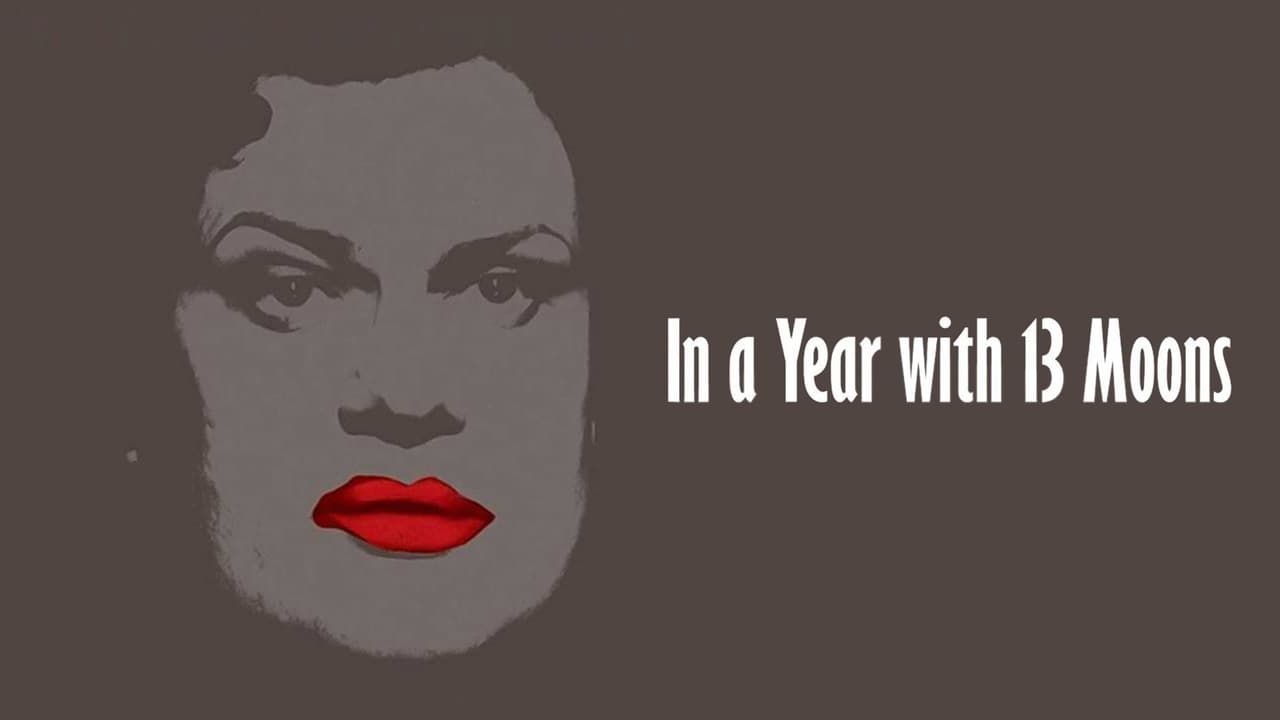
Grief, raw and unfiltered, rarely fuels filmmaking with such visceral, almost unbearable intensity. Yet, Rainer Werner Fassbinder, the prolific enfant terrible of New German Cinema, channeled the profound shock and self-recrimination following his former lover Armin Meier's suicide directly into the creation of 1978's In a Year with 13 Moons (German: In einem Jahr mit 13 Monden). This isn't just a film; it's an open wound committed to celluloid, a harrowing chronicle of the last five days in the life of Elvira Weishaupt, a transgender woman adrift in a sea of indifference and casual cruelty. Finding this on a tape, perhaps tucked away in the 'World Cinema' section of a more adventurous video store back in the day, would have felt like uncovering something potent, necessary, and deeply unsettling – a stark contrast to the usual blockbuster fare.
### Forged in the Crucible of Loss
The urgency behind 13 Moons is palpable. Fassbinder famously threw himself into the project immediately after Meier's death, taking on not just writing and directing duties, but also cinematography (under the pseudonym Michael Ballhaus, his usual DP, was unavailable), editing, and production design. It was shot rapidly, reportedly in just under four weeks, on a shoestring budget. This frantic energy permeates the film, mirroring the protagonist's own desperate spiral. The title itself refers to years with thirteen full moons instead of twelve, sometimes considered periods of unusual emotional stress and upheaval, particularly for sensitive individuals – a fitting astrological omen for Elvira's tragic trajectory. Fassbinder reportedly learned about this supposed astrological significance from a taxi driver, a detail that feels perfectly aligned with the film's blend of cosmic doom and mundane encounters.
### A Towering Performance of Fragile Humanity
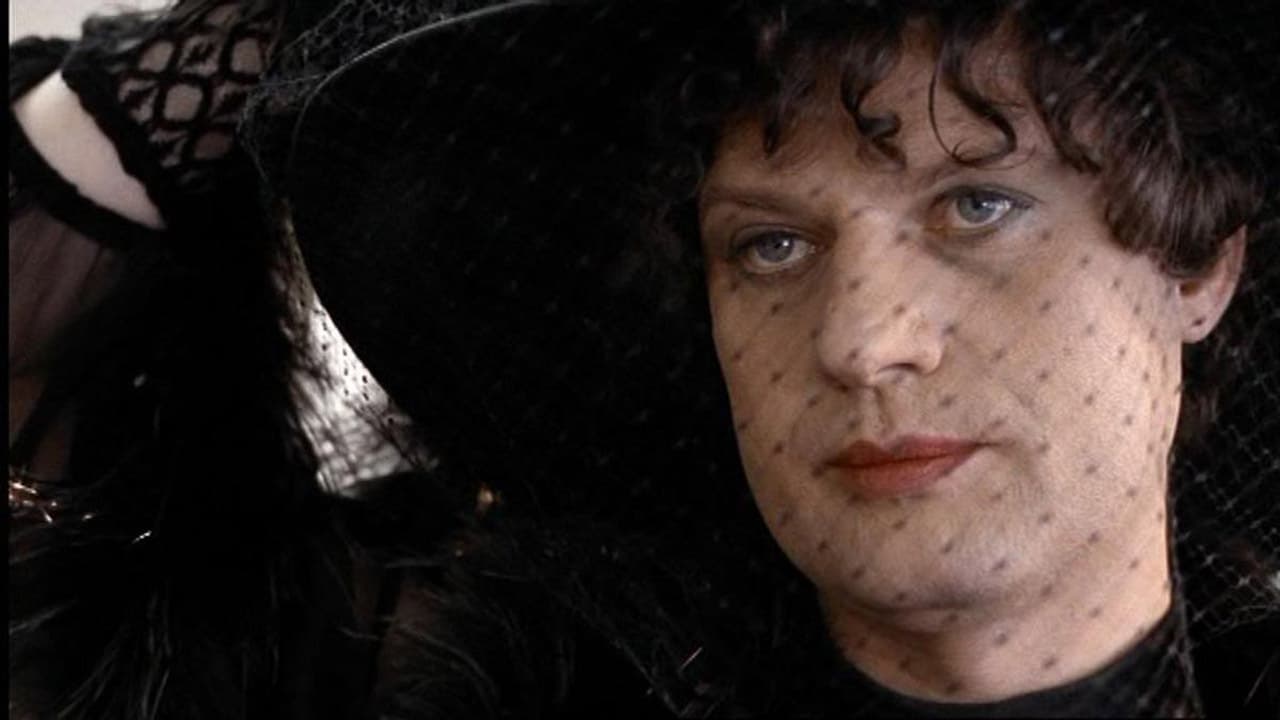
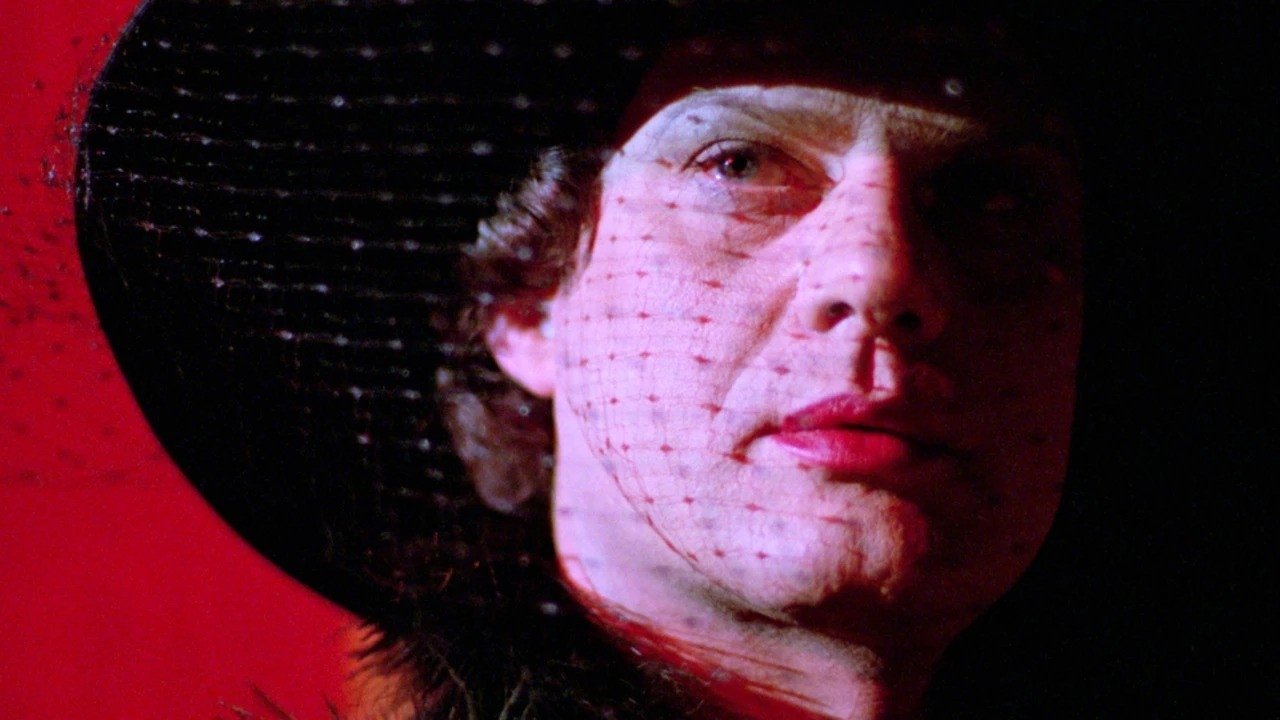
At the heart of this bleak odyssey is the unforgettable performance by Volker Spengler as Elvira. It’s a portrayal devoid of caricature, imbued with a devastating vulnerability. Spengler, a frequent Fassbinder collaborator, embodies Elvira (born Erwin) not as a symbol, but as a fractured human being yearning for connection in a world that consistently denies her validation. We witness her attempts to reconnect with figures from her past – the callous businessman Anton Saitz (Gottfried John, chillingly pragmatic) for whom she underwent gender confirmation surgery on a proclaimed whim of love; her ex-wife (Ingrid Caven, another Fassbinder regular, delivering icy detachment); even a cynical sex worker named Zora (Elisabeth Trissenaar). Each encounter chips away further at Elvira’s fragile sense of self, revealing layers of past trauma – abandonment in childhood, exploitation, the casual disregard of others. Spengler’s portrayal is physically and emotionally demanding; his Elvira is often awkward, rambling, prone to heartbreaking pronouncements that hang unanswered in the cold Frankfurt air. There's a profound loneliness etched onto his face, a desperate hope flickering in his eyes even as despair tightens its grip.
### The Unflinching Glaze of Frankfurt
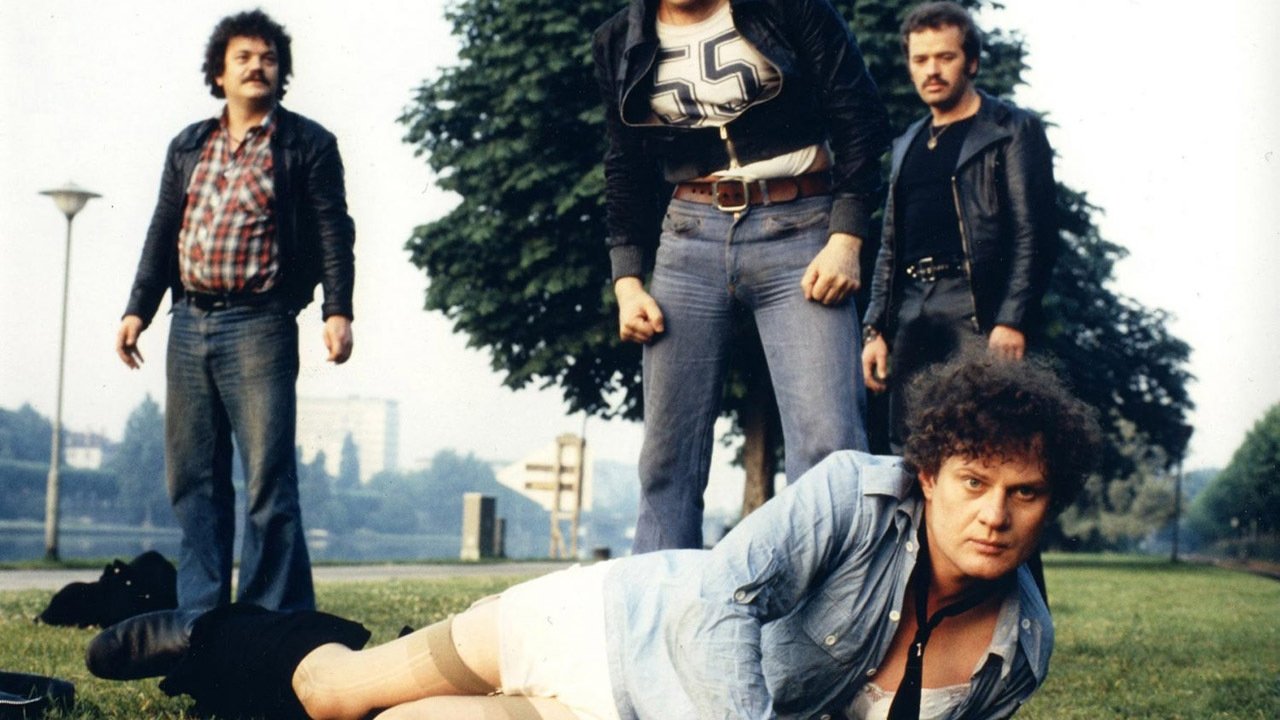
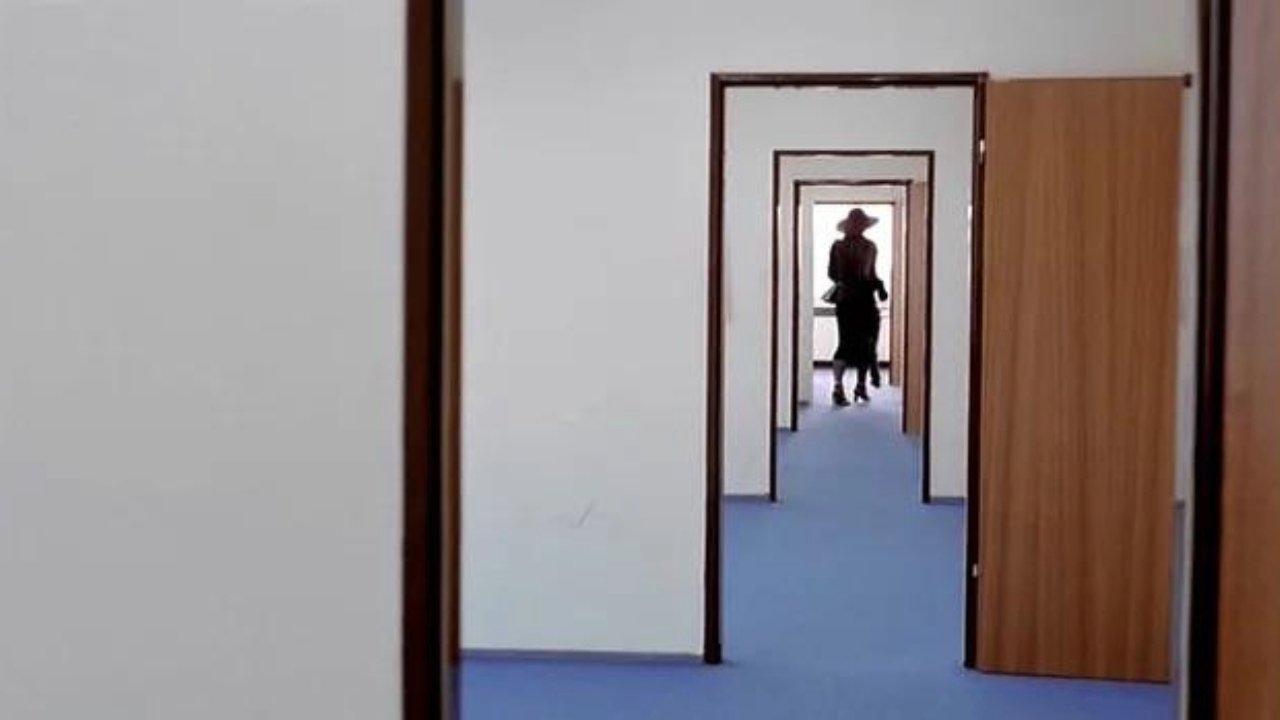
Fassbinder renders Frankfurt am Main not just as a setting, but as an active participant in Elvira's demise. It's a landscape of cold, impersonal architecture, neon-lit bars promising transient escape, and brutalist spaces that dwarf the human figures within them. One of the film's most notorious and debated sequences takes place in a slaughterhouse. Elvira guides a journalist through the visceral process of cattle being killed and dismembered, delivering a detached monologue that draws disturbing parallels between the systematic butchery and her own fragmented existence. Is it heavy-handed symbolism? Perhaps. But its raw, visceral power is undeniable, forcing the viewer to confront the mechanised indifference that permeates Elvira’s world. Fassbinder’s camera often holds in long, static takes, refusing to look away from the pain, the awkwardness, the crushing weight of existence. This deliberate pacing, combined with the often stark lighting and jarring shifts in tone (moments of bleak humor land like punches), creates an atmosphere that is both hypnotic and profoundly disturbing. It shares a kinship with the emotional intensity found in his other masterpieces like Ali: Fear Eats the Soul or The Marriage of Maria Braun, yet feels uniquely personal and raw.
### More Than Just a Tape
While perhaps not a staple weekend rental alongside the latest action flick, In a Year with 13 Moons represents the kind of challenging, vital cinema that the burgeoning home video market made accessible beyond repertory houses. For those browsing the deeper cuts, maybe based on a recommendation from a film-obsessed friend or a glowing review in a niche magazine, discovering Fassbinder’s work on VHS could be a formative experience. It was a reminder that film could be more than escapism; it could be a confrontation, a mirror held up to the darkest corners of the human condition and societal failings. This wasn't background noise; it demanded your full attention, burrowing under your skin long after the tape clicked off and the screen returned to static. The film's unflinching look at trans identity, loneliness, and the devastating consequences of societal rejection feels remarkably prescient, addressing themes that remain urgent today.
### A Difficult Masterpiece
In a Year with 13 Moons is undeniably difficult viewing. It offers little comfort and pulls no punches in its depiction of despair. Yet, its power lies in its uncompromising honesty and the profound empathy Fassbinder, through Spengler's devastating performance, ultimately extends to Elvira. It’s a film born from personal agony that transcends its origins to become a universal lament for the marginalized, the misunderstood, and the desperately lonely searching for solace in an uncaring world.
Rating: 9/10
Justification: This is a harrowing but essential piece of filmmaking from a master auteur working at the peak of his powers, fueled by intense personal grief. Volker Spengler delivers one of cinema's great performances of vulnerability and despair. Its unflinching gaze, challenging themes, and raw emotional honesty make it a demanding watch, but its artistic merit and lasting impact are undeniable. The score reflects its masterpiece status, acknowledging that its bleakness makes it profoundly difficult but ultimately rewarding for the serious cinephile.
Final Thought: Decades after its creation, Fassbinder's cri de cœur still echoes – a chilling, unforgettable portrait of a soul unraveling in the cold anonymity of the modern world, leaving you pondering the devastating cost of indifference.