Alright, fellow tapeheads, gather 'round the flickering glow of the CRT. Tonight, we're pulling a real gem from the dusty shelves of French popular cinema, a tape that might have looked utterly bizarre sitting next to Raiders or Blade Runner back in the day. I’m talking about Jean Girault’s wonderfully weird and surprisingly touching 1981 comedy, La Soupe aux choux, or as we Anglophones might know it, The Cabbage Soup. Forget explosive action for a moment; this is a different kind of 80s experience – earthy, absurd, and possessing a charm that’s as potent as the titular dish (or perhaps the characters' beloved red wine).
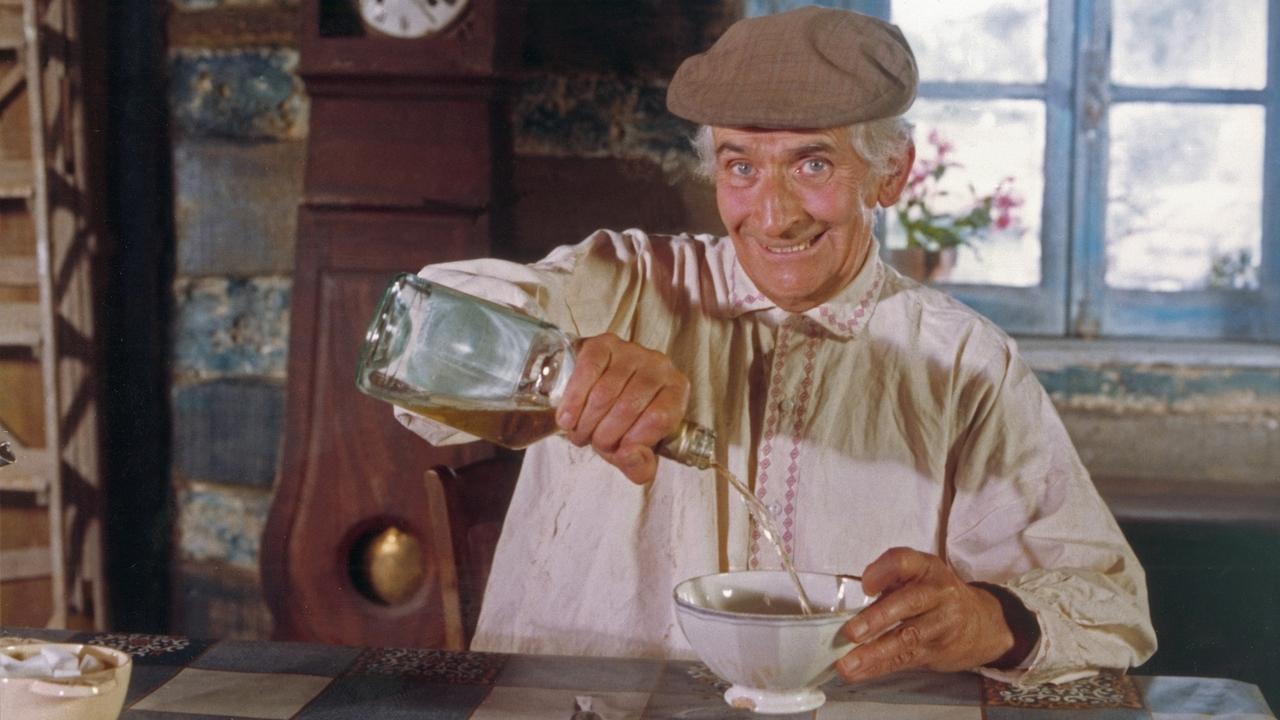
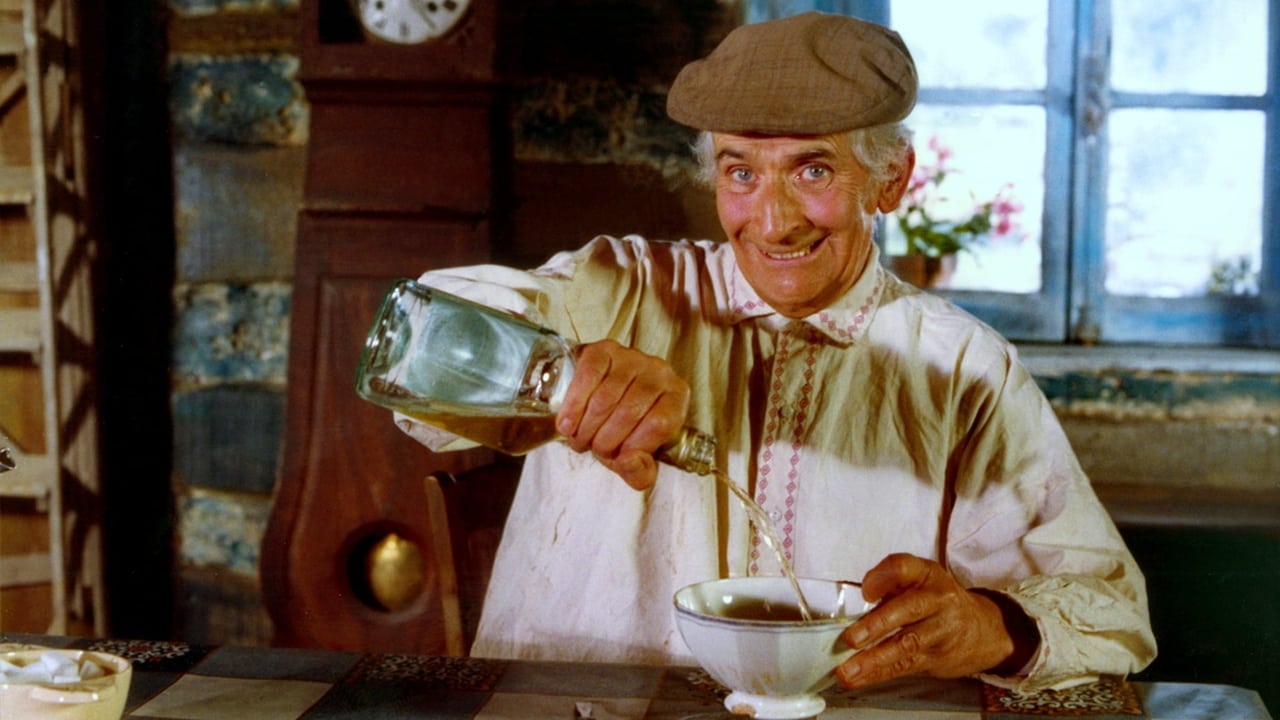
Picture this: Two crusty old farmers, Claude Ratinier (the inimitable Louis de Funès) and Francis Chérasse (the equally brilliant Jean Carmet), living simple, isolated lives in the French countryside. Their days consist of tending their gardens, drinking copious amounts of cheap wine, reminiscing about their late wives, and engaging in epic, window-rattling farting contests fueled by Claude's legendary cabbage soup. Yes, you read that right. It’s rustic, it’s crude, and yet, there’s an undeniable warmth to their cantankerous friendship. It feels lived-in, authentic, like eavesdropping on grumpy uncles who’ve known each other forever.
### Enter the Alien Gourmand
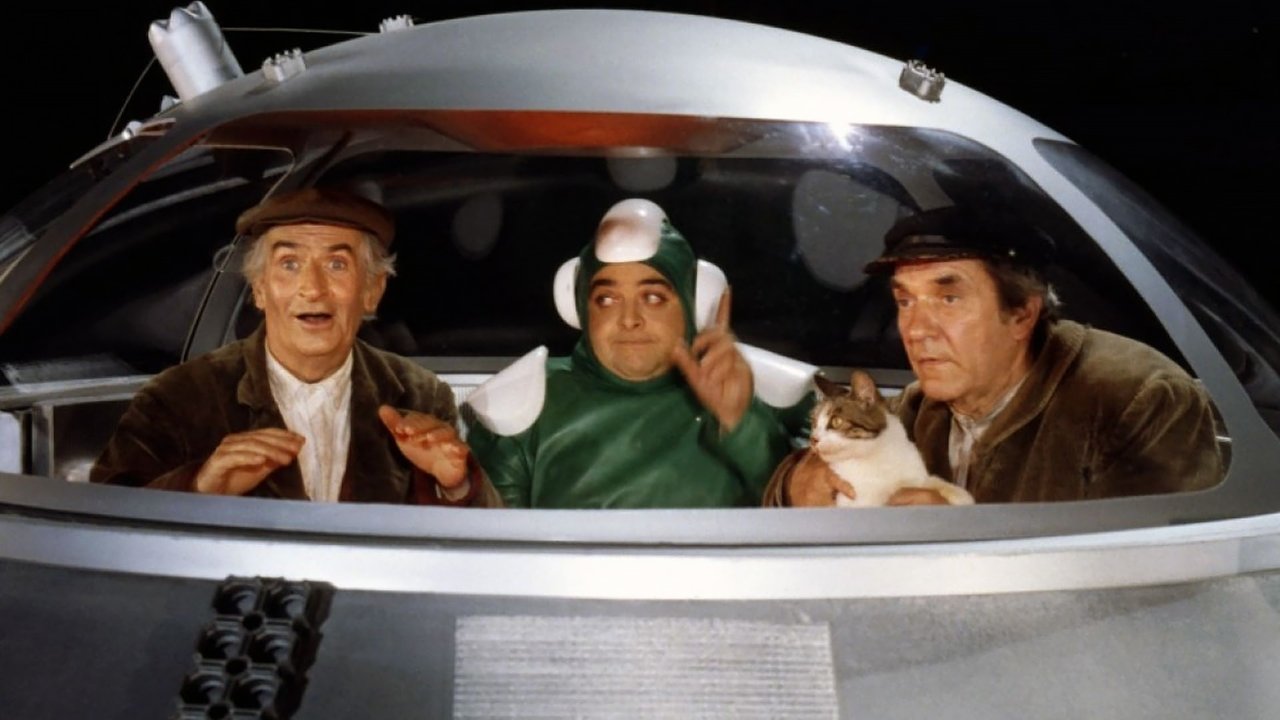
Then, one night, their gaseous emissions attract an extraterrestrial visitor. Not a menacing H.R. Giger nightmare, but "La Denrée" (played with wide-eyed, childlike innocence by Jacques Villeret), an alien from the planet Oxo who looks less like a predator and more like a slightly bewildered Michelin Man clad in silver. What does this advanced being want? World domination? Our resources? Nope. He's absolutely captivated by Claude’s cabbage soup. It's a premise so fundamentally silly, so uniquely French, that it works beautifully. The interactions between the grumpy, set-in-their-ways farmers and the naive alien are pure gold.
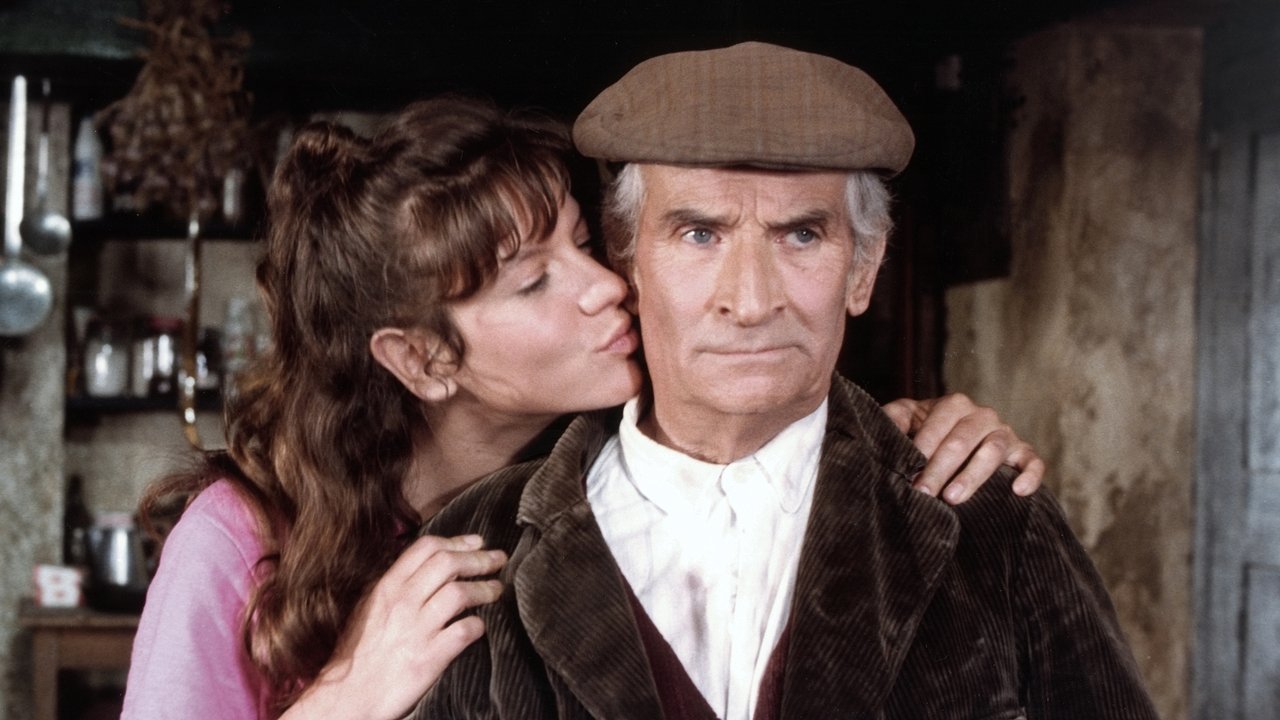
This was one of the final films for the legendary Louis de Funès, a titan of French comedy known for his manic energy and expressive face, particularly in the Gendarme de Saint-Tropez series (many also directed by Jean Girault, who sadly passed away during the post-production of their next collaboration). While his energy here is perhaps a touch more subdued than in his prime, his comic timing remains impeccable. Watching him try to explain the concept of money or love to La Denrée is a masterclass in physical comedy and exasperated charm. Jean Carmet, as the more melancholic Francis, provides the perfect foil, grounding the absurdity with a touch of pathos. And Jacques Villeret is simply iconic as La Denrée, communicating so much through simple gestures and that unforgettable, slightly dopey expression. His character became a cultural touchstone in France.
### Homespun Sci-Fi Charm
Let's talk about the "special effects," shall we? Forget ILM; this is pure, unadulterated 1980s practical charm. La Denrée's flying saucer looks like, well, a soup tureen, descending into the French countryside with delightfully simple optical effects. There’s no attempt at gritty realism here. The alien suit itself is endearingly clunky. It’s the kind of effect that might elicit a chuckle now, compared to today's seamless CGI, but back then, projected onto a fuzzy television screen late at night, it possessed a certain magic. It felt tangible, handcrafted, perfectly fitting the film's unpretentious, almost fable-like quality. The film wasn't aiming for Star Wars; it was aiming for heart, served with a side of silliness. This simplicity extends to the whole production, filmed on location in the very real French village of Jaligny-sur-Besbre, giving it an authentic rural atmosphere.
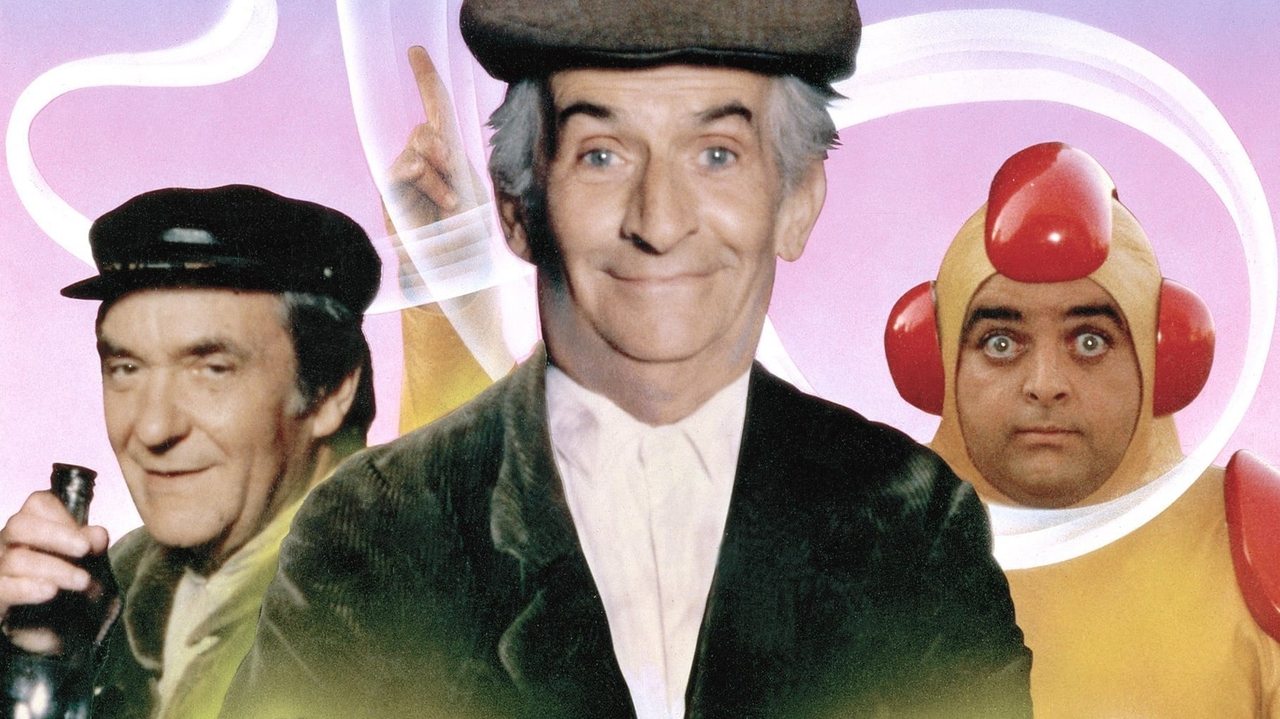
Interestingly, the film, based on a novel by René Fallet, was a massive hit in France, drawing over 3 million viewers to cinemas despite lukewarm critical reviews. It tapped into something audiences loved – perhaps the clash of old rural ways with the bewildering modern (or in this case, alien) world, or just the sheer joy of seeing these beloved actors in such an outlandish scenario. The synthesizer score by Raymond Lefèvre (another Gendarme veteran) is also instantly recognizable and adds significantly to the film's quirky, early-80s vibe.
### More Than Just Fart Jokes and Aliens
Beneath the surface-level absurdity and flatulence humour (which, let's be honest, is pretty central), The Cabbage Soup carries gentle themes of friendship, aging, dealing with loss, and the value of simple pleasures. The alien's arrival disrupts the farmers' routine but also brings unexpected changes, including a rather unique solution to loneliness involving resurrected loved ones (handled with surprising tenderness amidst the comedy). It’s a film with a surprising amount of heart tucked away beneath its eccentric exterior. It doesn't mock its characters; it celebrates their quirks and their enduring bond, even as the world (or universe) changes around them.
Rating: 8/10
Justification: This isn't high-octane action or sophisticated sci-fi, but for what it is – a uniquely French, character-driven comedy with a wonderfully absurd premise – The Cabbage Soup is a resounding success. The legendary performances, the genuine heart beneath the silliness, and its status as a beloved cult classic (especially in France) earn it high marks. It loses a couple of points perhaps for the simplicity that might not resonate with everyone today, and pacing that ambles along like its elderly protagonists.
Final Thought: Forget warp drives and laser battles; this is sci-fi powered by cabbage, wine, and friendship. The Cabbage Soup is a warm, fuzzy blanket of 80s nostalgia – a reminder that sometimes the most memorable cinematic encounters come in the strangest, most unassuming packages, just like finding that odd-looking tape at the back of the rental store. A true taste of vintage comfort food cinema.