Alright, settle in, grab your beverage of choice, and let’s rewind the tape back to 1982. Flickering onto the CRT screen tonight is a slice of pure French comedic chaos, the swan song for a legend: Le Gendarme et les Gendarmettes (The Gendarme and the Gendarmettes). For many of us browsing those slightly dusty shelves at the local video rental store, the Gendarme series, starring the inimitable Louis de Funès, was a guaranteed dose of frantic energy and Gallic absurdity. This sixth and final entry holds a unique, somewhat bittersweet place in the pantheon. It arrived carrying not just the familiar slapstick, but also the weight of farewell.

### Welcome to the Future, St. Tropez Style!
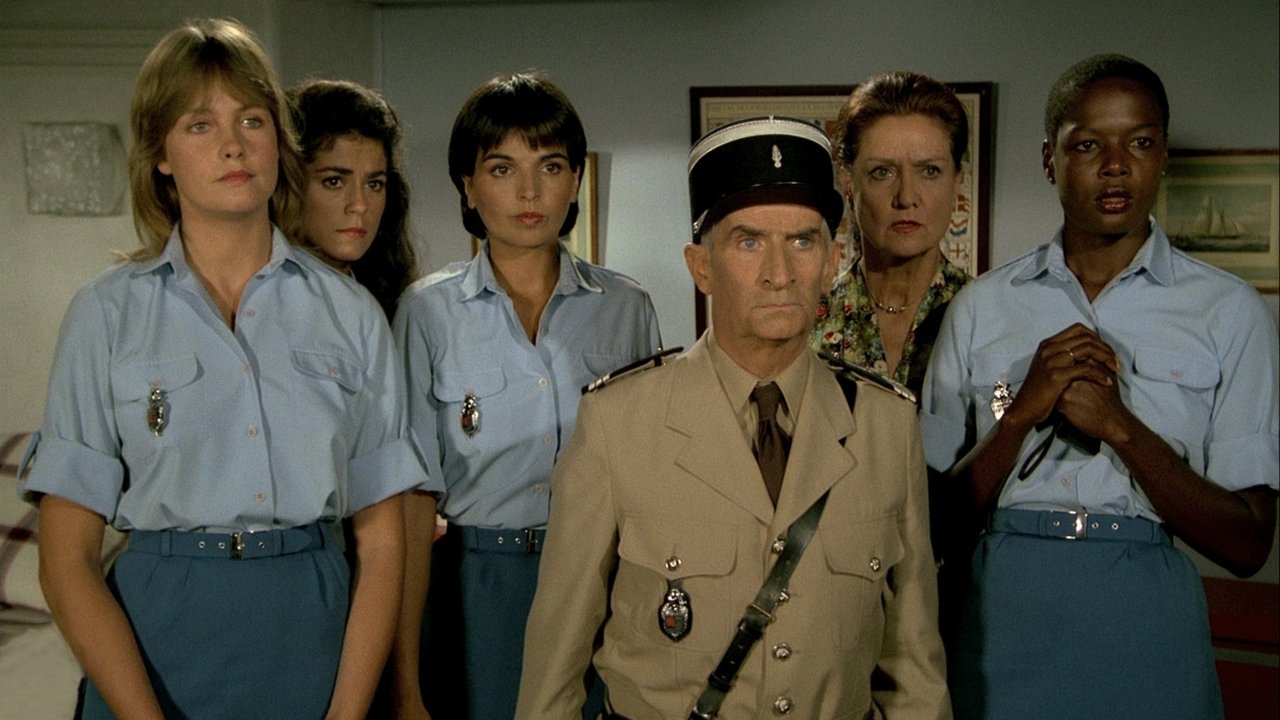
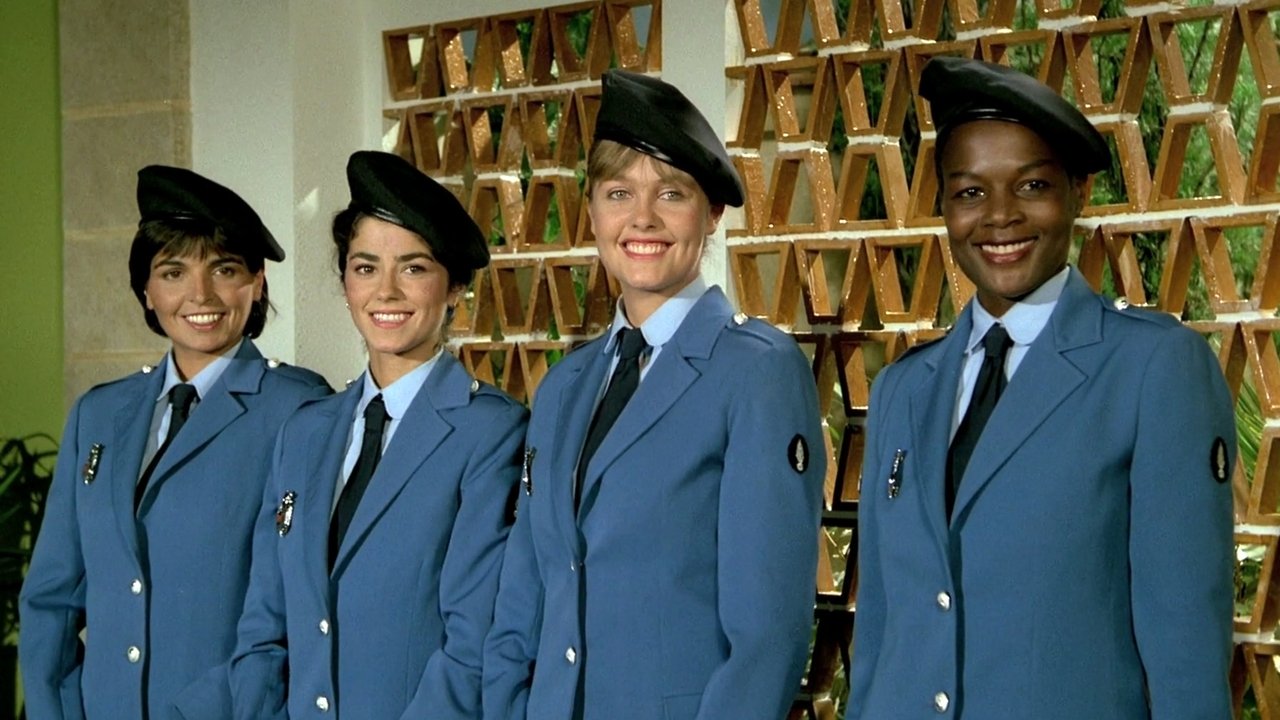
The premise itself screams early 80s transition: Cruchot (Louis de Funès, in his final cinematic role) and his bumbling brigade – including the ever-exasperated Adjudant Gerber (Michel Galabru) – are relocated to a brand new, high-tech (for 1982!) police station. But the real shake-up? They’re tasked with training four young, attractive female recruits, the titular 'Gendarmettes'. Cue the predictable yet often hilarious culture clash, misunderstandings, and ample opportunity for de Funès to unleash his signature arsenal of facial contortions, sputtering rage, and high-strung physical comedy.
Even watching it now, through the haze of nostalgia and perhaps a slightly fuzzy VHS transfer, you can feel the series trying to adapt, however clumsily, to changing times. The concept of women joining the force provides the central comedic engine, though admittedly, some of the humour surrounding this definitely lands as a product of its era. Yet, there’s an undeniable charm in the execution, largely thanks to the unwavering commitment of the cast.
### The Master's Last Bow
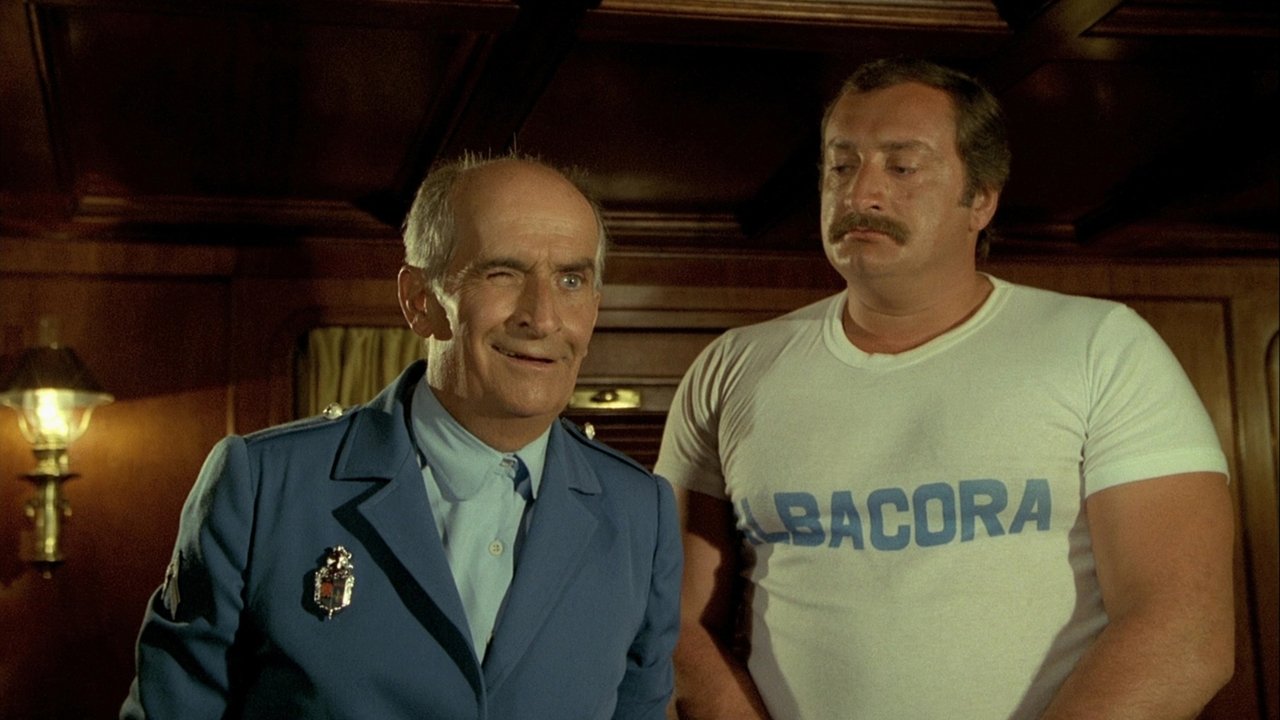
Let's talk about Louis de Funès. By this point, his health was fragile – a stark reality that hung over the production. Yet, even if the sheer manic intensity is dialed back a notch from his peak years (think The Mad Adventures of Rabbi Jacob (1973)), his comedic timing remains impeccable. Every flared nostril, every indignant squeak, every elaborately frustrated gesture is pure gold. Watching him navigate the chaos, trying to maintain his (utterly misplaced) sense of authority amidst the flirting, the rivalries, and the eventual kidnapping plot involving the Gendarmettes, is still a joy.
Tragically, this film carries a heavy piece of behind-the-scenes history. Director Jean Girault, who had helmed all the previous Gendarme films and collaborated frequently with de Funès, sadly passed away from tuberculosis midway through filming. It’s a testament to the team, including co-director Tony Aboyantz who stepped in to complete the picture, that the film holds together as well as it does. You might sense a slight unevenness in tone or pacing if you look closely, a possible echo of this difficult transition, but the core spirit of the Gendarme films persists. The screenplay, co-written by Girault, Jacques Vilfrid, and Richard Balducci (who conceived the original Gendarme idea), hits the familiar beats fans expected.
### Slapstick Shenanigans, Practical Fun
While not an 'action' film in the explosive 80s blockbuster sense, Gendarmettes delivers its thrills through expertly staged physical comedy and chaotic set pieces. Remember how real those near-misses and tumbles felt back then? That’s because they were real. The scene where the Gendarmettes’ car gets sabotaged, leading to a runaway vehicle careening through Saint-Tropez? That’s pure practical stunt work, baby! No CGI safety nets here. The timing, the near-collisions, the exaggerated reactions – it’s a specific brand of cinematic mayhem that required precision and nerve from the performers and stunt coordinators. Even the simpler gags, like Cruchot’s struggles with the newfangled computer systems (a relatable frustration even today!), rely on de Funès' brilliant physical performance rather than digital trickery.
The supporting cast, including regulars like Michel Galabru as the perpetually put-upon Gerber and Maurice Risch as Beaupied, provide essential comedic ballast. The Gendarmettes themselves (played by Catherine Serre, Nicaise Jean-Louis, Sophie Michaud, and Babeth Étienne – who was briefly married to Johnny Hallyday around this time!) bring a fresh energy, even if their characters aren't deeply explored beyond the central conceit.
### Legacy of Laughter
Despite the production hurdles and the undeniable sadness of it being de Funès' final film (he passed away just a few months after its release), Le Gendarme et les Gendarmettes was a huge box office success in France, proving the enduring appeal of Cruchot and his hapless crew. Critics were perhaps less enthusiastic than audiences, sometimes noting it didn't quite reach the heights of earlier entries, but the public flocked to say goodbye to a national treasure.
Watching it today on a platform far removed from the clunky VHS players of yore, the film feels like a time capsule. It’s undeniably dated in places, the plot is flimsy, and the humour occasionally veers into territory that wouldn’t fly today. But beneath that, there’s a genuine warmth, a commitment to silliness, and the undeniable spark of comedic genius from its lead star. It’s a slightly melancholic, yet ultimately affectionate, end to a beloved series.
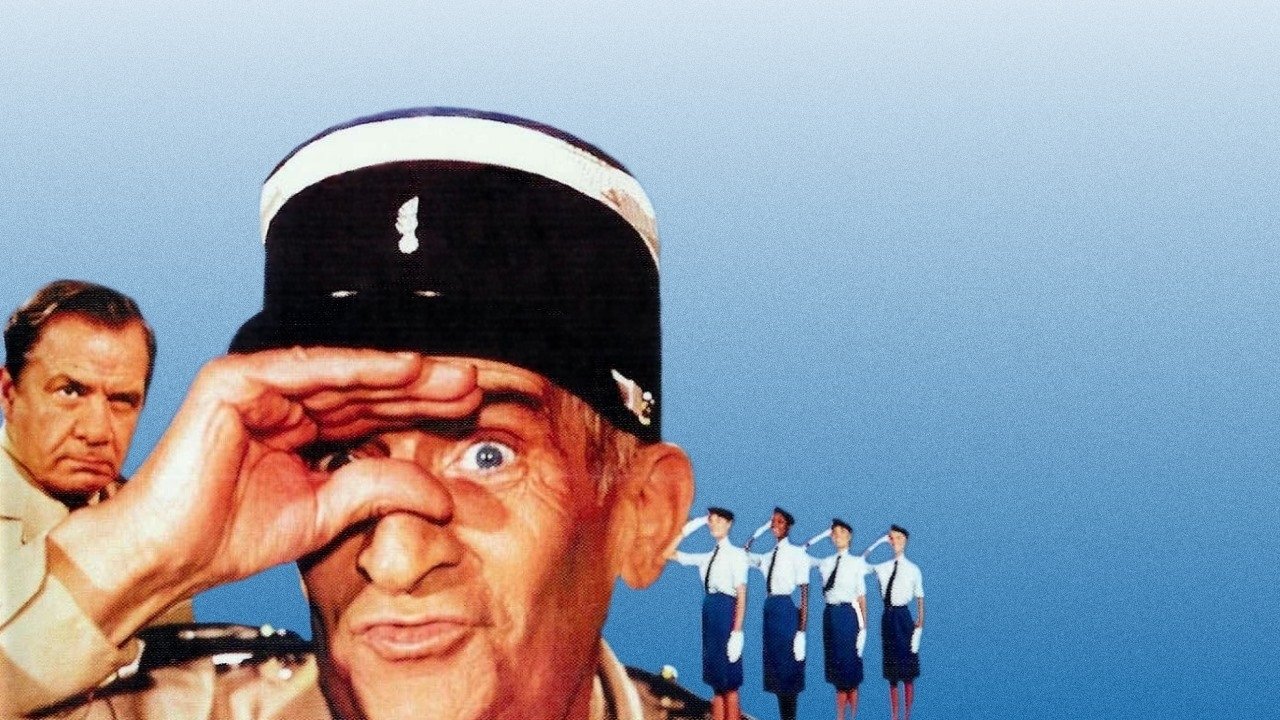
VHS Heaven Rating: 6/10
Justification: While hampered by dated elements, production difficulties, and being the weakest entry overall, Louis de Funès' final performance still shines with comedic brilliance. The familiar ensemble cast delivers reliable laughs, and the film serves as a poignant, if flawed, farewell to a French comedy institution. It earns points for sheer nostalgic value and capturing the end of an era.
Final Thought: It may not be high art, but like finding that favourite worn-out tape at the back of the cupboard, Le Gendarme et les Gendarmettes offers a comforting, if slightly fuzzy, dose of 80s slapstick charm and a final wave from the irreplaceable Louis de Funès. Pure, unadulterated Euro-comedy chaos, frozen in time.