Alright, fellow tapeheads, gather 'round. Let's talk about a film that feels less like something you rented and more like something you found, maybe tucked away in the wrong section at the back of the video store, its bizarre cover art practically daring you to take it home. I’m talking about Richard Elfman's utterly bonkers 1980 creation, Forbidden Zone. This isn't just a movie; it's a fever dream caught on celluloid, a chaotic cabaret beamed directly from another dimension – possibly the Sixth, ruled over by a diminutive king and his jealous queen.
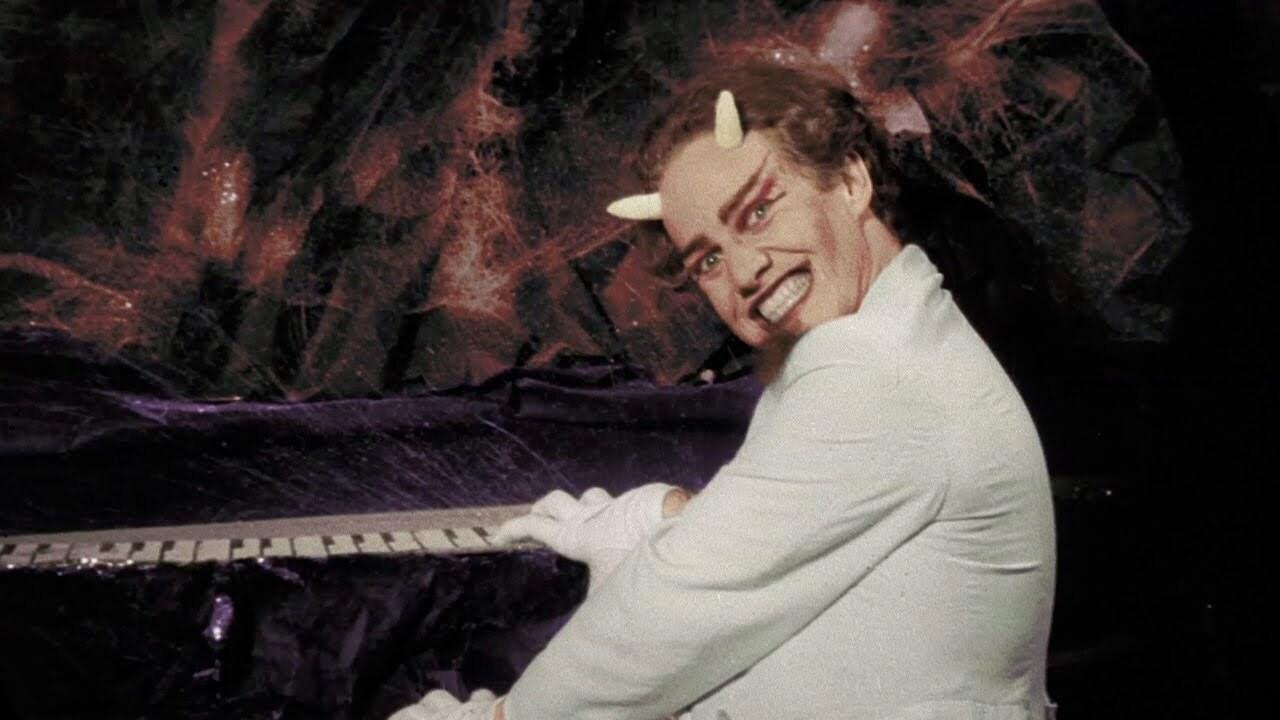
Finding Forbidden Zone on VHS back in the day was like discovering a secret handshake into a world of truly weird cinema. You'd pop it in, maybe late at night after the folks were asleep, the picture humming on the old CRT, and within minutes, you knew this wasn't your typical Hollywood fare. This was something else entirely – raw, handmade, and gloriously unhinged.
### Down the Hercules Family Rabbit Hole
The plot, such as it is, revolves around the Hercules family, whose Venice, California home happens to contain a doorway to the Sixth Dimension. When young Frenchy Hercules (played with wide-eyed confusion by Marie-Pascale Elfman, the director's then-wife) wanders through, she lands in a surreal kingdom ruled by the lecherous King Fausto (Hervé Villechaize, clearly having an absolute blast) and the perpetually enraged Queen Doris (Susan Tyrrell, in a performance so committed it borders on terrifying). What follows is a whirlwind of musical numbers, bizarre encounters, sibling rivalries that spill across dimensions, and visuals that look like Max Fleischer cartoons filtered through punk rock and LSD.
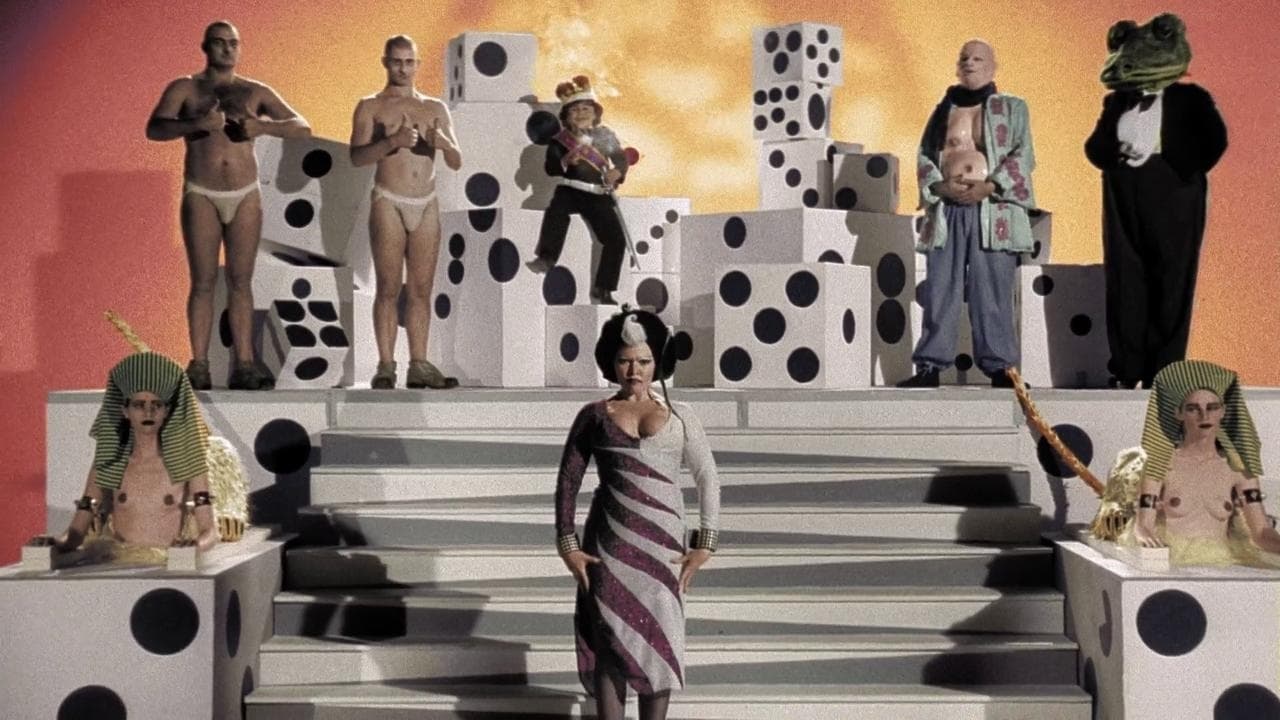
This whole mad enterprise famously began as a way to capture the stage antics of Richard Elfman's surrealist musical troupe, The Mystic Knights of the Oingo Boingo. You can feel that theatrical, almost Vaudevillian energy pulsing through every frame. The film was shot piecemeal over several years whenever funds allowed, which likely contributes to its disjointed, dreamlike quality. It wasn't just low-budget; it was practically no-budget, forcing incredible creativity. Those sets? Often painted cardboard and forced perspective, giving it a look that’s both charmingly DIY and genuinely unsettling.
### A Symphony of the Strange
And the music! Oh, the music. This film marks the cinematic debut of Danny Elfman (yes, that Danny Elfman, composer for Batman (1989), The Nightmare Before Christmas (1993), and countless others) both as composer and performer. He not only wrote the infectious, Cab Calloway-infused score but also appears on screen as a hilariously deadpan Satan, leading the Mystic Knights in renditions of their early tunes. The songs are catchy, bizarre, and perfectly integrated into the film's chaotic tapestry. Tracks like "Witch's Egg" or the title theme lodge themselves in your brain, becoming the soundtrack to the weirdest party you've never actually attended. It’s a raw, early glimpse of the genius that would later define the sound of Tim Burton's filmography.
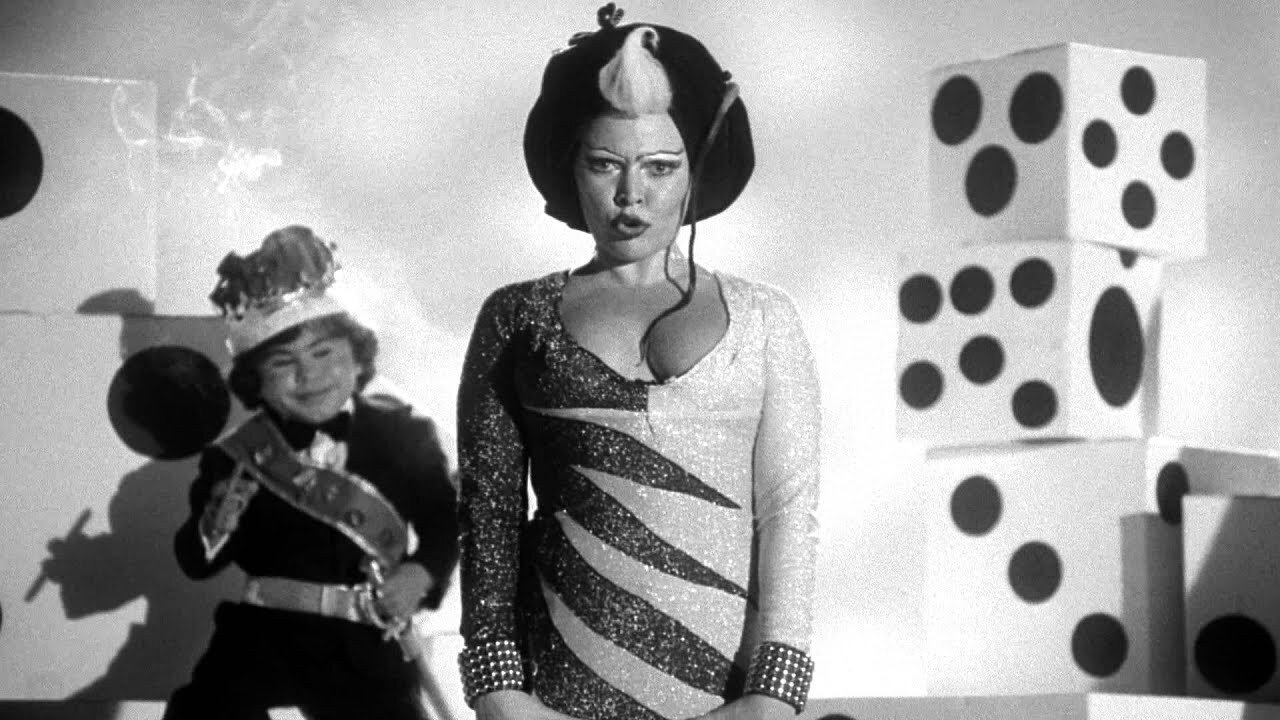
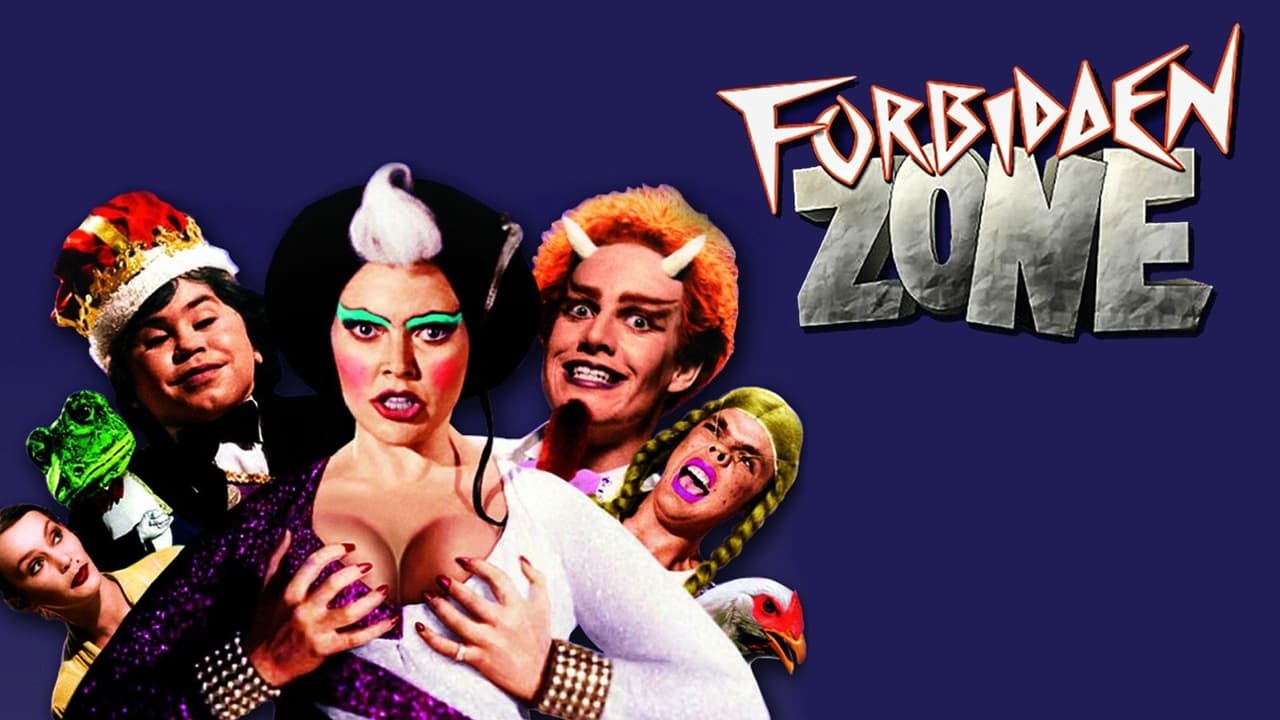
The sheer energy of the musical numbers, combined with the often frantic editing and kaleidoscope of visual styles, feels like the film's version of action. There are no car chases here, but the relentless assault on the senses, the rapid-fire gags, and the sheer audacity of it all create their own kind of kinetic intensity. It's a different kind of rush – the rush of the utterly unexpected.
### Cardboard Kingdom, Royal Performances
While the aesthetic is pure punk-rock surrealism, the performances are key to making it work. Hervé Villechaize, famous worldwide as Tattoo from Fantasy Island, throws himself into the role of King Fausto with manic glee. It's a performance completely removed from his TV persona, showcasing a comedic range often overlooked. According to Richard Elfman, Villechaize adored the script's weirdness and was eager to dive in.
But the undeniable MVP is Susan Tyrrell as Queen Doris. Chewing scenery doesn't even begin to cover it; she devours the cardboard sets, spitting out dialogue with venomous delight. Her performance is a masterclass in controlled chaos, utterly captivating and genuinely intimidating. It's the kind of fearless, go-for-broke acting you rarely see anymore. Alongside them, the supporting cast, many drawn from the Mystic Knights or Elfman's circle, embraces the absurdity with infectious enthusiasm. Special mention to Gisele Lindley as the Princess, adding another layer of strange allure to the Sixth Dimension's court.
The film wasn't without controversy. Its use of blackface imagery in one sequence, intended as a nod to old cartoons and Vaudeville, drew criticism even then and remains jarring today. Furthermore, distributors balked at its weirdness and initial lack of color (it was shot primarily in black and white to save money and evoke classic styles, though a colorized version exists), leading to a limited release. Yet, like so many unique visions ignored by the mainstream, Forbidden Zone found its audience on the midnight movie circuit and, crucially for us, on home video. It became a cult classic, whispered about in rental queues and celebrated by those who appreciated its defiant originality.
### Still Dangerously Weird After All These Years
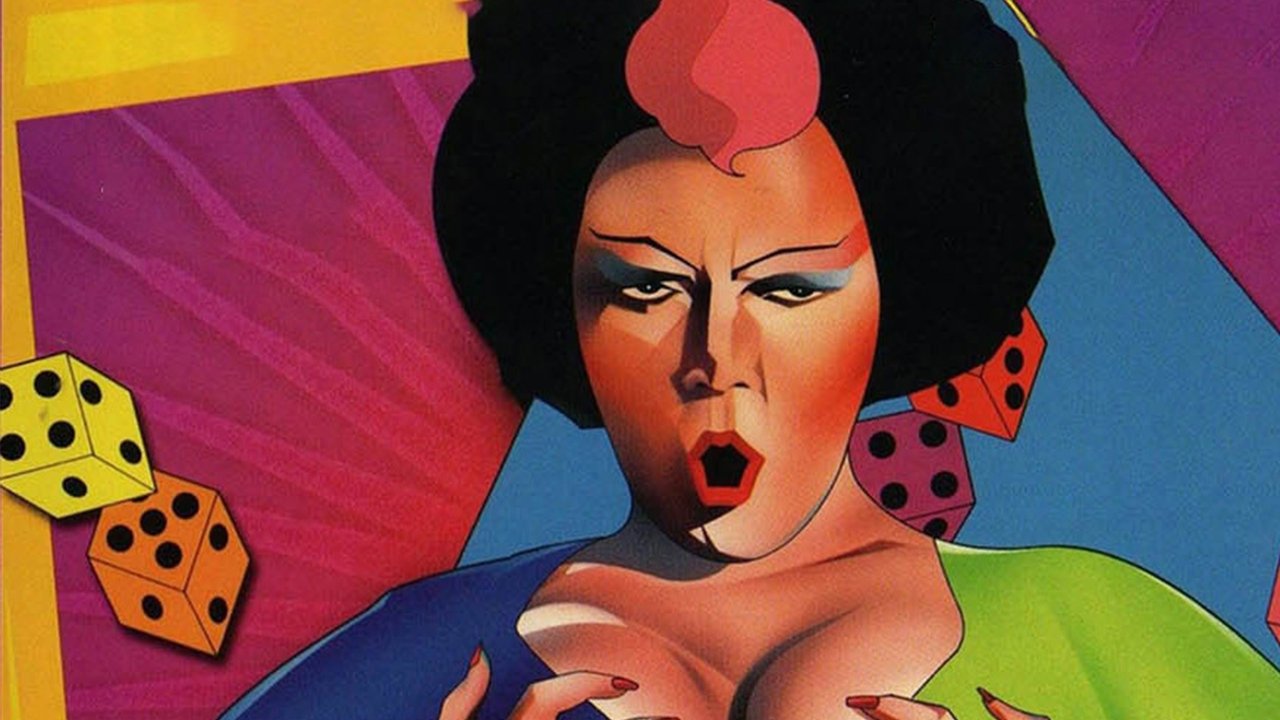
Watching Forbidden Zone today is still a jolt. It’s messy, offensive to some, technically crude by modern standards, but undeniably alive. It's a testament to a time when low budgets didn't necessarily mean low ambition, and filmmakers could throw caution (and good taste) to the wind to create something utterly unique. The handmade charm, the practical gags, the sheer weirdness – it’s all part of the experience, something CGI smoothness could never replicate. Remember how delightfully strange and homemade those sets looked, even on a slightly fuzzy VHS copy? It felt tangible, like you could almost reach out and touch the painted cardboard.
Rating: 8/10 – This score isn't for technical perfection or universal appeal. It's for sheer, unadulterated cult audacity, groundbreaking musical work from Danny Elfman, unforgettable performances (especially Tyrrell), and its status as a defiant, DIY middle finger to conventional filmmaking. It's a must-see for connoisseurs of the bizarre, though definitely not for the easily offended or those seeking polished Hollywood fare.
Final Thought: Forbidden Zone is pure, uncut cinematic chaos from the dawn of the 80s – a reminder that sometimes the most memorable trips are to the dimensions you were warned never to enter. It remains wonderfully, dangerously weird, a perfect slice of midnight movie madness preserved on tape.