Some films merely flicker on the screen; others burn themselves into your memory with the searing intensity of a flashbulb capturing atrocity. Cannibal Holocaust (1980) belongs firmly in the latter category, a film that arrived on grainy VHS tapes like forbidden contraband, whispered about in hushed, horrified tones at slumber parties and in the darker corners of video rental stores. It wasn't just a movie; it felt like an artifact, something dangerous dug up from a place civilization had wisely forgotten. Forget jump scares; this was pure, unadulterated dread distilled onto magnetic tape.
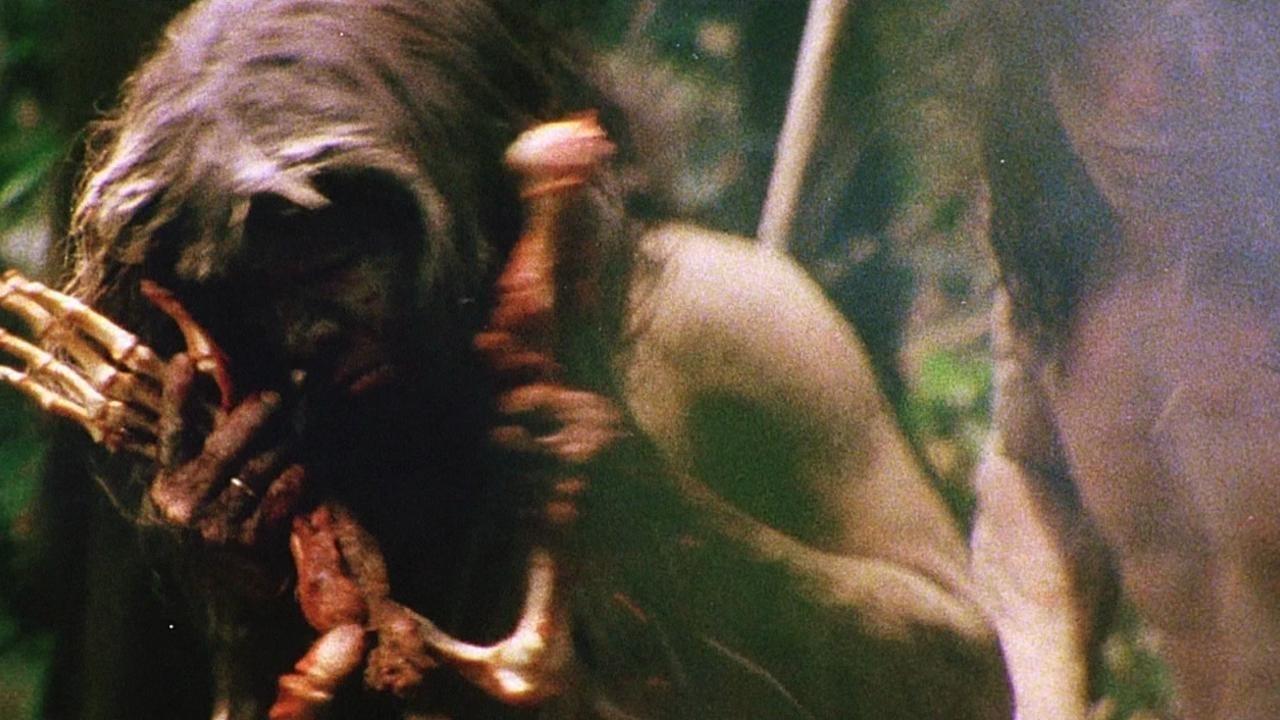
Into the Green Inferno
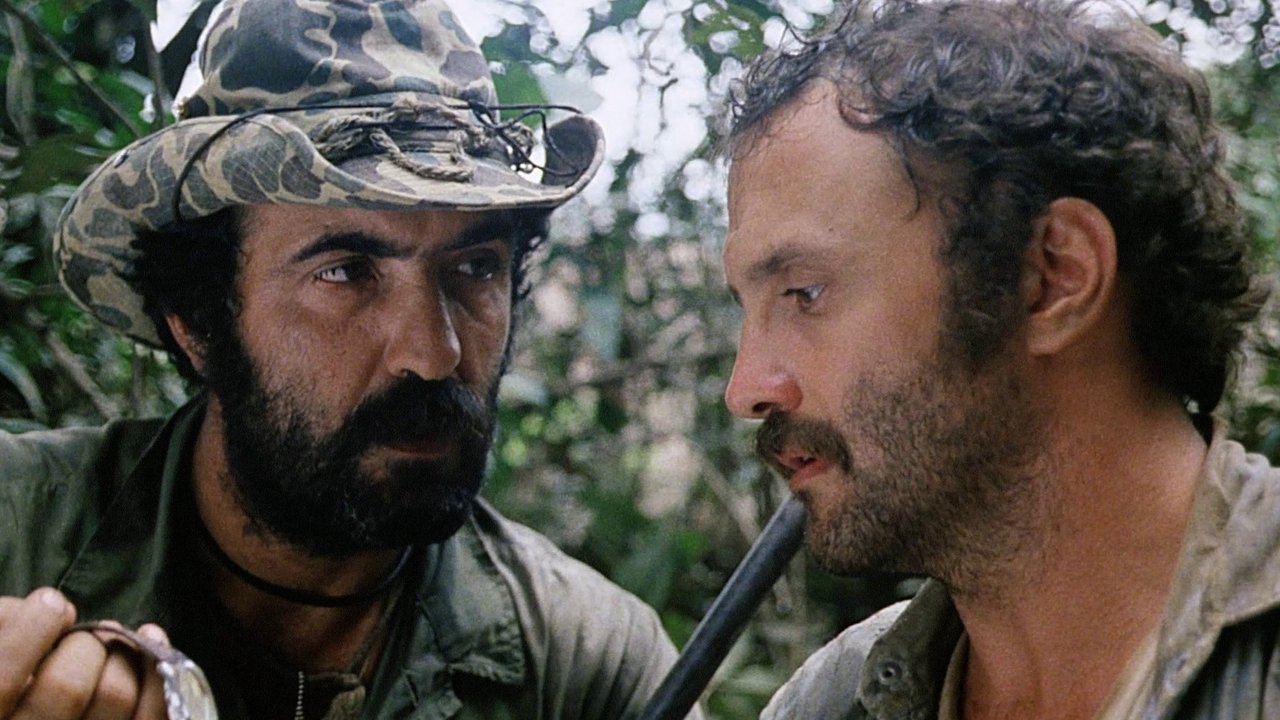
The setup is deceptively simple, almost ethnographic. NYU anthropologist Harold Monroe (Robert Kerman, in a performance that anchors the chaos with a weary gravitas) ventures deep into the Amazon rainforest – the infamous "Green Inferno" – searching for a missing American documentary crew. Led by the ambitious Alan Yates (Gabriel Yorke), the team, including Faye Daniels (Francesca Ciardi) and Jack Anders (Perry Pirkanen), disappeared while filming indigenous tribes often labeled as cannibals. Monroe eventually recovers their lost footage, hoping it holds the key to their fate. What he, and we, discover is far more disturbing than any imagined savagery.
The Footage That Fooled the World
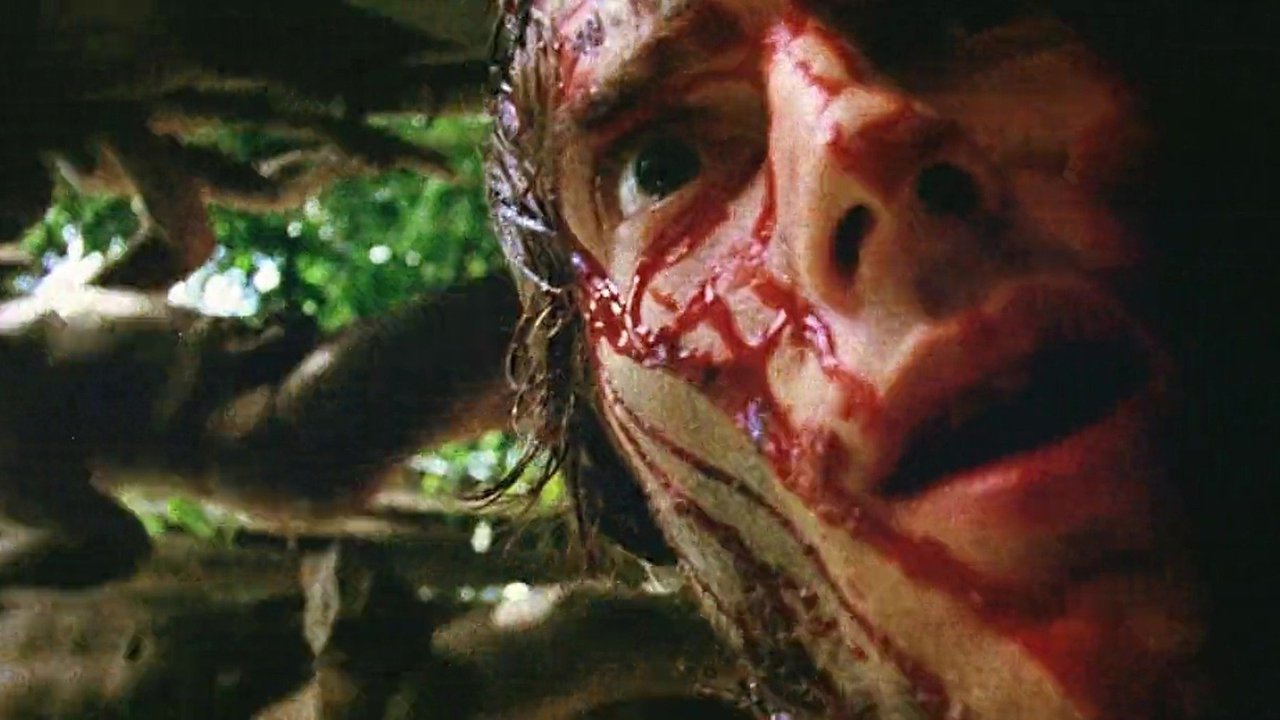
This is where Cannibal Holocaust truly sinks its teeth in. The film cleverly employs a found footage narrative decades before The Blair Witch Project (1999) popularized the technique. The recovered reels, presented raw and unfiltered, depict the filmmakers' horrifying descent from observers to active participants in brutality, their exploitative lens turning inward as their own humanity disintegrates. Director Ruggero Deodato, drawing inspiration from sensationalist Italian mondo documentaries which often blurred lines between fact and fabrication, crafted sequences of such visceral, shocking realism that many viewers, and authorities, initially believed them to be genuine snuff. The effect, even knowing it's staged, remains profoundly unsettling. That grainy, degraded look, so familiar from countless worn-out VHS tapes, only amplified the feeling that you were watching something you shouldn't be.
Myths, Murder Charges, and Method
The line between fiction and reality blurred so intensely that Deodato found himself facing genuine murder charges in Italy. The rumours were rampant: had the actors actually been killed on camera? To prove the film's staged nature, Deodato had to break contractual agreements forcing the main actors (who had deliberately "disappeared" to fuel the film's mystique) to appear in court, alive and well. He even had to demonstrate how certain notorious special effects, like the infamous impalement scene (achieved with a sharpened bicycle seat rig against the actress's body and a balsa wood spike held in her mouth), were accomplished. The film's production itself reads like a dark legend – shot largely on location in the Colombian rainforest under challenging conditions, pushing boundaries that few films had dared approach. Whispers persisted about tensions on set, mirroring the disintegration seen on screen. It cost a mere $100,000 to make – pocket change even then – yet its impact generated waves of controversy and bans across dozens of countries, a testament to its raw power.
A Score at Odds, A Question of Intent
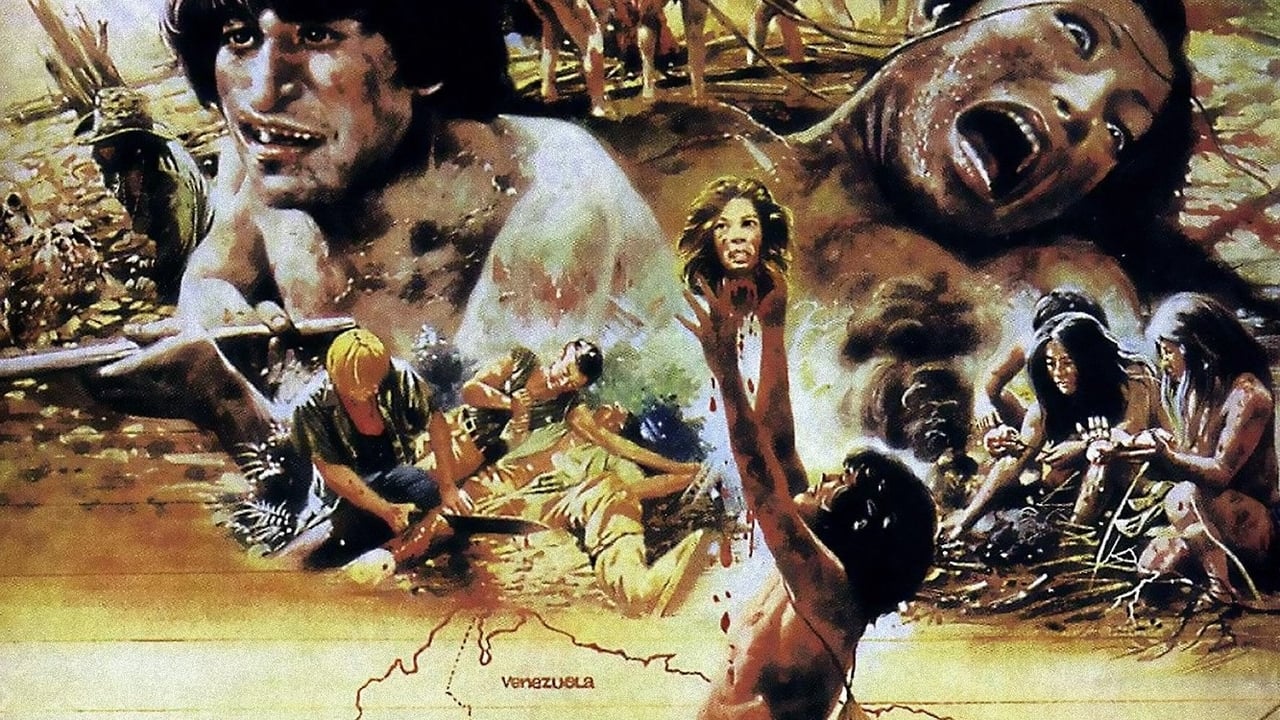
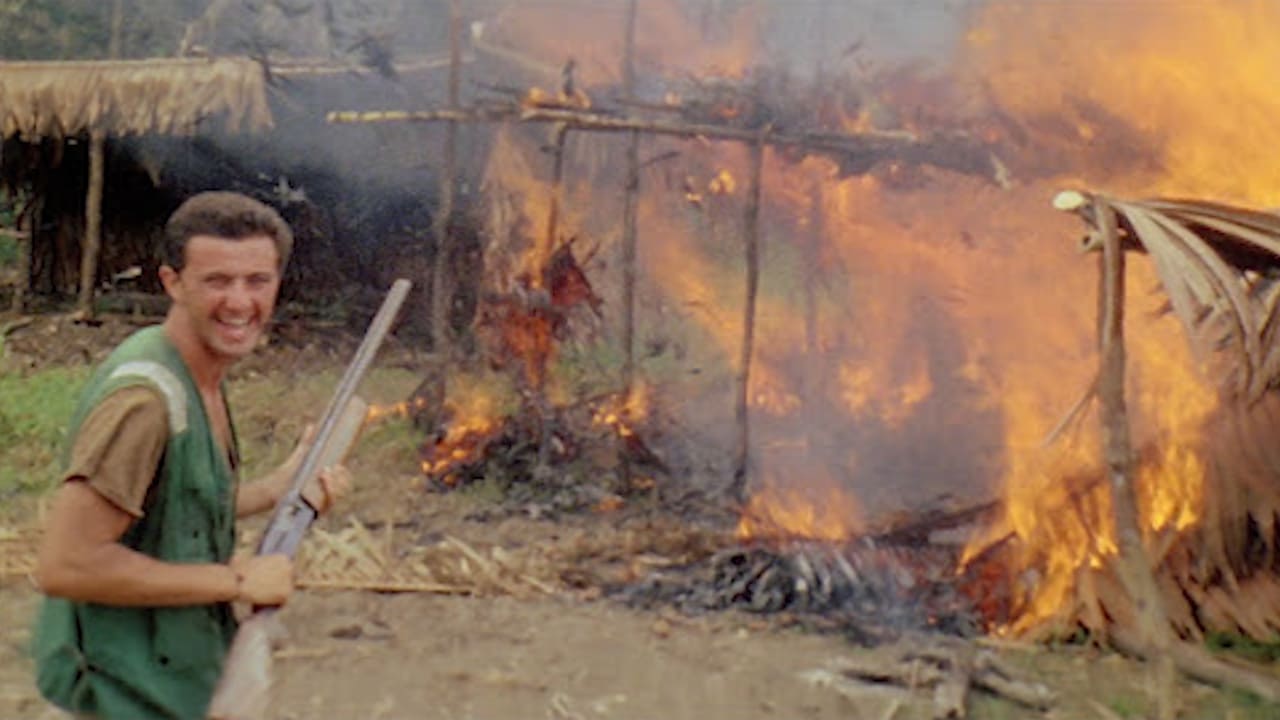
Adding another layer of disturbing dissonance is Riz Ortolani's hauntingly beautiful, melodic score. Often soaring and lyrical, it plays in stark, almost sickening contrast to the brutal imagery unfolding on screen. Is it meant to be ironic? To highlight the "beauty" the filmmakers initially sought before succumbing to depravity? Or does it simply make the horror more palatable, and thus more insidious? Deodato maintained the film was a critique of sensationalist media, arguing that the real savages were the exploitative filmmakers, mirroring the unethical practices he saw in journalism. Did that message land, or was it drowned out by the sheer extremity of the content? It’s a question that still fuels debate among horror aficionados. Remember watching that recovered footage for the first time? Didn't that abrupt shift in perspective feel genuinely groundbreaking, yet deeply uncomfortable?
The Unflinching Eye and the Ethical Abyss
Let's be clear: Cannibal Holocaust is not an easy watch. It's notorious for its graphic violence, simulated sexual assault, and, most controversially, the real, on-screen killing of several animals. This aspect remains impossible to defend or excuse, casting a permanent shadow over the film's artistic merits and Deodato's stated intentions. It's a brutal relic of a time with different (or non-existent) ethical standards in filmmaking, particularly within the Italian exploitation genre. While the human violence, masterminded by effects wizard Giannetto De Rossi, is disturbingly convincing simulated horror, the animal cruelty is a stark, ugly reality embedded within the fiction. This ethical transgression is, for many, an insurmountable barrier, and understandably so.
Legacy of a Nightmare
Despite, or perhaps because of, its extreme nature and the whirlwind of controversy, Cannibal Holocaust carved out a significant, if notorious, place in cinema history. It pushed the boundaries of horror, arguably perfected the found footage concept long before its mainstream boom, and forced uncomfortable questions about media ethics and the viewer's own complicity in consuming violence. Its influence, acknowledged or not, can be felt in countless horror films that followed, particularly those striving for gritty realism or employing the found-footage gimmick. It remains a potent, deeply problematic, yet undeniably impactful piece of extreme cinema – a film that, once seen, is impossible to forget, lingering like the humid, oppressive atmosphere of the jungle itself. It's the kind of VHS tape you might have hidden at the back of your collection, both repulsed and darkly fascinated.
Rating: 7/10
Justification: The rating reflects the film's undeniable technical achievements in realism for its time, its pioneering use of the found footage format, its profoundly unsettling atmosphere, and its lasting, controversial impact. It succeeds horrifically well in its goal to shock and disturb. However, the score is significantly tempered by the inexcusable real animal cruelty and the extreme nature of the content, which makes it ethically problematic and inaccessible for many viewers. It's a landmark of horror cinema, but a deeply scarred one.
Final Thought: Cannibal Holocaust isn't just a movie; it's an ordeal. A grimy, challenging artifact from the VHS era that still dares you to look away, forcing a confrontation with the darkest aspects of human nature – both behind and in front of the camera.