It begins not with a bang, but with a hush. A blanket of fresh snow muffles the world, rendered in soft, flickering pastels that feel less like animation and more like a cherished memory brought to life. There's no dialogue, no complex plot machinations – just the quiet wonder of a boy, a newly built snowman, and the impossible magic that unfolds one winter's night. This is The Snowman (1982), a short film that became an unexpected giant in the landscape of festive viewing, a testament to the power of visual storytelling and pure, unadulterated heart.
### A Crayon Box Dream
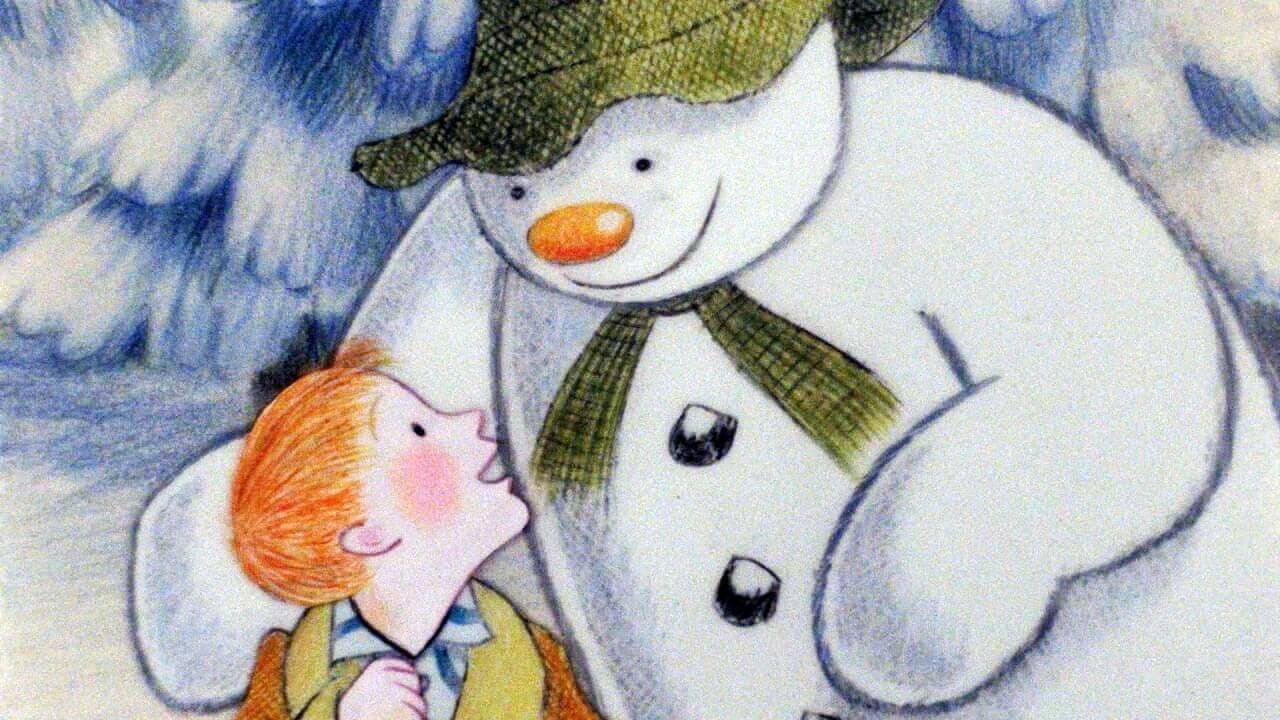
Forget the sharp lines and digital sheen of modern animation. The Snowman possesses a unique visual texture, a direct translation of creator Raymond Briggs’ beloved 1978 picture book. Director Dianne Jackson, tasked by the fledgling Channel 4 in the UK with one of its earliest animated commissions, masterfully preserved the book’s gentle, crayon-on-rough-paper aesthetic. Every frame feels handcrafted, imbued with a warmth and tactile quality that perfectly suits the intimate story. Watching it feels like sinking into a favourite armchair with a well-loved storybook – comforting, familiar, yet always capable of stirring something deep within. The character designs are simple, expressive, capturing the innocence of childhood and the slightly melancholic charm of the snowman himself. It’s a style that instantly transports you, evoking the specific feeling of a winter’s day seen through a child’s eyes.
### When Music Speaks Louder Than Words
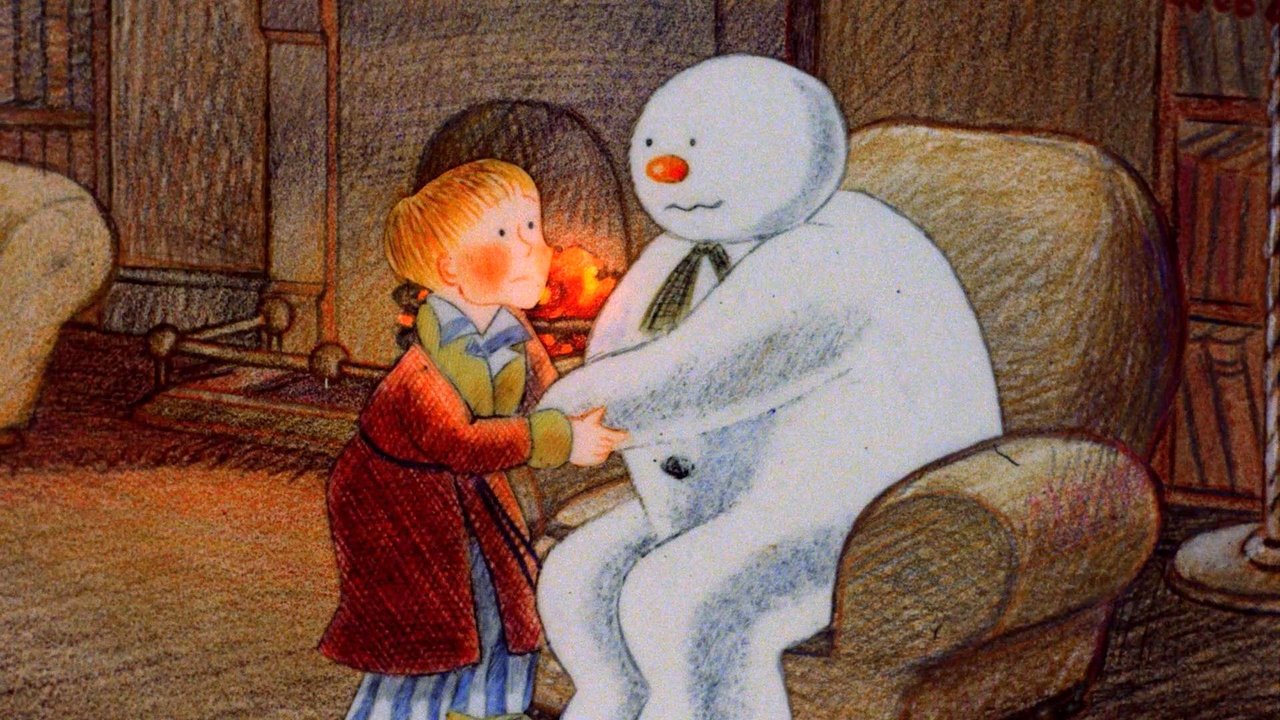
The decision to forgo dialogue was a stroke of genius. It makes the film universally accessible, transcending language barriers. But more importantly, it allows the visuals and, crucially, the music to carry the entire emotional weight. And what music! Howard Blake’s score isn't just accompaniment; it is the narrative voice. From the playful piano melodies accompanying the snowman’s tentative first steps inside the house to the soaring, heart-stopping orchestration of the flight, Blake’s compositions guide us through every moment of joy, discovery, and ultimately, gentle sorrow.
Of course, the centerpiece is "Walking in the Air." It’s a piece of music so inextricably linked with the film, and with the feeling of winter magic itself, that hearing those opening notes can instantly evoke a powerful sense of nostalgia. Sung beautifully in the original film by St Paul's Cathedral choirboy Peter Auty (though many might recall the later chart-topping version by Aled Jones), the song captures the absolute zenith of the film's wonder – that breathtaking flight over fields and towns, culminating in the arctic party with Father Christmas. It's a sequence that likely imprinted itself on the imaginations of countless kids glued to their CRT screens, a pure distillation of wish fulfillment and dreamlike adventure.
### More Than Just Whimsy
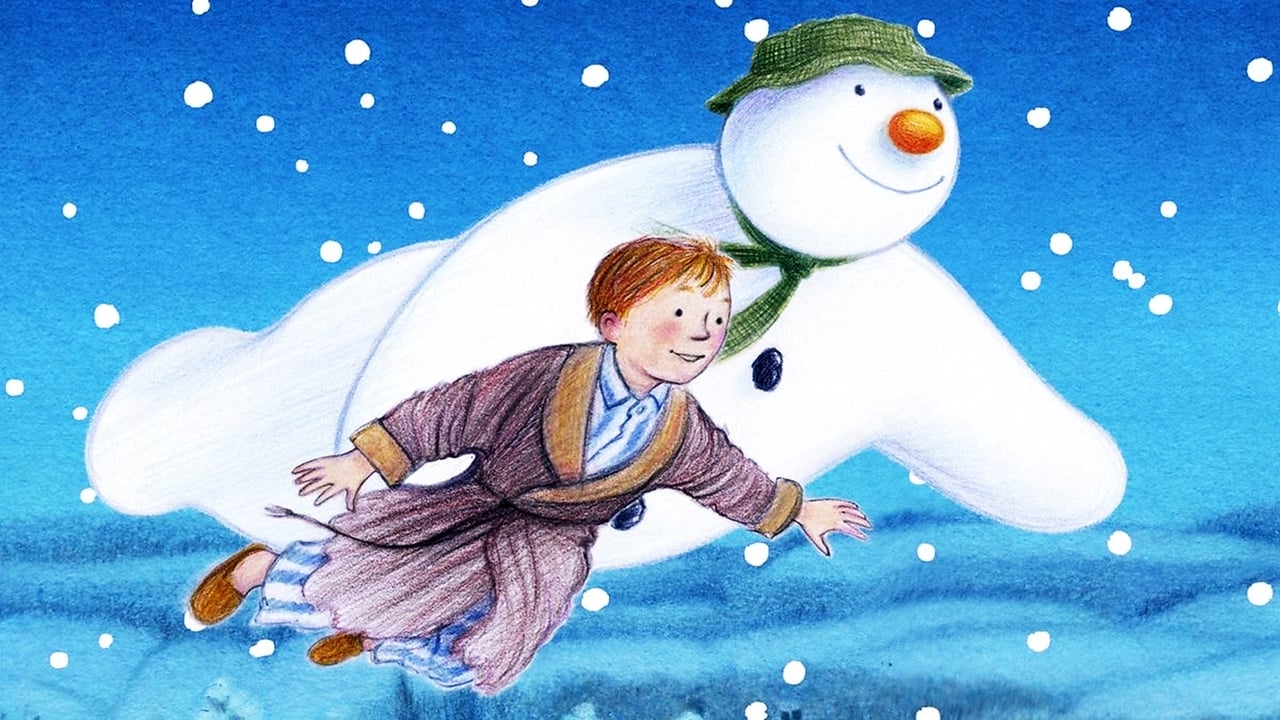
While the flight sequence is pure magic, The Snowman resonates so deeply because it isn't afraid of melancholy. Based closely on Briggs' book (which itself has a slightly more downbeat ending than the film's adaptation often implies), there's an underlying awareness of transience. This magical friendship, born of snow and imagination, is fleeting. The morning sun brings not just a new day, but an inevitable farewell. This touch of poignant reality elevates the film beyond simple festive fluff. It speaks to universal themes: the intensity of childhood friendships, the power of imagination to overcome loneliness, and the bittersweet nature of cherished moments that cannot last forever. It taps into that specific childhood understanding that even the most magical things have an end.
### Retro Fun Facts: Frosty Tidbits
For a short film, The Snowman packs a surprising amount of interesting history.
- It earned an Academy Award nomination for Best Animated Short Film in 1983, a huge achievement for a British TV production.
- The animation process was painstaking, involving thousands of individually coloured cels to replicate Briggs' unique style.
- Many of us remember the introduction featuring David Bowie, added for some television broadcasts and the US home video release. Donning a fetching blue patterned scarf (which he apparently found in the studio's prop cupboard!), Bowie framed the story as a cherished memory, adding another layer of nostalgic warmth for a generation. The original UK intro featured Raymond Briggs himself walking through a snowy field, reminiscent of the book's opening panels. Knowing which intro you saw first often pins down exactly when and where your own Snowman memories began!
- Despite its Christmas association, Briggs has often stated he didn't intend it strictly as a Christmas story, but more broadly about the magic and impermanence of winter and childhood.
### The Enduring Chill
Decades after its debut, long after the VHS tapes have worn thin, The Snowman remains a fixture. Its power lies in its simplicity, its artistry, and its emotional honesty. It doesn’t talk down to children and resonates just as strongly with adults, reminding us of the boundless possibilities of imagination and the quiet beauty of a winter’s night. It captures a feeling – a blend of wonder, joy, and a touch of wistful sadness – that is both timeless and deeply personal. It proved that animation could be poetic, profound, and utterly captivating without uttering a single word.
Rating: 9/10
Justification: The Snowman is a near-perfect piece of animated storytelling. Its unique visual style, masterful use of music (especially Howard Blake's iconic score), and emotionally resonant narrative create an unforgettable experience. While incredibly brief, its impact is profound, capturing a sense of childhood wonder tinged with gentle melancholy that few films achieve. The lack of dialogue is a strength, making it universally accessible and timeless. It only falls short of a perfect 10 perhaps because its brevity leaves you yearning for just a little more time in its magical world, but what it delivers in its short runtime is pure artistry.
For many, it's not just a film; it's a tradition, a memory woven into the fabric of the festive season, proving that sometimes the quietest stories leave the deepest footprints in the snow.