It arrived like a fairy tale whispered on the wind, a VHS tape promising something grander, more resonant than perhaps any animated film before it. Forget simply watching Beauty and the Beast (1991) for the first time; it felt like stepping into a storybook, one painted with breathtaking artistry and sung with a heart full of soaring melodies. This wasn't just another Disney movie; it felt like an event, a moment where animation reached for, and arguably grasped, a new level of cinematic artistry.
### More Than Provincial Life
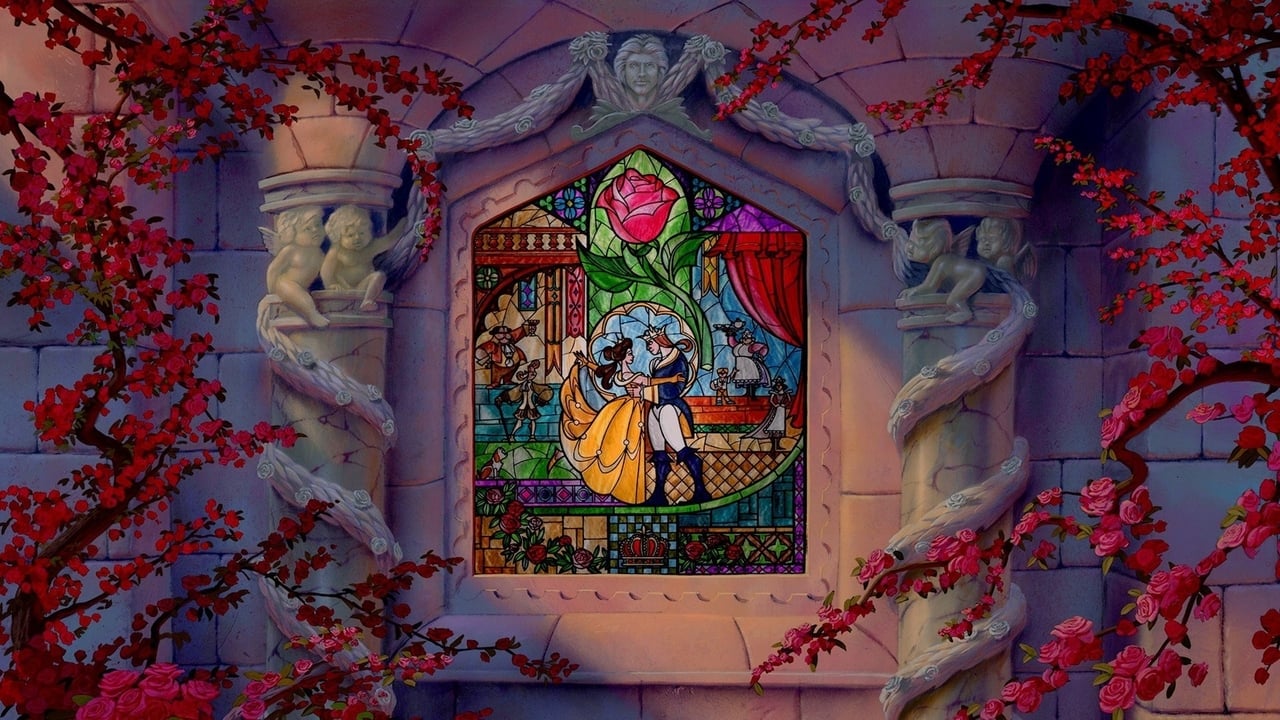
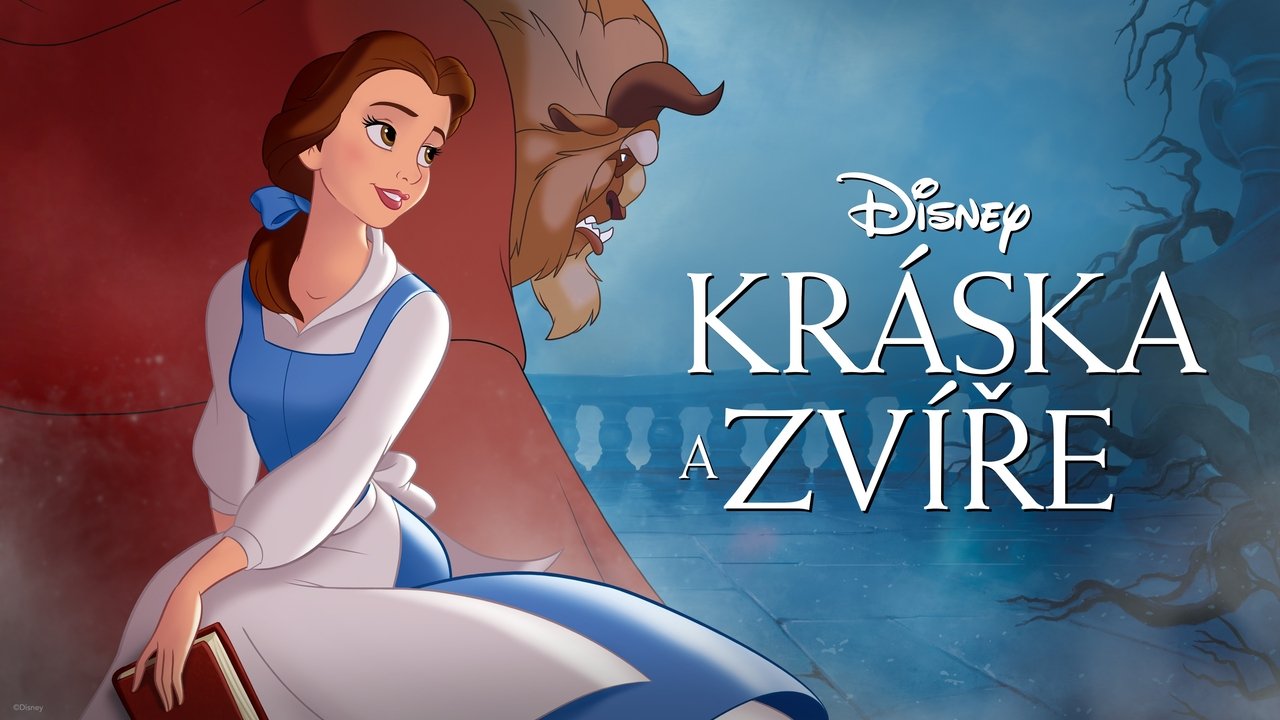
Based on the classic French fairy tale, the story itself feels timeless. Yet, screenwriter Linda Woolverton (who would later pen The Lion King) imbued it with a fresh, modern sensibility, particularly through its heroine. Belle, voiced with warmth and intelligence by Paige O'Hara, wasn't waiting for her prince. She was an avid reader, independent-minded, yearning for adventure beyond her small town, and repulsed by the boorish advances of the local lunkhead, Gaston. How refreshing was that? Belle felt like a real person trapped in extraordinary circumstances, making her instantly relatable, even surrounded by talking furniture. And Gaston, voiced with booming arrogance by Richard White, wasn't just a villain; he was a perfect parody of toxic masculinity, a character both funny and genuinely menacing.
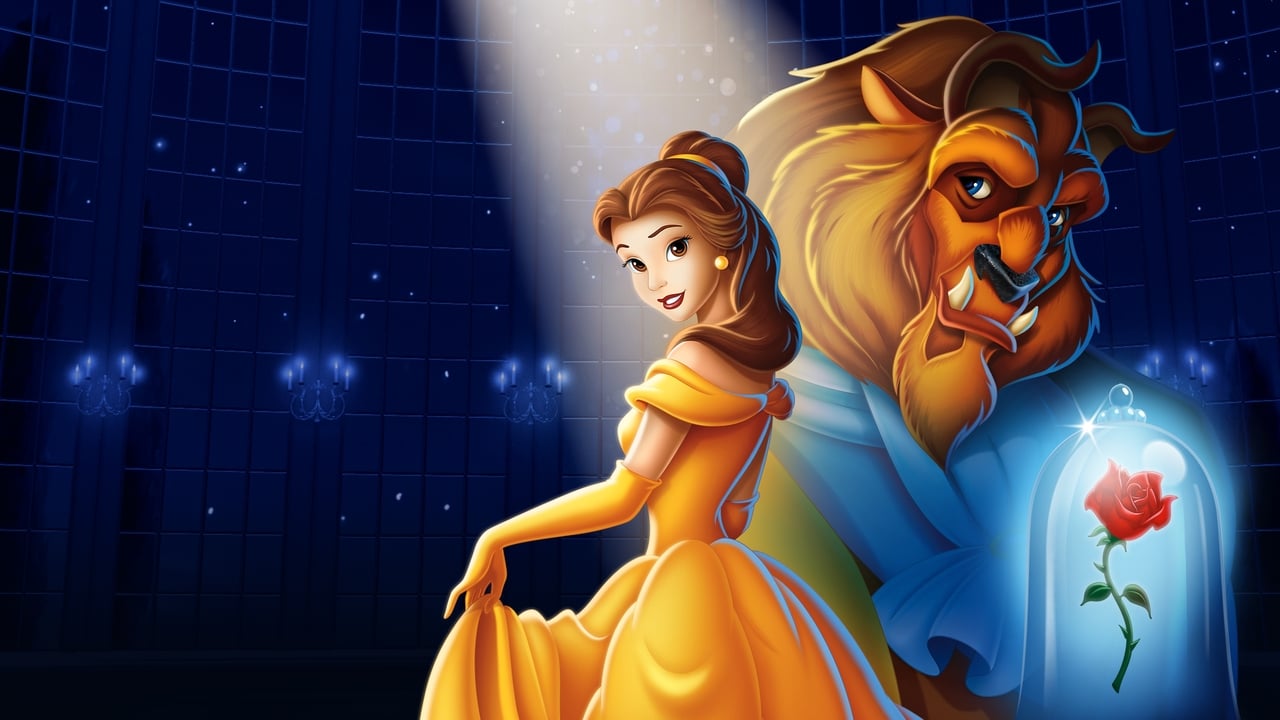
Opposite Belle is the Beast, brought to life by the surprisingly nuanced vocal performance of Robby Benson. It’s a role that demanded raw rage and vulnerability, often in the same breath, and Benson delivered magnificently. His gradual transformation, not just physically but emotionally, forms the core of the film’s powerful message: true beauty lies within. It’s a testament to the writing and direction that this central relationship feels earned, developing through shared moments, arguments, and acts of kindness.
### Animating Emotion, Painting with Light
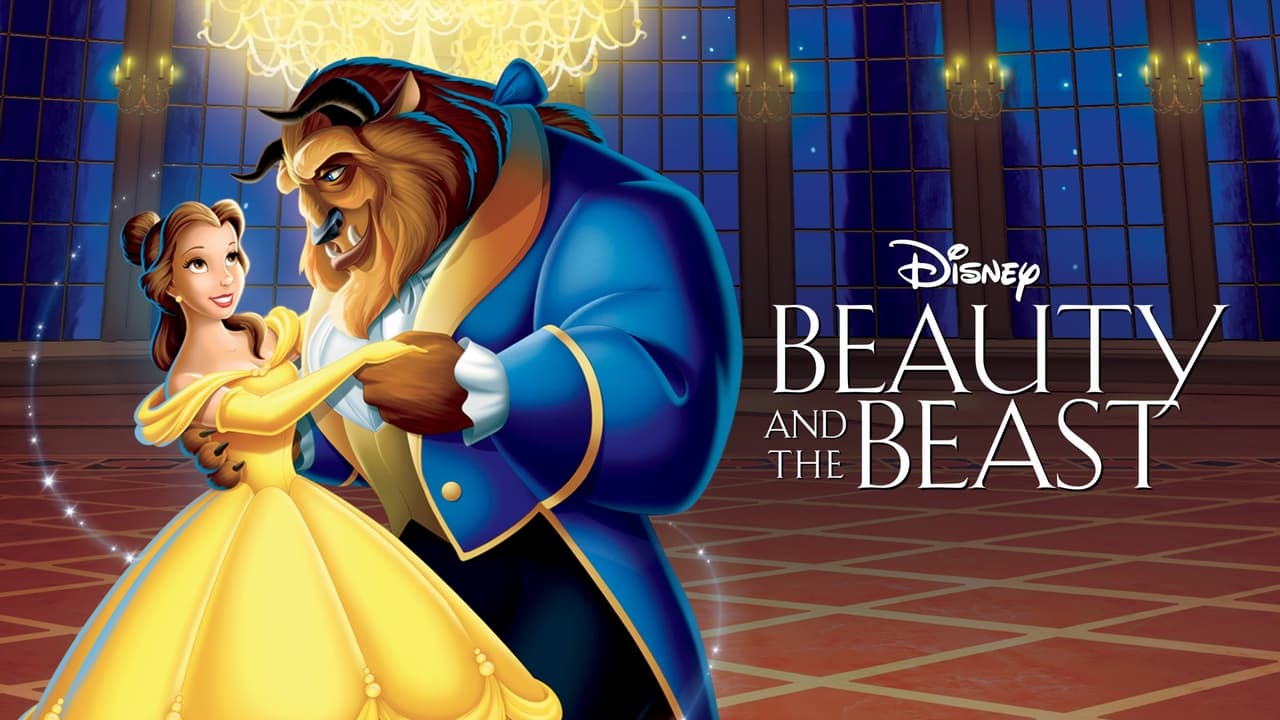
Visually, Beauty and the Beast was, and remains, a masterpiece. Under the direction of newcomers Gary Trousdale and Kirk Wise, the animation pushed boundaries. The character designs are iconic, from Lumière's Gallic charm (voiced by the irreplaceable Jerry Orbach) and Cogsworth's fussy precision (David Ogden Stiers) to Mrs. Potts' maternal warmth (the legendary Angela Lansbury). Each enchanted object bursts with personality, making the castle feel alive. The film skillfully blended traditional hand-drawn animation with burgeoning computer technology. This was famously showcased in the stunning ballroom sequence, where the dynamic, sweeping camera movements, made possible by the CAPS (Computer Animation Production System) developed with a then-fledgling Pixar, gave the scene a sense of scale and romance previously unseen in animation. It felt like pure magic unfolding on screen – I remember rewinding that scene countless times on my VCR, just trying to absorb the sheer elegance of it all.
One fascinating behind-the-scenes tidbit involved the Beast's design. Animator Glen Keane famously drew inspiration from several animals – the mane of a lion, the beard and head structure of a buffalo, the brow of a gorilla, the tusks of a wild boar, the body of a bear, and the legs and tail of a wolf. And those piercing blue eyes? Those were kept human, a constant reminder of the prince trapped within.
### The Music Box of the Heart
You simply cannot talk about Beauty and the Beast without lavishing praise on its music. The legendary duo of composer Alan Menken and lyricist Howard Ashman, fresh off their success with The Little Mermaid, delivered a score for the ages. From the bustling opening number "Belle" to the show-stopping extravagance of "Be Our Guest" and the heart-wrenching title ballad "Beauty and the Beast," every song is a perfectly crafted gem, advancing the plot and deepening character understanding. Ashman, who tragically passed away from AIDS complications before the film's release, served as an executive producer and was deeply influential in the story's development. His insight and lyrical genius infuse the film with incredible emotional depth. The film is rightfully dedicated to his memory. It went on to win Academy Awards for Best Original Score and Best Original Song ("Beauty and the Beast"), a testament to the power of its music.
### A Cinematic Rose That Never Wilts
Beauty and the Beast wasn't just a hit; it was a phenomenon. Produced on a budget of $25 million, it grossed over $425 million worldwide, becoming a cornerstone of the Disney Renaissance. Its impact extended far beyond the box office. In a truly historic moment, it became the first animated feature film ever nominated for the Academy Award for Best Picture, competing against live-action heavyweights. While it didn't win the top prize, the nomination itself was a monumental achievement, validating animation as a powerful storytelling medium capable of profound artistry and emotional resonance. Its success paved the way for a hit Broadway musical adaptation (which ran for 13 years!), numerous home video releases (that well-worn VHS copy!), and eventually, a live-action remake in 2017, proving the story's enduring appeal across generations.
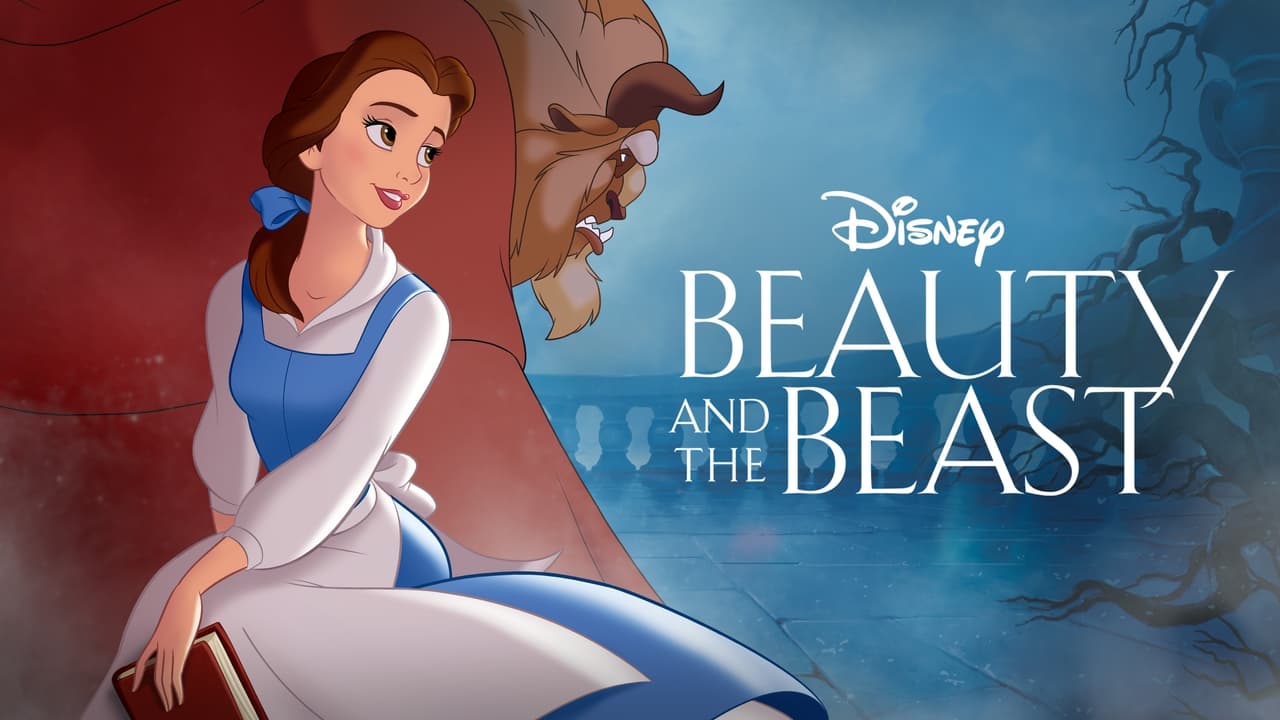
Even decades later, watching it evokes that same sense of wonder. The animation holds up beautifully, the characters remain endearing, and the music continues to stir the soul. It’s a film that understood the power of fairy tales – not just as escapism, but as vehicles for exploring complex human emotions like love, sacrifice, prejudice, and redemption. It treated its audience, young and old, with intelligence and respect.
Rating: 10/10
This film earns a perfect score not just for its technical brilliance, unforgettable music, and compelling characters, but for its sheer heart. It achieved a rare alchemy, blending artistry, emotion, and storytelling into something truly timeless. It wasn't just a great animated movie; it was, and remains, great cinema, full stop. Popping this into the VCR wasn't just watching a movie; it was revisiting a place where magic felt undeniably real, even on a flickering CRT screen.