Okay, slide that tape into the VCR, press play, and ignore the slightly fuzzy tracking lines for a minute. We're heading back to Sherman Oaks, California, circa 1982, for a film that felt less like a movie and more like eavesdropping on actual high school life: Amy Heckerling's Fast Times at Ridgemont High. This wasn't just another teen flick; it was a cultural snapshot delivered with surprising honesty, cringe-worthy relatability, and one unforgettable stoner philosopher. Popping this tape in back in the day felt almost illicit, like we were getting away with seeing something real.
### More Than Just Pizza and Parties
Right off the bat, Fast Times hits differently. Forget the squeaky-clean Gidget reruns; this felt grounded, awkward, and refreshingly frank. Based on the undercover journalism of Cameron Crowe (who famously returned to high school posing as a student for his book), the film weaves together the lives of several teenagers navigating classes, crushes, crap jobs, and the confusing, often messy, path to adulthood. Remember how authentic those mall scenes felt? That’s because much of it was shot at the Sherman Oaks Galleria, a real hub of teen life at the time, lending the film an almost documentary-like vibe that separated it from more stylized high school pictures. That food court wasn't just a set; it felt like our food court.
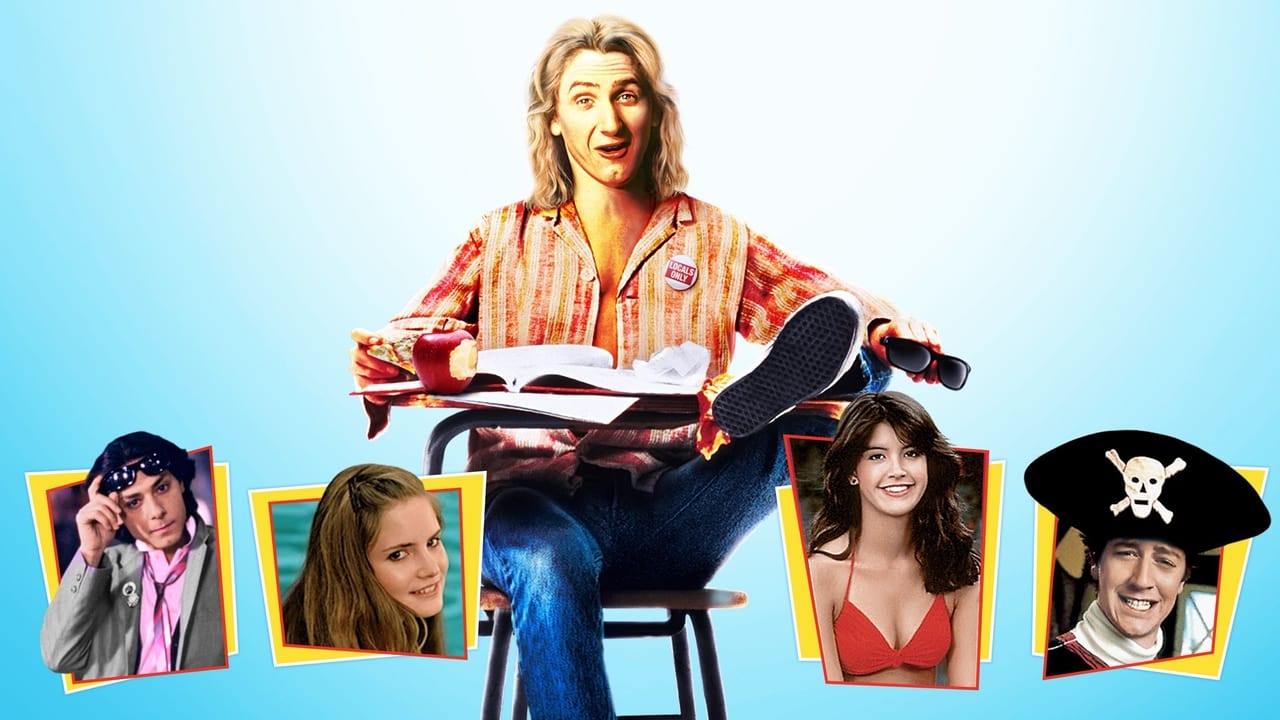
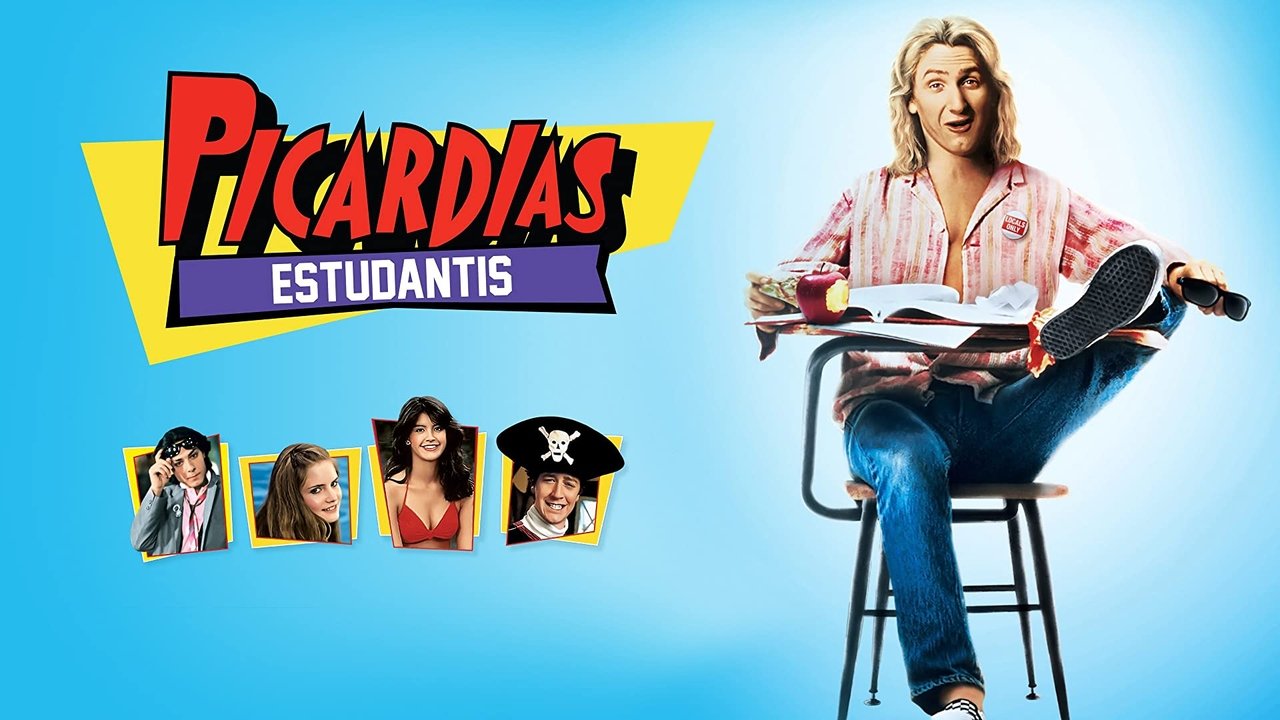
Amy Heckerling, in her directorial debut (before giving us another 80s gem, Look Who's Talking), managed something remarkable: balancing the laugh-out-loud comedy, primarily embodied by Sean Penn’s instantly iconic Jeff Spicoli, with genuinely serious dramatic threads. Penn, by the way, reportedly refused to break character at all during filming, insisting everyone call him Spicoli and barely interacting with the other cast members off-set to maintain that hazy, detached persona. It clearly worked – Spicoli became a cultural touchstone, the ultimate surfer dude whose laid-back pronouncements ("All I need are some tasty waves, a cool buzz, and I'm fine") masked a certain clueless charm. It's hard to imagine anyone else in the role, but the fact that Penn committed that hard speaks volumes about the energy on set.
### Navigating the Awkward Years
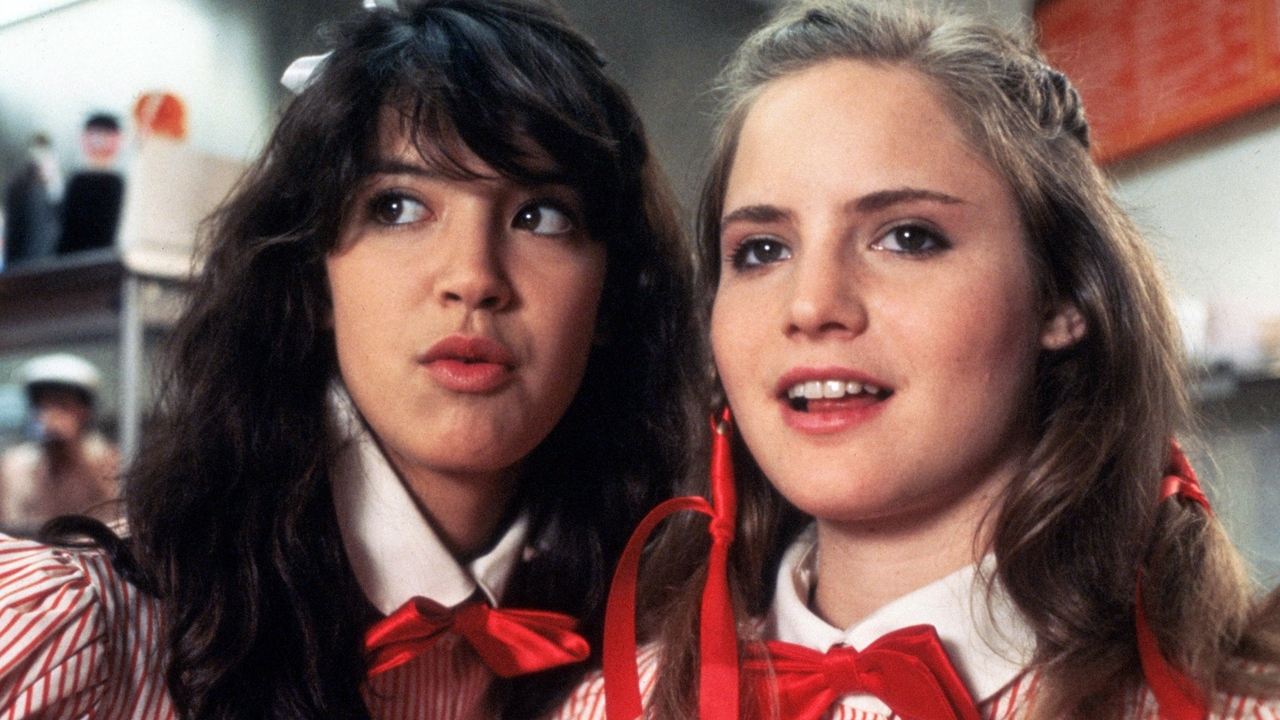
But Fast Times isn't just the Spicoli show. The ensemble cast is packed with faces who would become fixtures of 80s and 90s cinema. Jennifer Jason Leigh as Stacy Hamilton delivers a nuanced and vulnerable performance, navigating the confusing and often harsh realities of teenage sexuality. Her storyline, particularly the abortion subplot, was incredibly bold for a mainstream teen comedy in 1982. Universal Pictures was reportedly nervous about it, but its inclusion gives the film a weight and honesty that resonates even today. It wasn’t just about punchlines; it tackled consequences.
Then there's Judge Reinhold as Brad Hamilton, Stacy's older brother, the seemingly put-together senior whose disastrous fantasy sequence involving Phoebe Cates (in that red bikini scene – a moment forever burned into the collective VHS-era memory) and subsequent fast-food job humiliation captures the crushing disappointments that often accompany adolescence. Fun fact: Nicolas Cage apparently auditioned multiple times for Brad but didn't land it (though he did nab a small role as 'Brad's Bud'). It's wild to think how different the film might have felt! We also get early glimpses of future stars like Forest Whitaker as the intimidating football star Charles Jefferson and even Eric Stoltz as one of Spicoli's stoner pals.

### The Sound and Feel of '82
You can't talk about Fast Times without mentioning the soundtrack. It’s pure early 80s gold, a time capsule featuring Jackson Browne, The Go-Go's, Stevie Nicks, and, of course, The Cars. The music isn't just background noise; it is the atmosphere, perfectly complementing the cruising scenes, the awkward parties, and the general vibe of suburban teen life. It felt current, cool, and absolutely essential – like the mixtape someone made just for this movie.
Compared to slicker, more formulaic teen movies that came later, Fast Times retains a certain rawness. The dialogue, often lifted directly from Crowe's observations, feels naturalistic, capturing the ums, ahs, and genuine awkwardness of teenage conversation. There are no grand, orchestrated moments of triumph, just small victories and messy defeats. The "action" here isn't explosions, but the emotional currents – the sting of rejection, the thrill of a first kiss, the anxiety of fitting in, the sheer absurdity of dealing with teachers like Mr. Hand (Ray Walston, perfect). It captured a feeling, a specific moment in time, before cell phones and the internet changed the landscape entirely.
### Still Cruising After All These Years?
So, does Fast Times at Ridgemont High hold up after countless rewinds and the shift from fuzzy CRT screens to HD? Absolutely. While some elements are undeniably dated (the fashion! the slang!), its core honesty about the teenage experience – the good, the bad, and the deeply embarrassing – remains timeless. Heckerling and Crowe created something more than just a comedy; they crafted an empathetic, funny, and sometimes uncomfortable look at growing up that resonated deeply then and still packs a punch now. It treated its characters, even the ridiculous ones, with a certain respect.
Rating: 9/10
This score reflects its groundbreaking honesty for a teen film of its era, the iconic performances (especially Penn's), Heckerling's assured direction, its killer soundtrack, and its enduring status as a cultural touchstone. It captured the messy truth of adolescence in a way few films had before, earning its place high on the shelf in VHS Heaven.
Final Thought: For a film ostensibly about "fast times," it sure knew how to slow down and capture the genuine, awkward heartbeat of being young in the early 80s – a fuzzy, funny, and surprisingly poignant transmission from a bygone era.