It arrived on the video store shelves wrapped in neon promise and a sly grin. You might have picked up the Risky Business VHS expecting a standard teen romp, maybe another slice of Reagan-era suburban rebellion lite. But what director Paul Brickman delivered in 1983 was something far more potent: a slick, stylish, and surprisingly dark fable about ambition, anxiety, and the seductive allure of capitalism, all set to one of the decade’s most iconic synth scores. This wasn't just a party; it was a mood.
### Beyond the Button-Down
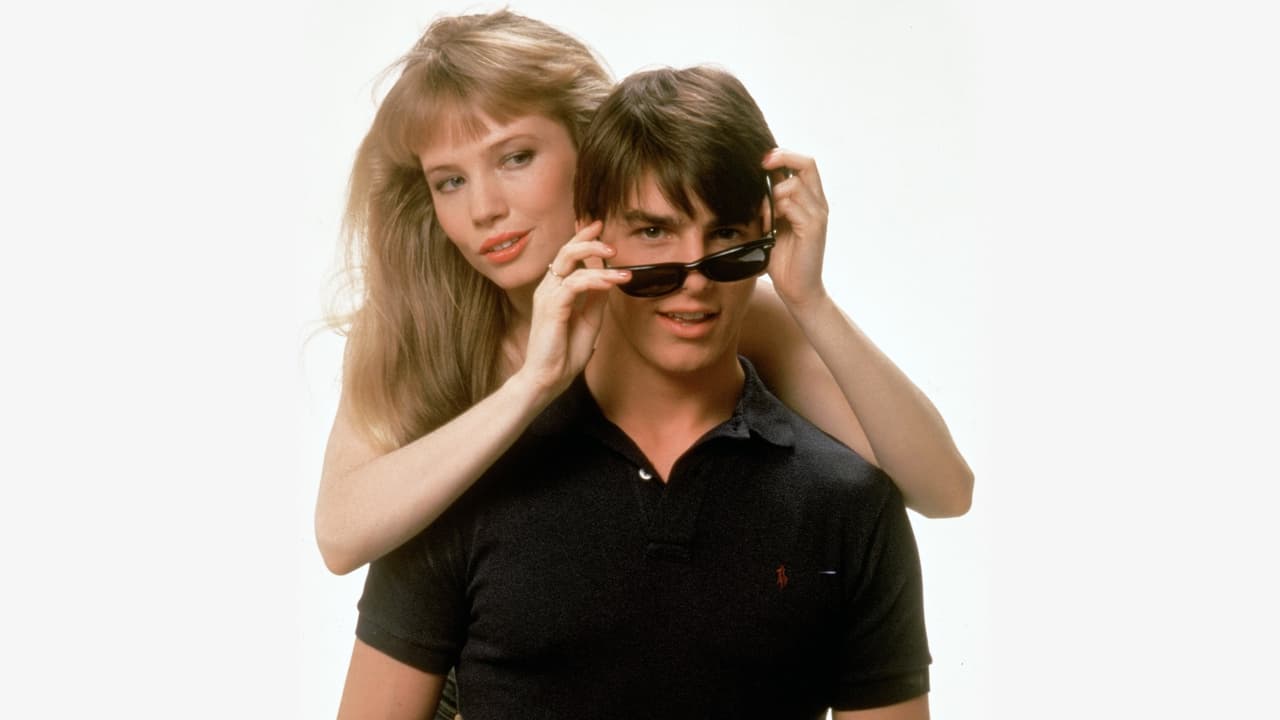
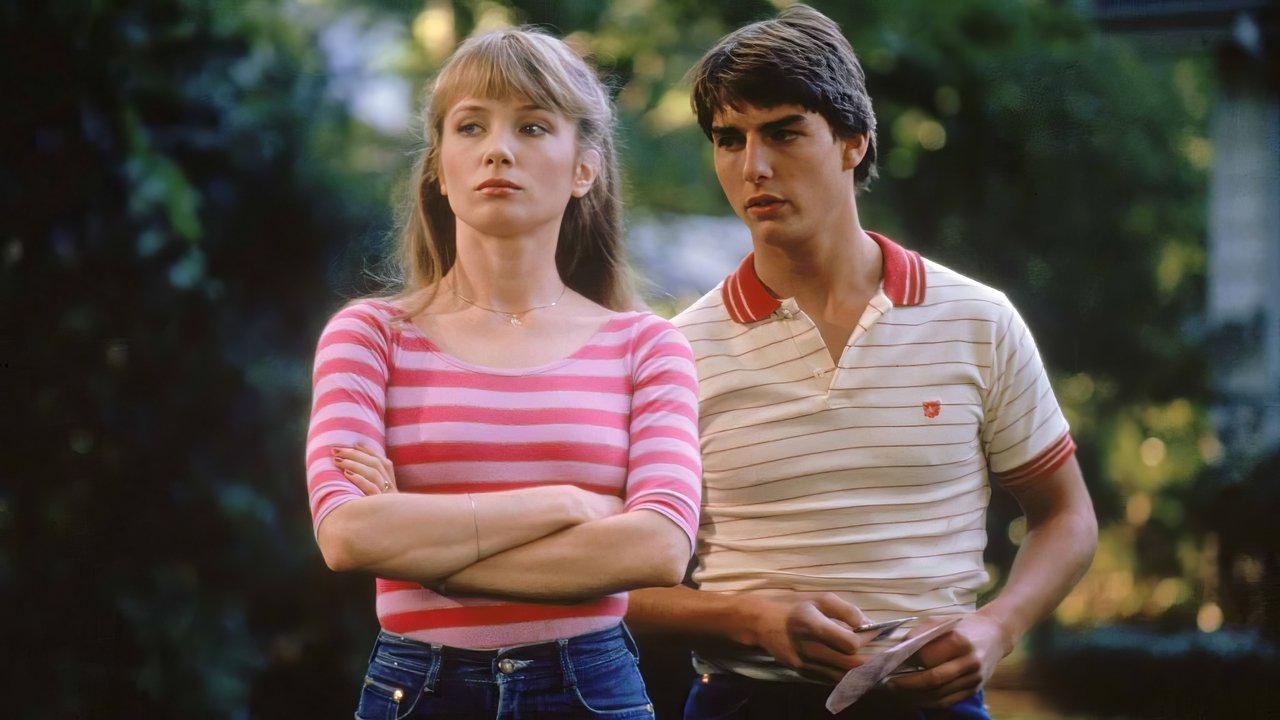
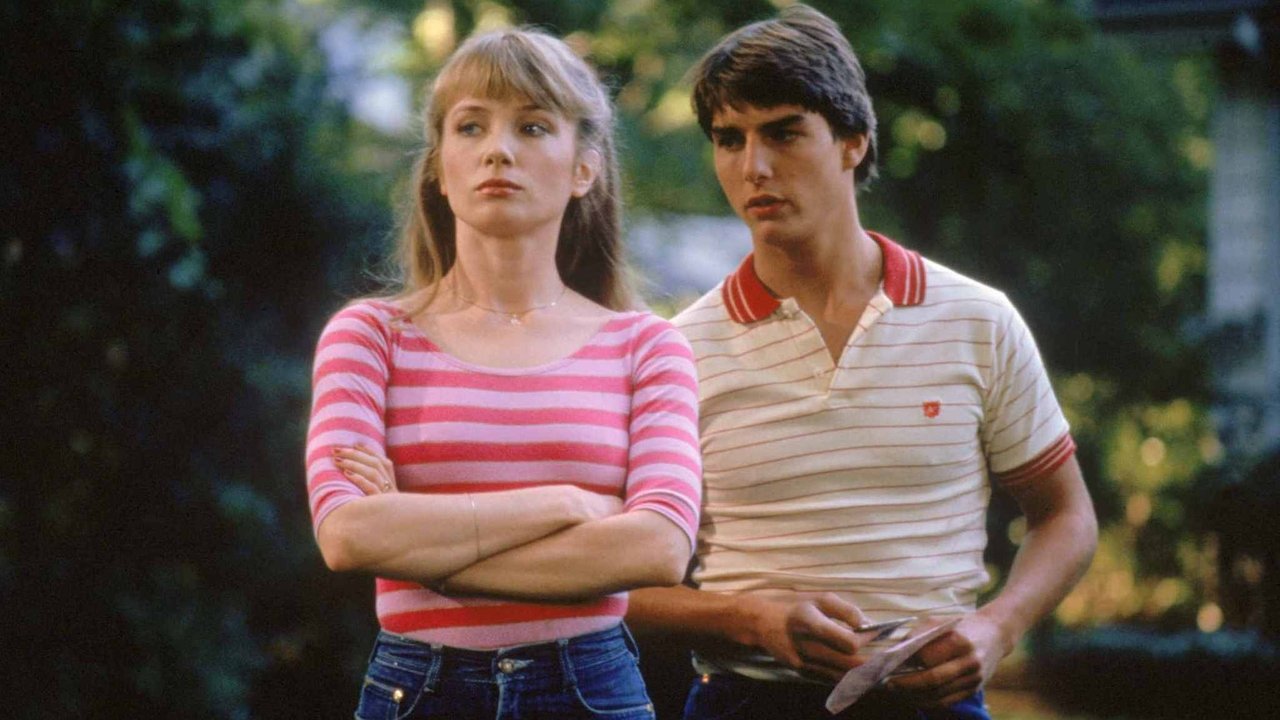
At its heart, Risky Business is the story of Joel Goodsen (Tom Cruise), an affluent North Shore Chicago teen suffocating under the weight of parental expectations and Ivy League aspirations. When Mom and Dad head out of town, leaving Joel with the keys to the kingdom (and the Porsche 928), the initial plan is simple: study hard, stay out of trouble. Yeah, right. What unfolds is a deliriously escalating series of questionable decisions, starting with a call to the "understanding" Lana (Rebecca De Mornay) and spiraling into dealings with her menacingly smooth pimp, Guido (Joe Pantoliano).
It’s easy to forget, given the sheer magnitude of his later superstardom, just how electrifying Tom Cruise was here. This wasn't just acting; it was the arrival of a bona fide movie star. He imbues Joel with a jittery energy, a believable mix of naivete and burgeoning cunning. And that scene? The legendary slide across the hardwood floor in his tighty-whities (well, briefs) and pink button-down to Bob Seger's "Old Time Rock and Roll"? Pure cinematic lightning. What many don't know is that much of that iconic sequence was famously ad-libbed by Cruise himself on a strategically polished section of the set floor. He just felt it, and Brickman wisely kept the cameras rolling. It’s a moment of pure, unadulterated adolescent freedom before the consequences come crashing down.
### Sultry Style and Synth Dreams
Paul Brickman, who also penned the sharp script, directs with an astonishingly assured hand for a debut feature. He crafts a film that feels both immediate and dreamlike. The cinematography often bathes scenes in cool blues and neon glows, reflecting Joel's internal state – shifting from anxious anticipation to outright panic. This isn't the brightly lit world of Ferris Bueller's Day Off (1986); it's moodier, more evocative, hinting at the compromises lurking beneath the surface.
And then there's the music. Oh, that score by German electronic pioneers Tangerine Dream. It’s not just background noise; it's the film's pulse. Those hypnotic, shimmering synth lines perfectly capture the late-night atmosphere, the sense of transgression, and the seductive danger Joel finds himself wading into. Think about the tension built during the terrifyingly silent approach of Guido's car, punctuated only by that unnerving score. Or the masterful use of Phil Collins' "In the Air Tonight" during Joel and Lana's evocative train ride – a moment dripping with atmosphere and suggestion. This soundtrack wasn’t just popular; it defined the film's sophisticated, slightly detached cool.
### More Than Just Underwear and Wayfarers
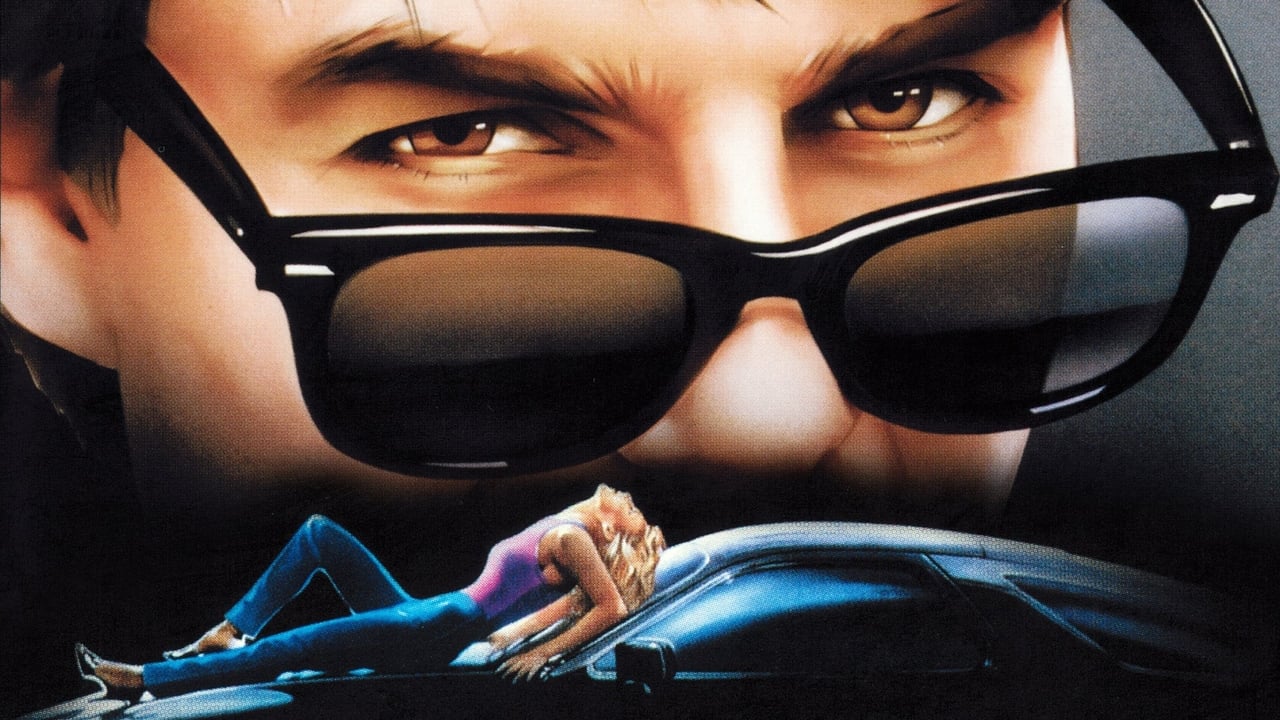
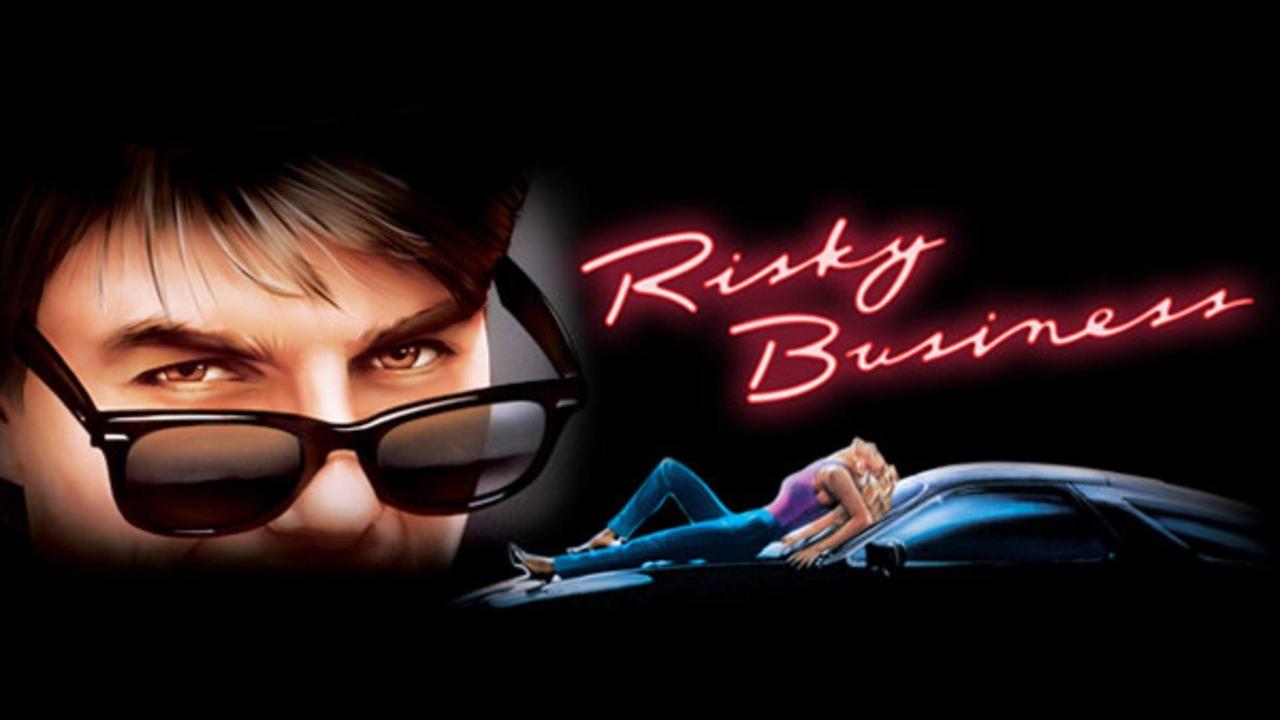
While the film delivered iconic moments and boosted Ray-Ban Wayfarer sales exponentially (a classic example of movie product placement paying off big time), it’s doing Risky Business a disservice to remember it solely for the surface gloss. Rebecca De Mornay is captivating as Lana, projecting an intelligence and weariness that elevates her beyond a simple plot device. Joe Pantoliano, as Guido "the Killer Pimp" (a nickname that definitely wouldn't fly today, but felt darkly comic then), is unforgettable – charming one minute, genuinely threatening the next.
Beneath the style, Brickman smuggled in a surprisingly sharp critique of the era's burgeoning obsession with wealth and status. Joel’s journey isn't just about getting laid or throwing a party; it's about navigating the treacherous waters of American enterprise, learning that success often requires uncomfortable compromises. Remember that final, ambiguous shot of Joel and Lana? Brickman famously fought tooth-and-nail with the studio, who wanted a tidier, happier ending typical of the teen genre. While the released version is something of a compromise compared to his originally intended, darker finale, it thankfully retains a crucial layer of uncertainty about Joel’s future and the price of his newfound "success." Did he learn the wrong lesson? The film leaves you pondering that, long after the credits roll and the Tangerine Dream fades.
Interestingly, securing the iconic Porsche 928 wasn't straightforward. Porsche was reportedly hesitant due to the plot involving prostitution and the car ending up in Lake Michigan (don't worry, they likely used a shell for the sinking scene!). Eventually, several cars were sourced for filming what became one of cinema's most memorable automotive sequences – pure, chaotic wish fulfillment turning into a nightmare.
### The Verdict
Watching Risky Business today is like unearthing a time capsule that still feels remarkably fresh. Its blend of stylish visuals, a killer soundtrack, Tom Cruise's star-making charisma, and its surprisingly thoughtful undercurrents make it far more than just another 80s teen movie. It captured a specific moment – the anxieties and ambitions of upwardly mobile youth – with a unique, moody flair that few films of its kind ever matched. It wasn't just a hit ($63 million domestic off a $6.2 million budget is serious business indeed); it was a cultural moment.
Rating: 9/10
Justification: Risky Business earns its high marks for its exceptional style, a career-defining performance from Tom Cruise, Paul Brickman's confident direction, Tangerine Dream's iconic score, and its willingness to explore darker themes within a seemingly glossy package. It transcends its genre trappings to become a genuinely compelling and artful piece of 80s filmmaking.
Final Thought: Forget the sequels and imitators; popping this tape in reminds you that sometimes, the most memorable nights (and movies) start with a little bit of calculated risk. It's still cool, still sharp, and still feels dangerous in all the right ways.