It arrives like a half-remembered tune drifting from a scratchy 78 rpm record – Woody Allen's Sweet and Lowdown (1999). It’s presented almost as a documentary, a loving excavation of a supposed lost legend of 1930s jazz guitar, Emmet Ray. Yet, Emmet never existed. This central conceit, the creation of a fictional great discussed by real jazz historians like Nat Hentoff, immediately sets a curious, playful, yet ultimately poignant tone. What lingers long after the credits, however, isn't just the clever framework, but the haunting portrait of a man simultaneously touched by genius and crippled by his own profound flaws.
### The Myth and the Man
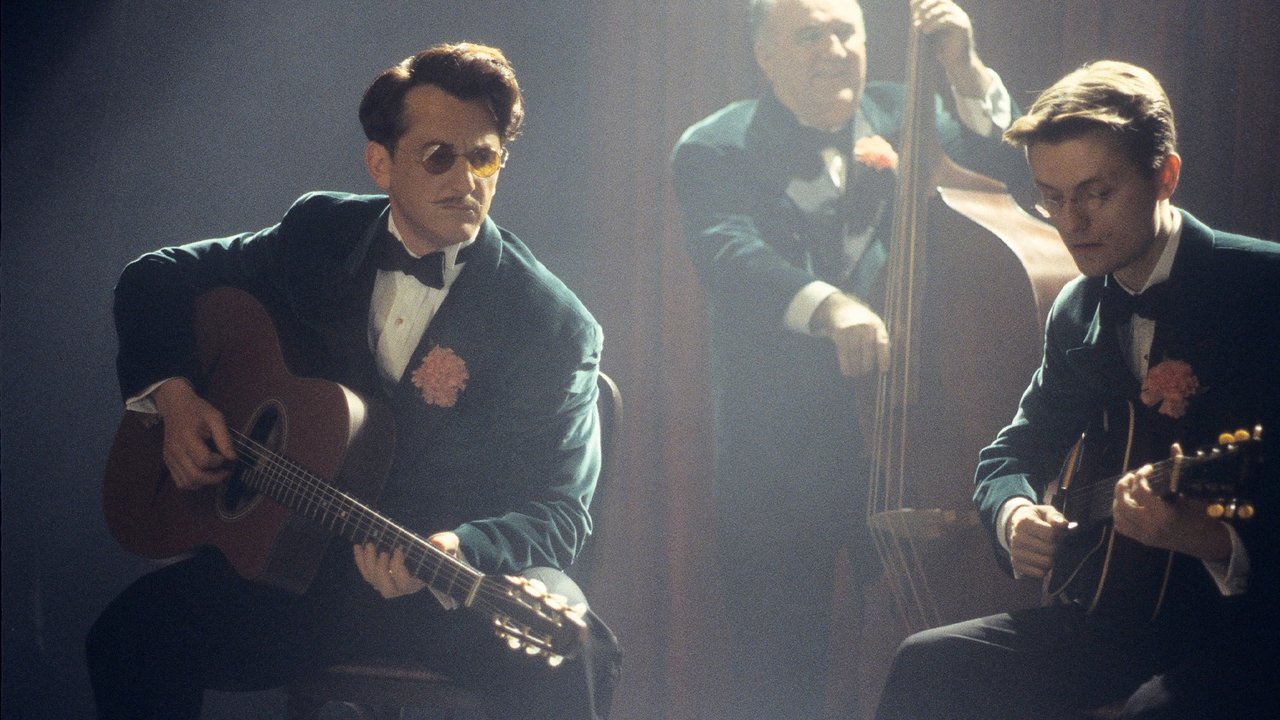
We're introduced to Emmet Ray, purportedly the second-greatest jazz guitarist in the world (always, frustratingly, behind the mythical Django Reinhardt), played with astonishing commitment by Sean Penn. Penn doesn't just mimic a musician; he embodies a walking contradiction. Emmet is capable of producing achingly beautiful music, melodies that seem to float effortlessly from his guitar, yet he's also a braggart, a petty thief, insecure, occasionally cruel, and oddly obsessed with seemingly trivial things like watching trains or shooting rats at the local dump. It’s a performance layered with nervous energy and a vulnerability that peeks through the bravado. Penn reportedly spent nearly a year learning the chord changes and fingerings to convincingly portray Emmet's playing, coached by the brilliant Howard Alden (who actually supplied the sublime guitar work we hear). That dedication translates into a physical performance that feels utterly authentic, even when Emmet himself is anything but.
### Sound and Silence
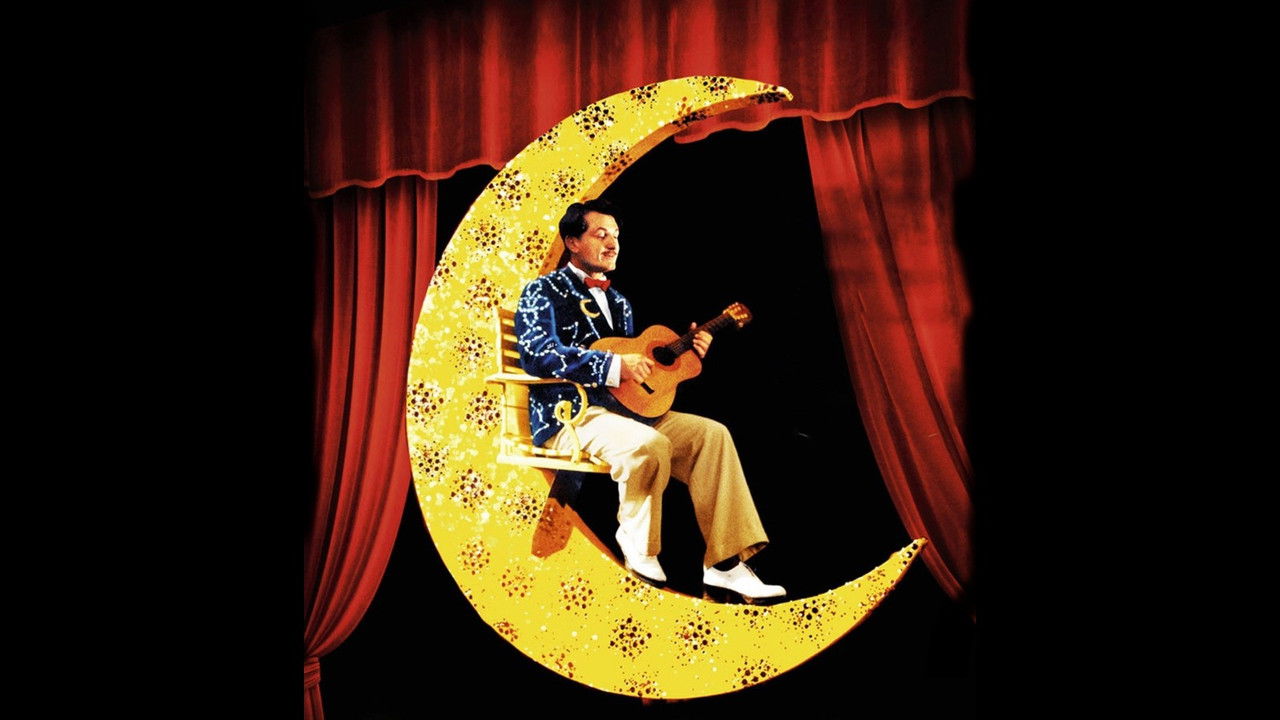
The film truly finds its emotional core, however, not in Emmet's loud pronouncements, but in the quiet presence of Hattie, the mute laundress he takes up with. Samantha Morton delivers a performance of breathtaking subtlety and grace. Without a single word, she conveys oceans of feeling – adoration, patience, quiet disappointment, and ultimately, a strength that Emmet, for all his bluster, tragically lacks. Her scenes with Penn are mesmerizing; Hattie’s silent understanding often speaks volumes more than Emmet’s rambling insecurities. It’s no surprise Morton earned an Academy Award nomination for Best Supporting Actress for this role, a remarkable achievement for a character denied speech. It forces us, as viewers, to pay closer attention, to read the nuances in a glance or a gesture. Doesn't this profound connection, forged beyond words, say something powerful about communication itself? Later, Uma Thurman, radiating sophisticated allure as the restless socialite Blanche, offers a stark contrast – articulate, worldly, yet perhaps ultimately less attuned to Emmet's fragile soul than the unassuming Hattie.
### An Allen Variation
By 1999, Woody Allen, already decades into his prolific career, was exploring different narrative structures. Following works like the gangster-era backstage comedy Bullets Over Broadway (1994), Sweet and Lowdown feels like another affectionate dive into a bygone era, specifically the smoky jazz clubs and Depression-era landscapes of the 1930s. The mockumentary framing, while perhaps not fully exploited, serves beautifully to underscore the themes of mythmaking and the unreliable nature of memory, especially when dealing with artistic figures. Allen originally conceived the story much earlier, even considering playing Emmet himself, but casting Penn proved a masterstroke. The dialogue has Allen's characteristic wit, but it's often tinged with a melancholy that reflects Emmet's own troubled spirit. Cinematographer Zhao Fei, known for visually stunning films like Raise the Red Lantern, captures the period details with a warm, slightly nostalgic glow, perfectly complementing the gorgeous jazz soundtrack.
### The Artist's Burden
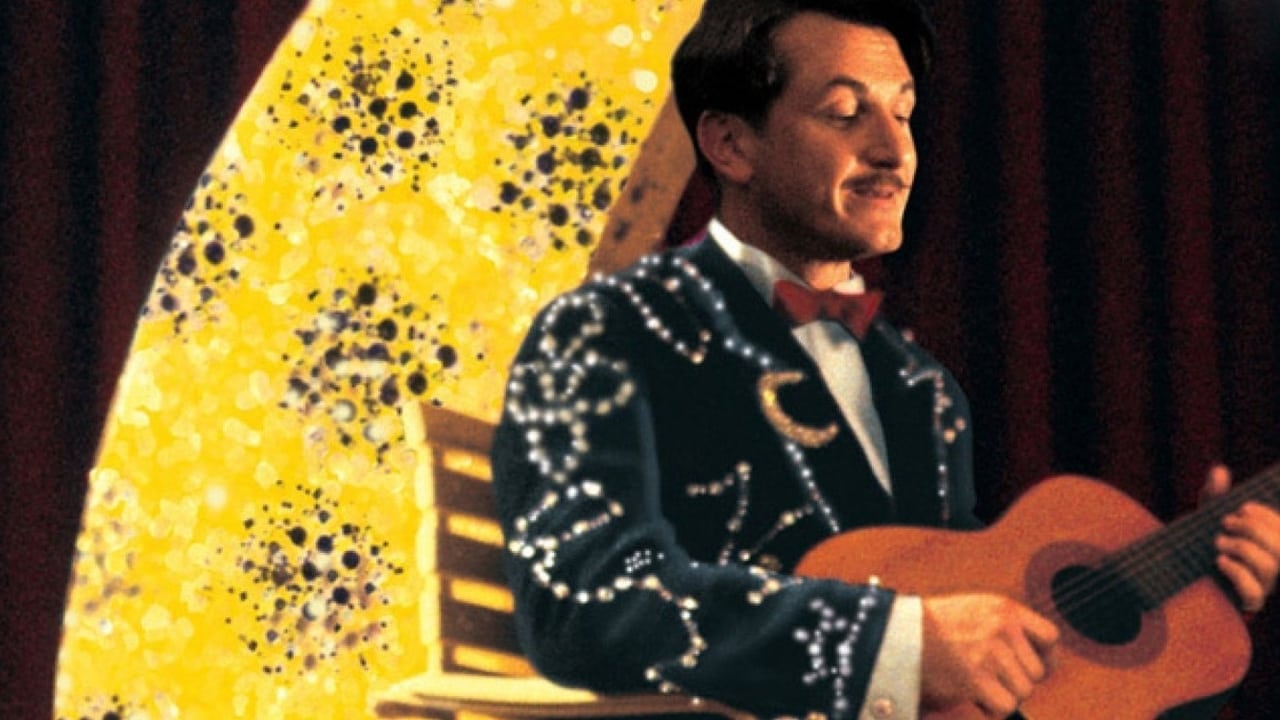
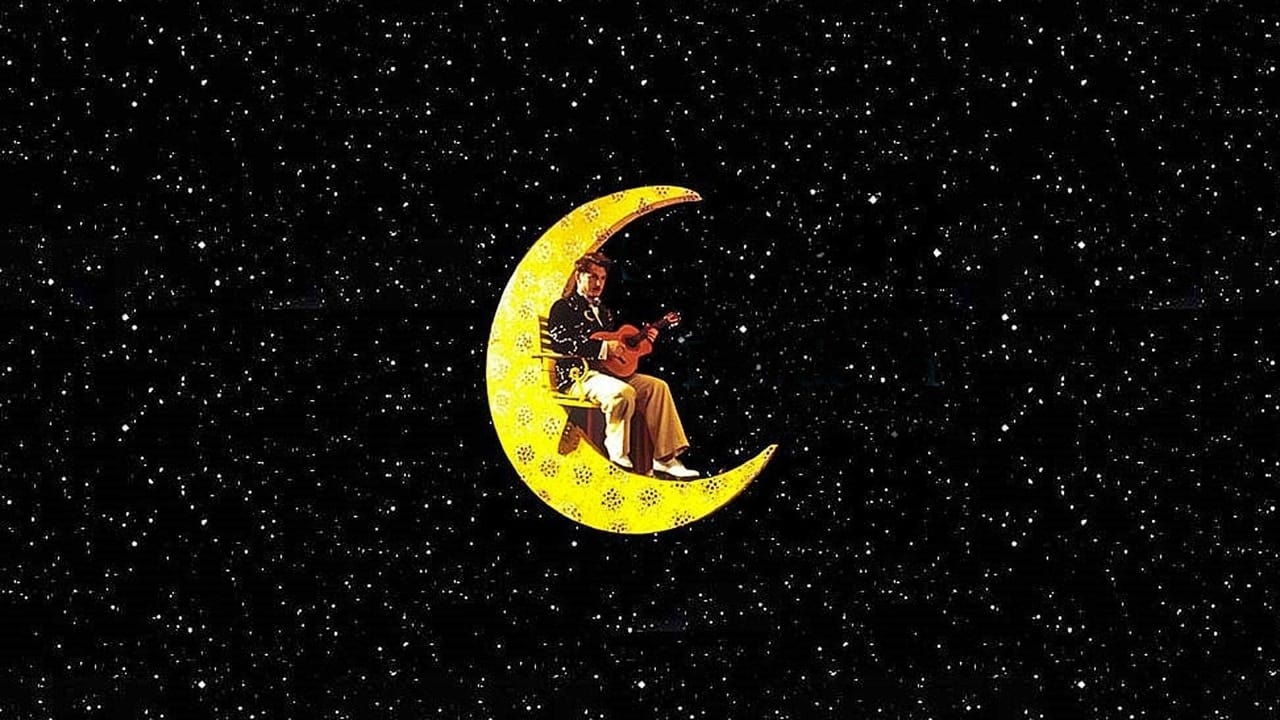
What truly resonates is the film's exploration of the complex relationship between artistry and personality. Can profound artistic gifts coexist with profound personal failings? Emmet Ray is brilliant but deeply damaged. His obsession with Django Reinhardt isn't just admiration; it's a crippling awareness of his own perceived inadequacy, leading him to faint whenever he encounters his idol. His moments of tenderness are often followed by acts of baffling callousness. The film doesn't offer easy answers, presenting Emmet warts and all, leaving us to grapple with the enigma. It asks us to consider how we remember artists – do we separate the art from the individual, or are they inextricably linked? This film, with its relatively modest budget (around $16 million) and niche appeal (grossing just over $4 million), felt like a discovery back in the day, perhaps rented from the "Indie" section of the video store – a far cry from the blockbusters dominating the shelves, but offering a richer, more complex flavor.
### Final Chord

Sweet and Lowdown isn't Allen's funniest film, nor perhaps his most profound, but it possesses a unique charm and emotional depth, anchored by two extraordinary central performances. Penn fully inhabits the frustrating, fascinating Emmet Ray, while Morton's silent Hattie breaks your heart with her quiet resilience. It’s a film that lingers like a haunting melody, a bittersweet character study wrapped in an affectionate tribute to the jazz age and the flawed mortals who create transcendent art.
Rating: 8/10 - The score is earned primarily through the sheer brilliance of Sean Penn's and Samantha Morton's performances, which elevate the material significantly. Allen's unique concept, the evocative period detail, and the sublime music contribute to a film that feels both specific and universally resonant in its exploration of artistic temperament. While the mockumentary frame could arguably be stronger, the core character study is deeply affecting.
It leaves you pondering the nature of genius and the often-unseen sacrifices made by those closest to it. What becomes of the Hatties of the world, left in the wake of brilliant but broken Emmets? That question echoes long after the music fades.