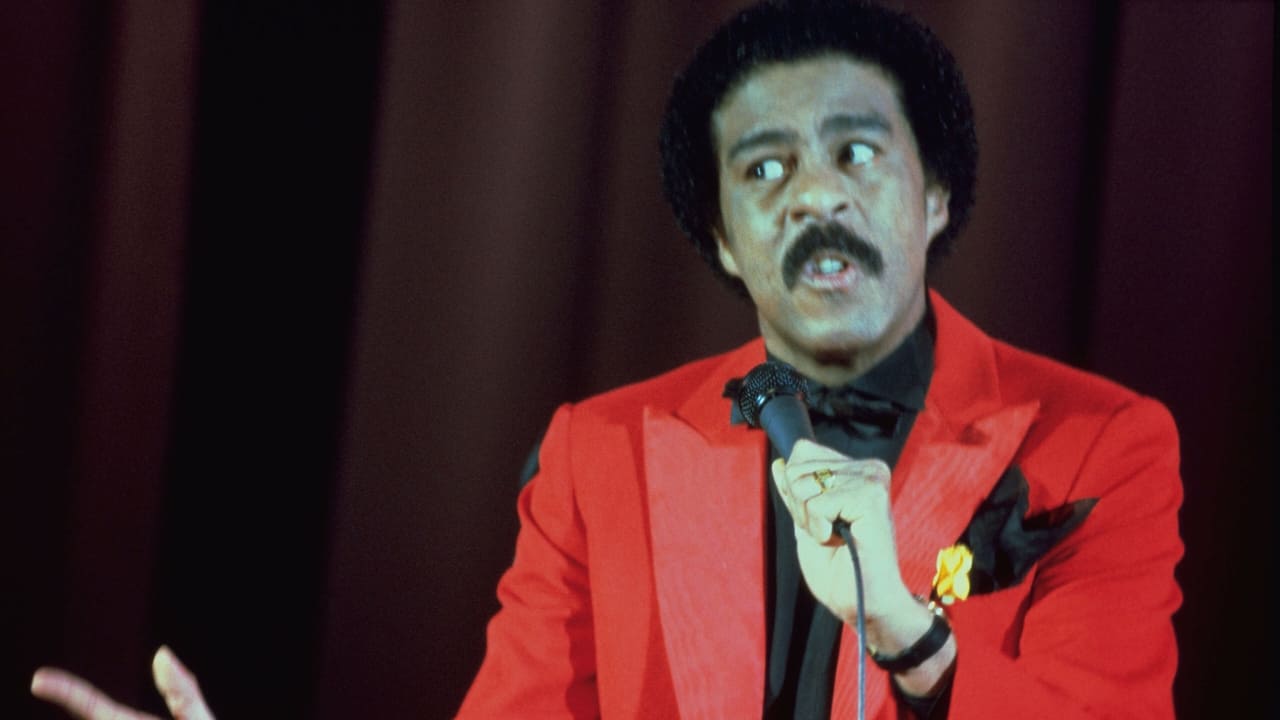
Okay, rewind the tape. It’s 1982. The hum of the VCR is the soundtrack to your Friday night. You slot in a cassette, maybe one you had to hunt down at the local video store because everyone was talking about it. The tracking adjusts, the familiar fuzz clears slightly, and there he is: Richard Pryor, bathed in stage light, radiating an energy that feels both dangerous and deeply human. Richard Pryor: Live on the Sunset Strip wasn't just another comedy special; it was an event, a resurrection captured on magnetic tape, and watching it felt like witnessing lightning in a bottle.
### More Than Laughs: A Phoenix from the Flames
Let’s not beat around the bush. This performance was filmed just over a year after Richard Pryor nearly burned himself to death in a horrific freebasing incident. That shadow hangs heavy, but instead of avoiding it, Pryor walks right into the fire – metaphorically this time. The anticipation before this special dropped was immense. Could he still do it? What would he say? This wasn't just comedy; it was public therapy, raw confession, and defiant survival all rolled into one electrifying performance. Seeing him stride onto the stage at the Hollywood Palladium (yes, despite the title, it wasn't actually on the Strip – a classic bit of showbiz flair!) felt like a genuine miracle. This "retro fun fact" isn't just trivia; it's the emotional core of the film.
### The Master at Work
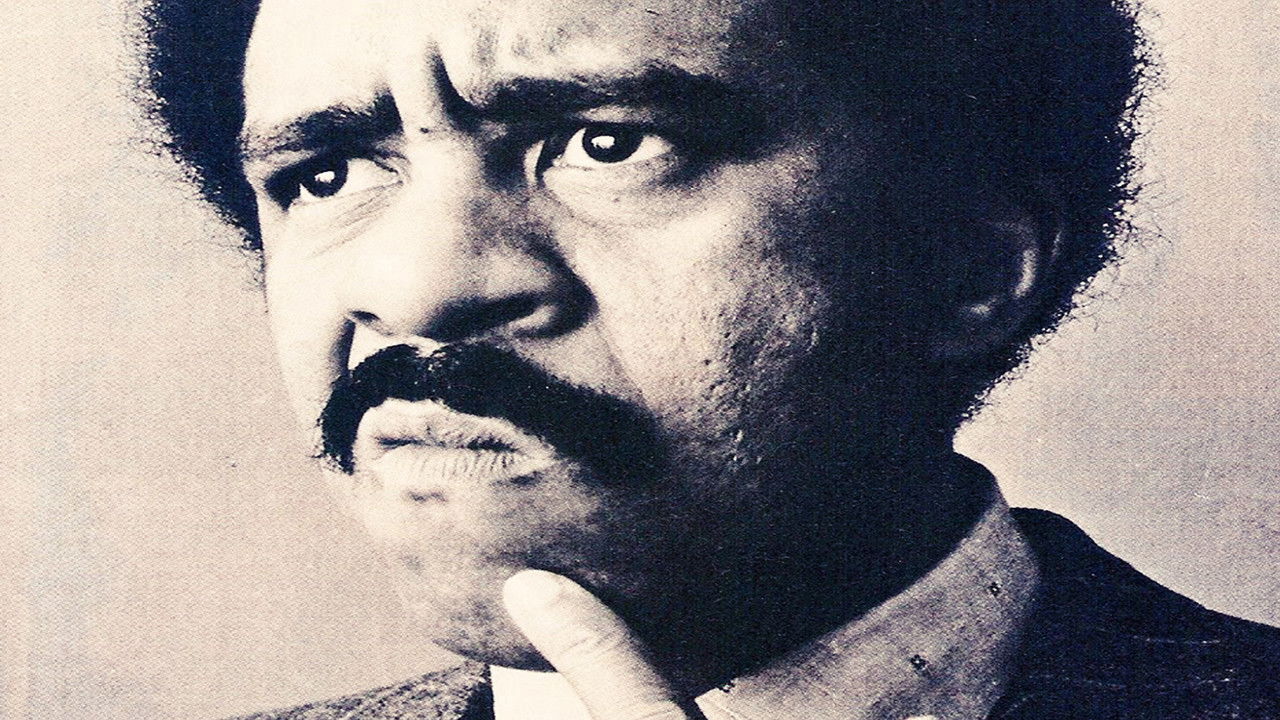
Forget slick, polished routines. Pryor’s genius lay in his fearless vulnerability and his uncanny ability to transform personal pain and social observation into blistering, hilarious truth. Directed by Joe Layton, known more for his acclaimed stage and television specials like My Name Is Barbra (1965), the film wisely keeps the focus tight on Pryor. The camera work is simple, letting the man and his microphone command the space. You feel the energy of the live audience, hanging on every word, erupting in laughter, sometimes stunned into silence.
Remember the characters? The way he’d inhabit Mudbone, the wise old storyteller, spinning yarns that were both outrageous and poignant? Or his miming of the pipe talking back to him during the now-legendary recounting of his freebasing accident? It’s harrowing, uncomfortable, and somehow, gut-bustingly funny. That tightrope walk between tragedy and comedy was Pryor’s unique domain. He wasn’t just telling jokes; he was holding up a mirror to himself and society, warts and all. I distinctly remember renting this tape and being floored by the sheer honesty – it felt revolutionary compared to the safer stand-up acts common at the time.
### From Africa to the Ambulance
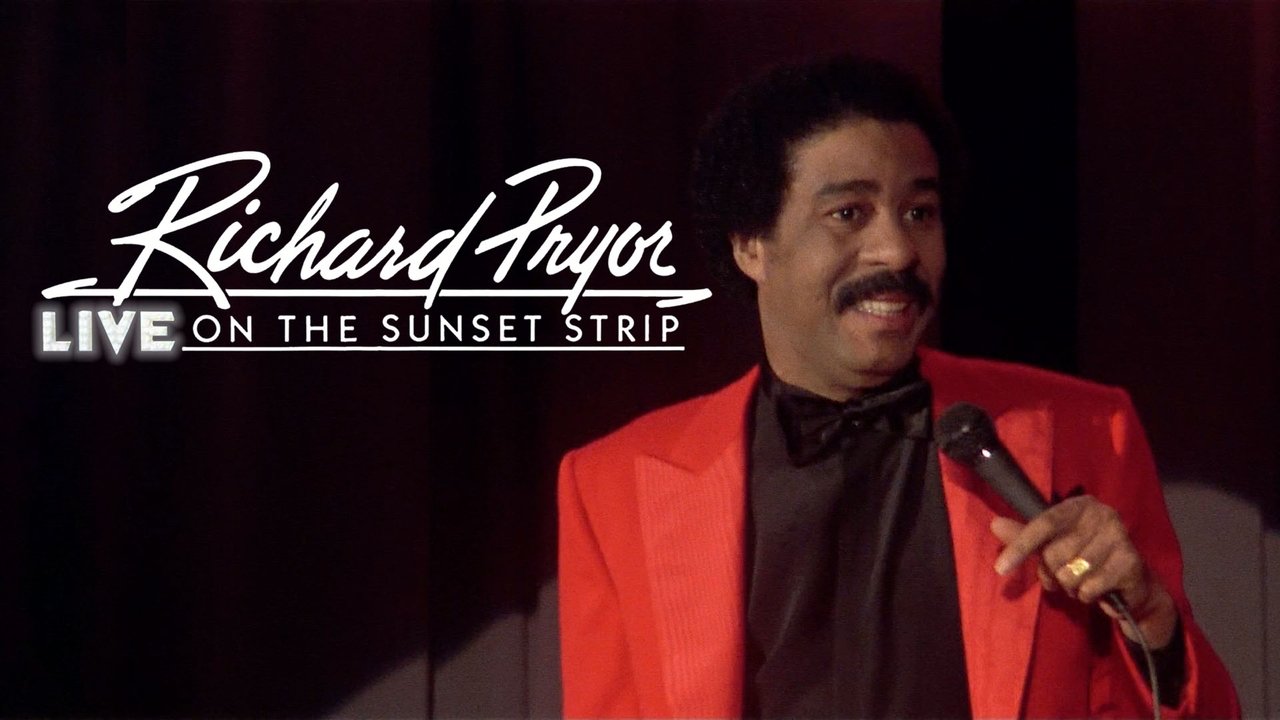
The special weaves through various stages of Pryor’s recent life and psyche. His trip to Africa becomes a profound meditation on identity and heritage, delivered with a mix of awe and his signature irreverence. Then there's the confrontation with his addiction, laid bare with an honesty that few performers before or since have dared to attempt. Watching this on a slightly worn VHS, the graininess almost added to the intimacy, making it feel less like a slick production and more like eavesdropping on a profound, albeit profane, confession. The rawness felt real in a way that’s hard to replicate now. This wasn't about CGI or elaborate stunts; the power was purely in the performance, the words, the man.
It’s fascinating to think that this deeply personal, often dark material, written entirely by Pryor himself, became a significant box office hit, pulling in over $36 million. That's a testament to his connection with the audience and the hunger for something authentic. Critics lauded it, audiences flocked to it, and it cemented Pryor's status not just as a comedian, but as a vital American voice.
### Still Shocking, Still Essential
Does Richard Pryor: Live on the Sunset Strip hold up? Absolutely. Some of the language and perspectives are undeniably products of their time, but the core of Pryor's genius – his vulnerability, his rage, his deep well of empathy, and his unparalleled storytelling – remains timeless. Watching it today reminds you of a time when stand-up comedy felt truly dangerous, capable of shifting perspectives and speaking uncomfortable truths. It influenced generations of comedians who followed, opening the door for more personal and challenging material.
Rating: 9.5/10
Justification: This isn't just a recording of stand-up; it's a landmark cultural document. Pryor's performance is a tour-de-force of confessional comedy, bravery, and sheer comedic brilliance. The historical context elevates it beyond mere entertainment. It loses half a point only because some elements inevitably feel dated, but its power is undeniable.
Final Take: Forget perfectly polished Netflix specials for a night. Pop this metaphorical tape in your VCR. Live on the Sunset Strip is raw, unfiltered Pryor at his most potent – a volcanic eruption of pain, truth, and laughter that cemented his legend and reminded us just how powerful one person with a microphone can be. It’s the kind of lightning that the VHS era captured perfectly.