There's a particular kind of cold that seeps into your bones in the upper Midwest winter, a starkness that mirrors the landscape itself. It’s this very landscape, both internal and external, that serves as the unforgettable backdrop for Chris Smith's 1999 documentary, American Movie. Watching it again feels less like revisiting a film and more like checking in on old, slightly eccentric, profoundly human friends you haven't seen in years. It captures something raw and essential about the struggle to create, a feeling instantly familiar to anyone who ever dreamed bigger than their circumstances seemed to allow, maybe fueled by hours spent wandering the aisles of the local video store, searching for inspiration.
The Unstoppable Force Meets the Immovable Object
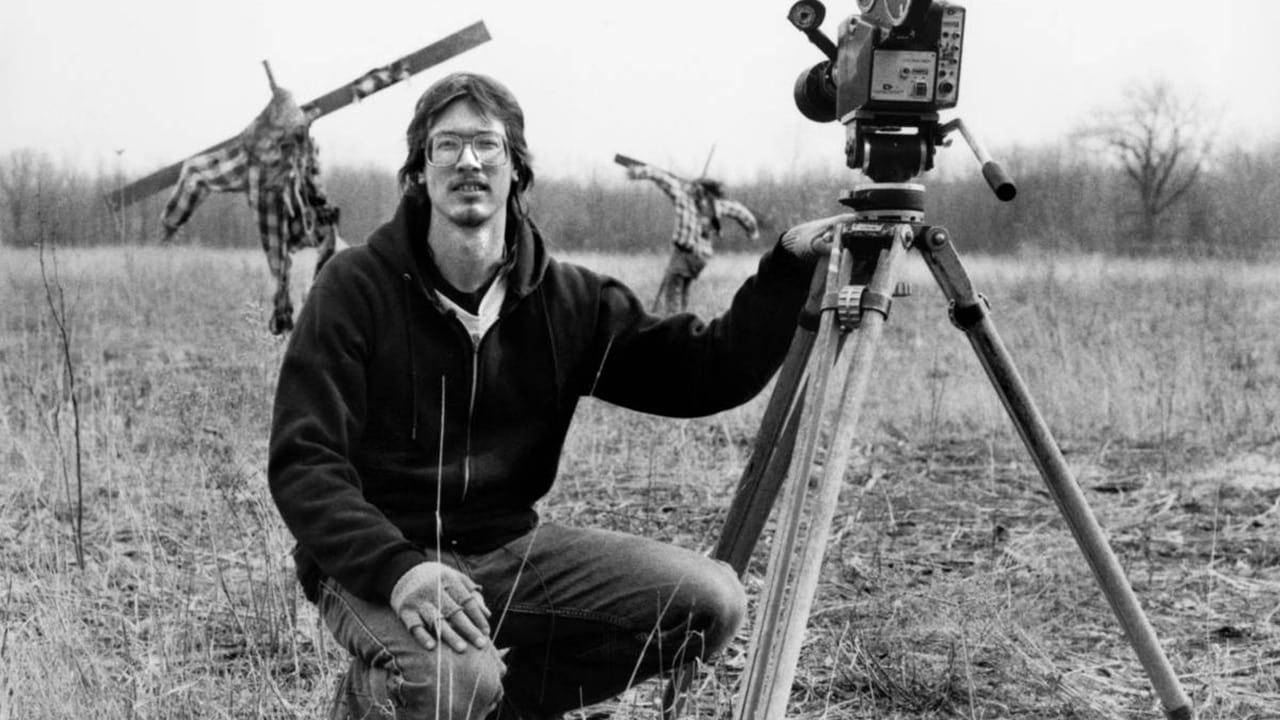
At its heart, American Movie is the story of Mark Borchardt, a man possessed by an almost terrifyingly relentless ambition to make movies. Living in Menomonee Falls, Wisconsin, working odd jobs, and battling his own demons, Mark dreams of finishing his gritty, regional epic, Northwestern. But dreams need funding, and funding requires… well, something smaller first. Enter Coven (pronounced, as Mark emphatically insists, "COE-ven"), a short horror film he hopes will raise the capital needed for his magnum opus. The documentary follows Mark's herculean, often Sisyphean, efforts to wrestle Coven into existence, armed with maxed-out credit cards, boundless enthusiasm, questionable props, and a cast and crew largely composed of skeptical family members and eternally patient friends.
Mark himself is a whirlwind of high-flown, often hilariously mangled, pronouncements ("It's alright, it's okay, there's something to live for... Jesus told me so!") and dogged determination. He’s easy to chuckle at, but impossible not to root for. His passion is palpable, infectious even, cutting through the bleak Wisconsin winters and the seemingly endless setbacks. We see him directing his aging, bewildered Uncle Bill, cajoling his long-suffering mother, and pushing his actors through bizarre scenarios, like smashing someone's head through a kitchen cabinet repeatedly – a scene that reportedly required numerous painful takes and became one of the film's most iconic (and wince-inducing) moments.
Friendship Forged in Film Stock
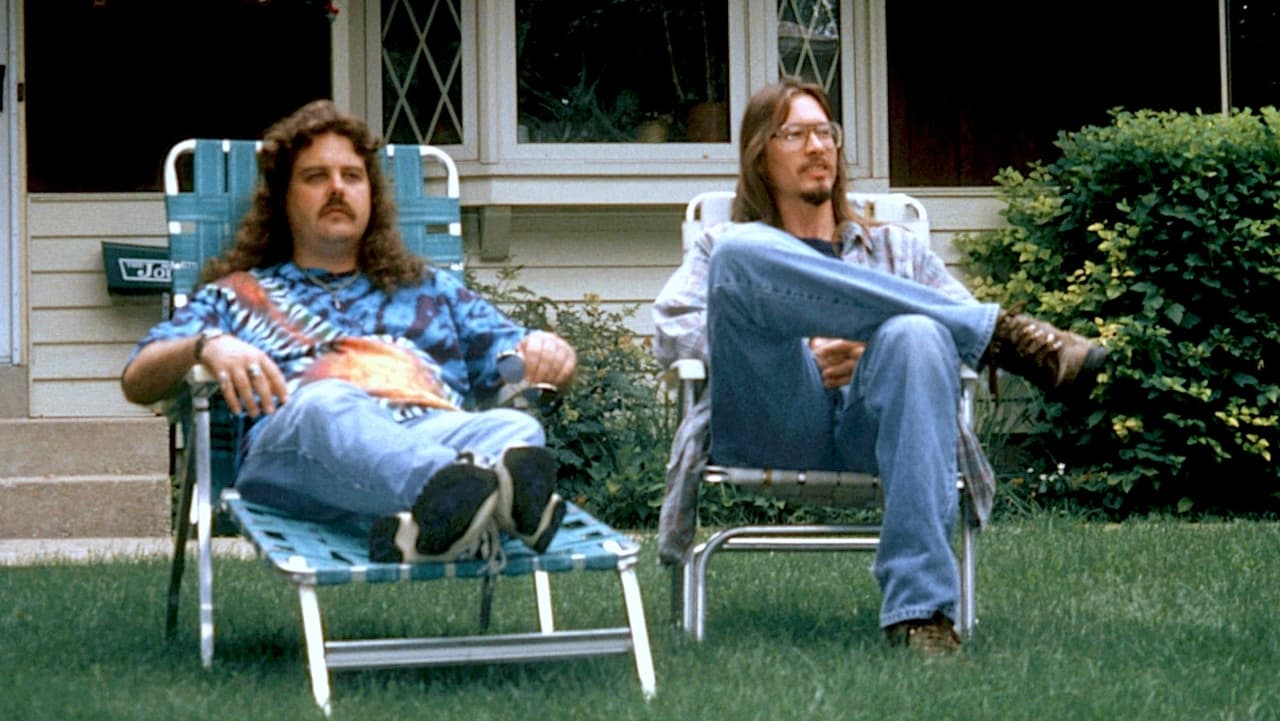
Yet, the soul of American Movie arguably resides in the quiet, unwavering loyalty of Mark’s best friend, Mike Schank. A gentle soul, recovering addict, and gifted guitarist (his haunting acoustic riffs form much of the film's score), Mike is Mark's steadfast right-hand man, assistant director, sound guy, and primary source of moral support. Their relationship is depicted with unvarnished honesty – the shared cigarettes, the quiet drives, Mike's deadpan reactions to Mark's manic energy, his understated pride in his sobriety tokens. There's a deep, unspoken bond there, a testament to friendship enduring through rough times and wildly improbable dreams. It's touching in a way that catches you off guard, reminding you that sometimes the greatest stories aren't the ones on screen, but the ones unfolding just outside the frame.
Capturing Lightning in a Bottle (or a Beer Can)

Director Chris Smith, who would later gain further acclaim with Fyre, employs a masterful cinéma vérité approach. He simply observes, letting the personalities and the inherent drama (and comedy) of the situation speak for itself. There’s no narration, minimal intrusion – just a patient camera capturing moments of profound absurdity, crushing disappointment, and surprising grace. The film reportedly took shape over several years, allowing Smith to build trust and capture the genuine rhythm of Mark's life and project. When American Movie premiered at the Sundance Film Festival, it wasn't just a hit; it won the Grand Jury Prize for Documentary, eventually getting picked up by Sony Pictures Classics – a remarkable trajectory for such a raw, intimate portrait. Critics like Roger Ebert lauded its humanity and humor, recognizing it as far more than just a chronicle of low-budget filmmaking.
More Than Just a Movie About Movies
What makes American Movie endure isn't just the quirky characters or the often-hilarious situations. It taps into something universal: the relentless, sometimes irrational, human drive to create, to leave a mark, to chase a dream even when logic screams otherwise. It’s about the dignity of striving, the pain of compromise, and finding meaning in the process itself, not just the outcome. Watching Mark wrestle with balky equipment, dwindling funds, and his own limitations feels intensely relatable, perhaps echoing our own half-finished projects or ambitions deferred. It's a snapshot of a specific time – the late 90s, cusp of the digital revolution, where filmmaking still felt intensely physical, reliant on film stock, rented gear, and sheer force of will – a feeling familiar to anyone who grew up loving the tangible magic of VHS. The film’s initial budget was modest, but its impact was huge, becoming a beloved cult classic documentary.
Rating: 9/10
American Movie earns its high marks for its unflinching honesty, its unforgettable subjects, and its ability to find profound human drama and surprising humor in the most unlikely of circumstances. It’s a masterclass in observational documentary filmmaking, elevated by the sheer force of personality of Mark Borchardt and the quiet soulfulness of Mike Schank. It avoids mockery, instead offering a deeply empathetic, often hilarious, and ultimately moving portrait of chasing the American Dream, one frustrating, freezing Wisconsin day at a time.
It leaves you pondering not just the fate of Coven or Northwestern, but the nature of ambition itself. What drives us to pursue our passions against all odds? And isn't there something profoundly noble, even beautiful, in the struggle itself?