Alright, rewind your minds with me. Picture this: it’s Friday night, you’ve just hit the local video store, the smell of plastic cases and maybe slightly stale popcorn in the air. You’re scanning the comedy section, past the usual big hitters, and your eyes land on a familiar face – Richard Pryor – looking utterly exasperated on the cover of Moving (1988). Maybe you rented it on a whim, maybe a friend recommended it. Whatever the path, hitting play on this one often unleashed a level of relatable homeowner chaos that felt both hilarious and terrifyingly possible.
### Pryor Vs. The American Dream (And Some Dodgy Movers)
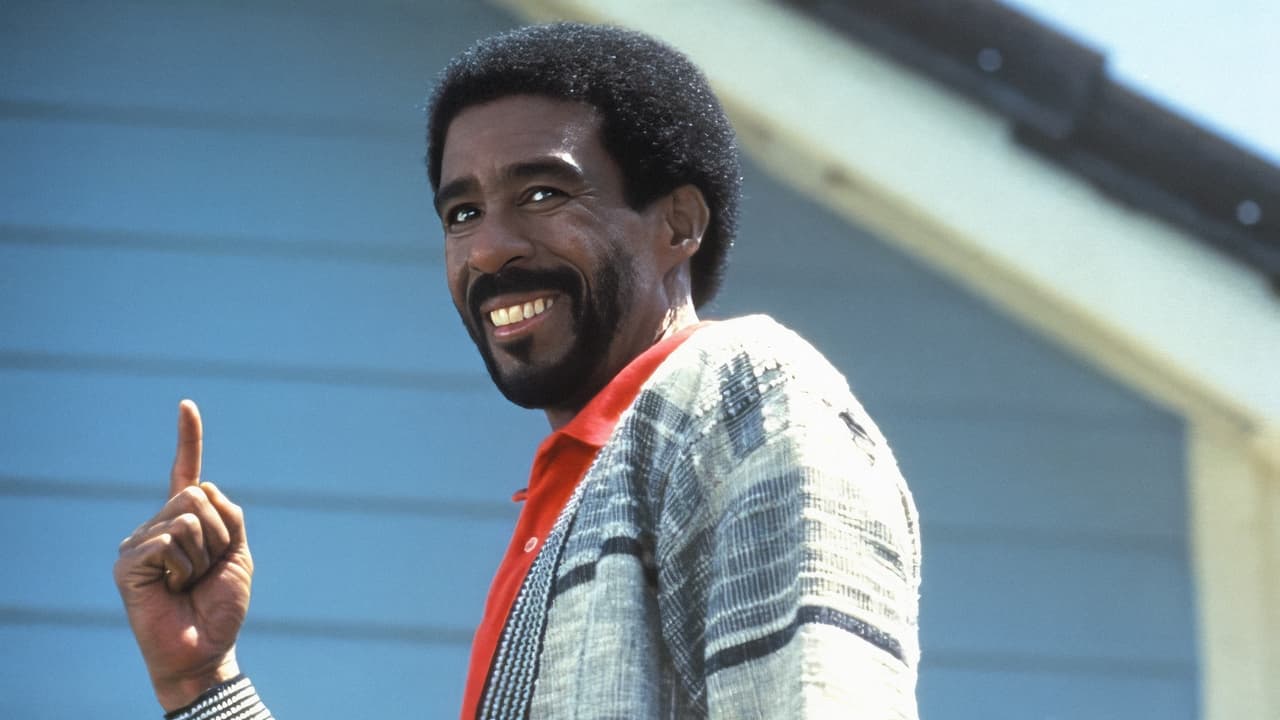
Moving catches Richard Pryor playing Arlo Pear, a mass transit engineer living the suburban dream in New Jersey – good job, nice house, loving family. It's a role that feels tailor-made for the slightly more mellowed, post-accident Pryor we saw in the late 80s. He still possesses that incredible gift for frantic energy and conveying mounting frustration, but here it’s channeled into the seemingly mundane, yet universally hellish, experience of relocating across the country for a new job in Boise, Idaho. The premise is simple: Arlo gets a dream job, sells the house, hires movers, and prepares for a fresh start. Simple, right? Oh, you sweet summer child.
This film arrived courtesy of director Alan Metter, who just two years prior gave us the Rodney Dangerfield classic Back to School (1986), another film brimming with chaotic energy. Metter seemed to enjoy throwing likable protagonists into escalating whirlpools of absurdity, and Moving is no exception. The script comes from Andy Breckman, a name that might surprise some, as he'd later create the meticulously ordered world of Monk. There’s little trace of Adrian Monk’s obsessive neatness here; instead, Breckman unleashes Murphy’s Law with gleeful abandon. If something can go wrong during Arlo’s move, it absolutely will, usually in the most spectacularly inconvenient way possible.
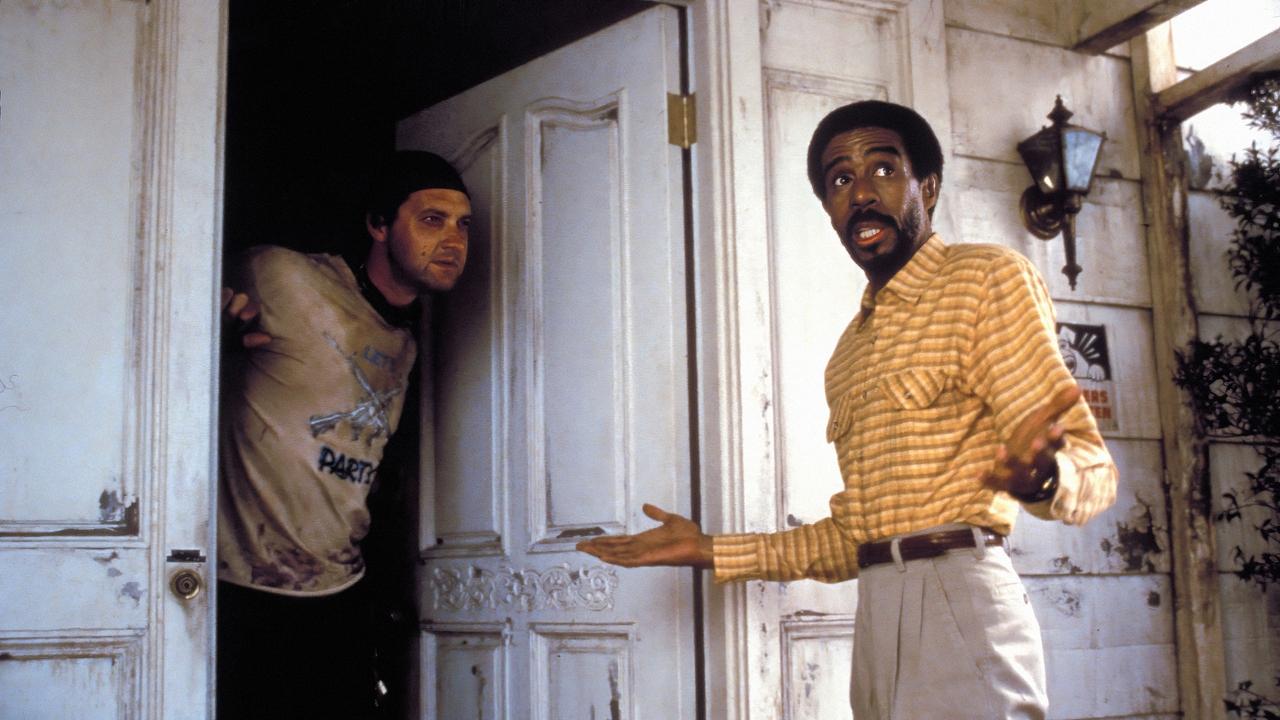
### Escalating Suburban Nightmare
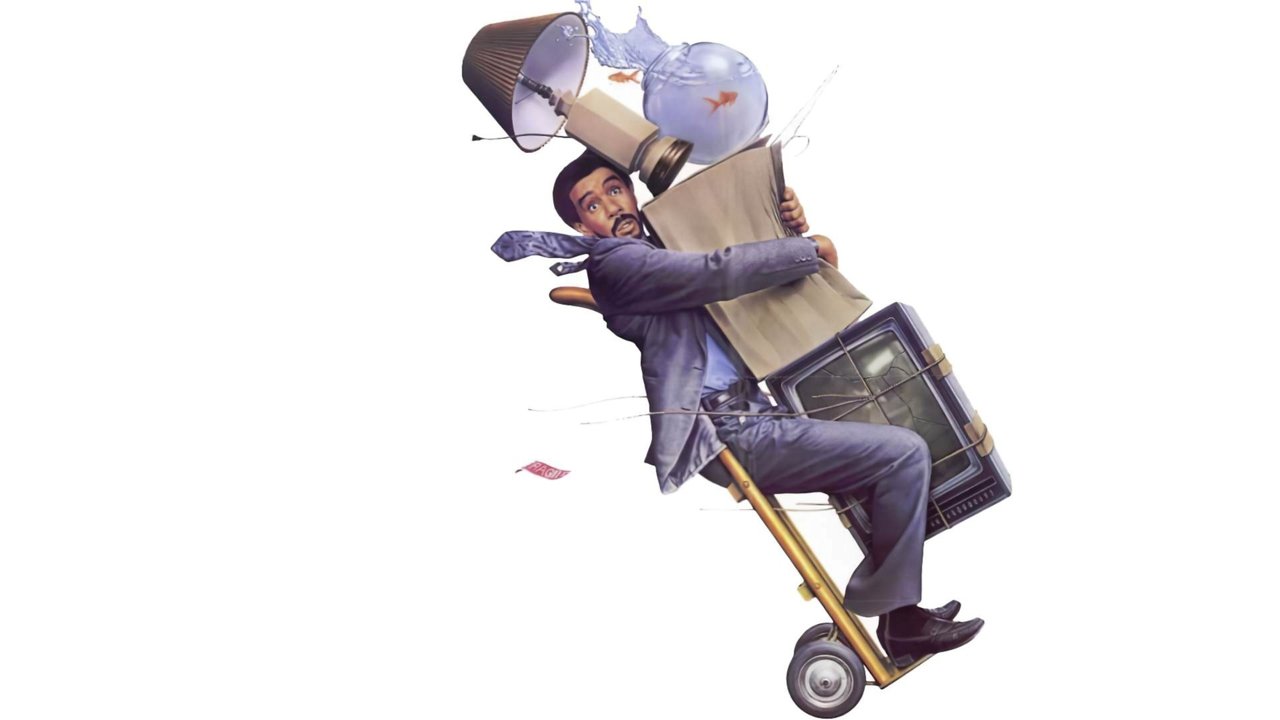
The genius, and the enduring humor, of Moving lies in its relentless escalation. It starts small: the stress of selling the house, the annoyance of picky buyers. Then the real problems begin. The moving company Arlo hires turns out to be a shambolic crew of ex-cons who gut his house like locusts, leaving behind only structural beams and existential dread. His beloved Saab 900 convertible – such a perfect symbol of late-80s yuppie aspiration – suffers indignity after indignity. Remember the sheer agony of watching that car get systematically destroyed? It tapped into a primal fear for anyone who’s ever cherished a vehicle.
And then there’s Frank. Oh, Frank. Randy Quaid delivers one of the all-time great weirdo neighbor performances, not just as the shell-shocked Vietnam vet Frank Crawford who lives next door, but also, bizarrely, as Frank’s identical twin brother Cornell, who ends up driving the doomed moving van. Quaid commits fully to the strangeness, creating characters who are simultaneously menacing, pathetic, and darkly hilarious. His passive-aggressive lawnmower duel with Pryor is a masterclass in suburban warfare. It's a testament to Quaid's bizarre charisma that these characters stick in your memory long after the credits roll.

Amidst the chaos, Beverly Todd as Arlo’s wife Monica and a young Stacey Dash (pre-Clueless) as his daughter Casey try to maintain sanity, acting as the exasperated but supportive anchors to Arlo's spiraling panic. Their reactions often mirror our own – a mix of disbelief and strained patience. Todd, in particular, provides a necessary grounding force, reminding Arlo (and the audience) of the family unit holding things together, even when the house literally isn't.
### That VHS Feeling: Grounded Gags and Real Frustration
Watching Moving today, especially if you remember seeing it on a fuzzy CRT via a well-loved VHS tape, highlights what made comedies like this work back then. The gags feel tangible. When the house is stripped bare, it looks real – likely clever set design and practical effects, not slick CGI erasure. The car stunts, while played for laughs, have a crunching weight to them. Pryor’s physical comedy, though perhaps less manic than his 70s peak due to his recovery from severe burns sustained in 1980, still felt grounded in genuine human frustration. You believed his blood pressure was rising with every new disaster. This wasn't just slapstick; it was the slow, agonizing destruction of one man's sanity, played for laughs we could all recognize.
Did it set the box office on fire? Not exactly. Pulling in just under $11 million against a budget rumored to be around $10.5 million, Moving wasn’t a smash hit. Critics were mixed too, perhaps finding the relentless negativity a bit overwhelming or the humor too broad. But for those of us who found it on the rental shelves, it often became a fondly remembered staple – a movie that perfectly captured the feeling that sometimes, the universe really is out to get you, especially when you’ve got cardboard boxes involved. It found its audience on home video, becoming one of those reliable go-to comedies for a night in.
Rating: 7/10
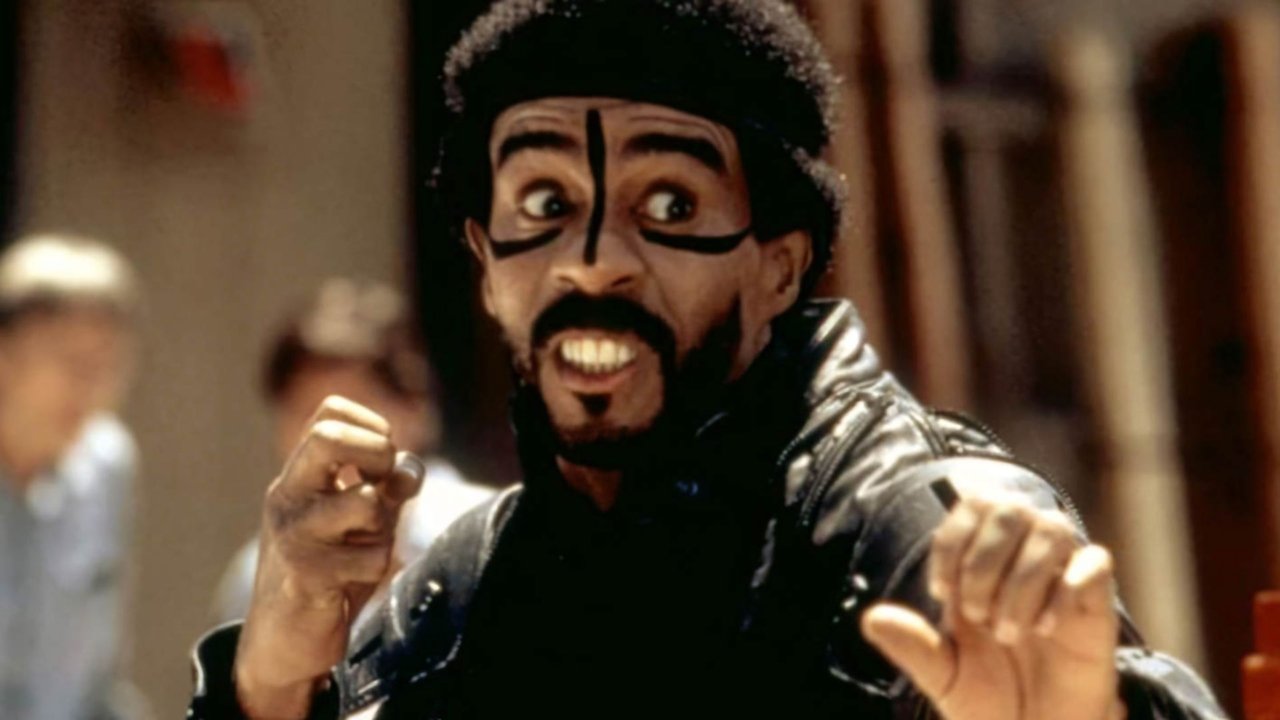
Why 7/10? Moving earns its score through the sheer force of Richard Pryor's relatable everyman-pushed-to-the-brink performance, Randy Quaid's unforgettable weirdness, and a premise that taps into a universal vein of stress with comedic precision. It delivers genuine laughs rooted in painfully recognizable situations. It loses a few points for some uneven pacing in the middle and a few gags that feel overly cartoonish even for its heightened reality. It's undeniably a product of its time, but its core anxieties about uprooting your life remain surprisingly potent.
Final Take: Moving is a delightful slice of late-80s comedic chaos, powered by a Pryor performance that reminds us why he was king. It’s the kind of movie that makes you laugh while simultaneously triggering PTSD if you’ve moved recently – pure VHS comfort food for anyone who appreciates comedy grounded in pure, unadulterated frustration. Definitely worth tracking down for a rewatch.