Okay, pull up a beanbag chair and pop this one in the VCR – we’re talking Richard Pryor’s manic money-burning marathon, Brewster’s Millions (1985). You remember this one, right? The premise alone felt like pure wish-fulfillment fantasy back in the aisles of Blockbuster. But what’s fascinating right off the bat is who’s steering this ship: Walter Hill. Yeah, the same guy who gave us the gritty streets of The Warriors (1979) and the explosive buddy-cop action of 48 Hrs. (1982). Seeing his name attached to a high-concept Richard Pryor comedy felt like a delightful glitch in the system, a promise of something… interesting.
### Thirty Million Bucks, Thirty Days of Madness
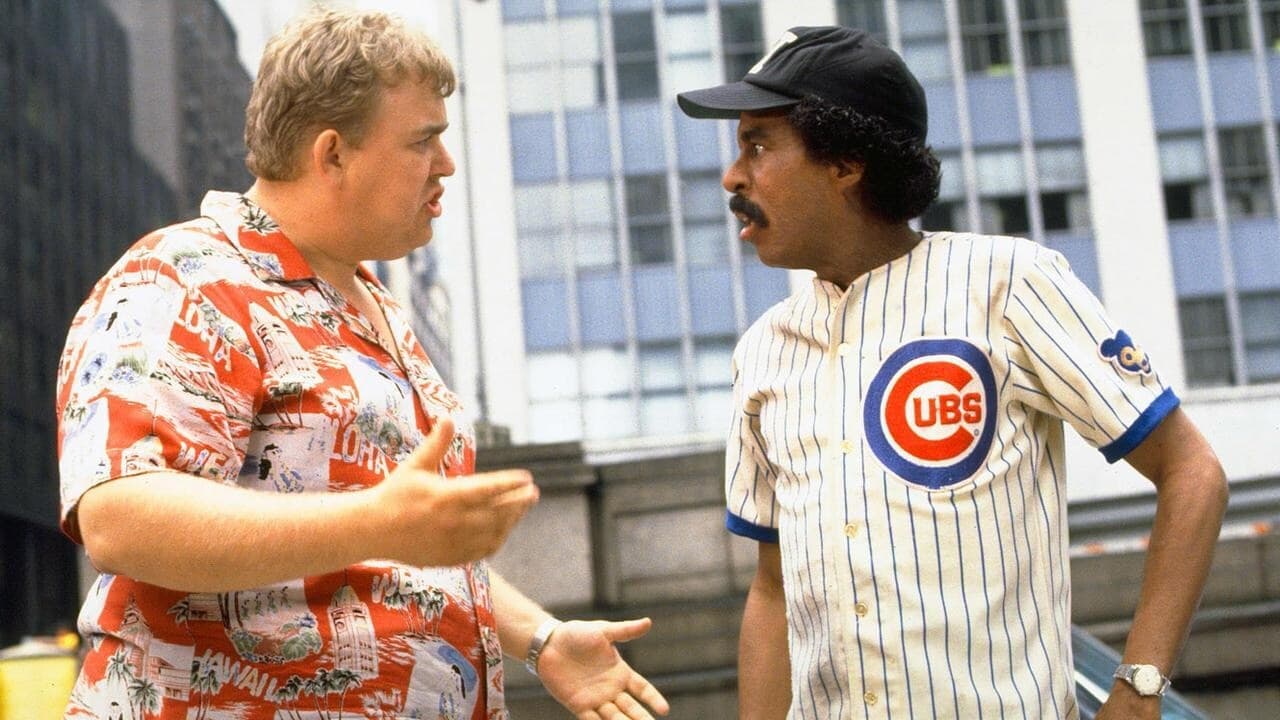
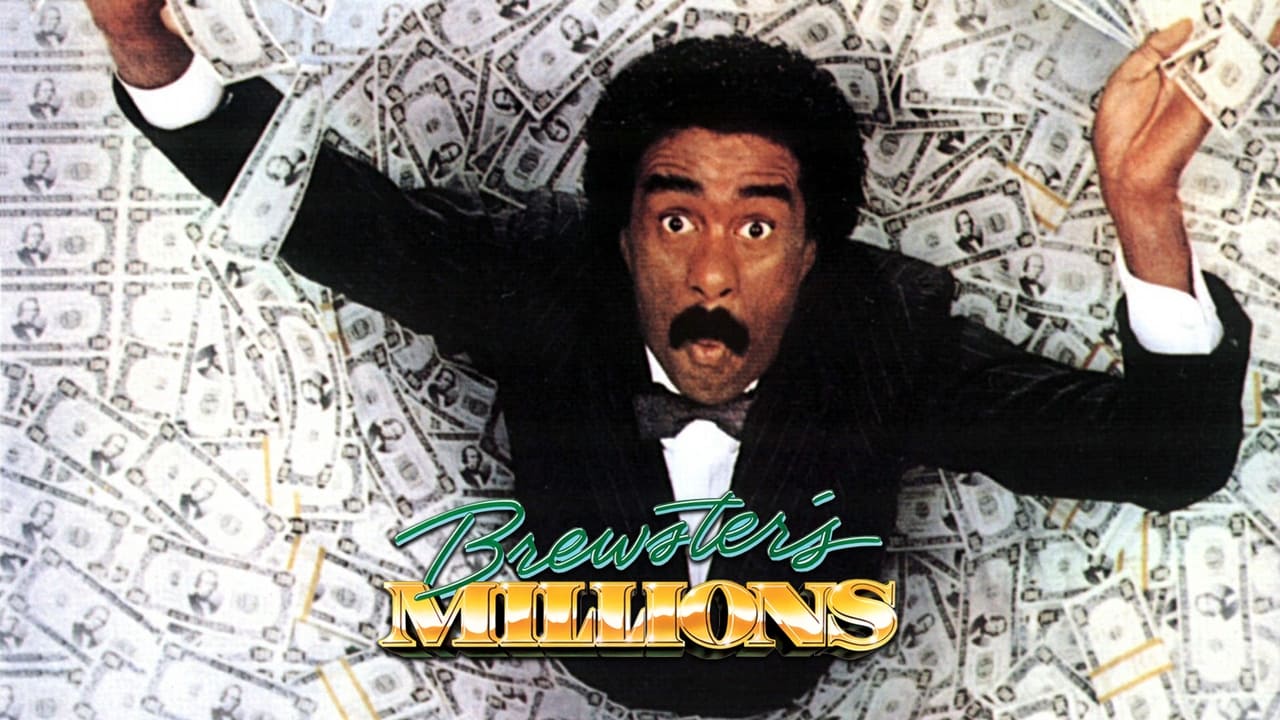
The setup is legendary, a story so good it had already been filmed multiple times before this Reagan-era iteration (including versions in 1914, 1921, 1926, 1935, and 1945!). Montgomery Brewster (Richard Pryor), a down-on-his-luck minor league pitcher, discovers he's inherited a staggering $300 million from a cranky, eccentric great-uncle he never knew. The catch? It’s one for the ages. To claim the real fortune, Brewster must first spend $30 million in just 30 days, ending up with absolutely nothing to show for it – no assets, no lasting value, and he can't just give it away or tell anyone why he's suddenly throwing cash around like confetti. Fail, and he gets zilch. Succeed, and he’s richer than Midas.
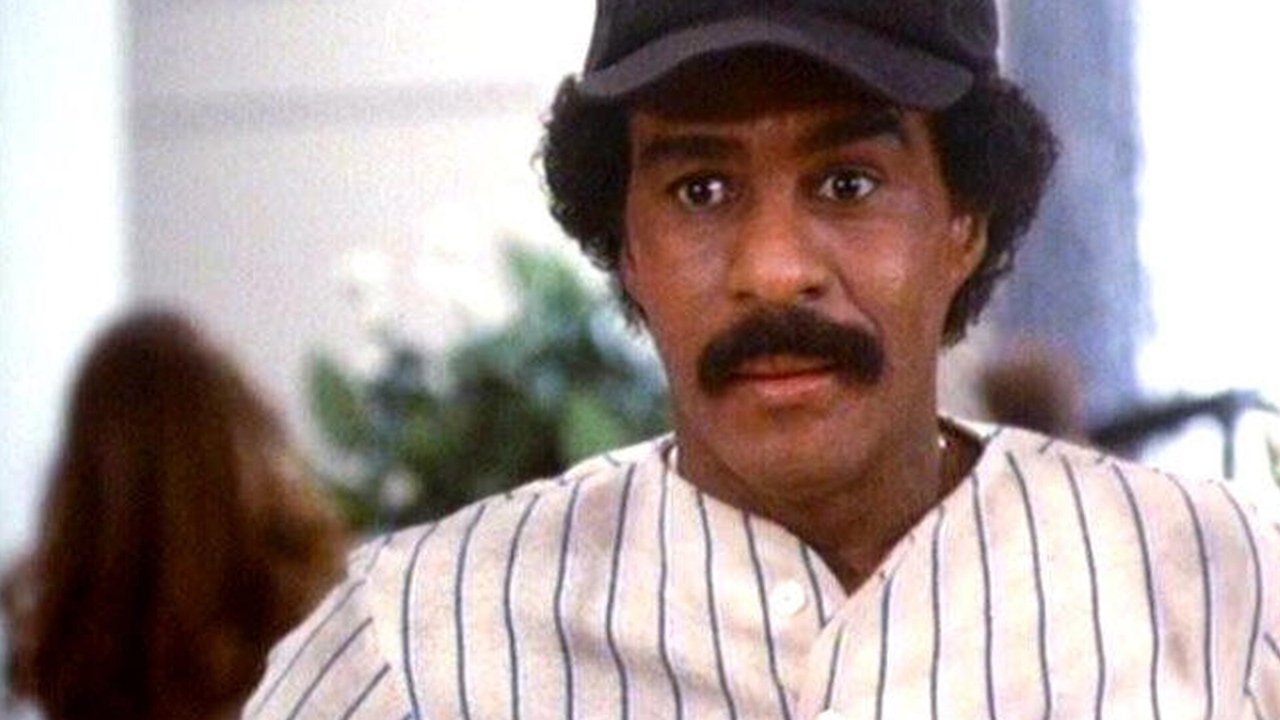
This restriction is the engine driving the film's chaotic comedy. It’s not just about spending; it’s about spending stupidly, inefficiently, and often hilariously publicly. Pryor, initially considered after Eddie Murphy (who starred in Hill's 48 Hrs.) reportedly passed, absolutely nails Brewster's escalating panic and bewildered frustration. He oscillates brilliantly between the sheer joy of limitless funds and the crushing pressure of the seemingly impossible rules. You feel his pain even as you’re laughing at the absurdity of renting the Plaza Hotel's penthouse or hiring the New York Yankees for a three-inning exhibition game against his own hapless Hackensack Bulls.
### The Comedy Dream Team
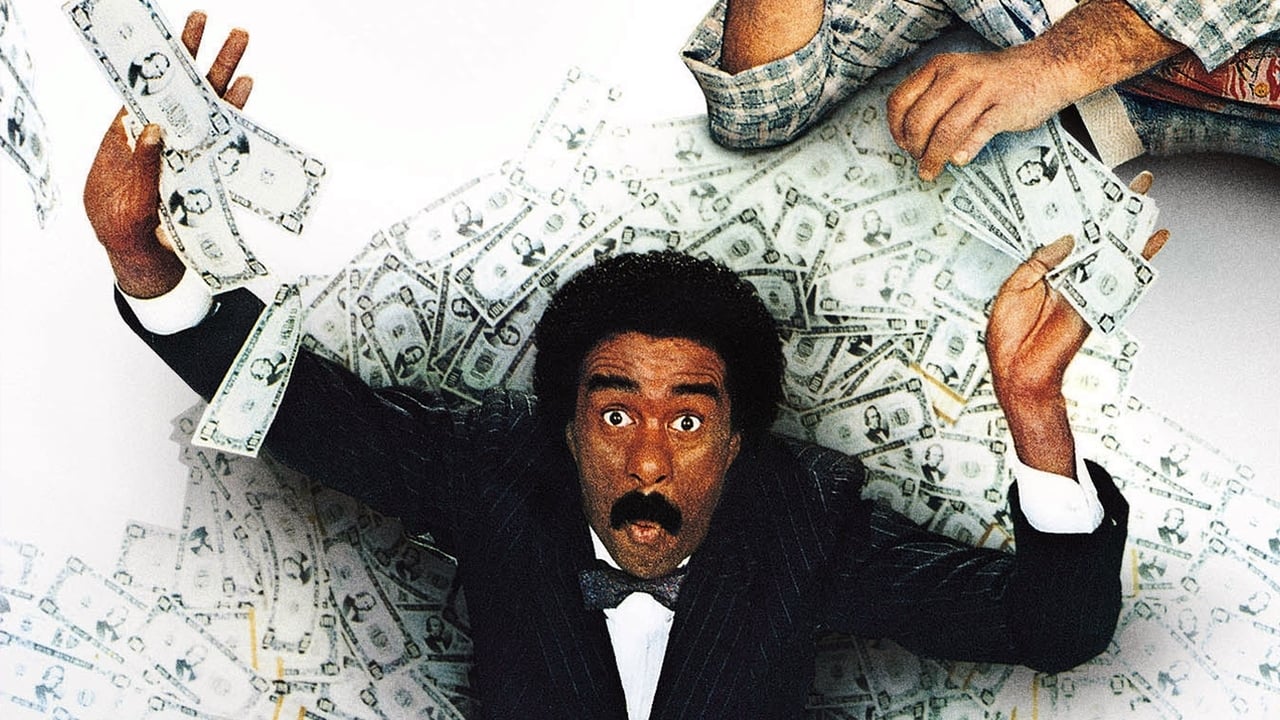
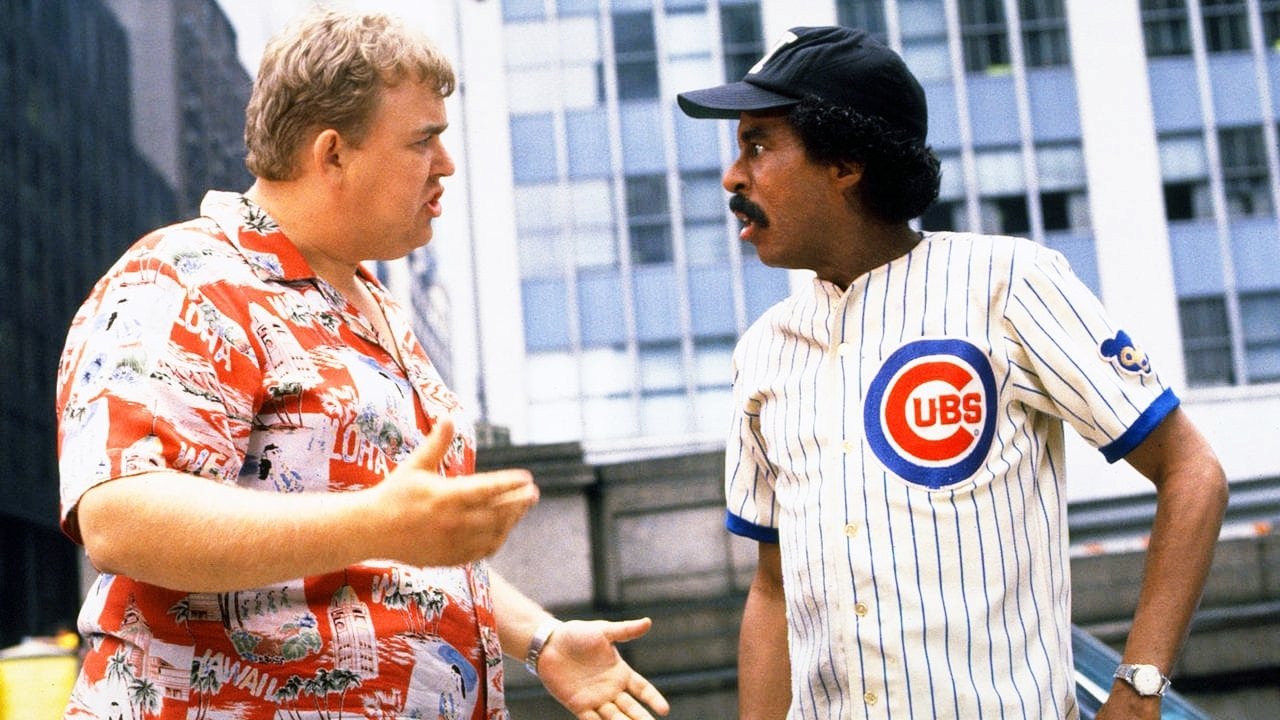
Pryor isn't alone in this whirlwind. Who better to have by your side during an existential spending crisis than the endlessly lovable John Candy? As Spike Nolan, Brewster's loyal best friend and fellow pitcher, Candy is pure gold. His reactions to Brewster's inexplicable spending spree – the confusion, the concern, the eventual gleeful participation – are priceless. Their chemistry feels genuine; you believe these two guys have been through thick and thin, even if "thin" suddenly involves navigating an avalanche of hundred-dollar bills. Retro Fun Fact: Candy and Pryor reportedly improvised quite a bit, adding that extra layer of spontaneous energy that defined so many great 80s comedies.
Rounding out the core trio is Lonette McKee as Angela Drake, the paralegal assigned to track Brewster's spending. She acts as the audience surrogate, initially suspicious and exasperated, before inevitably getting drawn into the sheer madness (and perhaps, Brewster himself). McKee brings a necessary grounding presence amidst the financial chaos. The supporting cast is dotted with familiar faces too, like Stephen Collins as the smarmy lawyer trying to sabotage Brewster and Jerry Orbach as the baseball team manager.
### More Than Just Laughs?
While primarily a broad comedy, Walter Hill's direction keeps things moving at a brisk pace. You don't necessarily see the gritty, stylized action he’s known for, but there's a certain efficiency and clarity to the storytelling. He lets the premise and his stars do the heavy lifting, wisely avoiding unnecessary directorial flourishes. The film embraces the inherent absurdity, turning Brewster's spending into a series of increasingly outlandish set pieces – the disastrous political campaign urging voters to pick "None of the Above," the lavish parties, the instant creation of bizarre, high-paying jobs for anyone who asks. It captures that unique 80s blend of excess and silliness perfectly.
Retro Fun Fact: The film reportedly cost around $20 million to make – a decent sum back then – and pulled in about $45.8 million worldwide. While not a monster smash, it was a solid hit and certainly found a long life on home video, becoming a staple for sleepovers and lazy Saturday afternoons. Its premise tapped directly into the era's fascination with wealth and quick fortune, albeit with a comedic twist. Remember watching this and fantasizing about what you'd do with that kind of spending power under those ridiculous rules?
### Burning Bright on VHS
Sure, parts of Brewster's Millions feel undeniably dated now – the fashion, the tech, some of the gags. But the core concept remains incredibly fun, and the central performances are timeless. Pryor is magnetic, balancing manic energy with surprising vulnerability, especially considering the personal health battles he was facing around this time. Candy is effortlessly charming. The sheer, escalating panic of trying to waste money effectively is a comedic goldmine that the film exploits wonderfully.
It lacks the sharp edges of Pryor's stand-up or the raw action of Hill's other work, but it succeeds beautifully as a high-concept crowd-pleaser. It’s a comfort food movie, instantly transporting you back to a simpler time when inheriting a fortune (with a crazy catch) felt like the ultimate cinematic adventure.
Rating: 7/10
Justification: Brewster's Millions delivers exactly what it promises: a funny, fast-paced 80s comedy powered by the brilliant pairing of Richard Pryor and John Candy. While not groundbreaking cinema, its clever premise, engaging stars, and nostalgic charm make it highly rewatchable. It earns points for sheer entertainment value and capturing that specific era's comedic sensibilities, even if Walter Hill's direction is more functional than flashy here.
Final Thought: It's the ultimate "be careful what you wish for" comedy, wrapped in glorious 80s excess – a reminder that sometimes, the hardest job in the world is trying to go broke. Still a blast to watch, fuzzy tracking lines and all.