It’s hard to overstate the jolt of pure adrenaline Star Trek II: The Wrath of Khan delivered when it beamed onto screens—and later, onto countless well-worn VHS tapes—in 1982. After the thoughtful, visually stunning, but undeniably ponderous journey of Star Trek: The Motion Picture (1979), this felt like coming home. Suddenly, Star Trek wasn't just exploring strange new worlds; it was facing down old demons with phasers firing, delivering space opera with a raw, visceral intensity many fans hadn't realized they were craving. This wasn't just another voyage; this felt personal.
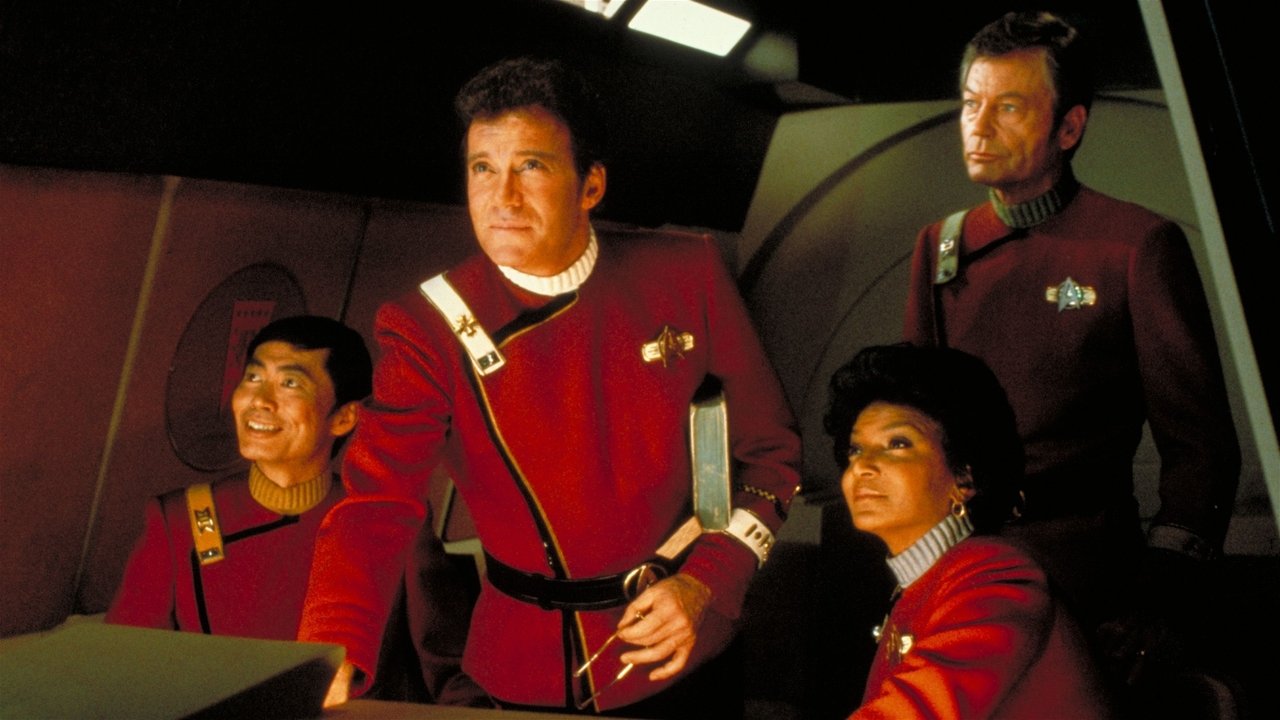
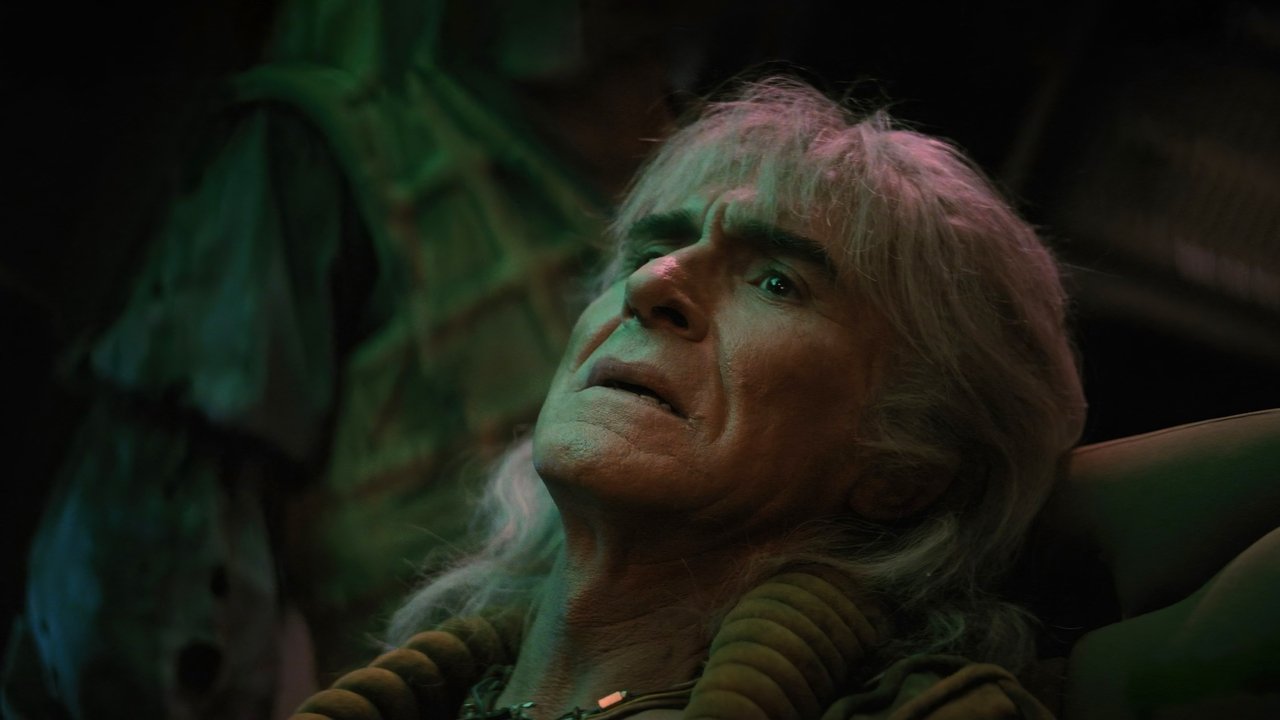
The film immediately grounds us not in cosmic mystery, but in human concerns. Admiral James T. Kirk (William Shatner) is grappling with middle age, a desk job, and the haunting feeling that his best days commanding the Enterprise are behind him. That relatable melancholy is shattered by the return of Khan Noonien Singh, a genetically engineered superman Kirk marooned fifteen years prior in the classic original series episode "Space Seed." And playing Khan? The legendary Ricardo Montalbán, delivering a performance for the ages – simmering with vengeance, quoting Melville, and radiating theatrical menace from beneath that glorious mane of hair and famously real physique (no prosthetics needed, thank you very much!).
### Revenge is a Dish Best Served Cold
What makes Khan such a compelling villain isn't just Montalbán's magnetic presence, but the genuine history and grievance he holds against Kirk. He’s not just a mustache-twirling baddie; he’s a fallen prince seeking retribution, a product of Earth’s Eugenics Wars whose intellect is matched only by his ruthlessness. Director Nicholas Meyer, brought in specifically to inject life and keep costs down after TMP's $44 million budget ballooned, understood this perfectly. Meyer, alongside writers Jack B. Sowards and producer Harve Bennett, crafted a script dripping with tension and literary allusions, famously trimming the budget to a lean $11.2 million – a gamble that paid off handsomely with a nearly $97 million worldwide gross, effectively saving the film franchise.
One fascinating bit of production trivia: due to scheduling conflicts with Montalbán's work on TV's Fantasy Island, he and Shatner never actually filmed their scenes together! Their epic confrontations were masterfully stitched together through clever direction, eyeline matching, and separate shoots. You’d never know it watching the film; their rivalry feels immediate and intensely personal across the viewscreen.
### Cat and Mouse Among the Stars
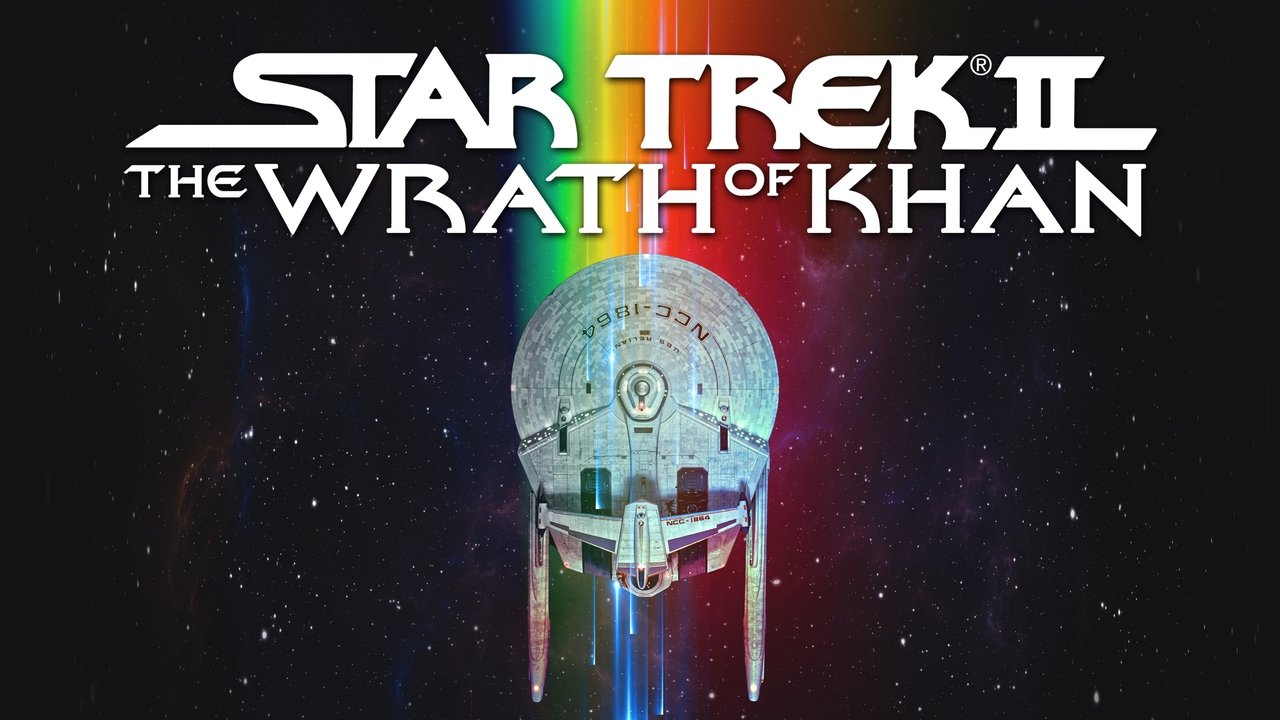
Meyer envisioned the space battles not as graceful ballets, but as tense submarine duels. The USS Reliant (initially named the USS Republic before it was pointed out a real US Navy ship shared the name) and the Enterprise stalk each other through nebulae, firing phasers like torpedoes, relying on tactics and nerve rather than overwhelming firepower. This approach, born partly from necessity due to the tighter budget, resulted in some of the most gripping starship combat ever put to film. The Mutara Nebula sequence, cloaking the ships in swirling gas clouds where sensors are useless, is a masterclass in suspense, heightened by James Horner's sweeping, militaristic score – a career-defining work for the young composer.
And who could forget the infamous Ceti eels? Those nightmare-inducing parasites burrowing into Chekov and Captain Terrell’s ears remain squirm-inducing even today. It's pure B-movie horror injected into the Star Trek universe, a testament to the film’s willingness to embrace darker, more primal fears. Getting those little critters to wriggle convincingly involved some clever practical effects work – apparently modified fishing lures animated with wires and air bladders – causing genuine discomfort for actors Walter Koenig and Paul Winfield during filming. It’s a raw, unsettling moment that signals this Trek adventure plays for keeps.
### The Needs of the Many
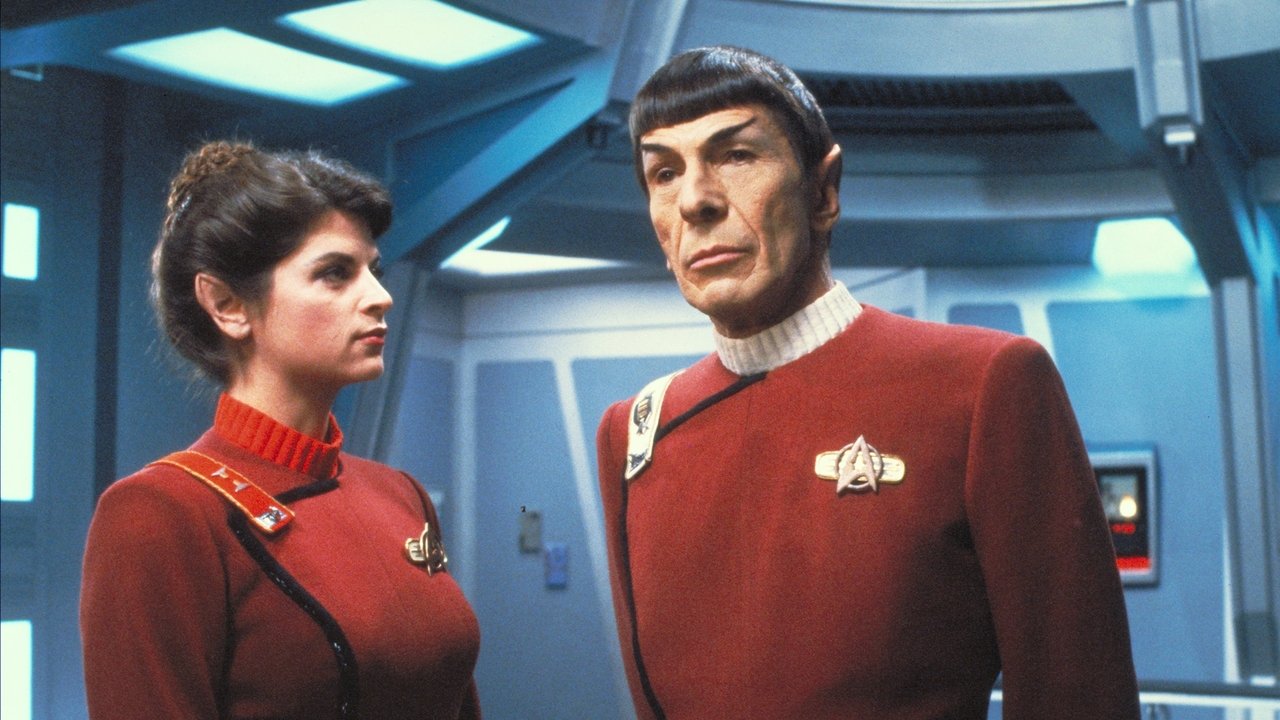
Beyond the thrilling action and Montalbán's unforgettable villain, The Wrath of Khan resonates because of its powerful emotional core. The themes of aging, regret, friendship, and sacrifice are woven deeply into the narrative. Kirk's journey from reluctant admiral back to decisive captain, Leonard Nimoy's portrayal of Spock's unwavering logic masking deep loyalty, and DeForest Kelley's Bones providing the passionate, human counterpoint – the dynamic between the core trio has never been stronger.
Spoiler Alert!
The film culminates in one of the most iconic and genuinely heartbreaking moments in science fiction cinema: Spock's sacrifice to save the Enterprise. His final scene with Kirk, separated by the radiation shield, delivering the line, "The needs of the many outweigh the needs of the few... or the one," remains devastatingly effective. I distinctly remember the stunned silence in the theater (and later, the living room) during that scene. It was a bold, gut-wrenching move that cemented the film's place in pop culture history. Meyer initially resisted adding the final shot of Spock's coffin on the Genesis planet, but test audiences needed that glimmer of hope, paving the way for Star Trek III: The Search for Spock (1984).
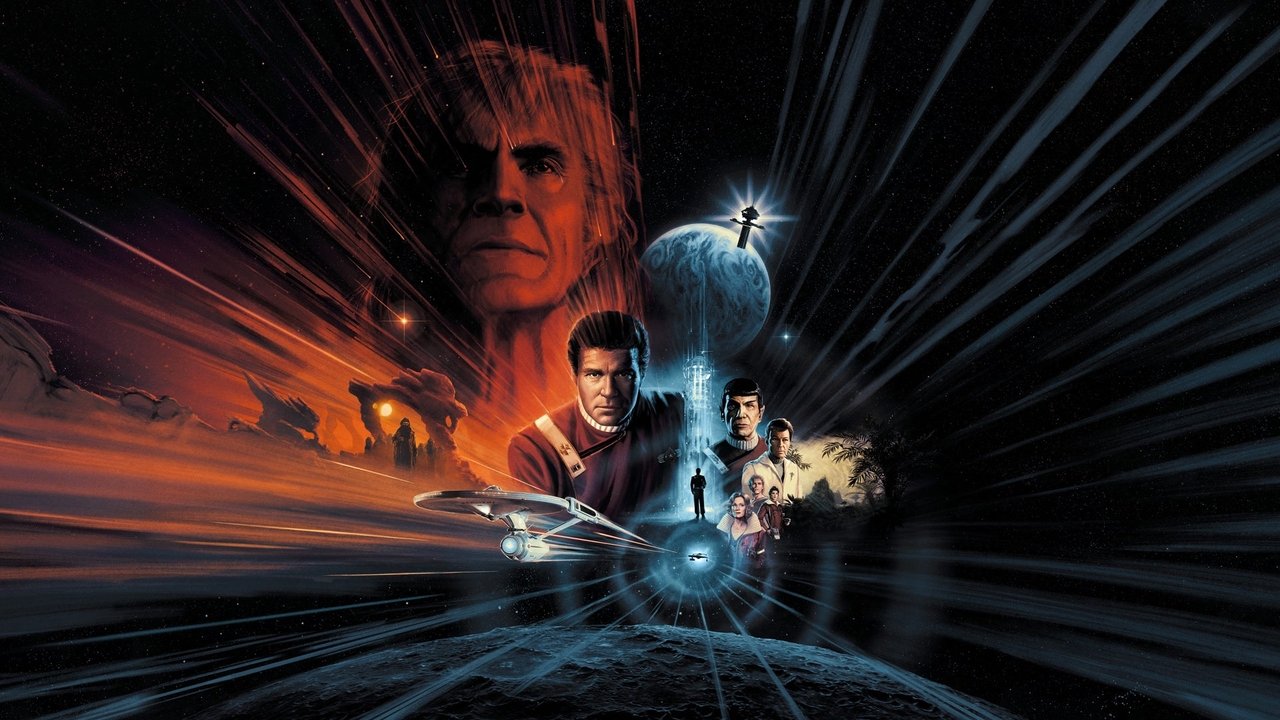
### VHS Heaven Rating: 9/10
Star Trek II: The Wrath of Khan isn't just a great Star Trek movie; it's a fantastic piece of 80s sci-fi cinema, period. It revitalized a franchise, delivered an all-time great villain, balanced thrilling action with genuine emotion, and proved that even in the future, the most compelling conflicts are deeply human. The tight direction, memorable score, stellar performances (especially Montalbán's), and willingness to embrace consequence elevate it far beyond a simple space adventure. Minor quibbles about reused footage or dated effects fade against the sheer power of its story and characters. This was the Star Trek adventure that reminded us why we loved this crew and this universe, hitting warp factor fun while still packing an emotional punch.
For pulling Star Trek back from the brink and delivering a taut, thrilling, and deeply moving adventure that still resonates today, it earns a solid 9. It’s a film that truly has… the power.