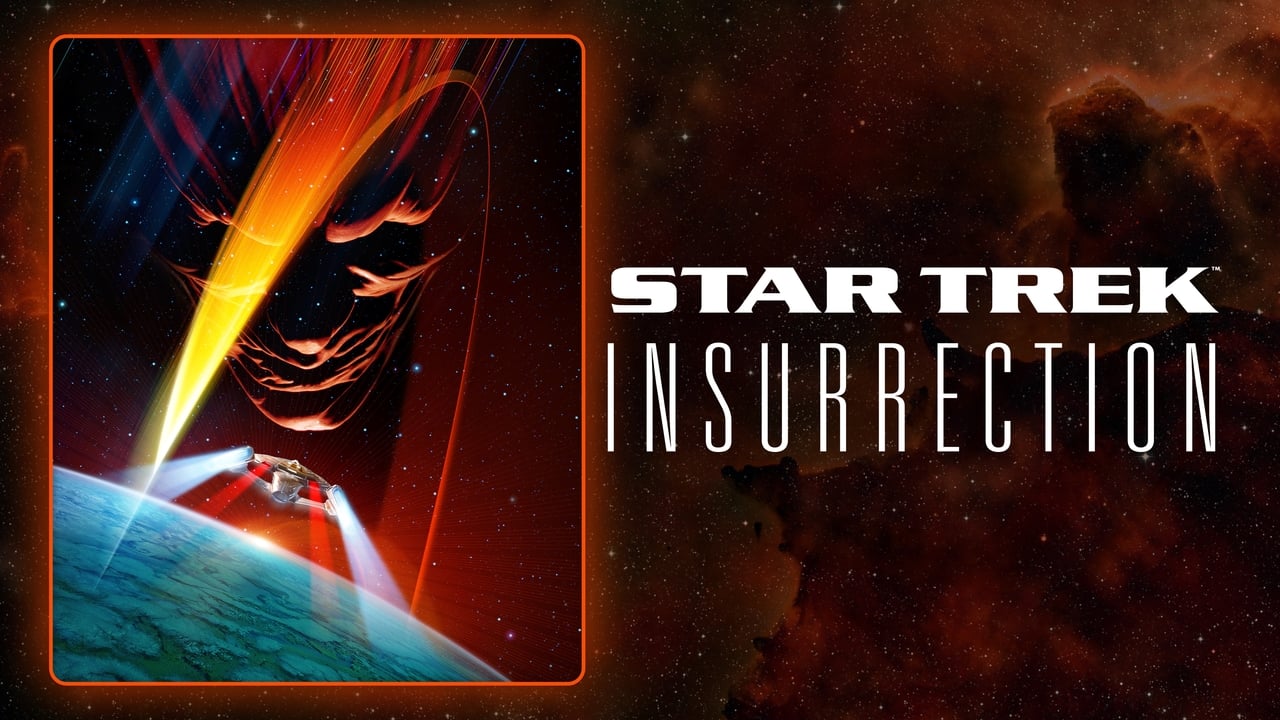
Okay, fellow tapeheads, let's set the coordinates for 1998. After the thrilling, high-stakes Borg battle of Star Trek: First Contact, the Enterprise-E crew warped back onto the big screen with something… different. Star Trek: Insurrection landed in theaters, and later on our beloved VHS shelves, offering a change of pace that felt both familiar and slightly unexpected. Helmed by Commander Riker himself, Jonathan Frakes (taking the director's chair for the second time after First Contact), this ninth Star Trek feature film aimed for the stars, but did it reach them?

### A Paradise Found, A Paradise Threatened
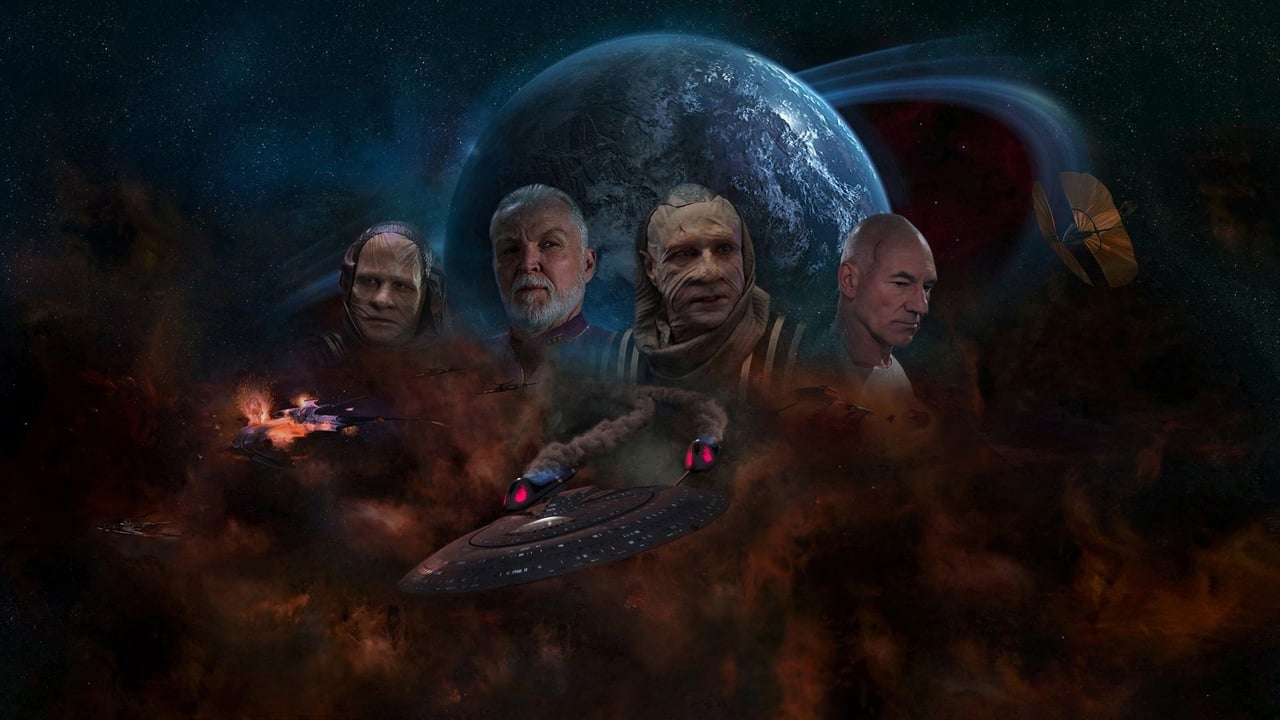
The premise felt ripped straight from a classic The Next Generation episode, which, depending on your viewpoint, was either its greatest strength or its core limitation. The Enterprise crew stumbles upon the Ba'ku, a seemingly simple people living an idyllic, Luddite existence on a stunning planet bathed in metaphasic radiation – essentially a fountain of youth. But surprise! A clandestine Federation-Son'a operation, led by the menacing Ad'har Ru'afo (F. Murray Abraham, chewing scenery with the same gusto he brought to Salieri in Amadeus), plans to forcibly relocate the Ba'ku to harvest the planet's regenerative properties. This puts Captain Jean-Luc Picard (Patrick Stewart, embodying that unwavering moral compass we adored) squarely at odds with Starfleet Command, forcing him to choose between his orders and his conscience. It’s pure Trek ethics, the kind of dilemma the series thrived on.
### More Episode Than Epic?
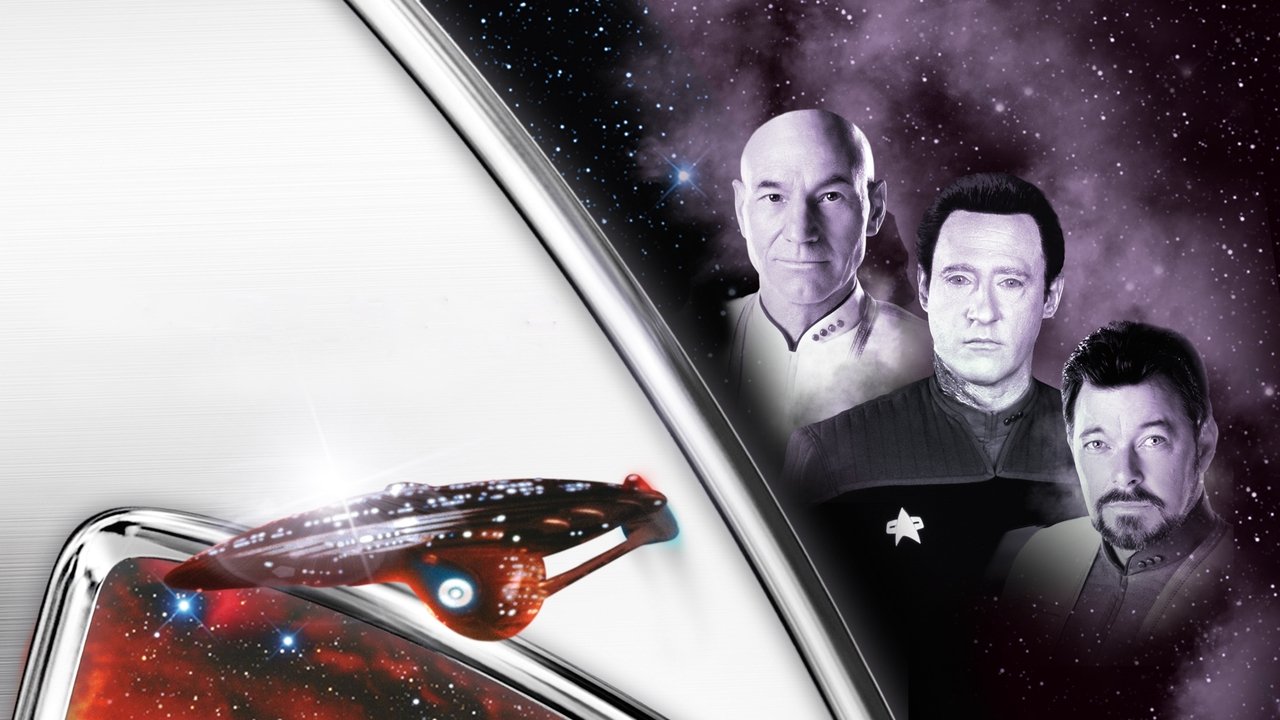
Written by Michael Piller (a key architect of TNG's success) from a story by Piller and Rick Berman, Insurrection consciously dialled back the action spectacle of its predecessor. The goal, often stated by the production team, was to inject more humour and character moments, aiming for a lighter tone reminiscent of the original series' adventures. You definitely feel that shift. There are moments of genuine warmth and camaraderie – Data (Brent Spiner) experiencing pure childlike joy thanks to the planet's effects, Troi and Riker rekindling their romance (finally!), and Picard finding a connection with the Ba'ku leader Anij (Donna Murphy, a wonderful stage actress bringing quiet dignity to the role).
Remember that scene where Picard and Worf try to belt out Gilbert and Sullivan? Or Data gleefully being used as a flotation device? These character beats are lovely little nods for long-time fans, the kind of interactions that made us feel like part of the Enterprise family during the show's seven-season run. Jonathan Frakes, pulling double duty, directs with a comfortable hand, clearly understanding these characters inside and out. The visuals are often gorgeous, particularly the sweeping shots of the Ba'ku village and the surrounding landscape (filmed primarily in the Eastern Sierra Nevada mountains of California – a location that apparently presented significant logistical challenges for the crew).
### Retro Fun Facts: Behind the Briar Patch
Pull up a chair, let’s rewind the tape for some trivia. The initial story pitch for Insurrection was reportedly much darker, potentially involving Data malfunctioning or even betraying the crew, leaning into a "Heart of Darkness" theme. However, Patrick Stewart felt it trod too closely to Data's arc in First Contact, and the concept was significantly lightened. This shift perhaps explains why the stakes sometimes feel a little less monumental than in other Trek films.
The budget hovered around $70 million, and while its $117.8 million worldwide gross was profitable, it didn’t quite capture the lightning in a bottle (or the box office) of First Contact's $146 million haul. Some fans and critics at the time felt the plot was too thin for a feature film, labelling it the infamous "expensive TV episode." There were also deleted scenes, including more development for Riker and Troi, that some argue might have enriched the final cut. And who can forget the slightly goofy, but very TNG-esque, moment where Riker takes manual control of the Enterprise using a joystick? Pure, unadulterated 90s sci-fi fun, even if it felt a tad convenient.
### Finding Its Frequency
So, where does Star Trek: Insurrection sit in the grand pantheon of Trek films viewed through our nostalgic VHS lens? It's undeniably a comfortable watch. Seeing the TNG crew together, grappling with a moral quandary, enjoying some lighthearted banter – it feels like visiting old friends. The ethical core is strong, and Picard's defiance ("Can anyone remember when we used to be explorers?") resonates. F. Murray Abraham makes for a visually distinct, if somewhat one-note, villain, and the Son'a's stretched-face aesthetic was certainly memorable (and probably fueled a few playground impressions back in the day).
However, the film rarely achieves true cinematic grandeur. The action sequences feel somewhat perfunctory, and the central conflict, while ethically interesting, lacks the immediate gut-punch of facing the Borg or Khan. It plays things relatively safe, content to be a pleasant, if not entirely essential, chapter in the TNG saga. It doesn’t boldly go where no Trek film had gone before, but it offers a scenic detour.
VHS Heaven Rating: 6/10
Justification: Insurrection earns points for its strong ethical core, beautiful visuals, and genuine warmth between the beloved TNG crew. Patrick Stewart is reliably excellent, and the attempt to recapture the spirit of the show's better episodes is appreciated. However, it loses points for its lower stakes compared to other Trek films, a somewhat underdeveloped villain plot, and a pace that occasionally drags, reinforcing the "feature-length episode" critique. It’s a solid, enjoyable entry, but not a standout.
Final Thought: Like finding that well-worn tape on the rental shelf, Star Trek: Insurrection offers comforting familiarity. It might not be the crew's most thrilling log entry, but sometimes, a pleasant cruise through paradise with old friends is exactly the voyage you need.